
Hear from Our Customers
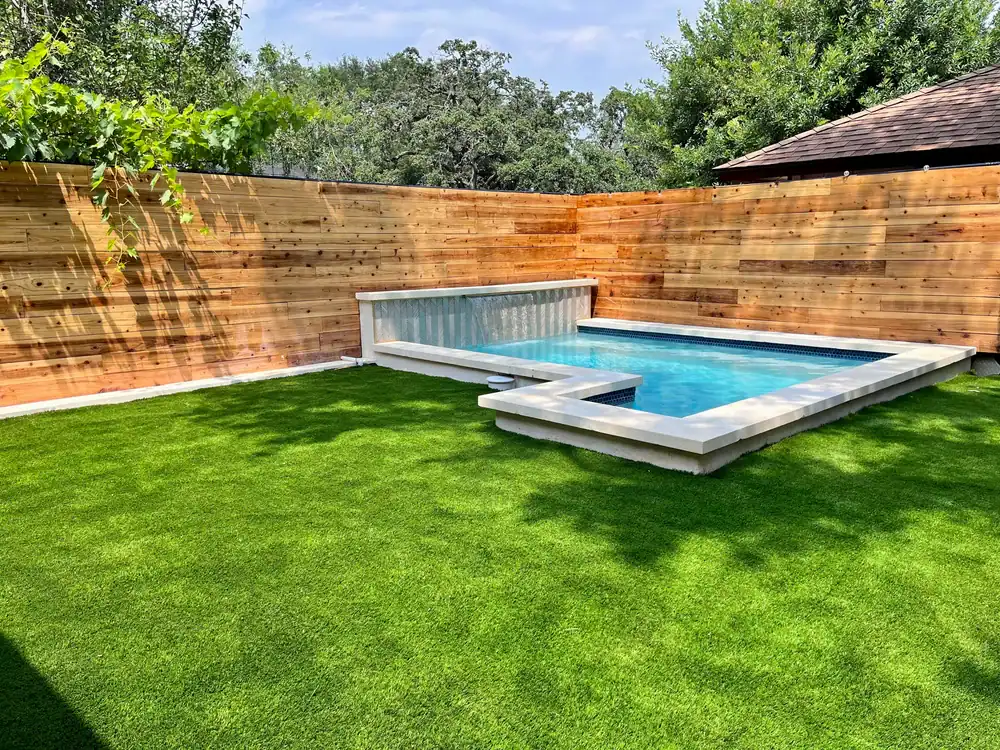
You’re not just getting a hole in the ground filled with water. You’re getting a backyard that becomes the place your family actually wants to be when Georgia summers hit 95 degrees.
That means cooler afternoons without leaving home. It means your kids have somewhere to go that isn’t a screen. It means your property value goes up, and your stress level goes down.
But here’s what matters before any of that happens: the pool has to be built right. Georgia’s red clay doesn’t forgive shortcuts. Coffee County’s soil shifts, settles, and drains differently than sandy coastal ground. If your contractor doesn’t know how to work with it, you’ll see cracks, leaks, and problems within a few years.
We build custom gunite pools that handle what this area throws at them. Concrete construction gives you design flexibility and the durability to last decades, not just seasons. You get a finished project that’s ready to use, not a half-done job that sits unfinished while we move on to the next one.
Deep Waters Pools is a family-owned business based in Douglas, serving Coffee County and the surrounding South Georgia area for over three decades. We’re not a franchise. We don’t subcontract the important stuff to whoever’s available that week.
When you call, you’re talking to people who’ve pulled permits in Douglas County, excavated through red clay more times than we can count, and built pools that are still going strong 20 years later. We’re members of the Douglas-Coffee County Chamber, licensed and insured, and we’ve earned a 4.7 rating on HomeAdvisor by doing what we say we’re going to do.
Sapps Still homeowners deserve contractors who show up, communicate clearly, and finish the job. That’s what we’ve built our reputation on, one pool at a time.
First, we come out to evaluate your property. We’re looking at soil conditions, drainage, lot size, and how your yard sits. This isn’t a sales pitch—it’s a real assessment of what’s possible and what’s going to work long-term.
Once you’re ready to move forward, we handle the permits. Georgia requires building permits for all residential pools, and Douglas County has specific local codes on top of the state requirements. We know what they need, and we make sure it’s done right so you don’t get stuck in delays.
Then comes excavation. Georgia clay is dense and doesn’t drain like sandy soil, so we account for proper backfill and drainage from the start. After excavation, we build the gunite shell, install plumbing and electrical with energy-efficient equipment, and finish with your choice of surface and decking.
You’ll know the timeline upfront. Weather delays happen in Georgia, especially during storm season, so we build buffer time into the schedule. What we don’t do is rush quality work to hit an unrealistic deadline.
When it’s done, we walk you through everything—how your systems work, what maintenance looks like, and what to expect in the first few months. Then we clean up completely and leave you with a pool that’s ready to use.
Ready to get started?
Your inground pool installation includes complete site evaluation, custom design that fits your lot and complements your home, all necessary permits, professional excavation, and quality gunite construction. We handle the electrical, plumbing, and filtration system installation using modern, energy-efficient equipment.
You also get proper safety barriers that meet Georgia code requirements, thorough cleanup when the job’s done, and complete training on your new pool systems. This is a turnkey process—you’re not coordinating five different subcontractors or figuring out who’s responsible for what.
Coffee County’s soil conditions require specific construction techniques. The red clay around Sapps Still holds moisture differently than other soil types, which affects how we approach drainage and backfill. We’ve been working with this soil for 30 years, so we know how to engineer a pool that won’t shift, settle, or crack as the ground moves through wet and dry seasons.
Concrete pool construction gives you unlimited design options. You’re not limited to pre-formed shapes or sizes. If your yard has an unusual layout or you want specific features built in, gunite lets us do that. It’s also the most durable option for Georgia’s climate—freeze-thaw cycles, heavy rain, and intense summer heat don’t affect properly built concrete the way they can damage other materials.
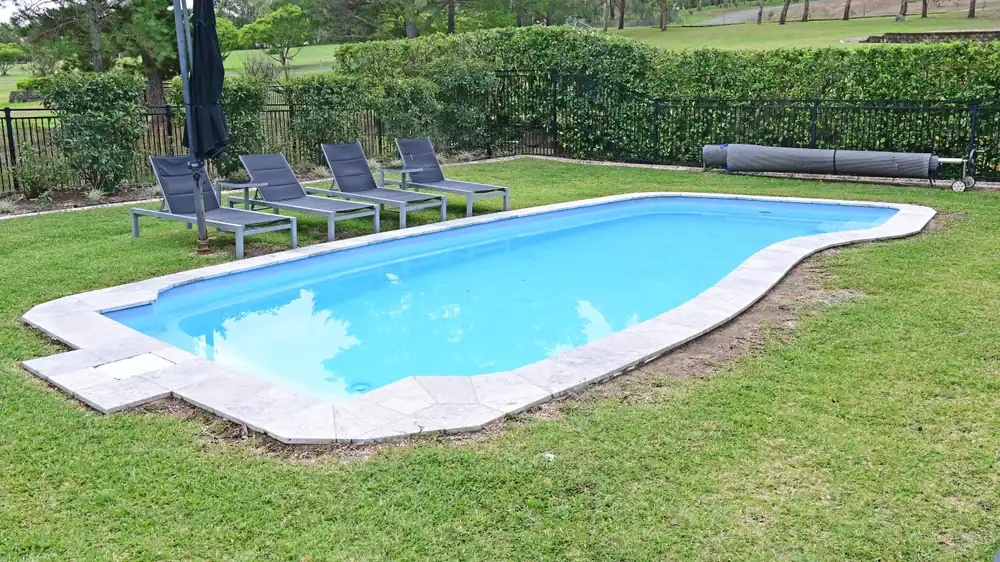
Most inground gunite pool projects take 8 to 12 weeks from the day we break ground to the day you’re swimming. That timeline includes excavation, gunite application and curing, plumbing and electrical installation, finishing work, and final inspections.
Weather is the biggest variable. Georgia summers bring afternoon thunderstorms that can delay concrete work, and we won’t pour gunite in conditions that compromise quality. We also build buffer time into the schedule because permits, inspections, and material deliveries don’t always move as fast as we’d like.
You’ll get a realistic timeline upfront based on your specific project. If delays happen, you’ll know why and when we expect to get back on track. What you won’t get is a contractor who disappears for two weeks without explanation or rushes through critical steps to make up time.
Red clay is dense, sticky, and holds moisture. That makes it harder to excavate than sandy or loamy soil, and it also affects drainage around your pool. If water can’t drain properly, you’ll end up with hydrostatic pressure pushing against the pool shell, which can cause cracks or even lift the pool out of the ground.
We account for this by engineering proper drainage and using the right backfill materials. Georgia clay also expands and contracts with moisture changes, so the pool structure has to be built to handle that movement without cracking. Gunite is ideal for this because it’s strong, flexible enough to handle minor ground shifts, and can be reinforced where needed.
Contractors who don’t understand Coffee County’s soil conditions cut corners that come back to haunt you. We’ve seen pools built by out-of-area companies that cracked within three years because the builder didn’t account for drainage or used the wrong backfill. When you’ve been doing this locally for 30 years, you learn what works and what doesn’t.
You need a building permit from Coffee County before construction starts. Georgia follows the International Swimming Pool and Spa Code, and Coffee County adds local requirements on top of that. The permit process includes submitting site plans, construction drawings, and specifications for electrical and plumbing work.
You’ll also need to meet setback requirements—how far the pool has to be from property lines, septic systems, and structures. Safety barrier codes require fencing or other approved barriers around the pool, and those have to meet specific height and gate requirements.
We handle all of this. We know what the county needs, how to submit it, and who to follow up with if there are questions. You don’t have to figure out code requirements or deal with the building department—that’s part of what you’re hiring us to do. Most permits take 2 to 4 weeks to approve if everything’s submitted correctly the first time.
A professionally installed inground pool typically increases your home value by 5% to 7% in Georgia. That percentage varies based on your home’s current value, the pool’s size and features, and how well it fits the neighborhood. In areas where pools are common and desirable, you’ll see stronger returns.
But here’s the reality: most people don’t build pools purely as financial investments. You build a pool because you want to use it, and the value increase is a bonus. If you’re planning to sell within a year or two, a pool might not make financial sense. If you’re staying in your home and you’ll use it regularly, the return on investment is immediate in quality of life.
The key is building it right. A poorly constructed pool with visible problems will hurt your home value instead of helping it. Buyers notice cracks, outdated equipment, and drainage issues. A well-built gunite pool with modern equipment and clean finishes is an asset. A cheap vinyl liner pool that’s already showing wear is a liability.
Gunite and shotcrete are both forms of concrete applied through a high-pressure hose, and they’re both excellent for inground pool construction. The main difference is when the water gets added to the mix. Gunite is a dry mix that gets water added at the nozzle. Shotcrete is pre-mixed with water before it goes through the hose.
Both methods create strong, durable pool shells that can be formed into any shape. In practice, the quality of the finished pool depends more on the contractor’s skill and experience than which method they use. What matters is proper reinforcement, correct water-to-cement ratios, and adequate curing time.
We use gunite for most projects because it gives us more control over the mix consistency on-site, which is important when you’re working in Georgia heat and humidity. Either way, you’re getting a concrete pool that will outlast fiberglass or vinyl options and give you complete design flexibility. The construction process, timeline, and durability are essentially the same.
Yes, we build pools year-round, but late fall through early spring is often the best time to start. You’ll typically get faster permit approvals, better availability for scheduling, and fewer weather delays than during peak summer months. Starting in fall or winter also means your pool is ready to use when warm weather hits.
That said, Georgia’s climate allows construction in every season. We can pour gunite in cooler weather as long as temperatures stay above freezing and we don’t have heavy rain in the forecast. Summer builds are common, but you’re competing with higher demand and more frequent afternoon storms that can slow progress.
If you’re thinking about a pool for next summer, fall is the time to start the conversation. Permits, design, and scheduling take time even before we break ground. Starting early gives you more flexibility and a better chance of having everything finished before you want to use it. We’ll walk you through timing based on your specific situation and what makes sense for your schedule.