
Hear from Our Customers
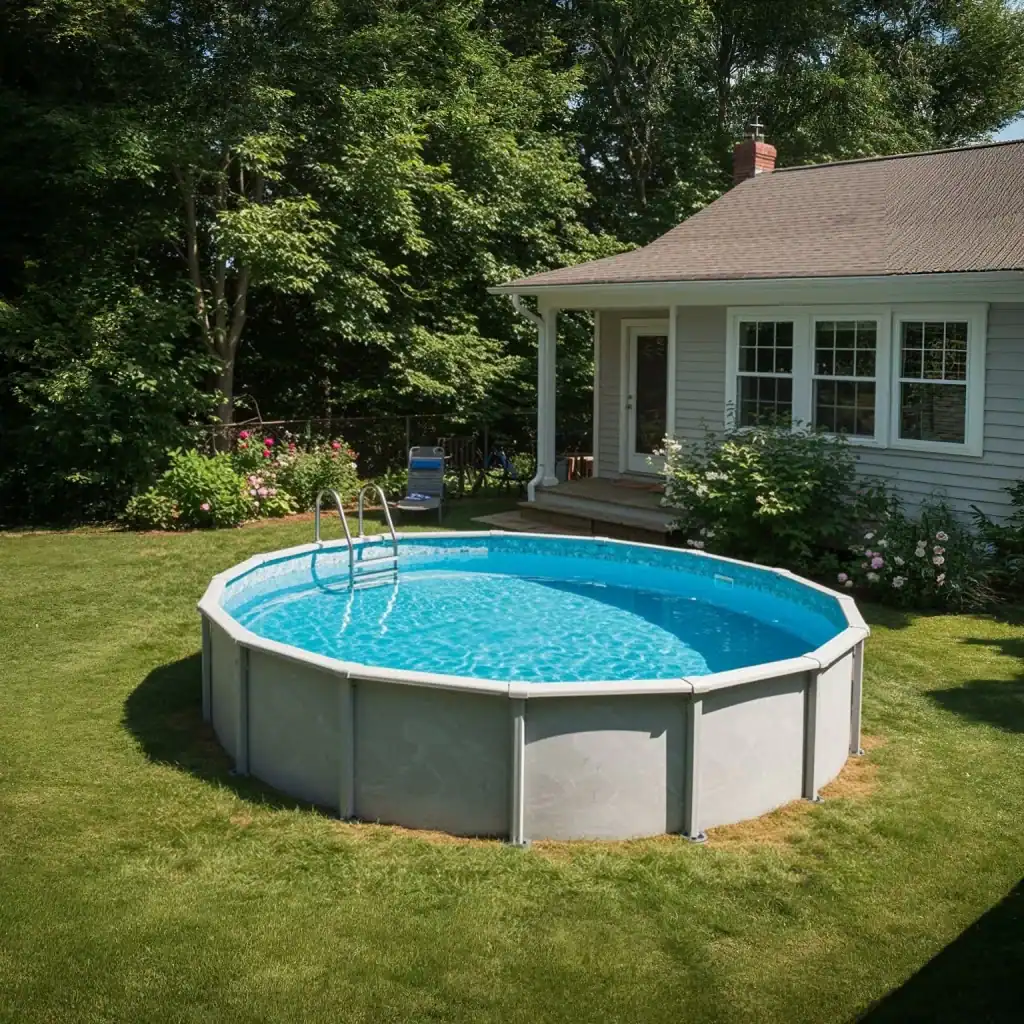
You’re tired of watching your kids beg to go to someone else’s pool. You want relief from Georgia’s brutal summers without tearing up your yard for three months or draining your savings account.
An above ground pool gets you there. Installation takes days instead of weeks. Your family is swimming while your neighbor’s in-ground project is still a mud pit.
But here’s what most people don’t realize until it’s too late: Georgia’s clay soil will destroy an improperly installed pool. The ground swells when it rains and contracts when it’s dry. Without proper grading and a solid base, you’re looking at structural problems within the first year.
You need someone who knows how to prep the site correctly. Someone who understands local permit requirements and can handle the inspection process. Someone who won’t leave you with a pool that looks great for six months and then starts causing problems.
We’ve been installing pools in South Georgia for years. We’re based in Douglas, right in your backyard, and we’ve seen every soil condition and permit requirement this area can throw at us.
We’re not a national chain sending different crews every time. You get the same team from consultation through installation. We handle the permit paperwork, prep your site properly for Georgia’s challenging soil, and make sure everything meets local safety codes.
Most of our business comes from referrals. That happens when you do the job right the first time and don’t disappear after installation. We’re here when you need maintenance advice or equipment servicing down the road.
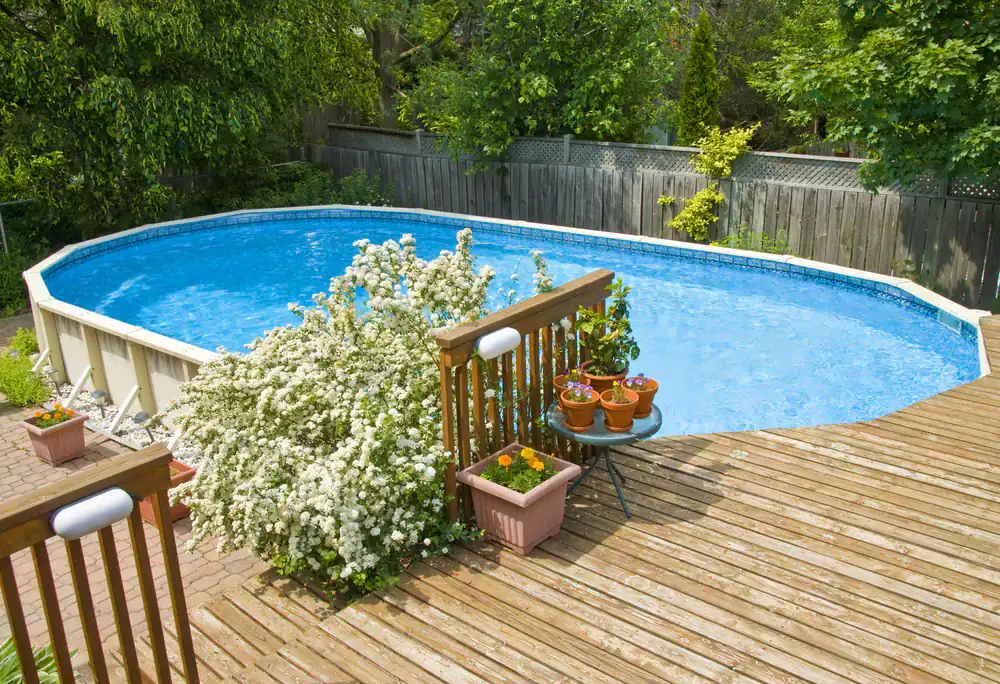
First, we come to your property and assess the site. We’re looking at grade, drainage, soil type, and any obstacles. We’ll tell you honestly if your chosen spot will work or if we need to adjust.
Next, we handle the permit application with your local municipality. Requirements vary by location, but we know what West Green and surrounding areas require. We make sure you’re compliant before we break ground.
Then comes site preparation. This is where most DIY installations and inexperienced installers fail. We level the ground properly, address drainage issues, and create a stable base that won’t shift with Georgia’s wet-dry cycles. For above ground pools holding up to 112,000 pounds of water, this step isn’t optional.
Installation happens once the site is ready. We set up your pool system, test all equipment, and walk you through operation and basic maintenance. You’ll know how to balance chemicals, clean filters, and spot potential issues before they become expensive problems.
Ready to get started?
You get a pool that’s installed to code. That means proper fencing if required, correct electrical setup, and compliance with local safety regulations. This matters when your insurance company asks questions or when you eventually sell your home.
You get site preparation that accounts for South Georgia’s soil conditions. We’re dealing with expansive clay that behaves differently than soil in other parts of the country. Proper compaction and base material prevent settling and structural issues.
You get help navigating the permit process. Most West Green homeowners need a permit before installation. We know what documentation your local building department requires and how to get through inspections without delays.
You get guidance on insurance requirements. Your standard homeowner’s policy probably doesn’t cover a pool. We can’t sell you insurance, but we can tell you what questions to ask your agent and what coverage you’ll likely need.
You also get ongoing support after installation. Questions about chemical balance, equipment troubleshooting, or winterization? We’re a phone call away. We service what we install.
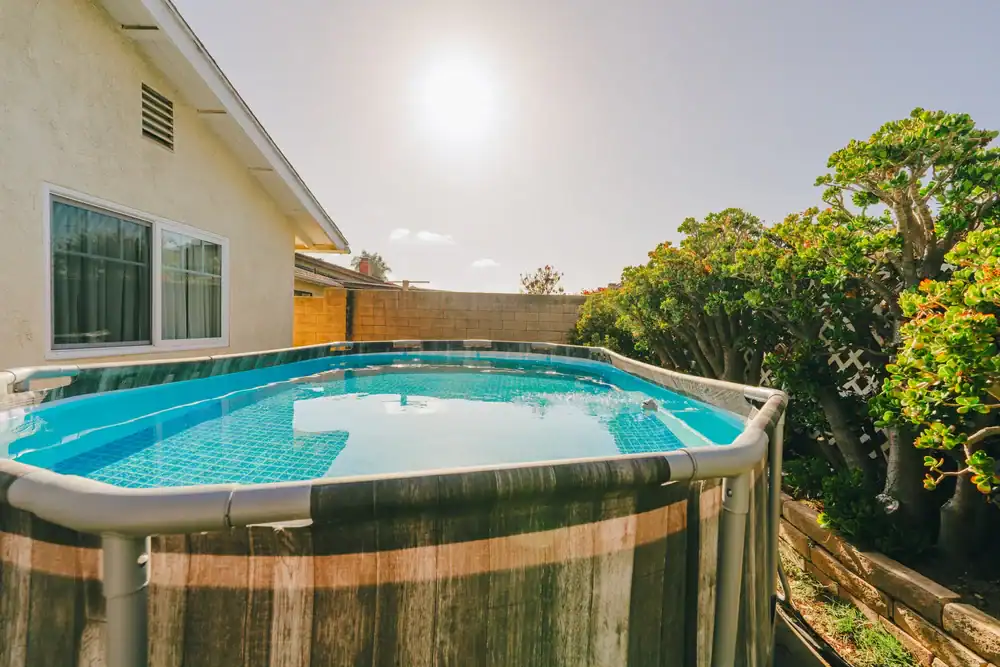
Most likely, yes. Georgia handles pool regulations at the local level, so requirements vary by municipality. In most areas around West Green, you’ll need a permit for any pool that holds more than a certain amount of water or exceeds a specific depth.
The permit process typically involves submitting a site plan, showing how you’ll meet setback requirements from property lines, and demonstrating compliance with safety codes. This usually includes fencing requirements for pools deeper than two feet.
We handle this process for you. We know what your local building department requires, we submit the paperwork, and we schedule inspections. The permit usually takes a few weeks to process, so we factor that into your installation timeline. Skipping the permit isn’t worth it—you’ll face fines and potentially have to remove the pool if code enforcement gets involved.
The physical installation takes two to three days once we start. But the full timeline from consultation to swimming depends on permit processing and site conditions.
If your yard is relatively level and drainage is good, site prep is straightforward. If we’re dealing with a slope or poor drainage, we might need an extra day or two to create a proper base. This isn’t us dragging our feet—it’s preventing your pool from developing problems six months down the road.
Permit processing adds time on the front end. Figure two to four weeks for most local municipalities to review and approve your application. We can’t control that timeline, but we can make sure your application is complete and correct so it doesn’t get kicked back for revisions. Once we have the permit and weather cooperates, you’re swimming within a week.
You can, technically. But most DIY installations fail at the site prep stage. You’re supporting up to 112,000 pounds of water on Georgia clay soil that expands and contracts with moisture. If the base isn’t properly compacted and level, you’ll see shifting, stress on the pool walls, and potential structural failure.
There’s also the permit and safety code issue. If you install without proper permits or don’t meet fencing and safety requirements, you’re liable if someone gets hurt. Your insurance won’t cover an unpermitted installation, and you could face fines from code enforcement.
The electrical work is another concern. Pool pumps and filtration systems need proper GFCI protection and correct wiring. Mistakes here aren’t just code violations—they’re safety hazards. Most homeowners don’t have the experience to handle site grading, permit applications, and electrical setup correctly. The money you save on installation often gets spent fixing problems later, plus you’ve lost a summer of swimming while you sort it out.
A properly installed pool handles Georgia weather without issues. The key is correct site drainage and a stable base that doesn’t wash out during heavy rain.
We grade your site so water flows away from the pool, not toward it or underneath it. If water pools under your pool base, you’ll get erosion and settling. That leads to an unlevel pool, stress on the walls, and potential collapse. We also make sure the area around your pool drains properly so you’re not standing in mud every time it rains.
The pool itself is designed to handle wind and rain. You’ll want to keep proper water levels—don’t drain your pool during storm season thinking you’re protecting it. The water weight actually stabilizes the structure. Your bigger concern is debris. Keep trees trimmed back and have a plan for quickly removing branches or leaves after storms. We’ll show you how to maintain your pool through Georgia’s weather patterns and what to watch for after severe weather.
Yes, and you need to address this before installation. Most standard homeowner’s policies don’t automatically cover pools, and some specifically exclude them. You’ll likely need to add pool coverage to your policy or purchase separate liability coverage.
Your insurance company will want to know about safety features. Fencing, ladder locks, and pool alarms can affect your rates and coverage options. Some insurers require specific safety measures before they’ll provide coverage. Call your agent before you buy a pool, not after we’ve installed it.
Liability coverage is the big concern. If someone gets hurt in your pool, you could be facing a lawsuit. Your insurance needs to cover that risk. Expect your premiums to increase—how much depends on your insurer, your coverage limits, and what safety features you have in place. We can tell you what safety features are common requirements, but you’ll need to have the coverage conversation with your insurance agent. Don’t skip this step. An uninsured pool is a massive financial risk.
Total cost depends on pool size, site conditions, and what features you want. You’re typically looking at $3,000 to $8,000 for the pool and professional installation combined. That includes the pool itself, site prep, installation labor, and basic equipment.
Site prep is the variable. A level yard with good drainage costs less to prepare than a sloped lot that needs significant grading work. If we need to bring in additional base material or address drainage issues, that adds to the cost. We’ll give you an exact quote after seeing your property.
Permits, fencing, and electrical work are additional. Permit fees vary by municipality but usually run a few hundred dollars. If you need fencing to meet code requirements, budget accordingly—that’s not included in pool installation costs. Same with any electrical work if you don’t have an appropriate outlet near the installation site. We give you a complete breakdown upfront so you know exactly what you’re spending and why. No surprises when the job’s done.