
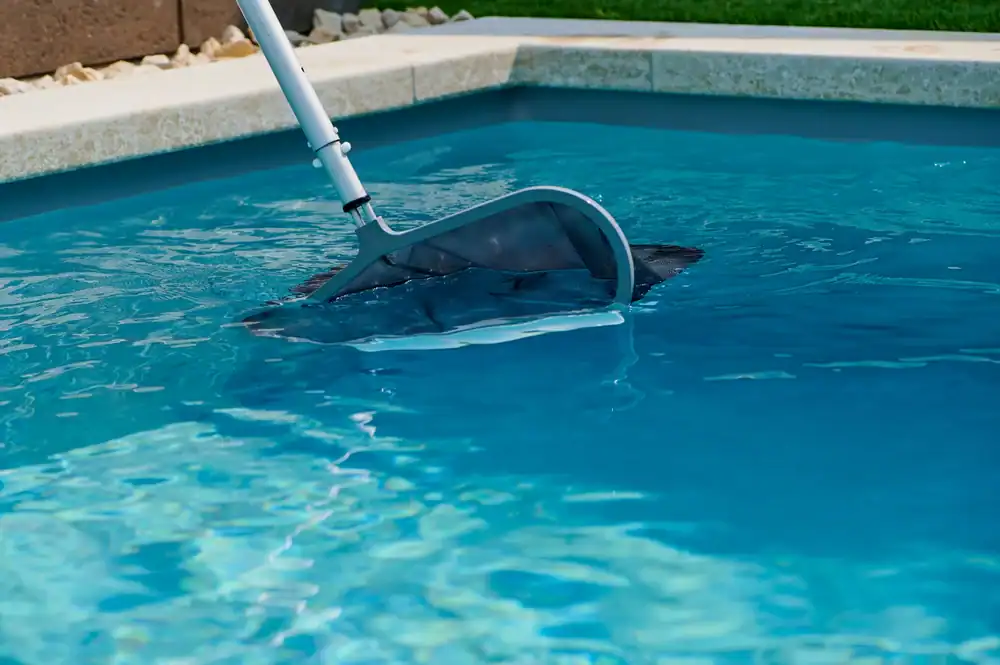
Hear from Our Customers
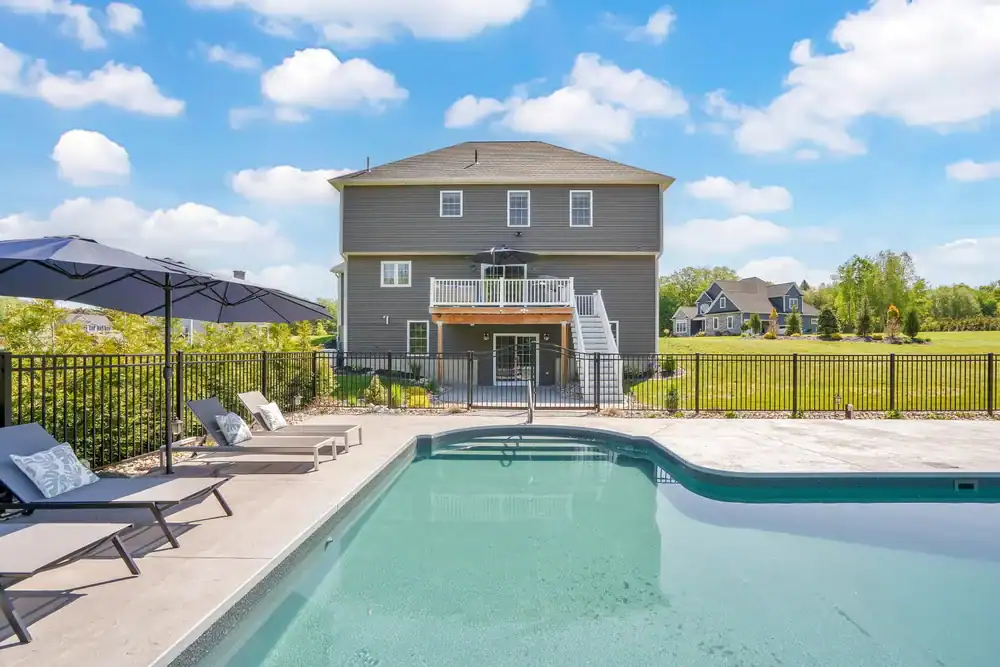
When your pool is being looked after the right way, you stop thinking about it. No green water on a Friday afternoon. No pump making a noise you’ve never heard before. No wondering whether the chemical balance is off because the water looks a little cloudy. You just use it and that’s how it should be.
For homeowners in and around Pavo, that peace of mind is harder to come by than it sounds. This area sits in one of the most demanding pool climates in the country. From late February through May, the timber and farmland surrounding the 31778 ZIP code drops pollen into your water at a rate that spikes phosphate levels fast and phosphate is what feeds algae. Without consistent attention to your water chemistry during those months, you’re not just looking at a green pool. You’re looking at a chemistry reset that costs more in chemicals and time than the maintenance would have.
Then there’s the season itself. Pavo pools run from roughly May through October, sometimes longer. That’s more total hours on your pump, more UV exposure on your liner, and more cumulative chemical demand than pools in cooler parts of the state ever deal with. Equipment that gets properly serviced lasts years longer than equipment that doesn’t. A pool heater installed and maintained correctly runs 8 to 12 years. One that isn’t? You’re replacing it in three to five. The math on regular maintenance isn’t complicated it’s just easier to see after you’ve skipped it.
We were built in Douglas, GA by someone who spent over three decades doing the hands-on work before putting a name on a company. Concrete, plumbing, custom construction our founder learned it all the hard way, which means we also learned what happens when it’s done wrong. That background shows up in how every service call is handled, not just the big builds.
Pavo sits on the Brooks and Thomas county line, which is one of the more unusual permitting situations in South Georgia your property might fall under one county’s building department or the other depending on exactly where you are on that line. We handle all of that coordination as a standard part of the job. You don’t have to figure out which county you’re dealing with. That’s already been figured out.
We’re a licensed, insured company with a physical location and a real track record in South Georgia’s specific climate and soil conditions. Not a franchise. Not a crew dispatched from a regional call center. A family-owned operation that knows Pavo and the surrounding area, and stands behind the work.
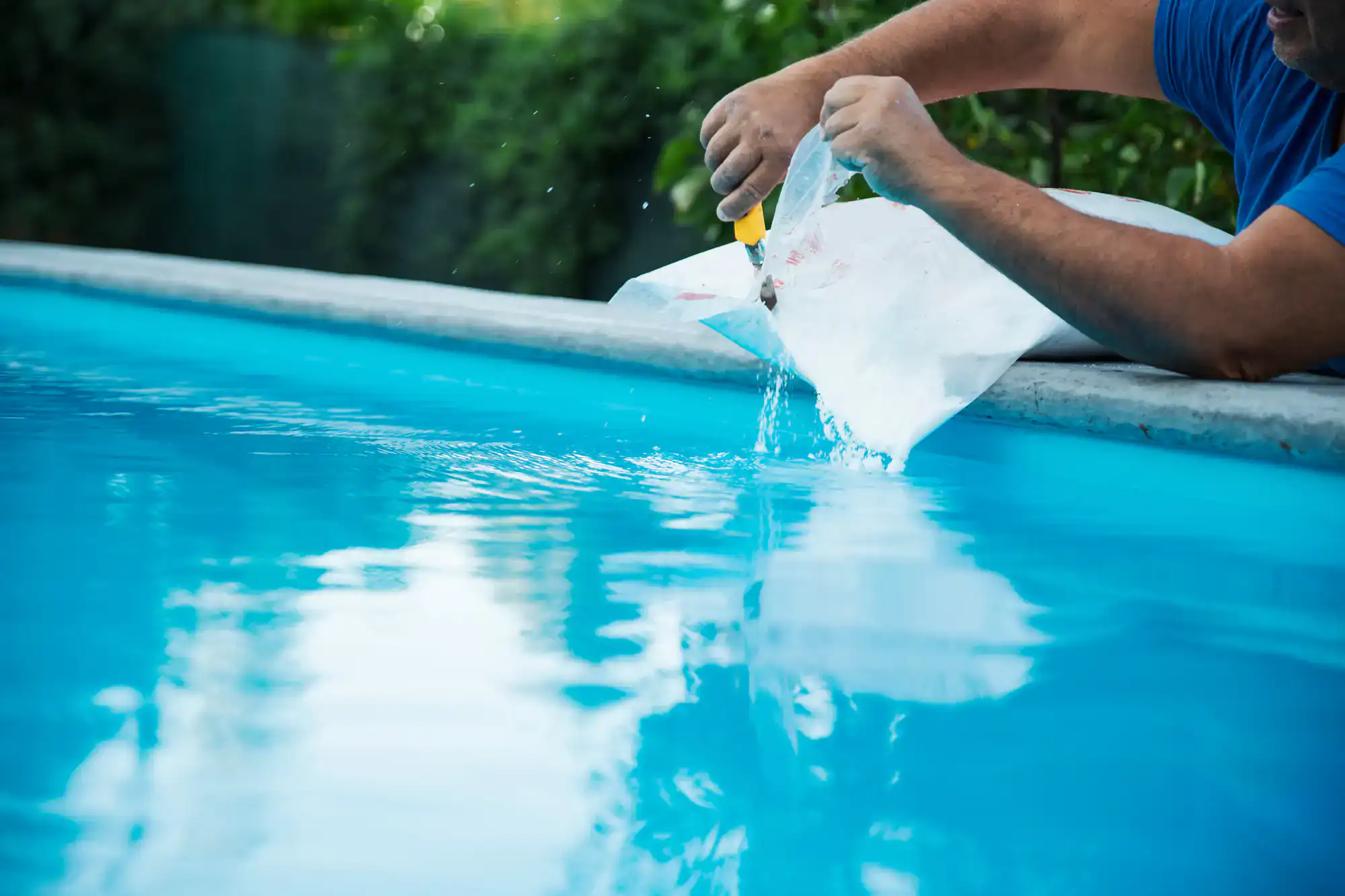
It starts with a real assessment of where your pool stands right now. Water chemistry, equipment condition, liner integrity, plumbing everything gets looked at before any work starts. That first look determines what your pool actually needs, not what’s easiest to sell you. If there’s a leak, a struggling pump, or a heater that’s working harder than it should, that gets identified here.
From there, the work follows a clear order. Immediate issues get addressed first anything that’s actively costing you water, chemistry, or equipment life. Ongoing maintenance gets scheduled on a consistent weekly basis so your pool stays in range instead of swinging between clean and problematic. If you’re in the 31778 ZIP code and your pool is surrounded by open farmland or timber, your maintenance schedule accounts for the heavier pollen and debris load that comes with that. A pool sitting on five acres outside Pavo is not the same job as a pool in a tight suburban backyard, and it’s not treated that way.
If your project involves construction or renovation a new inground build, liner replacement, heater installation permitting gets handled before any digging or installation begins. Because Pavo straddles the Brooks and Thomas county line, that step matters more here than in most places. We coordinate directly with the relevant county building departments so the project moves without administrative delays. When the work is done, you get a clear record of what was completed and what to watch going forward.
Ready to get started?
We cover the full range of what a pool in this area actually requires. Weekly pool maintenance includes water chemistry testing and balancing, equipment inspection, filter performance checks, and debris removal with a written record of what was found and what was done each visit. That documentation matters because it’s how small problems get caught before they become expensive ones.
Pool equipment repair covers pumps, motors, filters, heaters, plumbing, and electrical components. Because we build pools from the ground up, our technicians understand how every part of the system connects so when something fails, the diagnosis goes deeper than just swapping the obvious part. Leak detection uses professional methods to locate exactly where your pool is losing water, whether it’s a plumbing line, a fitting, or the shell itself. In a rural area like Pavo where many homes rely on well water, a slow leak isn’t just a chemistry problem it’s a real ongoing cost.
Pool liner replacement is measured and installed to fit correctly the first time. An improperly fitted liner wrinkles, tears early, and voids the manufacturer’s warranty and South Georgia’s long UV season accelerates every one of those failure points. Heater installation is done to manufacturer specifications with correct gas line sizing, proper electrical connections, and a full startup procedure. For Pavo homeowners who want to push their swimming season into April and November, a properly installed heater is what makes that possible without reliability issues down the road.

For most pools in the Pavo area, weekly maintenance is the right call and the South Georgia climate is a big reason why. The combination of high heat, high humidity, and a swimming season that runs from roughly May through October means your water chemistry is under constant pressure. Algae grows fast in warm, humid conditions, and if your pool sits near open land or timber like many properties do around Pavo, the pollen load from late winter through spring makes that chemistry even harder to hold without consistent attention.
Bi-weekly service might work for pools that see very light use, but in this climate, two weeks is usually enough time for water to drift out of range especially during the peak summer months. The cost of a chemistry reset, algae treatment, or filter cleaning that results from skipped service almost always exceeds the cost of the maintenance visits themselves. Weekly service isn’t just about keeping the water looking good. It’s about protecting the equipment and the liner from the accelerated wear that comes with running a pool hard in South Georgia heat.
The most common sign is water loss that goes beyond what evaporation explains. In South Georgia’s summer heat, evaporation is real you can lose an inch or so per week in peak conditions. But if your pool is consistently dropping more than that, especially if it’s losing water at a faster rate when the equipment is running versus when it’s off, a leak is the likely cause. Other signs include wet or soft ground around the pool equipment pad, unexplained increases in chemical demand, or a pump that’s pulling air and losing prime.
The important thing is not to wait. A slow leak in a pool near Pavo where many properties use well water is an ongoing cost that compounds quickly. Beyond the water itself, a leak that goes undetected long enough can erode the soil around the pool shell, damage surrounding structures, and cause equipment to run dry. Professional leak detection uses pressure testing and other diagnostic methods to locate exactly where the water is going, which is far more reliable than guessing or pouring dye and hoping. Once the location is confirmed, the repair is usually straightforward. The detection is the hard part, and it’s worth doing correctly.
Small tears and punctures in a vinyl liner can often be patched successfully, especially if the liner is still in reasonably good condition overall. The question is whether the liner is worth patching. If it’s faded, brittle, pulling away from the walls, or showing multiple problem areas, a patch is a short-term fix on a liner that’s already at the end of its useful life. In South Georgia, UV exposure is intense and the swimming season is long both of which accelerate liner aging. A liner that’s been running through seven or eight months of strong sun every year for a decade is going to show it.
The other thing to consider is fit. An old liner that’s shrunk or stretched over time won’t hold a patch the way a liner in good condition will. If you’re patching the same area repeatedly, or if the liner is visibly thin and discolored in multiple spots, replacement is the more cost-effective path. A properly measured and installed replacement liner one that fits the actual dimensions of your specific pool shell will last significantly longer than a liner that was installed imprecisely or that was a close-enough fit rather than an exact one. Getting the measurement right at the start is what determines how long the new liner holds up.
Yes and in Pavo specifically, the permitting situation is worth understanding before you start any project. Because the city sits directly on the Brooks and Thomas county line, which county’s building department you’re dealing with depends on exactly where your property is located. Some Pavo addresses fall under Brooks County jurisdiction, others under Thomas County, and the requirements between the two aren’t identical. Getting that wrong at the start of a project leads to failed inspections, project delays, and in some cases, work that has to be redone.
Georgia state law also requires a valid residential contractor license for pool work exceeding $2,500 so any company you hire should be able to provide that license number without hesitation. We handle all permitting coordination as a standard part of every construction or renovation project, including the boundary verification needed to confirm which county applies to your specific address. That step alone has saved Pavo homeowners from the kind of administrative headaches that can stall a project for weeks. If you’re planning a new build, a liner replacement that involves structural work, or any renovation that touches the pool shell or plumbing, permitting is part of the process not an afterthought.
For most Pavo homeowners, yes and the reason is the shoulder season. Pavo’s swimming season already runs longer than most of the country, but water temperatures in April and October can still be cool enough to limit comfortable use without a heater. A properly sized and installed heater extends that window meaningfully, which means more use out of an investment you’ve already made. If you have kids or grandkids who visit during spring break or fall weekends, that extended season matters in a practical way.
The key word is properly installed. A pool heater that’s undersized for the volume of your pool, connected to an incorrectly sized gas line, or started up without the right procedure is going to work harder than it should and fail sooner than it should. A correctly installed heater runs 8 to 12 years. One that wasn’t done right is often replaced in three to five. We size heaters to the actual volume and surface area of your pool, coordinate gas line requirements, handle the electrical connections, and run a full startup procedure before considering the job complete. For a Pavo pool that already runs most of the year, adding a few months on each end is a reasonable return on a one-time installation.
A few things work against pool owners in this part of South Georgia that don’t apply everywhere. The biggest one most people don’t expect is pollen. The 31778 ZIP code is surrounded by timber and active farmland, and from late February through May, the pollen load that settles into an outdoor pool here is significantly heavier than what urban or suburban pools deal with. Pollen introduces phosphates into the water, and phosphates are the primary food source for algae. When phosphate levels climb, algae pressure climbs with it and the usual chemical balancing routine stops being enough on its own.
Beyond pollen season, the sheer length of the swimming season creates cumulative chemistry challenges. More swim hours means more body oils, sunscreen, and organic material entering the water. More heat means faster chlorine consumption. More summer thunderstorms which are a regular feature of South Georgia afternoons dilute your chemistry and introduce debris and runoff. Maintaining balanced water in Pavo isn’t just about adding chemicals on a schedule. It requires actual water testing to see what’s happening in your specific pool on any given week, and adjusting based on what the numbers show rather than what a generic checklist says. That’s what weekly professional maintenance provides real data on your pool’s chemistry, not a best guess.