
Hear from Our Customers
Norman Park sits in the heart of Colquitt County, where the same agricultural soils that farmers manage every season exist right under your backyard. Those soils expand when it rains and contract when it dries out a cycle that repeats every year. That’s actually the main reason some builders in this area steer homeowners away from gunite. But the cracking problem they’re describing isn’t a gunite problem. It’s a builder problem. A pool engineered with the right rebar density, proper wall thickness, and adequate curing time for South Georgia soil doesn’t crack from normal ground movement. The material isn’t the issue the construction is.
What you get from a properly built gunite pool in Norman Park is a structure that holds its shape for decades, can be designed in any configuration you want, and won’t limit your options the way a prefabricated shell does. You’re not picking from a catalog. You’re building something specific to your yard, your family, and how you actually want to use it.
And in a climate where temperatures push into the 90s from June through September, you’ll use it. Norman Park’s swimming season runs roughly April through October close to seven months of real, daily use. That changes the math on what a pool is worth. It’s not a luxury item you look at on weekends. It becomes part of how your family lives from spring through fall.
We’re based in Douglas, GA about 50 miles east of Norman Park on SR 37. That’s not a long-distance relationship. It’s the same kind of regional drive that Norman Park residents make regularly for work, medical care, and everything in between. More importantly, it means the same soil conditions, the same climate, and the same permitting culture you’re dealing with in Colquitt County are conditions we’ve been working in for decades.
Deep Waters Pools was founded in 2014, but the people behind it brought over 30 years of hands-on experience in concrete, plumbing, and pool construction before we existed as a name. That experience wasn’t built in Atlanta or North Georgia it was built in South Georgia, on ground like yours, for families like yours.
We’re family-owned, and every phase of every build is handled by our own crew no subcontractors, no handoffs, no accountability gaps. When you sign a contract with us, the same team that pours the shell is the same team that handles the plumbing, the electrical, the deck, and every required inspection along the way.
It starts with a site evaluation. Before anything is designed or priced, we look at your specific property the grade, the soil, the drainage, the space you’re working with. In Colquitt County, that evaluation matters more than it might in other areas because the soil profile here directly affects how the pool needs to be engineered. This isn’t a step that gets skipped.
From there, you’ll see your pool in 3D before a single shovel touches the ground. Custom gunite construction means the shape, depth, and layout are yours to define and seeing it rendered before excavation begins is how you make a confident decision on a six-figure investment. Once the design is locked, we pull every permit required building permit, electrical permit, every inspection the City of Norman Park requires. You don’t fill out a form or schedule an inspector. That’s handled.
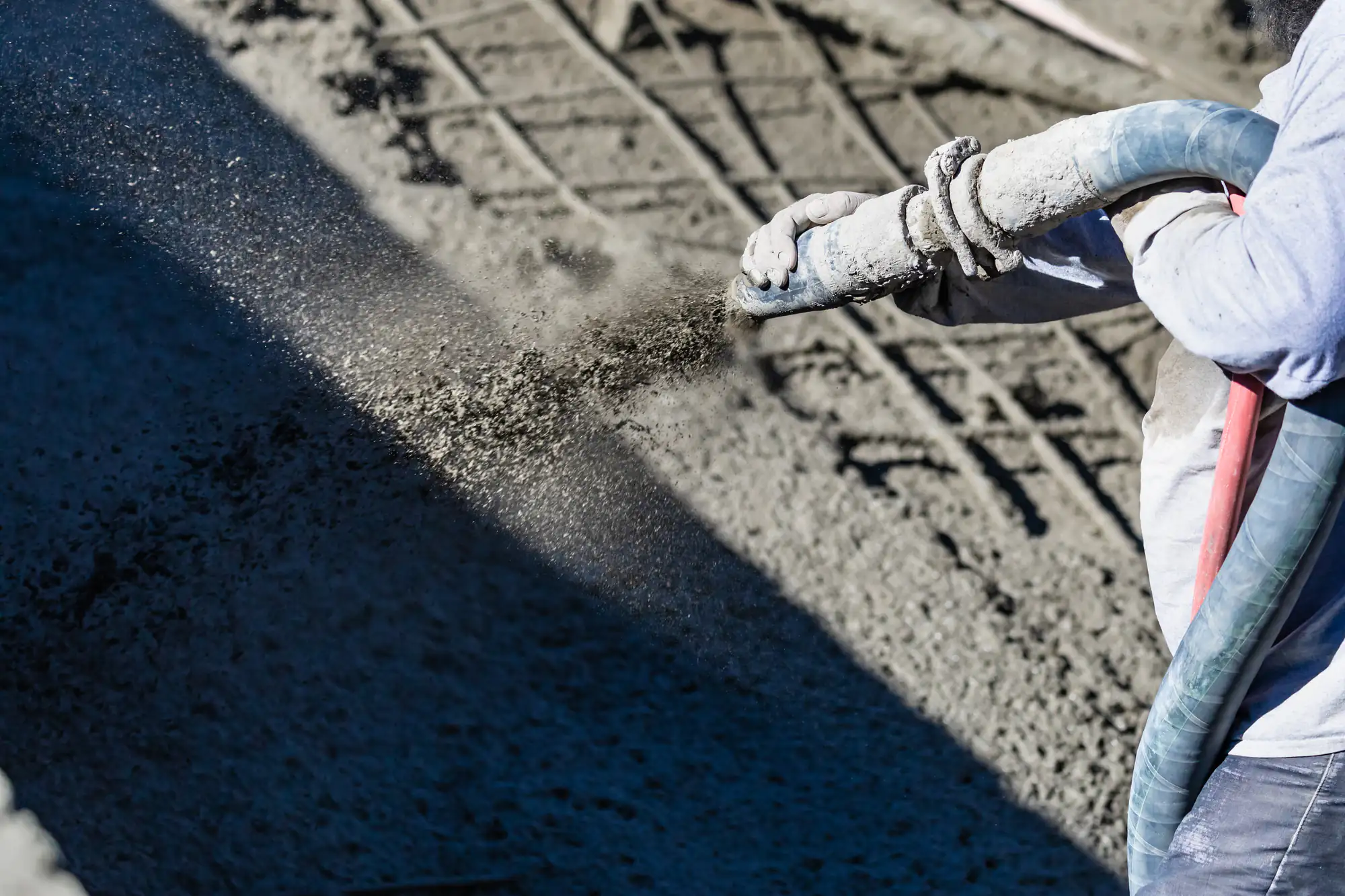
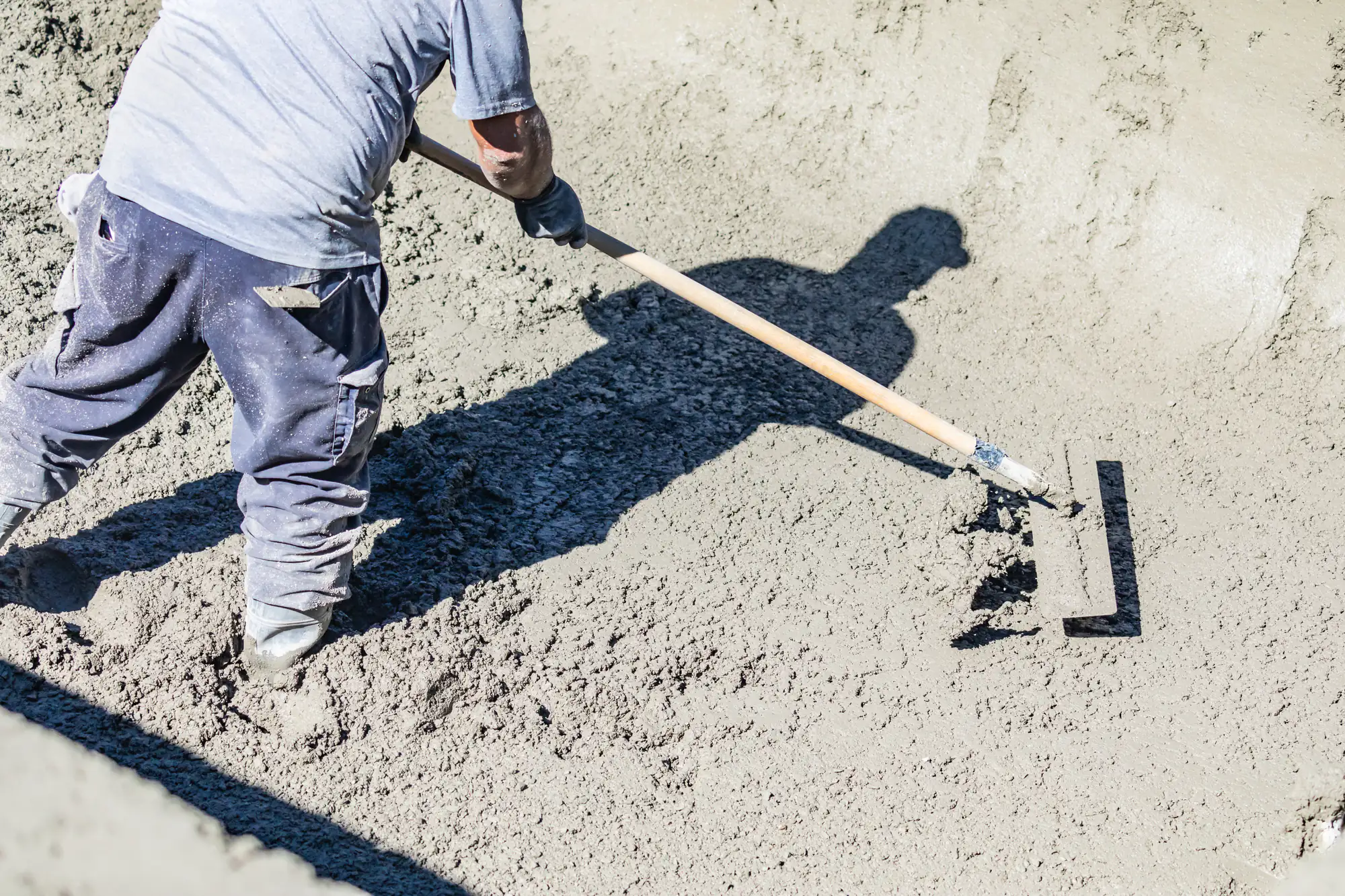
Construction moves through excavation, rebar installation, gunite application, plumbing, electrical bonding and grounding, equipment installation, and deck construction all by our in-house crew. After the shell is applied, proper curing time is non-negotiable. Rushing that step is one of the main reasons pools develop problems down the road, and it’s not something we cut corners on. When the pool is done, it’s done right inspected, permitted, and ready for the water.
Ready to get started?
A Deep Waters Pools gunite pool build covers the full scope site evaluation, 3D design renderings, excavation, rebar and gunite shell, all plumbing, electrical bonding and grounding to NEC Article 680, equipment installation, and deck construction. Custom spa construction is available as part of the same build. There are no phases that get subcontracted out. Every part of the job belongs to our team.
For Norman Park homeowners specifically, the electrical compliance piece matters. NEC Article 680 governs the bonding and grounding requirements for swimming pools it’s a federal standard that not every builder in South Georgia meets or even references by name. We cite it explicitly because it’s part of every build we do, not an optional add-on. In a town where everyone knows their neighbors and word travels fast, a pool that was built to code is the only kind worth building.
Beyond new construction, we also handle pool maintenance, equipment service and repair for all major brands Hayward, Pentair, Jandy, Sta-Rite, and Zodiac pool restoration, and custom safety covers. That means the company that builds your pool can also maintain it for the life of it. For a Norman Park homeowner in a community with limited local pool service options, that continuity is worth more than it might seem on paper.
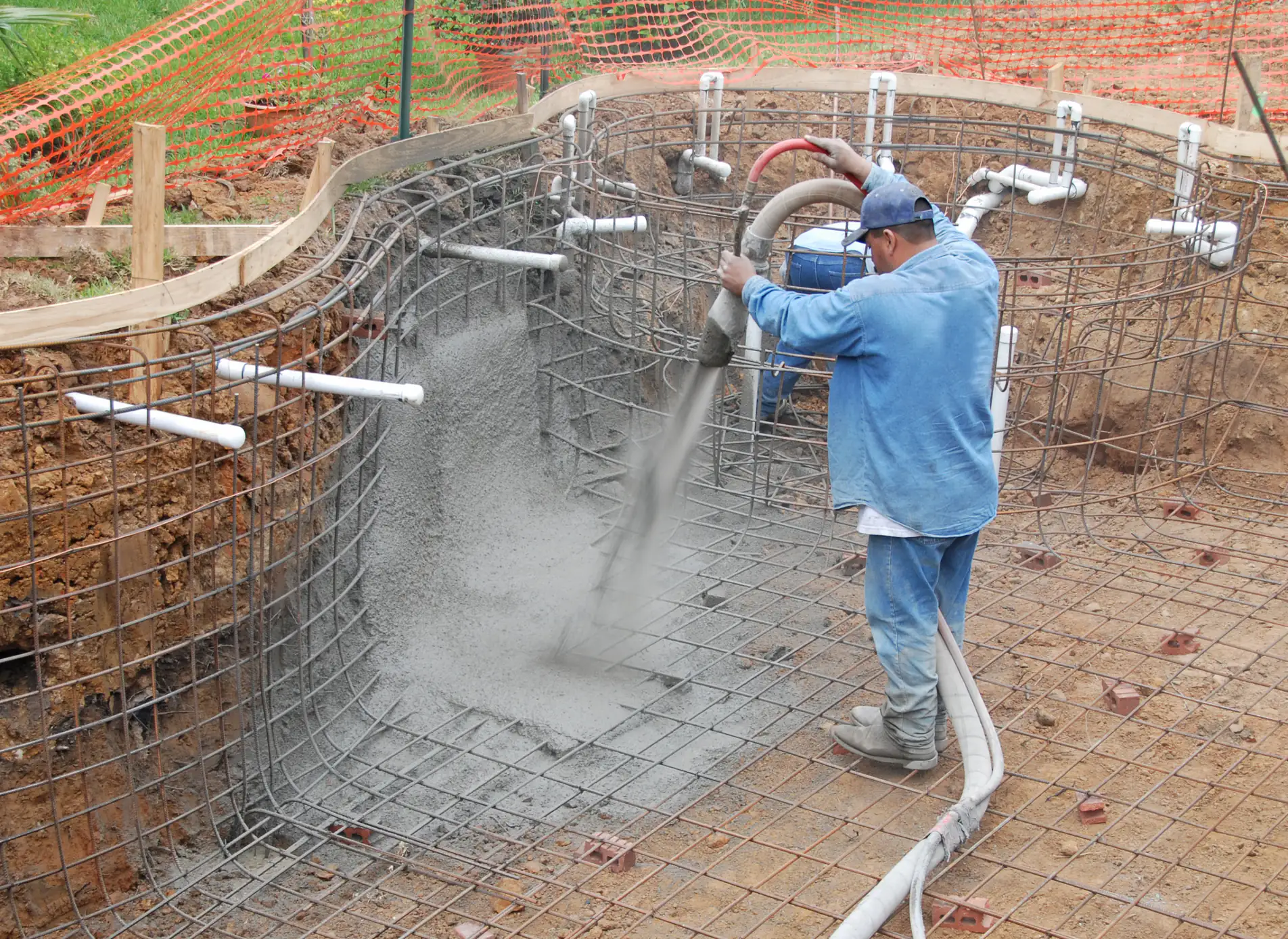
This is the most common concern homeowners in Colquitt County bring up, and it’s worth addressing directly. Gunite pools can crack but when they do, it’s almost always a construction issue, not a material issue. The soils in Norman Park and the surrounding Colquitt County area are moisture-sensitive agricultural soils that expand and contract with rainfall and drought cycles. A pool that wasn’t engineered for that movement thin walls, insufficient rebar, rushed curing will eventually show it.
A pool built with the right rebar density, adequate wall and floor thickness, a properly constructed bond beam, and full curing time is not vulnerable to normal South Georgia ground movement. The engineering accounts for the soil. That’s the difference between a builder who understands this region and one who doesn’t. If you’ve heard that gunite pools don’t belong in South Georgia soil, what you actually heard is that poorly built gunite pools don’t hold up and that’s true of any material when the construction is wrong.
For most residential gunite pool projects in Georgia, you’re looking at a range of $75,000 to $150,000 depending on size, shape, depth, features, and site conditions. The national average lands around $100,000. Custom spas, water features, specialty decking, or complex site work will push the number higher. A straightforward build on a flat lot with a standard design will typically come in toward the lower end of that range.
For Norman Park homeowners, it’s worth understanding what drives cost before you get a bid. Soil conditions on your specific lot, the distance from the street for equipment access, and local permit fees through the City of Norman Park all factor in. Annual maintenance runs roughly $2,700 to $4,000 per year. On the other side of the ledger, Georgia real estate data consistently shows pool completion increases property value by approximately 7%. And with nearly seven months of usable swimming season in South Georgia, the return on a well-built pool is stronger here than in most of the country.
A properly built gunite pool needs resurfacing every 10 to 15 years. You may have seen shorter timelines cited 3 to 7 years and that number is real, but it reflects what happens when a pool is built with inferior materials, applied too thin, or cured too quickly. It’s not what happens with a quality build.
The difference matters a lot when you’re doing the math on long-term costs. Over a 30-year pool lifespan, the gap between a 3-year resurfacing cycle and a 12-year cycle is a significant amount of money. The upfront investment in a properly constructed shell isn’t just about aesthetics it’s about what you spend (or don’t spend) over the next three decades. Asking a builder directly about their shell thickness, rebar spacing, and curing time before you sign anything is a reasonable and smart question. Any experienced builder should be able to answer it without hesitation.
We handle every permit building permit, electrical permit, and every required inspection in every jurisdiction we serve, including Norman Park. You don’t fill out paperwork, visit city hall, or schedule an inspector. That’s part of the job.
Norman Park is an active incorporated city with its own local government and its own permitting authority, separate from unincorporated Colquitt County. City hall operates Monday through Friday, and the council meets the second Tuesday of each month. A builder who isn’t familiar with local municipal permitting processes or one who asks the homeowner to pull their own permit is either not properly licensed to do so or is trying to avoid accountability for the work. Either way, it’s a red flag. Unpermitted pools in Georgia create real legal and financial liability: fines, potential forced removal, and complications when you go to sell the property. Getting it done right from the start is the only approach that makes sense.
Fall and winter October through February is the optimal window to start a gunite pool build in Norman Park. Permit queues are shorter, construction crews have more availability, and a pool that breaks ground in the fall is typically ready before the following summer swimming season begins in April. Starting in spring or early summer, when everyone else is calling, means longer wait times and a pool that might not be finished until midsummer or later.
South Georgia’s mild winters also make off-season construction more practical here than in northern markets where frozen ground creates real delays. There’s no reason to wait until March to start the process. If you want to be in the water by Memorial Day, the conversation should start in the fall design, permitting, and scheduling all take time, and the builders who are in demand get booked early. Getting ahead of the season is the move that experienced pool owners consistently say they wish they’d made sooner.
It depends on what you’re building and what you value, but for homeowners in Norman Park and Colquitt County who want a custom shape, a specific depth configuration, or a pool that fits an irregular yard, gunite is the only material that gives you full design flexibility. Fiberglass pools come in prefabricated shapes you pick from what’s available. Gunite pools are built in place, which means the design is yours from the start.
The fiberglass argument you’ll hear most in this market focuses on lower maintenance and no replastering. That’s a fair point if you’re comparing a quality fiberglass pool to a poorly built gunite pool. But a well-engineered gunite pool with a 10-to-15-year resurfacing cycle and a structure built for South Georgia soil is a different comparison entirely. Gunite also accounts for roughly 65% of the U.S. pool construction market and has been the standard for custom residential pools since the 1940s not because builders push it, but because when it’s built right, it holds up. The question worth asking isn’t which material is better in theory. It’s which builder knows how to build it correctly for the ground it’s going into.