
Hear from Our Customers
From late March through October sometimes longer Phillipsburg delivers the kind of heat that makes a backyard pool less of a luxury and more of a practical decision. That’s six to seven months of real use, and a properly built concrete pool makes every one of those months count. When the build is done right, you’re not managing a maintenance headache. You’re actually using it.
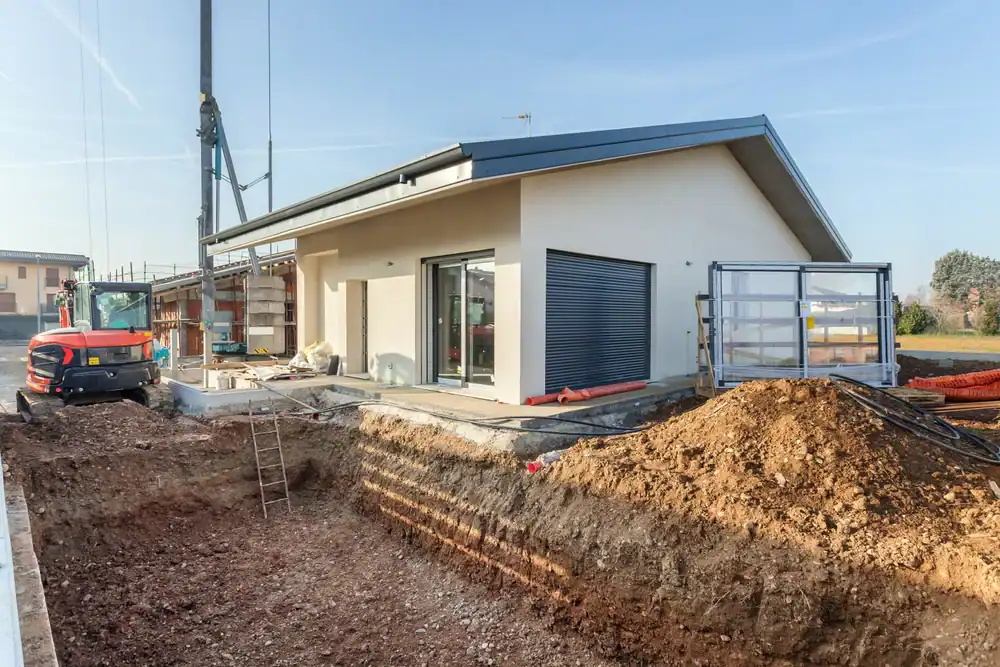
What most people don’t think about until it’s too late is what’s happening under the ground. Phillipsburg sits on Tifton series soil Georgia’s official state soil a sandy Coastal Plain profile that behaves very differently from the red clay up north. Add in the drainage stress this neighborhood has documented enough to warrant a state infrastructure grant in early 2026, and it becomes clear: the engineering decisions made before excavation starts are what determine whether your pool holds its ground for fifty years or starts showing problems after the first wet summer.
A pool built with those local conditions in mind doesn’t just look good on day one. It stays structurally sound, holds its water, and doesn’t shift under hydrostatic pressure when South Georgia delivers a heavy rain season. That’s the difference between a pool that performs and one that costs you money years down the road.
We founded Deep Waters Pools in 2014 after spending more than three decades doing the actual work concrete, plumbing, pool construction before we ever put a business name on it. That’s not a marketing angle. It means every problem your project might run into has already been solved on a different job, years ago.
We’re based in Douglas, Georgia, in Coffee County the same Wiregrass region as Phillipsburg and Tift County. This isn’t an out-of-market franchise sending someone from Atlanta. We’re a South Georgia operation that knows the soil, knows the county permitting offices, and has been building in this region long enough to understand what the climate actually does to a pool over time.
When you call us, you’re talking to people who know the difference between Tift County’s unincorporated permitting process and the City of Tifton’s building division because Phillipsburg sits outside city limits, and that distinction matters from the first permit application to the final inspection. We’ve navigated this process enough times to keep your project moving instead of stalled in a queue somewhere.
It starts with a conversation about your yard, your family, and what you actually want out of the space. We build a 3D design rendering specific to your property not a catalog template so you can see exactly what the finished pool will look like before anything is dug. If something doesn’t feel right, you change it now, not after the concrete is poured.
Once the design is locked in, we handle the full permit process through Tift County’s Community Development Services. Because Phillipsburg is unincorporated, that means coordinating zoning approval, Environmental Health review, and every construction-phase inspection through the county not the City of Tifton. Most homeowners don’t know that distinction going in, and it’s the kind of thing that stalls projects when a builder isn’t familiar with how Tift County actually operates. We’ve done this before and keep the process moving.
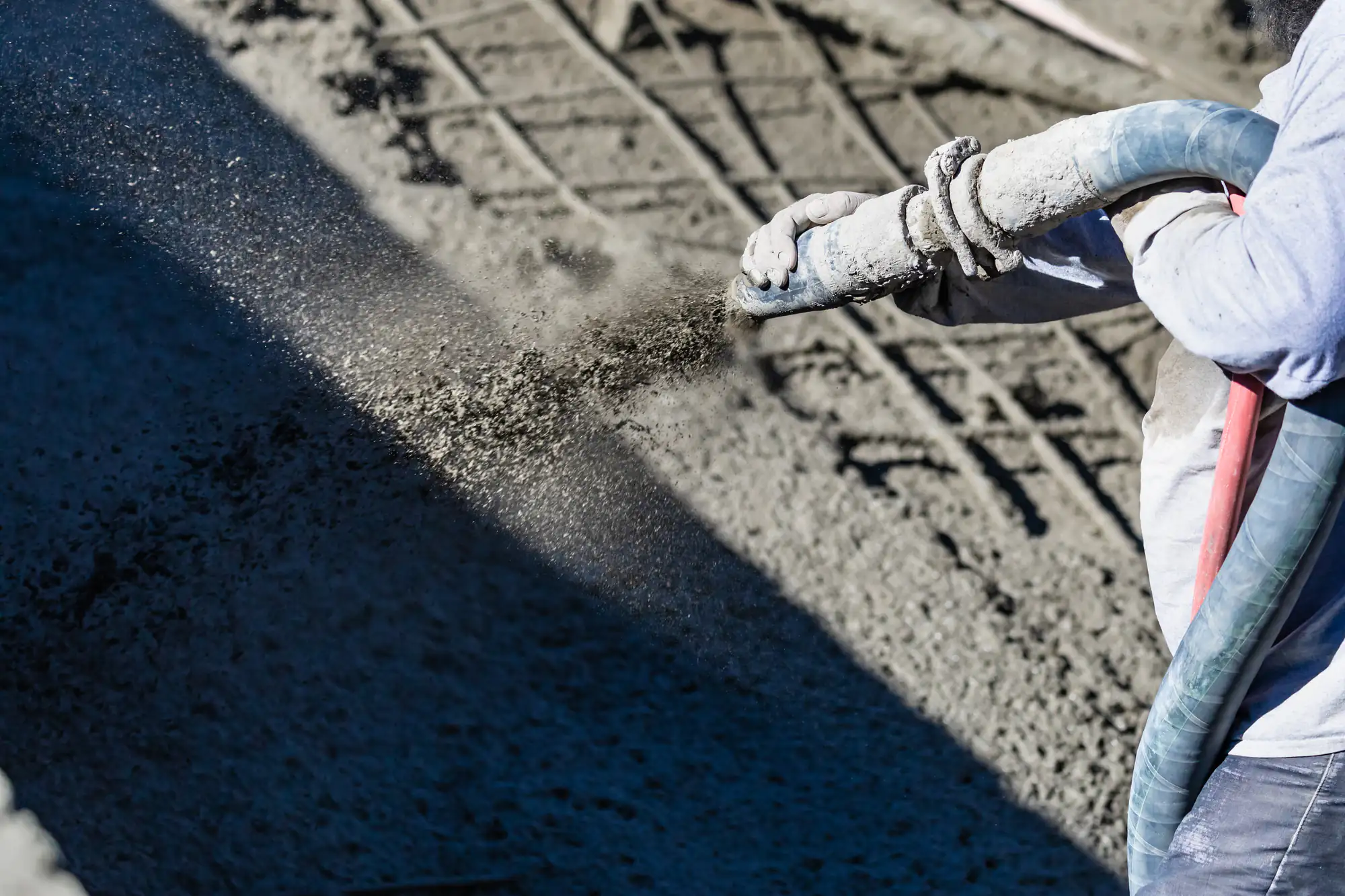
Excavation, structural reinforcement, plumbing, and concrete work are all completed by the same experienced crew not handed off to subcontractors at each phase. Every pool includes a custom-fitted safety cover as a standard part of the build, not an add-on negotiated at the end. When the final inspection clears, you’re not waiting on a checklist item someone forgot. You’re ready to swim.
Ready to get started?
Every pool we build is concrete not fiberglass, not vinyl liner. That’s a deliberate choice, especially in a community like Phillipsburg where water table fluctuations and drainage stress are real factors. Fiberglass shells can pop under hydrostatic pressure during high-water events. Vinyl liners need replacement every seven to ten years. A properly engineered concrete pool becomes a permanent part of your property reinforced, anchored, and built to handle what South Georgia delivers season after season.
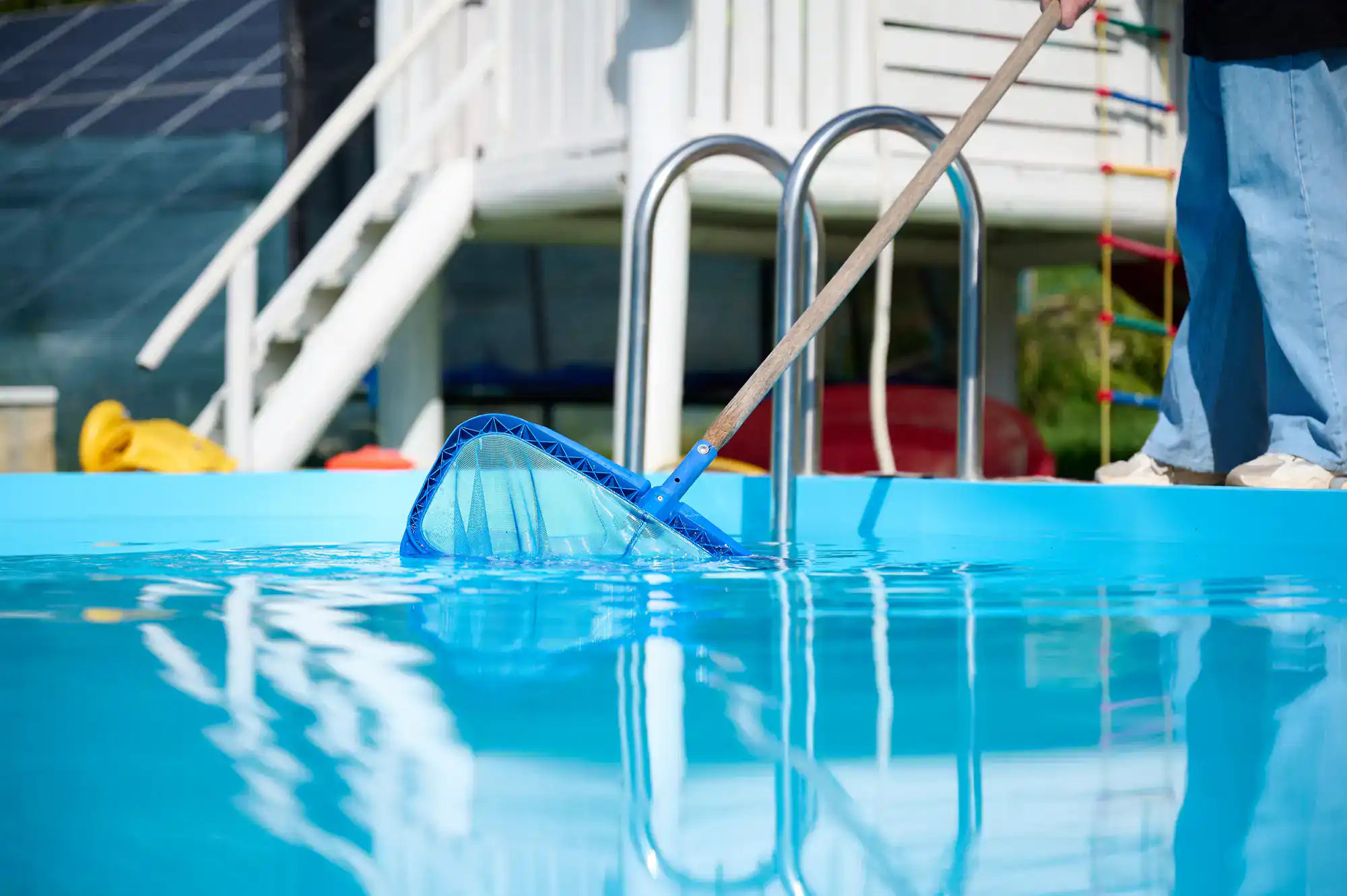
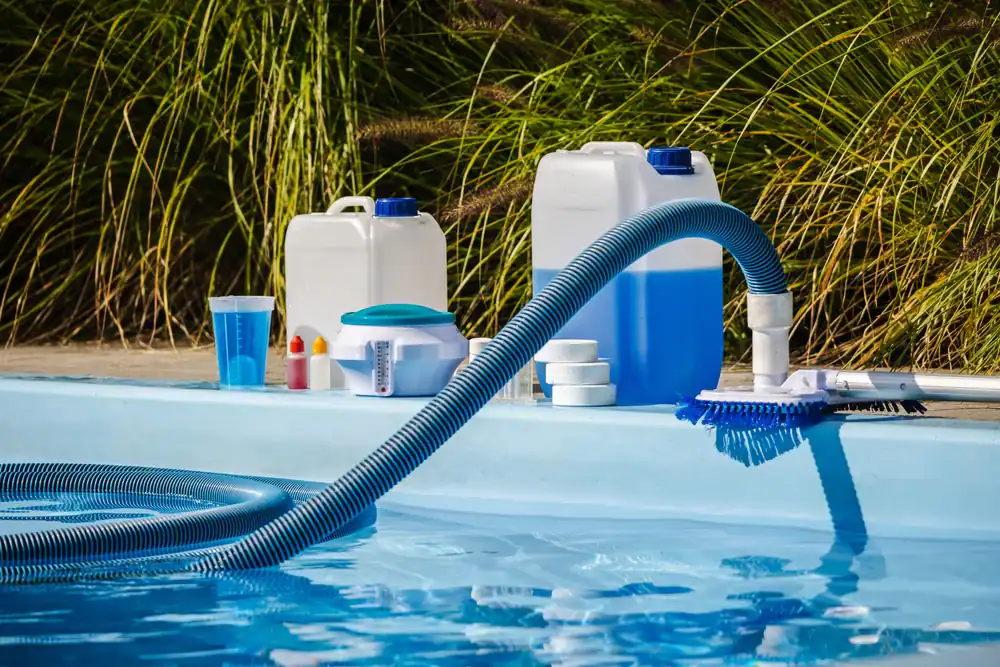
The full build includes custom 3D design, complete Tift County permit coordination, excavation, structural framework, plumbing, concrete construction, and a custom-fitted safety cover included as standard. Spa construction and patio design are available as part of the same project if you want to build out the full backyard space at once. We also offer weekly maintenance plans after the build, so your water stays balanced and your equipment stays protected without consuming your weekends.
If you’re in Phillipsburg or near Tifton and considering a pool, the conversation about what your yard can actually support drainage, setbacks, soil depth, sun exposure is one we have every day. Our goal isn’t to sell you the most expensive version of a pool. It’s to build the right one for your property, your budget, and the way your family is going to use it.
Yes and because Phillipsburg is an unincorporated community, your permits go through Tift County, not the City of Tifton. That’s an important distinction that catches a lot of homeowners off guard. The process involves zoning approval through Tift County Development Support Services, an Environmental Health site evaluation, and multiple construction-phase inspections before the project can reach final sign-off.
We handle all of that coordination on your behalf from the initial zoning application through every inspection milestone. You won’t need to figure out which county office handles what or why your project is sitting in a queue somewhere. The permit process is built into how we operate, not treated as your problem to solve.
Phillipsburg sits on the Tifton soil series Georgia’s official state soil a fine-loamy, sandy-surfaced Coastal Plain profile that transitions to heavier sandy clay loam at depth. It behaves very differently from the red clay soils of North Georgia, and it comes with its own set of engineering considerations. The sandy upper layers excavate relatively easily, but the transition zone and the area’s documented drainage stress mean water management has to be planned carefully before the first shovel moves.
Phillipsburg’s flooding history significant enough that Tift County accepted a state disaster recovery grant in early 2026 specifically to address the neighborhood’s water systems and drainage makes hydrostatic pressure management a real engineering priority here, not a theoretical one. A concrete pool built without that local context in mind is a pool that may shift, crack, or fail under pressure during a heavy rain season. We engineer every build with the specific soil and drainage profile of this area factored in from the start.
In Georgia, a custom concrete inground pool typically starts around $70,000 and can exceed $200,000 for highly customized builds with spas, water features, and full patio work. The national average for inground pools runs $50,000 to $120,000, but concrete construction in the South Georgia market with proper engineering for Coastal Plain soil conditions sits closer to the higher end of that range for a well-built, long-lasting result.
The more useful question isn’t just what the pool costs it’s what it costs to build it wrong. A pool that wasn’t engineered for local drainage conditions, or that was permitted incorrectly through the wrong county office, or that used a contractor who cut corners on structural reinforcement, can generate repair costs that exceed the original savings many times over. We operate on transparent pricing with clear timelines, so the number you’re quoted reflects the actual cost of the project not a starting point that grows through change orders.
If you want to be swimming by Memorial Day, the time to start the conversation is late fall or early winter ideally between November and February. Pool construction demand in South Georgia peaks in late winter and early spring as families start planning for summer, and builders with strong local relationships and efficient permitting processes book out months in advance during that window.
In Tift County specifically, the permitting process through Community Development Services and Environmental Health adds time to the front end of the project that buyers often underestimate. Starting the design and permit process in January or February gives the project enough runway to clear all inspections and complete construction before the heat arrives. Phillipsburg’s pool season runs from roughly late March through October sometimes longer with a heated pool or spa so the earlier you start planning, the more of that season you actually get to use.
Nationally, inground pools increase home value by roughly five to seven percent on average. In South Georgia’s climate, that number is supported by a practical reality that doesn’t apply everywhere: a pool in Phillipsburg is a usable amenity for six to seven months of the year, not a seasonal novelty that sits covered for most of the calendar. Buyers in Tift County understand that, and a well-built, well-maintained concrete pool reflects that value when a home goes to market.
Phillipsburg is also in the early stages of infrastructure investment Tift County’s 2026 OneGeorgia grant for street improvements, water system upgrades, and flooding mitigation signals a neighborhood where property values have room to grow. Homeowners who invest in their properties now, including adding a permanent inground pool, are positioning themselves ahead of that trend rather than reacting to it after values have already moved.
Fiberglass pools are sold heavily on speed and low chemical cost, and those points are real but they come with a tradeoff that matters specifically in an area like Phillipsburg. Fiberglass shells are prefabricated and installed as a single unit, which means they’re vulnerable to hydrostatic pressure. When the water table rises during the kind of heavy rainfall events this neighborhood has experienced enough to prompt a county-level disaster recovery grant a fiberglass shell can literally pop out of the ground if the pool is drained or the pressure relief system fails.
Concrete pools don’t have that problem. A properly engineered concrete pool is a reinforced, permanent structure that becomes part of the ground it’s built in. It gets stronger over time, it can be built in any shape or depth your yard allows, and it holds its position under the drainage conditions that South Georgia delivers. Vinyl liner pools are a third option, but they require liner replacement every seven to ten years, adding recurring cost and maintenance that most homeowners don’t fully account for upfront. For a long-term investment in a community like Phillipsburg, concrete is the material that performs.
Other Services we provide in Phillipsburg