
Hear from Our Customers
Coffee County summers are long and they are not gentle. From May through September, the heat and humidity in this part of South Georgia make your backyard nearly unusable without somewhere to cool off. An inground pool changes that completely and because the warm season here stretches from April through October, you are looking at six or seven months of real use every year, not a few weeks.
For families in Wilsonville, that kind of return matters. Properties in this area tend to sit on larger lots with room to build something that genuinely fits the space. A custom concrete pool, designed specifically for your yard, adds real value to that property both in daily quality of life and in what the home is worth when it comes time to sell. Inground pools add an average of five to seven percent to home value nationally, and in Georgia’s warm-climate markets, that number tends to run higher.
What you will not get with a concrete pool is the slow degradation that comes with other materials. No liner replacements every seven to ten years. No shell that shifts when the water table rises after a heavy rain. Just a structure that holds up decade after decade, in the same ground it was built in.
We founded Deep Waters Pools in 2014, but the experience behind it goes back more than thirty years. Our founders spent decades in concrete, plumbing, and pool construction across Southeast Georgia including right here in Coffee County before opening the company. We started this business because we watched too many local families in the Douglas area and surrounding communities like Wilsonville get taken advantage of by contractors who low-balled to win the job and disappeared when things got complicated.
That is still the reason we operate the way we do. Transparent pricing, honest timelines, complete permit handling, and a concrete-only approach that is built around what actually holds up in Coffee County’s Coastal Plain soil not what is easiest to install or cheapest to deliver.
When you call us, you are calling a company based out of Douglas, the same county seat that Wilsonville residents use for everything from county permits to healthcare. We know this ground. We have built in it.
It starts with design. Before anything is dug, you will see a 3D rendering of your pool placed in your actual backyard. For properties in the Wilsonville area, where lots tend to run larger and the layout options are real, this step matters it locks in the shape, depth, features, and deck layout before a single decision becomes permanent.
Once the design is confirmed, we handle the permit process through Coffee County Code Enforcement in Douglas. That means the site plan, the application, the inspections all of it. You will not be making calls to county offices or tracking down paperwork. That part is handled by us.
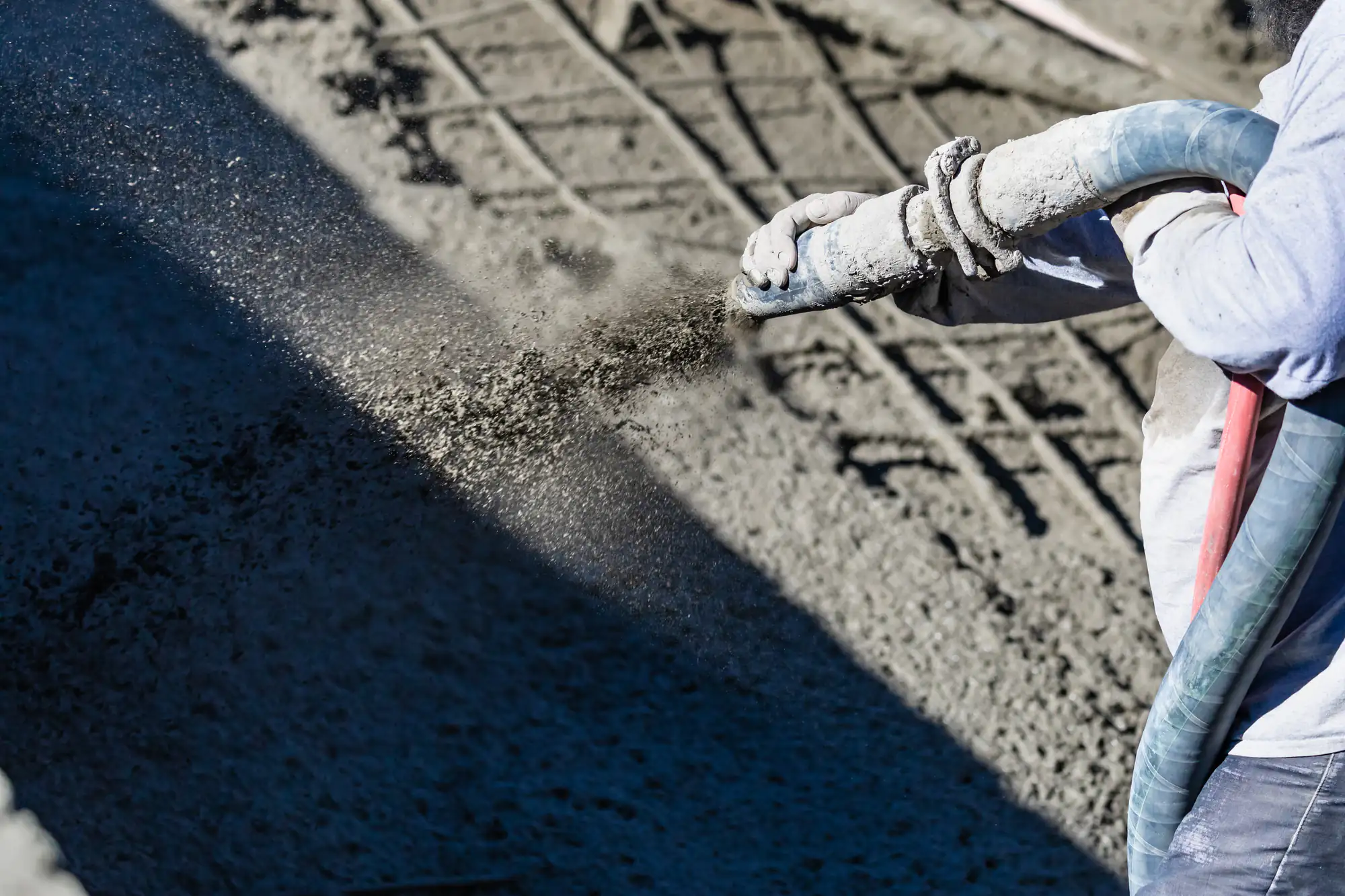
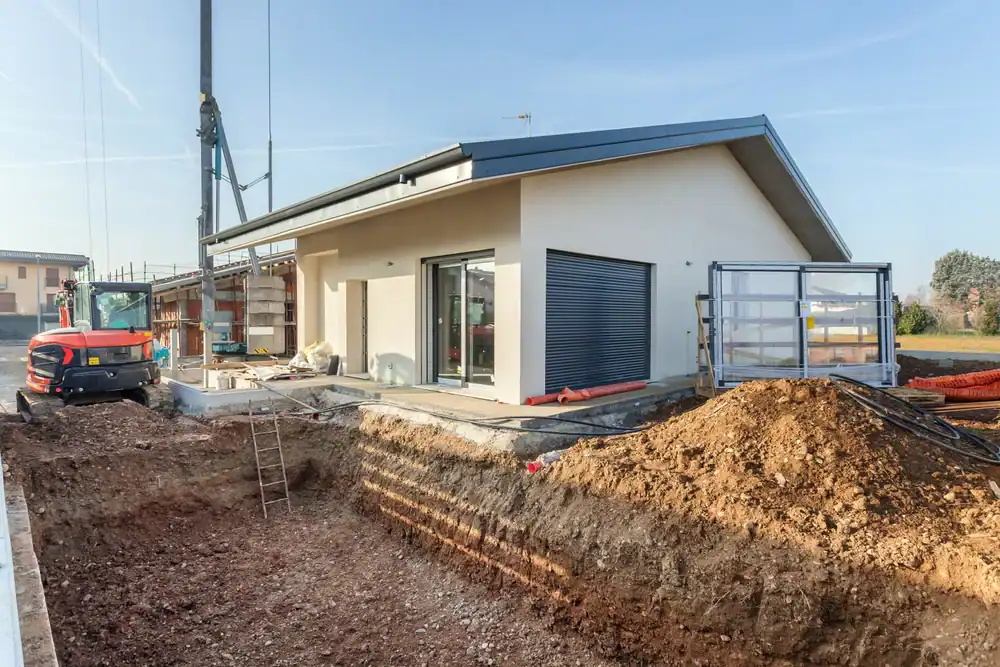
Construction follows the permit approval. Excavation comes first, then the steel framework, then the gunite application that forms the shell. From there, plumbing and electrical rough-in, interior finish, equipment installation, and startup. The realistic timeline for most residential inground pools is eight to sixteen weeks, and that range accounts for the weather delays that are a real factor in Coffee County’s high-rainfall environment. You will know what phase you are in and what comes next that communication is not something you have to chase down.
Ready to get started?
Every pool we build is concrete and that is not a default, it is a deliberate choice. In the Coastal Plain environment of southeastern Coffee County, where the water table runs high and creek valley soil holds moisture differently than upland sites, fiberglass shells carry a real risk. When a fiberglass pool is drained for maintenance or when the water table rises after heavy rain, hydrostatic pressure from the ground beneath can push the shell upward. It happens in South Georgia, and it is expensive. A properly engineered concrete shell, reinforced with steel and built with hydrostatic relief systems designed for this specific terrain, does not have that problem.
Every build includes a custom-fitted safety cover made specifically for that pool’s shape not an off-the-shelf product, not an upsell you negotiate for later. It comes with the pool. For families with children, that is not a small thing.
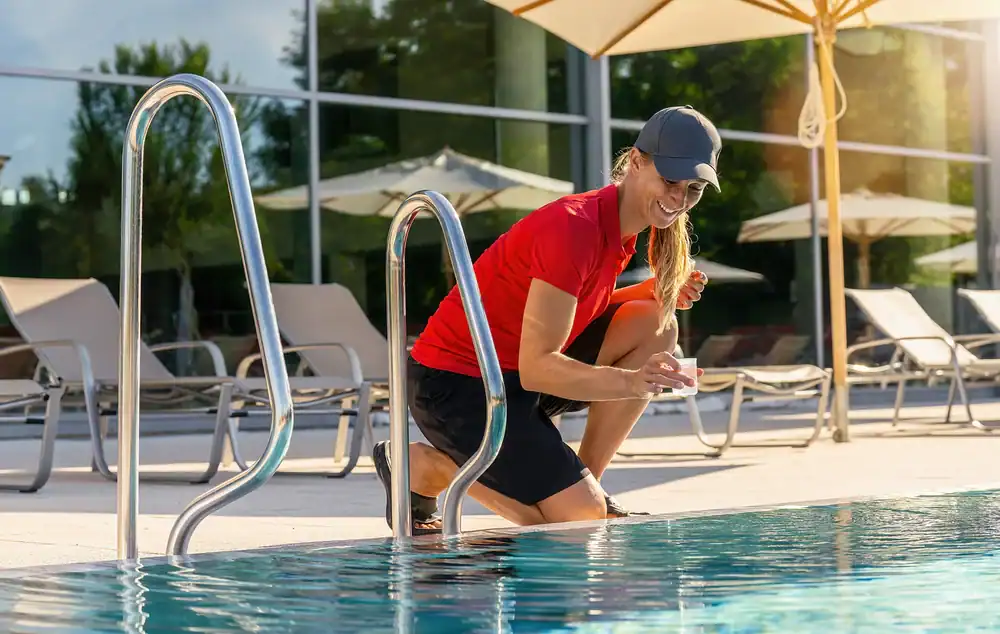
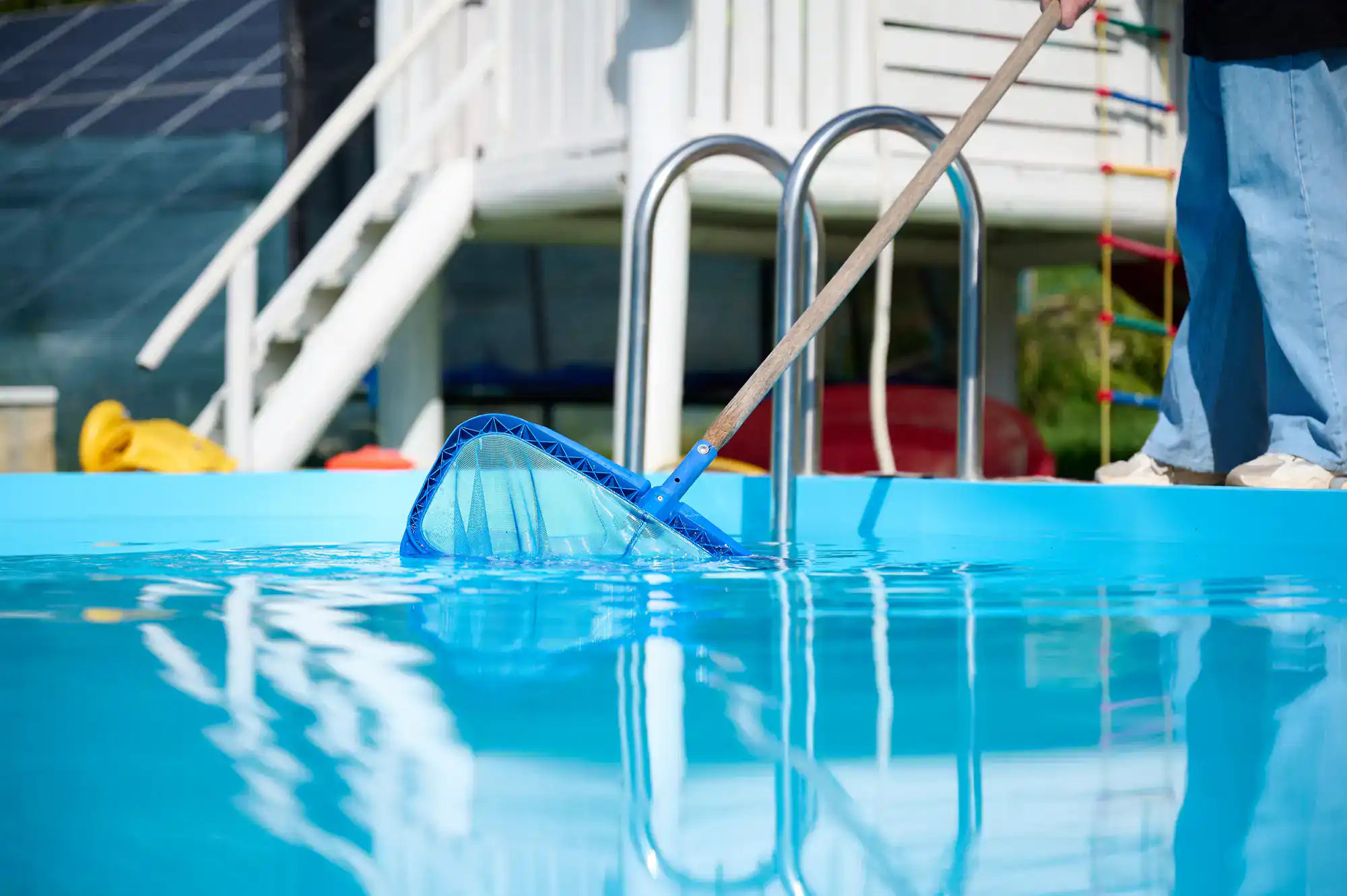
Our service also covers weekly maintenance plans for homeowners who want their pool swim-ready all season without spending every weekend managing chemistry and equipment. The price quoted before construction begins is the price you pay. No scope creep, no change orders after the hole is already in your yard. If you want a spa added, patio work done, or a full outdoor living space built around the pool, that is available too and it gets priced clearly upfront, not piece by piece after you have already committed.
Yes, and because Wilsonville is an unincorporated community, that permit runs entirely through Coffee County not a city building department. Coffee County Code Enforcement in Douglas handles all swimming pool permits for properties in unincorporated areas like Wilsonville. That office manages the application, the site plan review, the construction inspections, and the final approval.
The process requires a detailed site plan showing your property boundaries and where the pool will sit, pool dimensions and equipment placement, and fencing details that meet Georgia’s residential pool safety requirements. It is not a complicated process if you have done it before, but if you have not, it can feel like a lot to navigate on your own. We handle every step of this on your behalf from the initial application through the final inspection sign-off. You do not need to make a single call to the county office yourself.
Coffee County sits in Georgia’s Lower Coastal Plain, which means the soil profile here is fundamentally different from the red clay you find in North Georgia. Coastal Plain soils are sandy and loamy, and in creek valley areas like where Wilsonville sits along the Seventeen Mile Creek drainage the water table can run high, especially after heavy rainfall.
That matters for pool construction because of hydrostatic pressure. When the ground is saturated with water, that water pushes against whatever is buried in it. A fiberglass pool shell, which is essentially a large hollow vessel, is particularly vulnerable to being pushed upward when it is drained for maintenance or when the water table rises. This is called pool pop, and it is a real and costly problem in high-water-table environments across South Georgia. A properly engineered concrete pool, built with reinforced steel and hydrostatic relief valves designed for this specific terrain, handles that pressure the way it is supposed to. That is the engineering difference that matters here, and it is one of the main reasons we build exclusively in concrete.
The realistic timeline for most residential inground pool projects is eight to sixteen weeks from permit approval to startup. That range exists because construction involves multiple phases excavation, steel framework, gunite application, plumbing and electrical rough-in, interior finish, equipment installation, and final startup and because some of those phases are sensitive to weather.
In Coffee County’s high-rainfall environment, wet-weather delays during excavation and concrete work are a normal part of the process. A builder with real local experience knows how to sequence the work to minimize those delays and how to protect the site when rain hits. What you should expect from any builder you hire is honest communication about where you are in the process and what comes next not silence until something is finished. We give you that visibility throughout the build, so you are never left wondering what is happening in your backyard.
For a custom inground concrete pool in Coffee County, a realistic starting point is around $70,000, with most mid-range residential builds landing somewhere between $70,000 and $120,000. More complex projects larger pools, attached spas, extensive patio work, or premium interior finishes can go higher from there.
The variables that affect cost most are pool size and shape, the depth profile, any spa or water features, the deck and patio scope, and equipment choices. What should not affect the final number is a contractor who quoted low to win the job and then added costs after construction began. We quote the full scope before anything starts, and that number does not change unless you decide to change the scope yourself. For a property investment in the $70,000-plus range, knowing exactly what you are committing to before you sign is not a bonus it is the baseline expectation.
For South Georgia specifically, yes and the soil conditions in Coffee County are a big part of why. Fiberglass pools carry hydrostatic uplift risk in high-water-table environments like the creek valleys around Wilsonville. Vinyl liner pools require liner replacements every seven to ten years, which adds recurring cost and maintenance headaches over the life of the pool. Neither material is engineered for the specific conditions of this area the way a properly built concrete pool is.
Beyond the engineering argument, concrete is the only pool material that actually gets stronger over time. It does not degrade, it does not need a new liner, and it does not shift with ground movement the way a fiberglass shell can. For a homeowner in Wilsonville who is investing in a permanent structure on their property not something they want to revisit every decade concrete is the material that matches that expectation. It is also the only material that can be fully customized to your specific yard, your specific depth profile, and your specific design preferences without being constrained by a manufacturer’s mold.
In Coffee County, a standard inground pool is realistically usable from April through October that is a six to seven month season without any heating at all. Compared to pool owners in northern states who might get ten or twelve weeks of comfortable use, that is a strong return on the investment just from the climate alone.
Whether a heater or spa is worth adding depends on how you want to use the pool outside of peak summer. If you want to swim comfortably in March or November, or use the water year-round, a heating system or an attached spa makes that possible. South Georgia winters are mild enough that heating costs stay manageable, and for families who entertain or want a year-round outdoor living space, the extension of the season is genuinely useful. We build spas as part of the same concrete construction process, so if you want one, it gets designed and priced into the project from the start not added as a separate job later.