Hear from Our Customers
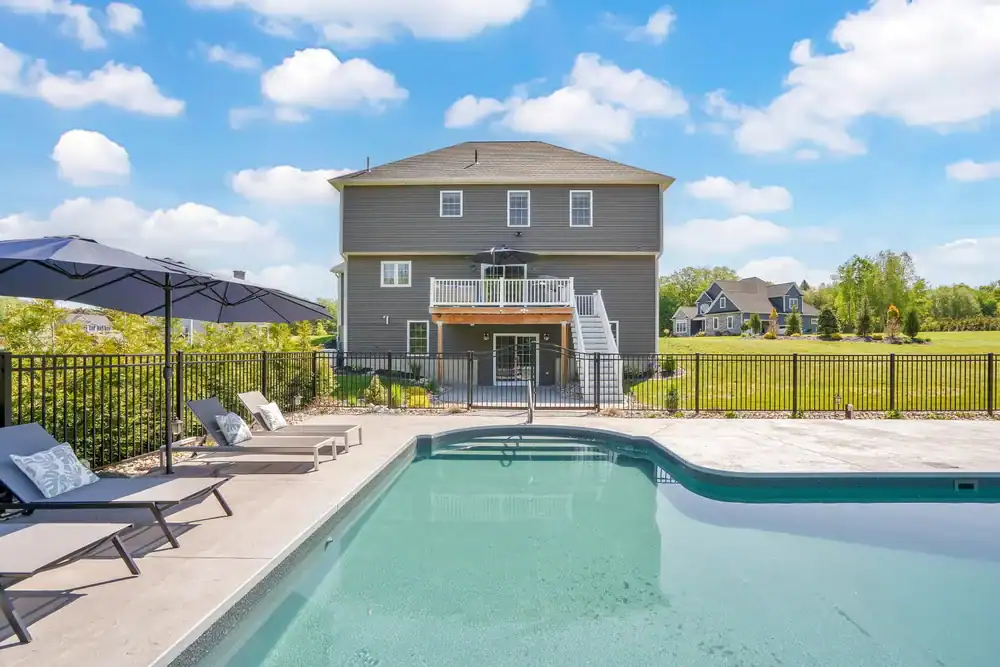
A pool that’s balanced and running right means you’re not spending your Saturday chasing green water or waiting on a callback that never comes. It means you get in, enjoy it, and move on with your day. That’s what professional service is supposed to deliver and in Berlin’s summer heat, it matters more than most people realize until something goes wrong.
South Georgia summers are genuinely hard on pool chemistry. When temperatures are pushing past 90°F and the afternoon storm rolls through like clockwork, your chlorine burns off faster than you’d expect, and that one storm can throw your pH sideways overnight. Add the agricultural pollen and field dust that drift in from the farmland surrounding Berlin, and your filter is working harder than any suburban pool’s filter ever has to. These aren’t generic pool problems they’re specific to living out here, and they require someone who actually understands the environment.
The other thing professional maintenance does is catch small problems before they become expensive ones. A pump that’s running slightly off today can fail completely by August. A slow liner leak that loses a little water each day can quietly cause structural damage over a season. Catching those things early during a routine visit is how you avoid the kind of repair bills that blindside homeowners who thought everything was fine.
We were founded in 2014 out of Douglas, Georgia, but the experience behind our work goes back more than 30 years built through hands-on work in concrete, plumbing, and custom pool construction across South Georgia. That’s not a marketing line. It means the people doing the work have seen what Georgia clay soil does to a pool foundation, what Colquitt County summers do to water chemistry, and what happens when equipment gets pushed hard through a long pool season without proper care.
Berlin is a community where most people own their homes, work hard for what they have, and don’t have patience for contractors who overpromise and disappear. That’s exactly the kind of market where we built our business. We’re family-owned, and that means your pool is someone’s personal reputation not a ticket number in a franchise system.
Whether you’re on SR 133 heading into Moultrie for work or you’re out in the Berlin-Ellenton area, we service this part of Colquitt County and bring the same standard to every job regardless of how far the drive is.
It starts with understanding what we’re working with. Before any chemicals go in or any equipment gets touched, we assess your pool’s current condition water chemistry, equipment status, visible wear on the liner or surfaces, and anything that looks like it might become a problem. In Berlin’s environment, that first look often tells us a lot: how hard the filter has been working, whether the recent heat or rain has knocked the chemistry out of range, and what the pool’s been dealing with since the last service.
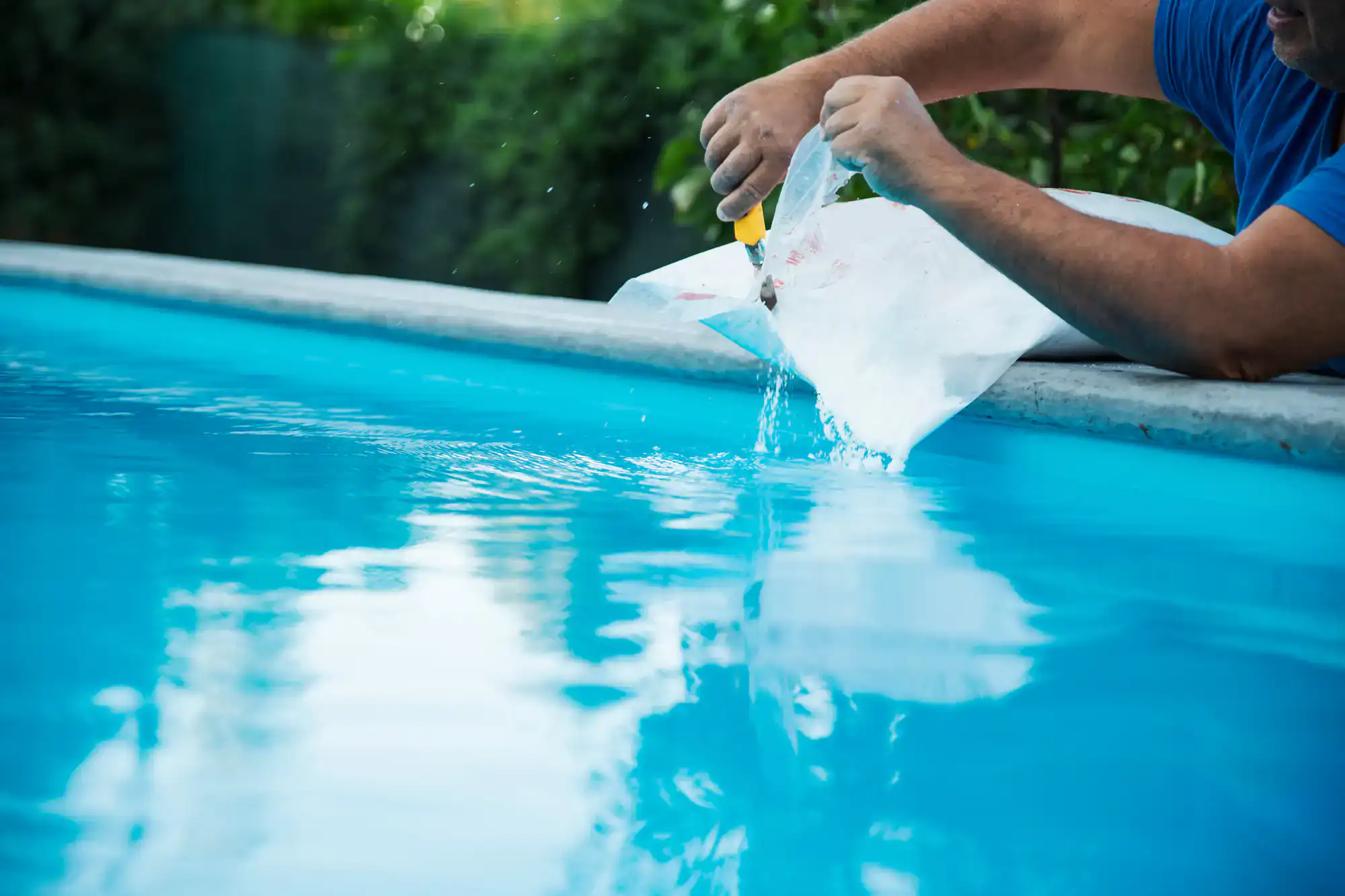
From there, the work is straightforward. Water gets tested with professional-grade equipment not the strip tests you grab at a hardware store, which give you approximations at best. We balance pH, chlorine, alkalinity, and calcium hardness to the right levels for your pool’s size and current condition. Equipment gets inspected, cleaned, and serviced based on what it actually needs, not a generic checklist.
If something needs repair a pump, a heater, a liner, or a leak that’s been quietly losing water we tell you what it is, what it’ll take to fix it, and what happens if it’s left alone. No pressure, no inflated urgency. Just a straight answer so you can make the right call. In a community like Berlin where options aren’t around every corner, having one company that handles all of it maintenance, repair, equipment, and installation means you’re not left tracking down three different contractors for one pool.
Ready to get started?
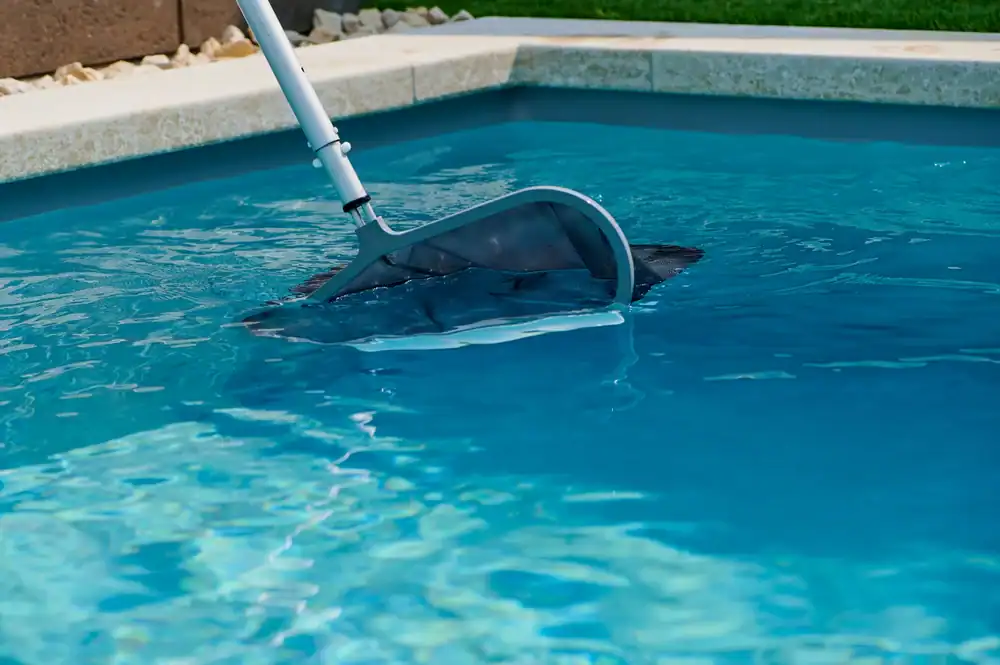
Weekly pool maintenance is the foundation. That means professional water testing, chemical balancing, filter cleaning, and equipment checks on a regular schedule not whenever someone gets around to it. In Berlin’s climate, where a single week of neglect in July can turn a clean pool green, consistency isn’t optional. It’s what keeps the water safe, the equipment healthy, and your costs predictable.
We handle pool equipment repair across the full range of what’s likely already in your backyard Hayward, Pentair, Jandy, Sta-Rite, and Zodiac equipment are all within our scope. That matters because a lot of service companies only work on what they sell, which can leave you in a tough spot if your existing equipment needs attention. Leak detection is another area where early action pays off. A pool that’s losing water doesn’t always make it obvious where the problem is, and the longer it goes unaddressed, the more it costs to fix both the leak itself and whatever damage it’s been doing in the meantime.
Liner replacement and heater installation round out what we handle. If your liner is fading, cracking, or pulling away from the wall, replacement restores both the look and the structural integrity of the pool. And for Berlin homeowners who want to extend their swim season into the cooler months or protect their equipment during the occasional cold snap that hits Colquitt County a properly installed pool heater makes that possible without the risk of freeze damage to unprotected lines and pumps.

For most Berlin homeowners, weekly professional service is the right call during the active pool season roughly March through October, with some flexibility on either end depending on the weather. South Georgia’s summer heat accelerates chlorine burn-off significantly, and the near-daily afternoon thunderstorms that roll through Colquitt County during peak summer can dilute your water chemistry overnight. A pool that’s balanced on Monday can be dangerously under-treated by Thursday without someone checking it.
The agricultural environment around Berlin adds another layer. Pollen loads during spring are intense out here, and field dust from surrounding farmland puts more strain on your filter than most homeowners account for. Weekly visits catch those issues before they compound. If your pool gets heavy use family, kids, frequent guests or if it’s surrounded by trees and open farmland, that’s even more reason to stay on a consistent schedule rather than waiting until something looks wrong.
The most common early warning signs are things that are easy to dismiss: a pump that sounds slightly different than usual, water that’s taking longer to circulate and clear after treatment, pressure readings on your filter gauge that are higher than normal, or a heater that’s cycling on and off more than it should. None of these feel urgent in the moment, but each one is telling you something is working harder than it needs to.
In South Georgia’s pool season which runs long and hot equipment runs under sustained load for months at a time. That’s when small inefficiencies turn into failures. A pump motor that’s struggling in June has a good chance of failing completely in July when you need it most. Getting ahead of that with a repair call is almost always significantly cheaper than an emergency replacement. During any maintenance visit, we’re looking at your equipment with that in mind, not just treating the water and leaving.
A simple way to check is the bucket test. Fill a bucket with pool water, set it on a step in the pool so it’s partially submerged, and mark the water level inside and outside the bucket. After 24 hours, compare the two levels. If the pool lost more water than the bucket, you likely have a leak not just evaporation. In Berlin’s summer heat, evaporation rates are real, but a pool shouldn’t be losing more than a quarter inch per day to evaporation alone.
If the test points to a leak, professional leak detection is the next step. The source isn’t always where you’d expect it can be in the plumbing lines, around fittings, in the shell of the pool itself, or at the equipment pad. Ignoring it because the water loss seems minor is how small leaks turn into structural problems. The soil conditions in Colquitt County flat, clay-influenced ground mean that a slow plumbing leak can erode the substrate beneath your pool deck over a season without any obvious surface signs until the damage is already significant.
Most vinyl pool liners last somewhere between 10 and 15 years with proper care, but South Georgia’s conditions can shorten that range. Prolonged UV exposure through long pool seasons, combined with the chemical demands of keeping water balanced in extreme summer heat, puts more wear on a liner than you’d see in a cooler climate. The signs to watch for are fading or bleaching of the pattern, visible cracking or brittleness along the waterline, wrinkles that weren’t there before, or areas where the liner is pulling away from the wall or steps.
A liner that’s failing doesn’t just look bad it affects the structural integrity of the pool and can contribute to water loss that’s hard to trace. If your liner is more than 10 years old and showing any of those signs, it’s worth having it evaluated before it becomes an emergency. Liner replacement in the Berlin area typically makes sense to schedule in spring before peak season, so the pool is ready when you actually want to use it rather than losing swim time to a mid-summer project.
For most Berlin homeowners, a pool heater extends the usable season by a meaningful amount on both ends you can realistically start swimming in late February or early March instead of waiting until May, and keep using the pool comfortably into November. That’s a significant return on the investment when you consider what a pool costs to own and maintain year-round regardless of whether you’re swimming in it.
There’s also a practical protection argument. Colquitt County doesn’t get hard freezes often, but they happen and when they do, unprotected pool equipment and plumbing lines are at real risk of cracking or bursting. A properly installed heater, combined with a winterization plan for equipment, eliminates that risk. Heaters last 8 to 12 years with proper maintenance, so the cost spreads out over a long service life. If you’re already investing in weekly maintenance and keeping your pool in good shape, adding a heater is a logical next step for getting the most out of what you’ve already built.
For new pool construction, yes a building permit through Colquitt County is required. Georgia has adopted the International Swimming Pool and Spa Code as state law, which governs how residential pools are designed, built, and modified. A permit for new construction typically requires a site plan showing your lot boundaries, the home’s location, setback distances, and where the pool will sit relative to property lines and utilities. Georgia’s 811 program also requires underground utilities to be marked before any excavation begins, which is a step that has to happen before ground is broken regardless of pool size.
For ongoing maintenance and repairs weekly service, chemical balancing, equipment repair you don’t need a permit. Where it gets important is on larger repair or renovation work: liner replacement, significant plumbing repairs, or electrical work around the pool. Georgia law also requires that contractors performing pool-related work above $2,500 on residential properties hold a valid residential contractor license. That’s a legal protection for you as a homeowner, not just a formality. Before hiring any pool company for work in Berlin, verifying that they’re licensed and insured is worth the two minutes it takes it protects your home, your insurance coverage, and your investment.