The pool design landscape is shifting in 2026. Homeowners across Douglas County are embracing darker finishes, smarter technology, and multifunctional spaces that turn backyards into year-round retreats.
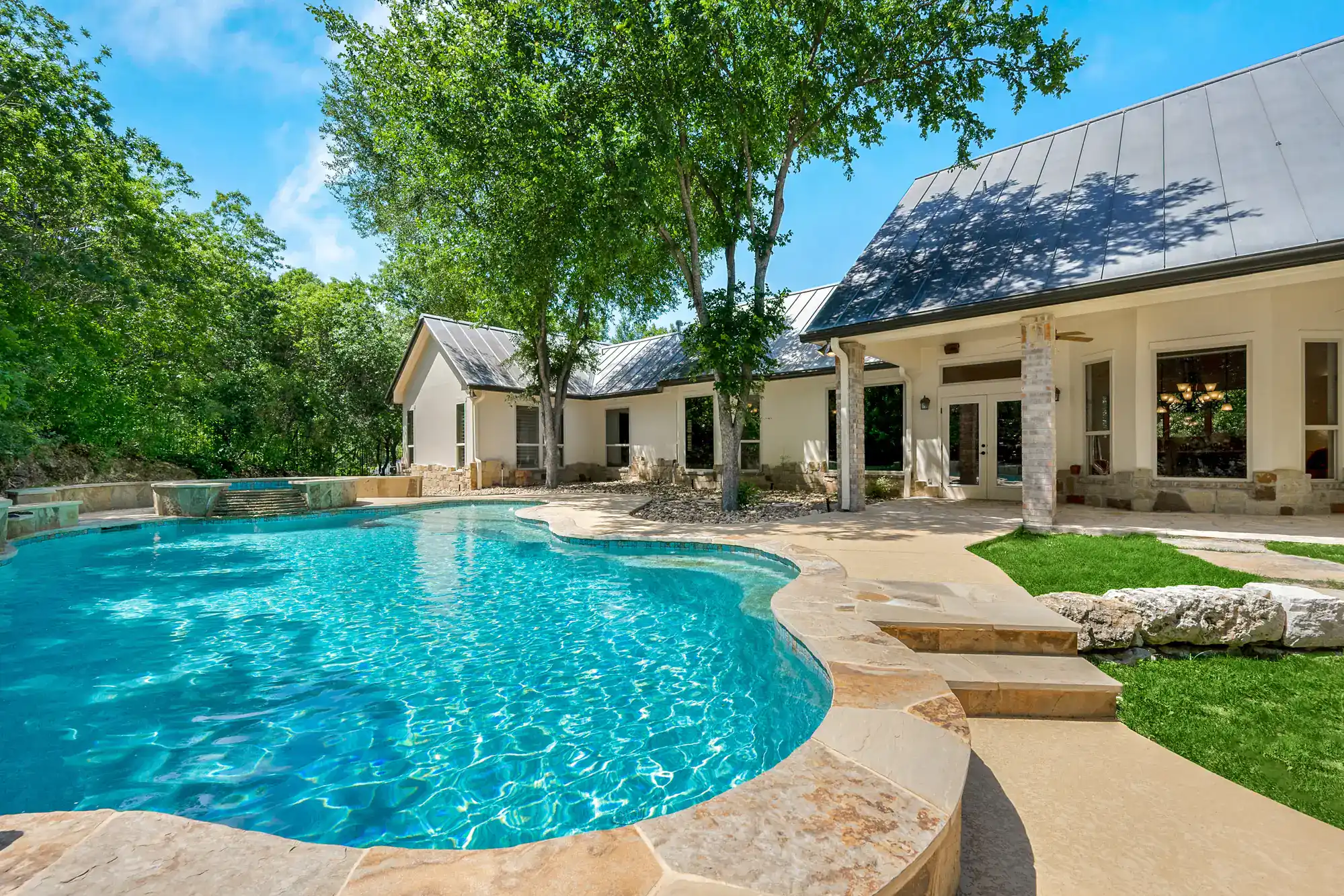
Most people assume pool design is about picking a shape and a color. It’s not. Your design choices affect everything from monthly utility bills to whether your pool still makes sense for your family in ten years.
In South Georgia, where summers stretch long and mild winters allow for extended swimming seasons, your pool becomes a central part of daily life. That makes design decisions more consequential. A well-planned pool integrates with your home’s architecture, works with your yard’s natural grade, and includes features that match how you’ll actually use the space—not just how it photographs.
The cost of getting it wrong isn’t small. Concrete pools can last generations, which means a poor design choice in 2026 affects your property for the next 30 years. Understanding current trends helps you separate what’s practical from what’s just popular, so you can build something that makes sense for your specific situation.
Walk past any newly built pool in Douglas County and you’ll notice something different. The bright aqua blue that defined backyard swimming pools for decades is disappearing. Homeowners are choosing graphite, deep navy, charcoal, and even black finishes instead.
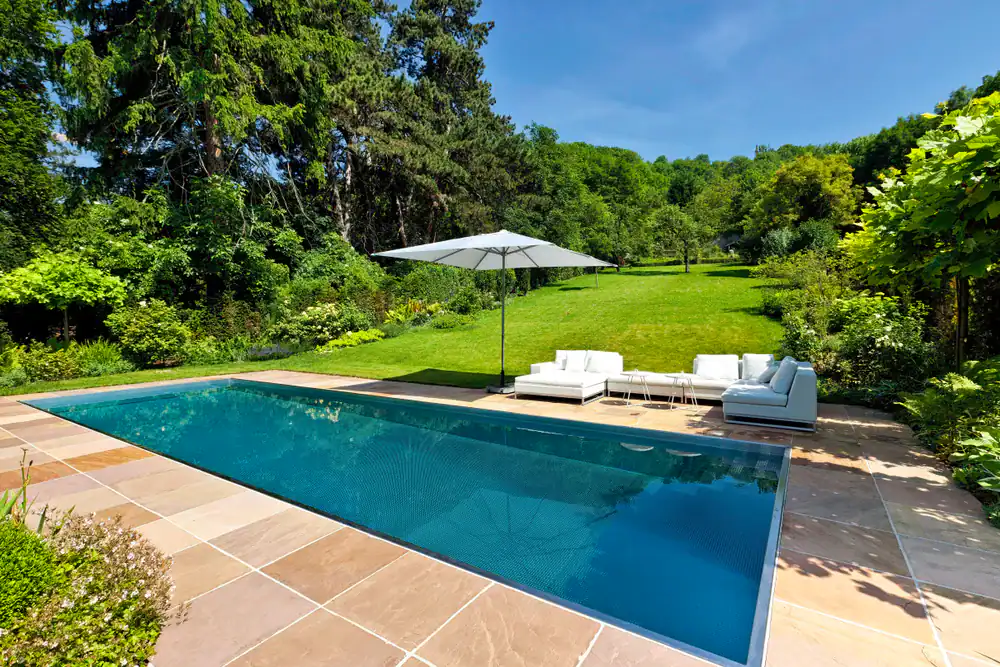
This isn’t just an aesthetic shift. Dark pool finishes create a mirror-like surface that reflects the sky and surrounding landscape. The water looks deeper, more sophisticated, and frankly, more expensive. It’s the difference between a neighborhood pool and something that belongs at a resort.
But there’s a practical side too. Darker finishes absorb more heat from the sun, which means your water stays warmer without running the heater as much. In Georgia, where you’re trying to extend your swimming season into spring and fall, that matters. You’re not just getting a better-looking pool—you’re getting one that costs less to keep comfortable.
The finishes themselves have evolved. Pebble and glass bead options add texture and slip resistance while creating visual depth that shifts throughout the day as light changes. These aren’t smooth plaster surfaces that show every scratch. They’re aggregate finishes designed to hide wear and maintain their appearance with less maintenance over time.
If you’re planning pool construction now, expect to see samples in deep blues, grays, and earth tones rather than traditional light blue. The change reflects a broader move toward pools that feel integrated with outdoor living spaces rather than standing out as separate features. Your pool becomes part of the landscape instead of competing with it.
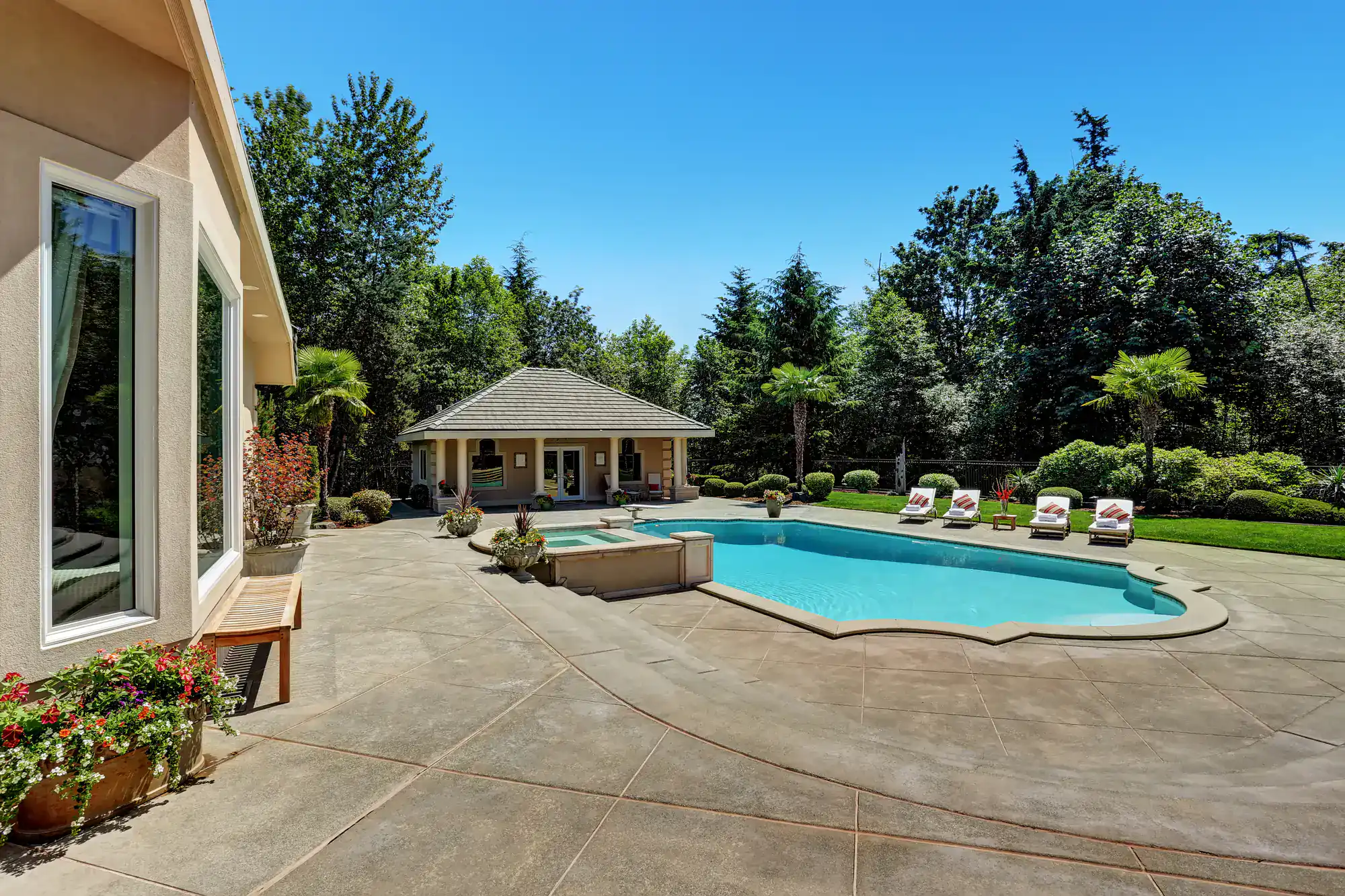
The kidney-shaped pool is dead. So are the overly curvy “lagoon” designs that tried too hard to look natural. In 2026, pool construction has shifted decisively toward geometric shapes—rectangles, L-shapes, and clean-lined designs that complement modern architecture.
But here’s where it gets interesting. These aren’t the stark, rigid rectangles of minimalist design magazines. We’re softening geometric pools with rounded interior corners, integrated tanning ledges, and offset spa sections. You get the clean, architectural look that photographs well and fits contemporary homes, but with features that actually make the pool more comfortable and functional.
Why the shift? Geometric pools work better with automation systems and covers. They’re easier to heat efficiently. They accommodate lap swimming if that’s your goal. And they maximize usable space in smaller yards, which matters in established neighborhoods where lot sizes are fixed.
The real advantage shows up in how these pools integrate with the rest of your outdoor space. A rectangular pool with a built-in tanning ledge creates natural zones—deep water for swimming, shallow areas for kids or lounging, and clear sight lines from your patio or deck. You’re not guessing where people will congregate. The design tells them.
Asymmetrical layouts are also gaining traction for swimming pool installation projects. Think of a main pool with a sun shelf on one side and a vanishing edge on the other. These designs solve practical problems—managing grade changes, creating focal points, providing shallow play areas—while delivering a custom look that doesn’t feel cookie-cutter.
If your yard has challenging topography or you want your pool to work with an existing patio, geometric shapes with thoughtful features give you more flexibility than you’d expect. They’re not limiting. They’re strategic.
Want live answers?
Connect with a Deep Waters Pools expert for fast, friendly support.
Ten years ago, a “smart” pool meant a timer on your pump. Today, full automation is becoming standard in new pool construction across Douglas County, GA. Homeowners expect to control their pool from their phone—not because it’s trendy, but because it saves time and money.
Smart pool systems monitor water chemistry in real-time and alert you when levels are off. They adjust filtration schedules based on usage and weather. They control lighting, heating, and water features from a single app. This isn’t about convenience alone. It’s about preventing the small problems that turn into expensive repairs when you miss them.
Energy efficiency drives much of this technology adoption. Variable-speed pumps use 70-90% less energy than old single-speed models. LED lighting costs a fraction to operate compared to traditional pool lights. Automated covers reduce heat loss and chemical evaporation. Over a year, these systems can cut your pool’s operating costs by thousands of dollars.
The upfront investment is higher, but the math works in your favor quickly. More importantly, these systems make pool ownership less demanding. You’re not testing water chemistry every other day or adjusting equipment manually. The technology handles routine maintenance, so you can focus on actually using your pool.
When we talk about automation, we’re referring to integrated systems that manage multiple functions. At minimum, expect app-controlled filtration, lighting, and temperature. More advanced setups include automated chemical dosing, robotic cleaners that schedule themselves, and even AI-assisted systems that learn your usage patterns.
The practical impact shows up in daily use. You’re heading home from work and want the spa heated when you arrive? Adjust it from your car. Hosting a party and want specific lighting sequences? Set it up in advance. Notice your water looks cloudy? Check chemical levels from your phone before you even walk outside.
Installation matters here. These systems work best when integrated during construction rather than added later. If you’re building a new pool, discuss automation early in the design process. We need to account for additional plumbing, wiring, and equipment placement that supports these features.
The cost varies widely based on how much you want automated. Basic systems controlling pumps and lights start around $2,000-3,000. Comprehensive packages with water chemistry monitoring, automated cleaning, and advanced controls can run $8,000-12,000. Consider what you’ll actually use. If you’re not going to adjust your pool settings from vacation, don’t pay for that capability.
Energy-efficient equipment pays for itself over time, but the timeline depends on your usage. In South Georgia, where pools run longer seasons, you’ll see returns faster than in northern climates. Variable-speed pumps typically recoup their cost premium in 2-3 years through lower electric bills. LED lighting pays back even faster.
The bigger question is whether you want to manage your pool manually or let technology handle it. Most homeowners who invest in automation wish they’d done it sooner. The time savings alone—not constantly adjusting equipment, testing water, or troubleshooting issues—makes it worthwhile.
Pools in 2026 aren’t just for swimming. They’re outdoor living rooms with water features. Homeowners want spaces that accommodate different activities simultaneously—kids playing in the shallow end while adults relax on a tanning ledge and someone else swims laps.
This shift shows up in design features. Tanning ledges, also called sun shelves or Baja shelves, have become standard rather than luxury additions. These shallow platforms let you lounge in a few inches of water, perfect for reading, supervising children, or setting up in-water furniture. They’re typically 6-12 inches deep and wide enough for multiple loungers.
Built-in seating creates social spaces within the pool. Bench seating along one wall or in corners gives people places to sit and talk without treading water. Swim-up bars take this further, integrating the pool with outdoor kitchens or bar areas. You’re not getting out of the water for refreshments—the design brings them to you.
These features make pools more usable for more people. Not everyone wants to swim laps or play pool games. Some people just want to cool off while staying social. Multifunctional designs accommodate different comfort levels and ages in the same space.
The layout matters. A well-designed pool creates natural zones without physical barriers. Depth changes, built-in features, and strategic placement of steps guide how people use different areas. You don’t need signs telling kids where to play—the design makes it obvious.
Fire features and integrated spas extend usability beyond swimming season. Fire bowls or fire pits near the pool create ambiance for evening gatherings. Attached spas with spillover edges serve double duty as water features and year-round relaxation spaces. In Georgia’s mild winters, these additions let you use your pool area even when swimming isn’t appealing.
The cost of multifunctional features varies, but they’re typically more affordable when included in initial construction. Adding a tanning ledge during the build might cost $3,000-6,000. Retrofitting one later can double that expense. If you know you want these features, incorporate them from the start.
Trends provide direction, but your specific property determines what actually works. A pool that looks stunning in photos might be completely wrong for your yard’s grade, soil conditions, or how you’ll actually use the space.
The pool design trends shaping 2026—darker finishes, geometric shapes, smart automation, multifunctional features—reflect broader shifts toward pools that work harder and require less maintenance. They’re practical responses to what homeowners have learned they actually want after owning pools for a few years.
If you’re considering pool construction in Douglas County, GA, start with how you’ll use it. Do you want a lap pool for exercise? A family-friendly space with shallow areas? A resort-style retreat for entertaining? Your answers shape everything from size and depth to which features make sense and which are just expensive additions you won’t use.
We’ve been building custom inground pools across South Georgia since 2014, with over 30 years of hands-on construction experience. If you’re ready to explore what’s possible for your property, reach out to discuss your specific situation and how current design trends might fit your goals.
Summary:
Article details:
Share: