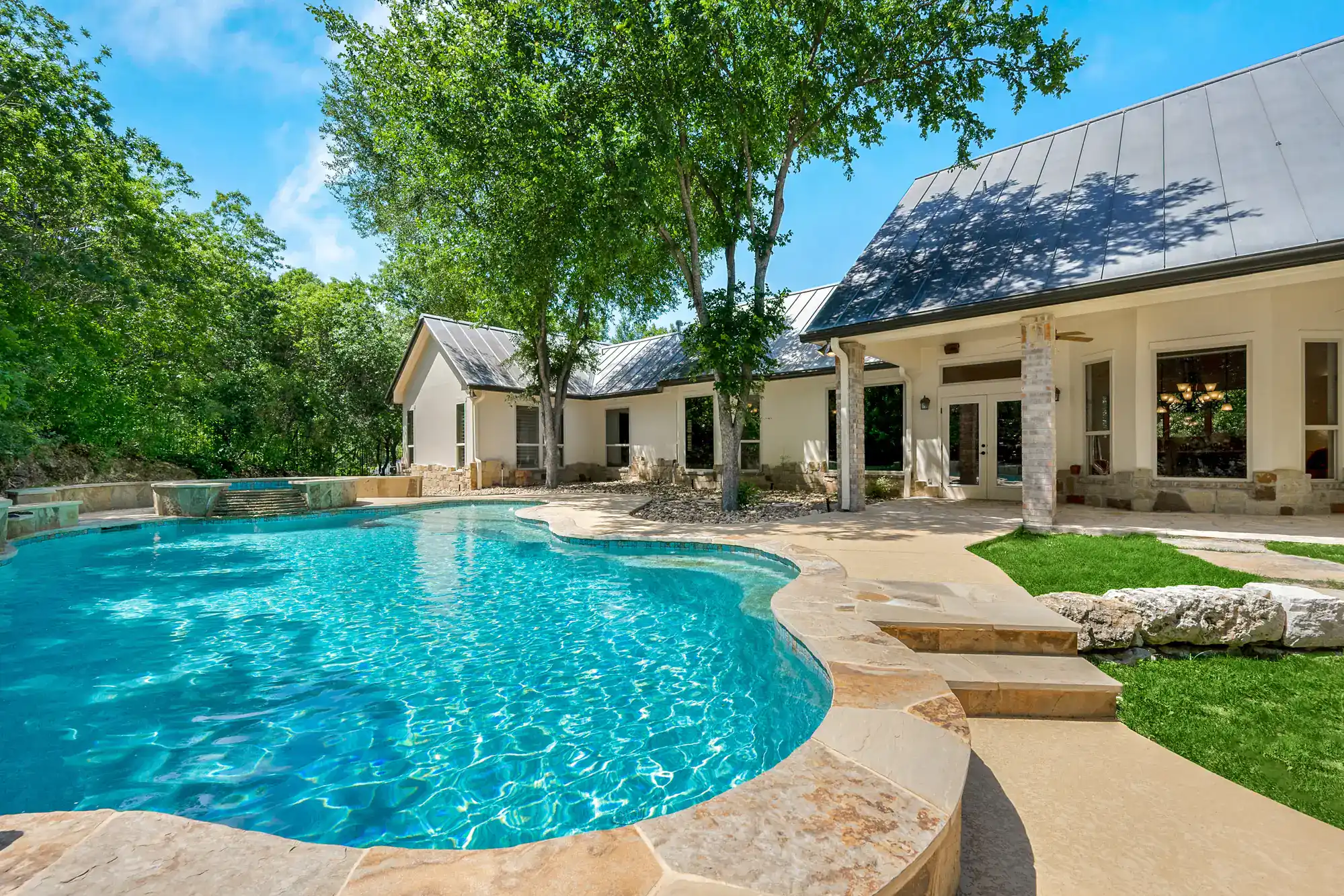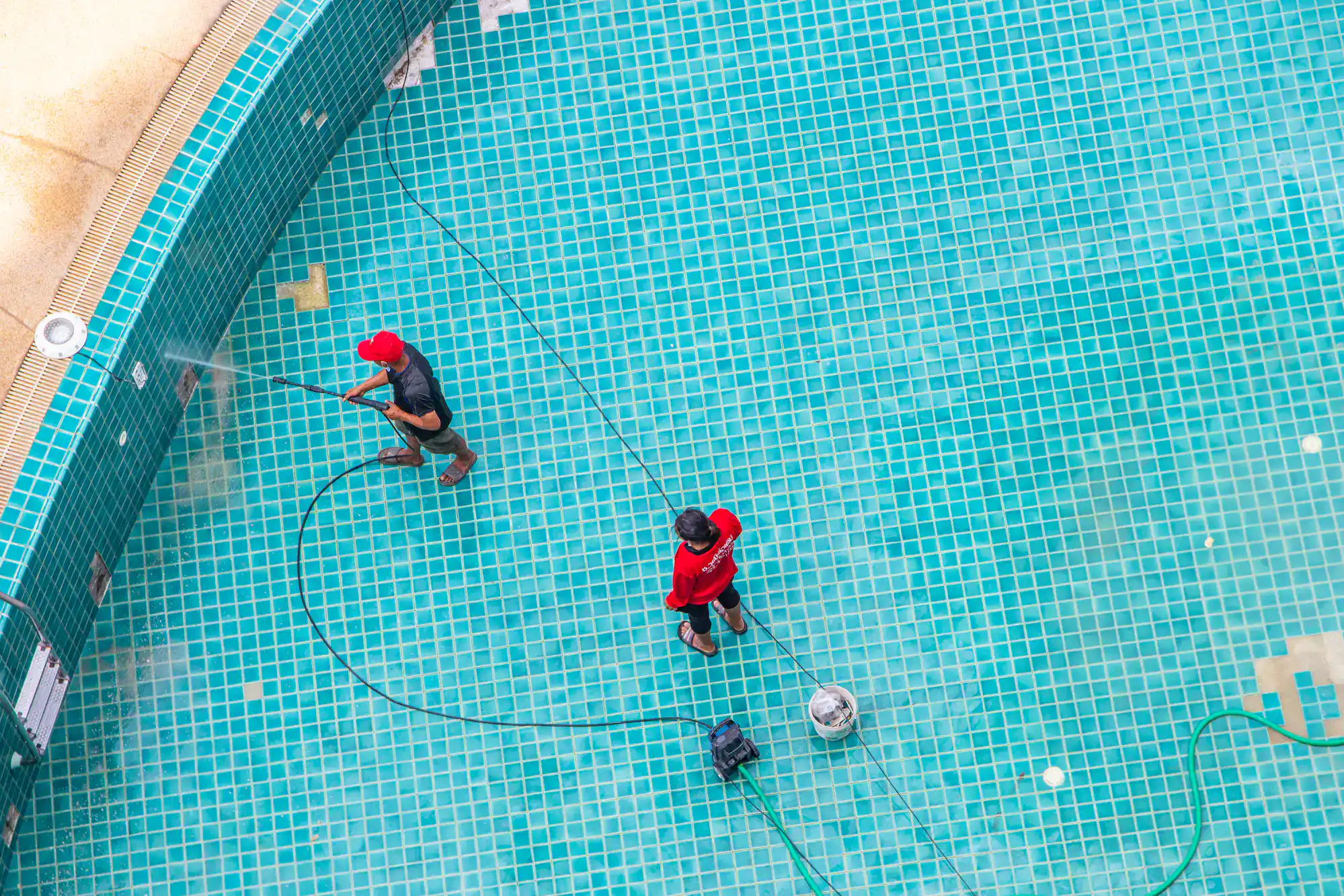
Thinking about building a pool in Douglas County, GA? Here's what you actually need to know before breaking ground—from permits to pumps to realistic timelines.
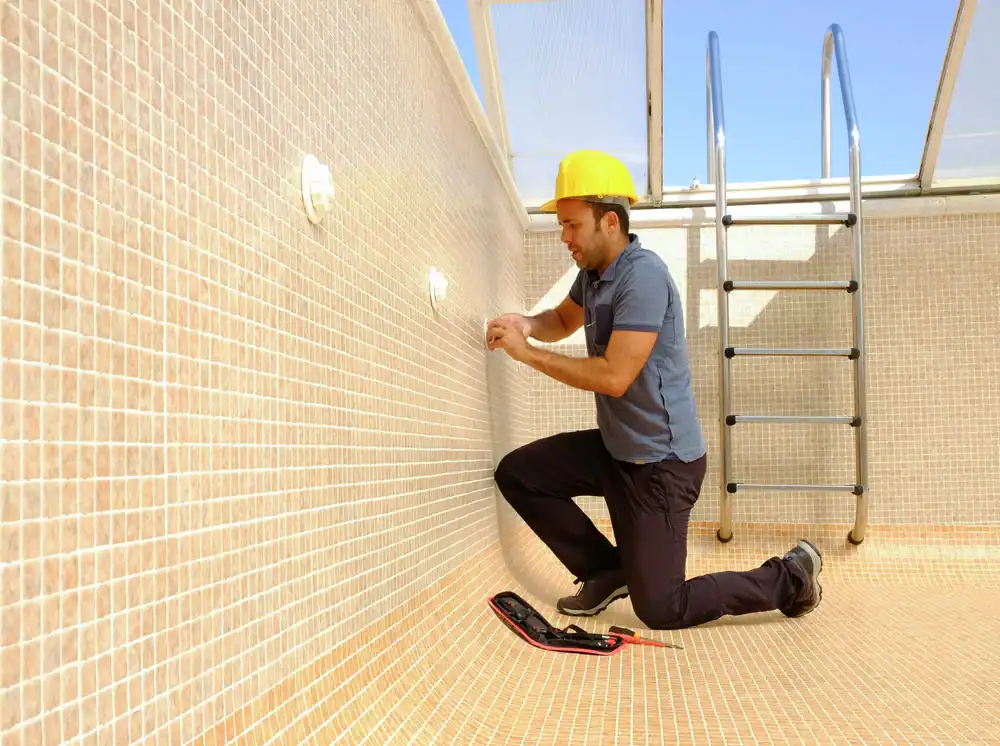
Before you can dig, you need permission. In Georgia, every residential swimming pool requires a permit before construction begins. The state follows the International Swimming Pool and Spa Code, which sets minimum safety standards for pools.
That sounds straightforward until you realize permit timelines vary wildly depending on your local municipality. Some counties approve permits in two weeks. Others take six weeks or more, especially if you need multiple approvals or have to attend a planning board meeting.
In Douglas County, GA, if your home is on a septic system, you’ll need additional clearance from the health department. Pool construction can’t start until septic-related work is complete and you’ve received your residential swimming pool construction permit. You’ll need to submit a scale drawing showing where the pool, deck, and any associated structures will sit on your property.
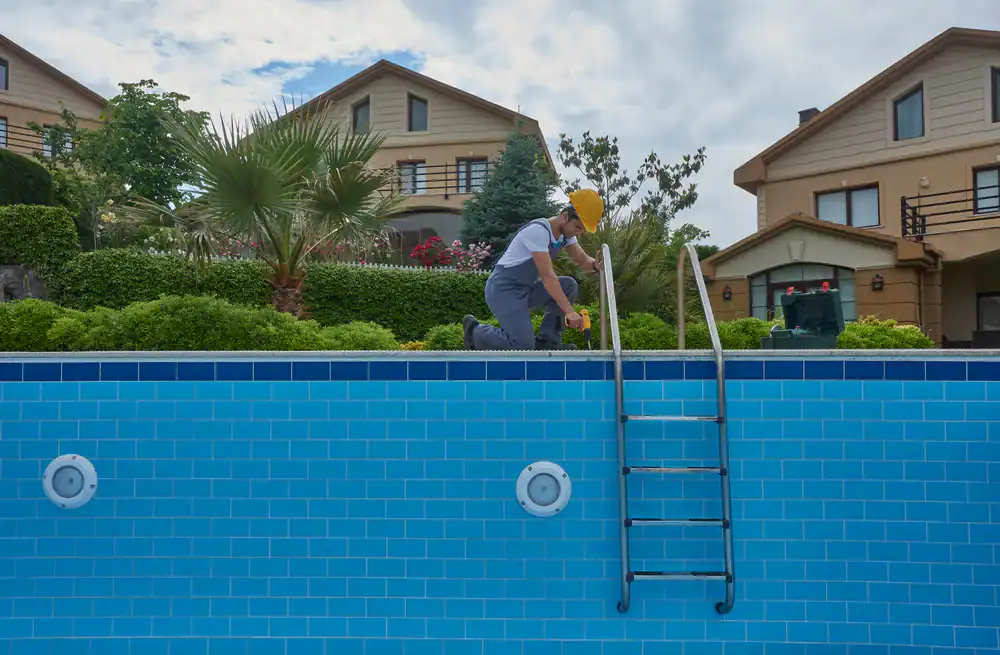
Where you can actually put your pool isn’t just about where it looks best. Douglas County, GA has specific setback requirements that dictate how close your pool can be to property lines.
Generally, you’re looking at a minimum of three feet from side property lines and five feet from rear property lines. These aren’t suggestions. They’re code requirements that inspectors will verify before you get approval.
If you’re planning a pool near your property boundary, measure twice before you commit to a design. Nothing delays a project faster than discovering mid-permitting that your planned location violates setback rules. And if you’ve already signed a contract based on that location, you’re looking at redesign costs and timeline delays.
The wall of your pool also can’t create a nuisance to adjoining properties, which means drainage and runoff matter. If your pool design affects stormwater flow, you may need additional permits or engineering work to address how water will be managed on your property.
Your pool barrier or fence also has requirements. Gates must be self-latching, installed at specific heights, and designed so young children can’t easily open them. These safety regulations exist for good reason, but they do add to your planning checklist.
Working with local builders who already know Douglas County’s specific requirements makes a difference. We’ve navigated the permitting process dozens of times and know which details matter most to local inspectors. That knowledge saves weeks on your timeline.
If your home is on a septic system, your pool project just got more complicated. Not impossible. Just more involved.
Douglas County, GA requires that any septic system modifications needed to accommodate your pool must be completed before pool construction begins. That means if your planned pool location interferes with your drain field or septic tank, you’ll need to address that first with a separate permit.
You’ll submit your pool permit application along with a property drawing that shows not just the pool, but also your existing septic system components. The health department reviews this to ensure your pool won’t compromise your septic function or violate required clearances between the pool and septic elements.
This review process adds time. Sometimes a few days, sometimes a few weeks, depending on how backed up the health department is and whether your design raises any red flags. If modifications are needed, you’re looking at additional costs for septic work before pool construction even starts.
Many homeowners don’t find out about septic conflicts until they’re already deep in the planning process. By then, they’ve fallen in love with a specific pool design or location that simply won’t work with their septic layout. Starting over means delays, redesign fees, and frustration that could have been avoided.
The best approach? Get a septic inspection early. Before you finalize your pool design, have a professional evaluate your current system and confirm where you can and can’t build. That upfront investment in information prevents expensive surprises later.
Douglas County, GA isn’t unique in this requirement, but it’s strict about enforcement. Inspectors will verify septic clearances, and if something’s off, your project stops until it’s corrected. No exceptions, no shortcuts.
Working with a local pool builder who understands these septic requirements makes a massive difference. We’ve seen the common issues, know how to design around septic systems, and can often spot potential problems before you submit permits. That experience is worth paying for.
Want live answers?
Connect with a Deep Waters Pools expert for fast, friendly support.
Here’s the question we hear all the time: “How long will this take?” And here’s the honest answer: longer than you think.
An average inground pool takes 8 to 12 weeks from the day you break ground to the day you’re swimming. That’s assuming good weather, no permit delays, and zero unexpected site conditions. In reality, most projects in Douglas County, GA stretch closer to 12 to 14 weeks, and that’s before you factor in the time to get permits approved.
From your first design meeting to actually using your pool, you’re looking at a minimum of three to four months. Often longer if you’re building during peak season when contractors are booked solid and material deliveries slow down. This construction timeline is one of the most misunderstood aspects of pool building, and setting realistic expectations from the start saves enormous frustration.
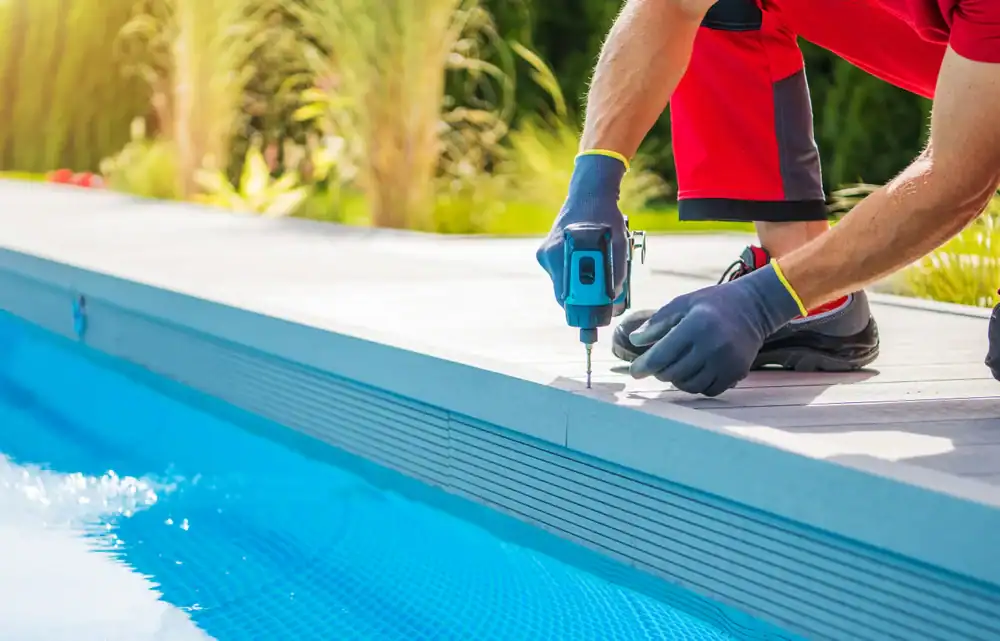
Understanding where time goes helps set realistic expectations. Pool construction isn’t one continuous process. It’s a series of distinct phases, each with its own timeline.
Design and planning typically take one to four weeks, depending on how quickly you make decisions and how many revisions you want. Once the design is finalized, it goes to an engineer for structural approval. This ensures your pool is sound and meets code requirements. Engineering review adds another week or two.
Then comes permitting. In Douglas County, GA, if everything’s straightforward, you might see approval in two to three weeks. If you need health department sign-off for septic, or if there are any questions about your design, you’re looking at four to six weeks minimum. Some homeowners wait two months for permits.
Once you have permits, excavation happens fast. Usually one to two days, unless your property has access issues or unexpected rock that requires special equipment. After excavation, the steel framework and plumbing installation takes one to two weeks.
Gunite application—spraying the concrete mixture that forms your pool shell—happens in a day, but then it needs to cure. In Georgia’s climate, curing takes about a week in good weather. Cooler or rainy conditions extend that timeline.
After the shell cures, crews add tile, coping, and your interior finish, whether that’s plaster or pebble. This stage takes another one to two weeks. Then comes decking and any additional features like waterfalls or lighting, which adds another week or two depending on complexity.
Finally, equipment installation, filling the pool, and balancing the water chemistry takes a few days. Then you’re ready to swim, assuming final inspections go smoothly.
Add it all up, and you see why 8 to 12 weeks is the minimum, not the average. Weather delays, material backorders, subcontractor scheduling, inspection delays—any of these can add days or weeks to your timeline.
Nobody starts a pool project planning for delays. But they happen. A lot.
Weather is the most common culprit. You can’t pour concrete in heavy rain. You can’t safely work on electrical in a thunderstorm. Georgia summers bring afternoon storms that shut down work for hours or days at a time. Winter projects face their own challenges with shorter daylight hours and occasional cold snaps that affect curing times.
Material availability has been unpredictable since 2020, and while supply chains have improved, certain specialty items still face backorders. If you’ve chosen custom tile or a specific pool finish that’s not in stock, you might wait weeks for delivery. That idle time between construction phases adds up.
Subcontractor availability also affects timelines. Pool construction requires multiple specialists—excavation crews, steel workers, plumbers, electricians, tile setters, concrete finishers. If any of these subcontractors get delayed on another job, your project waits.
Site conditions sometimes surprise everyone. You dig and hit rock that wasn’t expected. Or you find underground utilities that aren’t where the maps said they’d be. Or the soil doesn’t drain the way anticipated, requiring additional site work. Each surprise adds time and often cost.
Permit revisions or inspection failures can halt progress completely. If an inspector spots something that doesn’t meet code, work stops until it’s corrected and re-inspected. This is why working with experienced builders who know local codes matters so much.
You can minimize delays by being decisive during the design phase, choosing materials that are readily available, building during shoulder seasons when contractors aren’t slammed, and working with local builders who have established relationships with reliable subcontractors.
But even with perfect planning, accept that some delays are inevitable. Build buffer time into your expectations. If you’re planning a pool for summer use, start the process in late winter or early spring, not in May when you want to swim in June. That cushion reduces stress when the inevitable hiccups occur.
Building a pool is a significant investment in your property and your family’s quality of life. Getting it right means understanding what you’re getting into before you sign contracts and break ground.
Permits take longer than you expect. Construction timelines stretch. Energy-efficient equipment costs more upfront but saves thousands over time. Financing options exist, but they require planning. Sustainable materials offer long-term benefits worth considering. This pool construction guide for 2026 gives you the foundation to make informed choices.
The homeowners who have the best experience are the ones who do their homework, ask the right questions, work with experienced local builders, and set realistic expectations from day one. When you know what’s coming, you can plan for it instead of being surprised by it.
If you’re ready to move forward with pool construction in Douglas County, GA, we bring over 30 years of hands-on experience building custom inground cement pools for families across South Georgia. We understand the local regulations, the realistic timelines, and what it takes to deliver quality work without cutting corners.
Summary:
Article details:
Share: