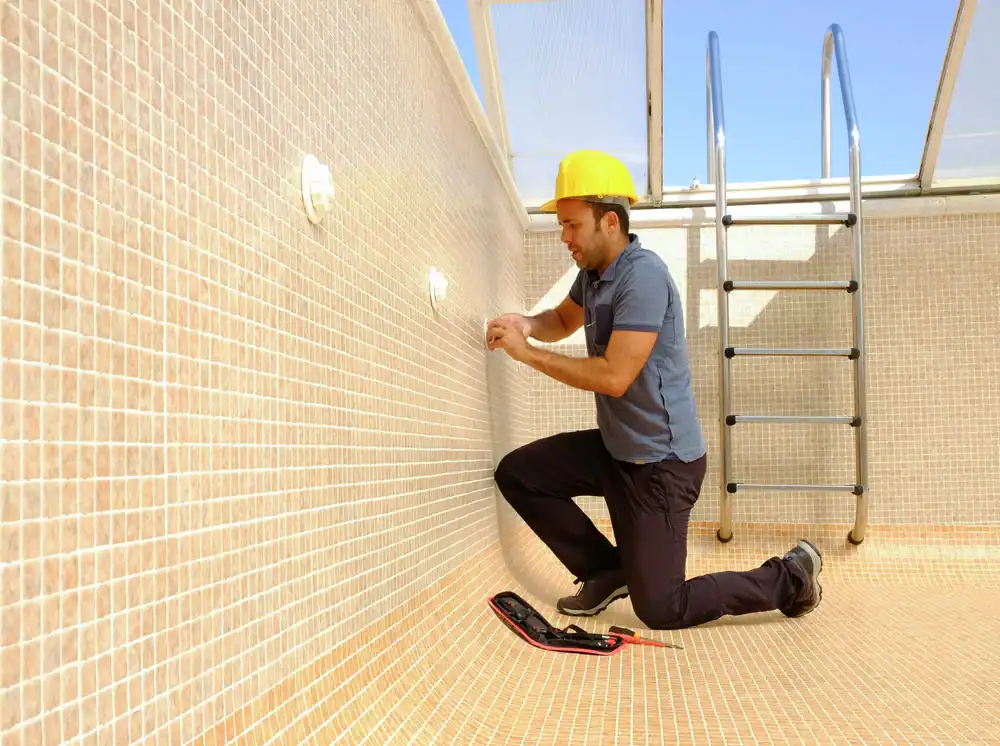
Building a pool in Douglas County? These seven construction mistakes could cost you thousands in repairs, delays, and headaches—here's how to avoid them.
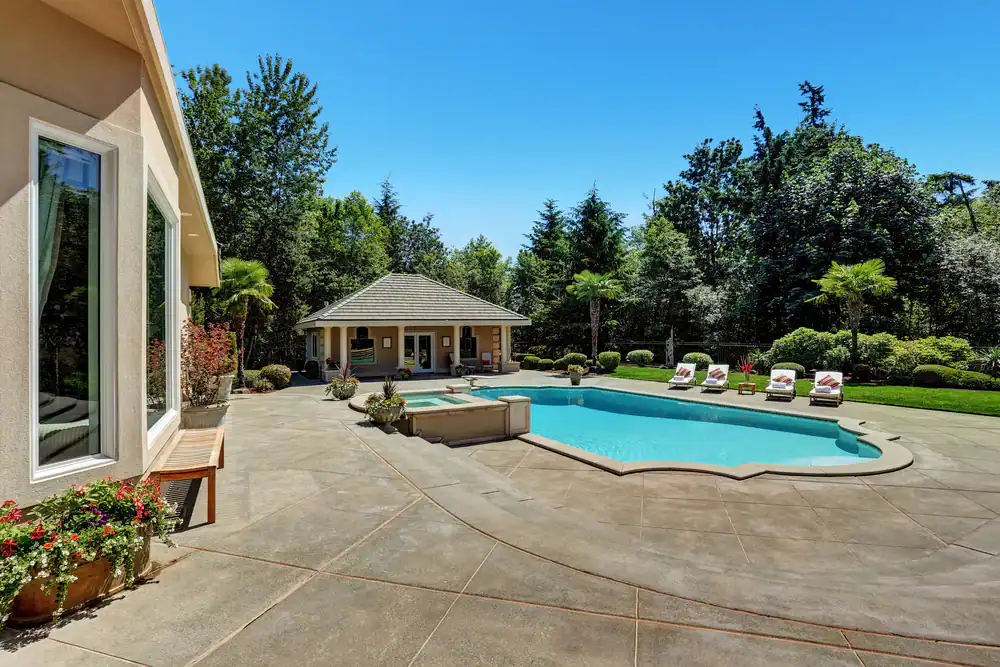
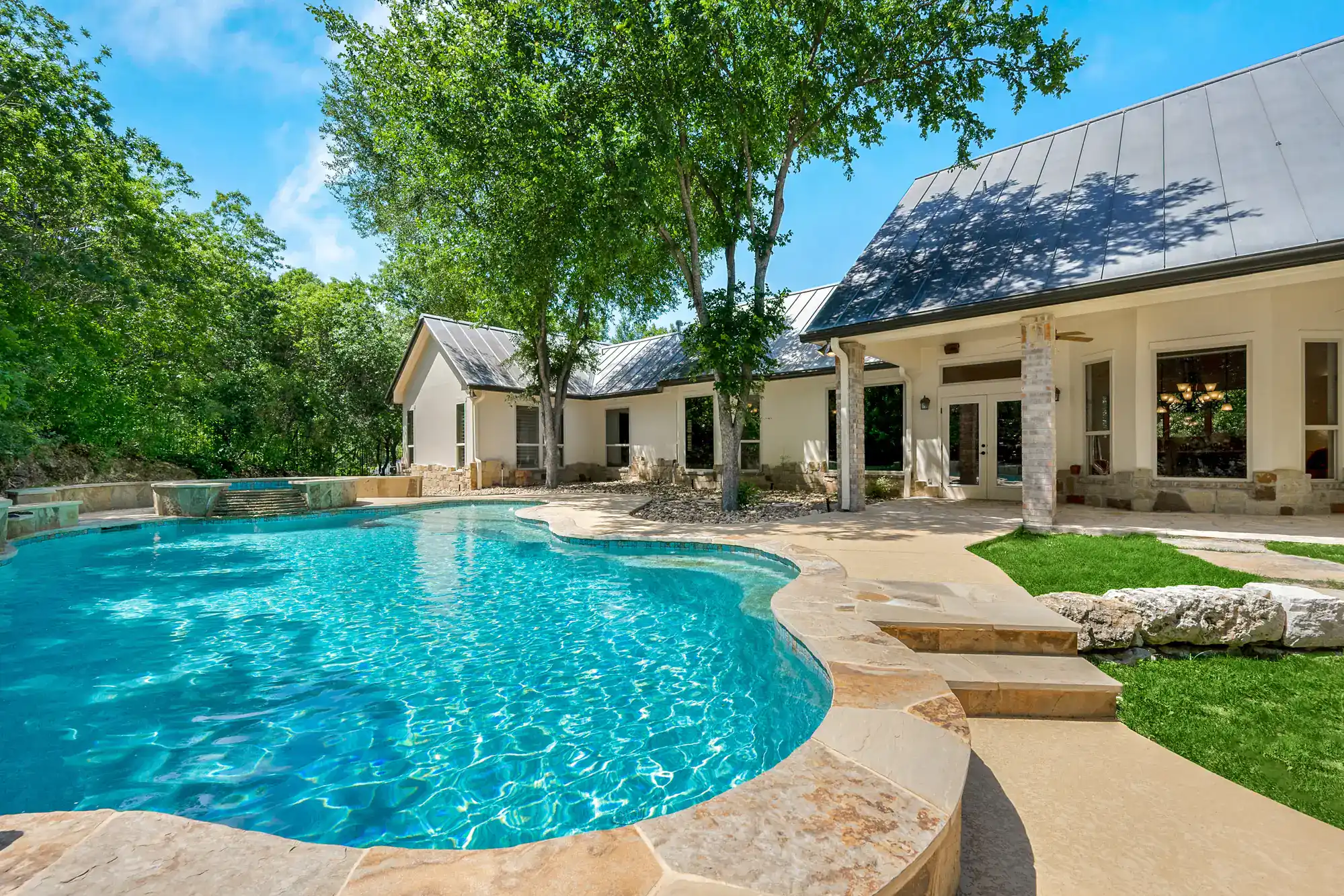
The excitement of starting your pool project can make it tempting to rush past the boring stuff. Site evaluation feels like an unnecessary delay when you’re eager to see progress. But this is where problems hide—the kind that don’t show up until you’re halfway through construction and suddenly facing thousands in unexpected costs.
Your backyard isn’t just dirt. It’s a complex mix of soil types, underground water tables, hidden utility lines, and drainage patterns that all affect how your pool will perform for decades. Skip the evaluation, and you’re essentially gambling with your investment.
What makes Douglas County, GA properties particularly tricky is the soil variation across the area. Some neighborhoods sit on clay that expands and contracts with moisture. Others have sandy soil that shifts. A few unlucky spots have rock formations that require specialized equipment to excavate. You won’t know which situation you’re dealing with until someone actually tests it.
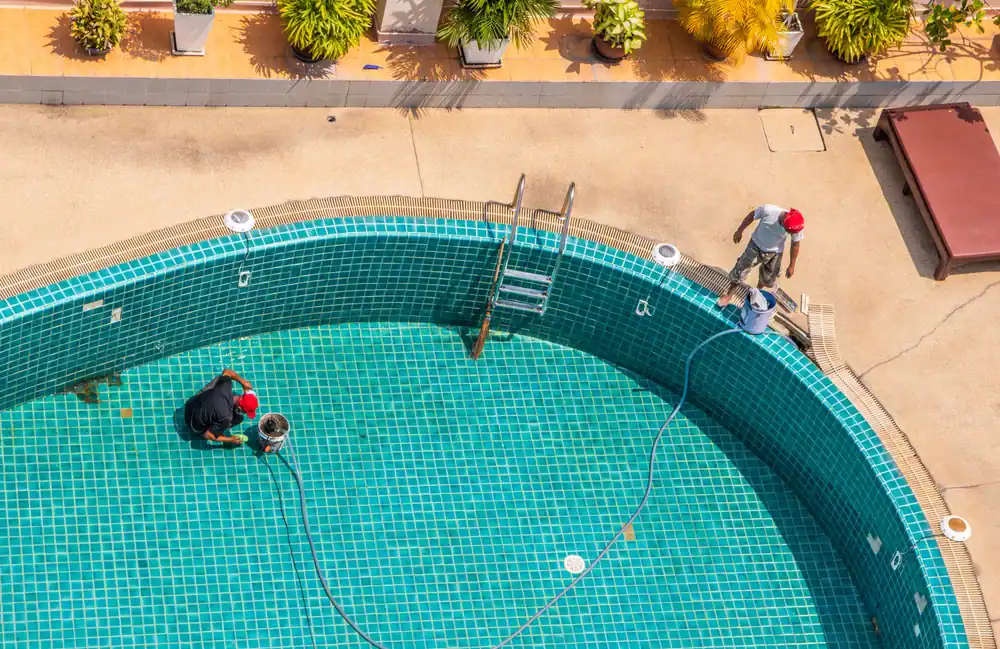
Here’s the reality: soil testing might cost you a few hundred dollars upfront. Skipping it can cost you tens of thousands when things go sideways.
Clay soil in Douglas County, GA becomes rock-hard when dry and turns into an unworkable mess when wet. If your contractor doesn’t know this before excavation starts, you’re looking at delays, additional equipment costs, and potential structural issues down the road. Clay also expands when it gets wet, which can put pressure on your pool walls and cause cracks years after installation.
Sandy soil presents a different problem. It drains well, which sounds good until you realize it also shifts and settles. Without proper compaction and support systems, your pool could develop uneven settling that leads to cracks, leaks, or even structural failure. Some areas need extra gravel backfill or specialized engineering to prevent cave-ins during excavation.
Then there’s groundwater. Dig deep enough in certain parts of Douglas County, GA and you’ll hit water before you hit your target depth. This isn’t just an inconvenience—it’s an engineering challenge that requires dewatering systems, additional excavation, and sometimes a complete redesign of your pool’s depth or location. Contractors who’ve done their homework know how to handle this. Contractors who haven’t will be learning on your dime.
Rock is the wild card. You might have a perfectly smooth excavation, or you might hit a boulder that requires jackhammering, blasting, or specialized equipment to remove. These aren’t small cost differences—we’re talking about adding days to your timeline and thousands to your budget. A soil test gives you advance warning so you can budget appropriately instead of getting blindsided mid-project.
The test itself is straightforward. A geotechnical engineer drills core samples at various points across your proposed pool site, analyzes the soil composition, checks for water tables, and provides a report that tells your contractor exactly what they’re working with. This information shapes everything from excavation methods to the type of backfill material needed to how your pool shell should be reinforced.
Smart contractors insist on soil testing before they even give you a final quote. It’s not about padding the bill—it’s about giving you an honest assessment of what your specific property requires. If a contractor waves off soil testing as unnecessary, that’s your first red flag.
Before any excavation happens, someone needs to mark where your underground utilities run. This isn’t optional. It’s the law in Georgia, and it’s free through the 811 call system. Yet some homeowners and contractors still skip this step or assume they know where lines are based on guesswork.
Hitting a gas line, electrical conduit, water main, or sewer line during excavation isn’t just expensive—it’s dangerous. You’re looking at emergency repairs, potential fines, project delays, and in worst-case scenarios, injuries or property damage. Even if you’re lucky and only hit a cable or internet line, you’re still facing repair costs and angry utility companies.
The 811 system sends representatives from each utility company to mark their lines with color-coded flags and spray paint. Give them at least three business days before excavation starts. This seems obvious, but you’d be surprised how many projects skip this because “we know where everything is.” Until you don’t, and your excavator’s bucket tears through a line that wasn’t where anyone thought it would be.
Property lines matter more than most people realize. Your pool needs to meet specific setback requirements from property boundaries. In Douglas County, GA, pools typically can’t be closer than three feet from side property lines, but requirements vary by zone and neighborhood. Build too close and you could face fines, required modifications, or even removal of the pool.
This gets complicated when property lines aren’t clearly marked or when old surveys don’t match current conditions. Fences don’t always follow actual property boundaries. That tree line you think marks your property edge might be two feet onto your neighbor’s land. Before finalizing your pool’s location, get a current survey that shows exactly where your boundaries are.
Also consider easements. Your property might have utility easements, drainage easements, or access easements that restrict where you can build. These aren’t always obvious from looking at your yard, but they’re recorded in your property deed. Building a pool over an easement can create legal headaches if a utility company needs access later.
The placement decision also affects your pool’s long-term performance. You want sun exposure for warmth but not so much that you’re constantly fighting algae. You need to account for tree roots that could damage your pool shell or plumbing lines years down the road. Large trees within 15 feet of your pool are a concern—not just for roots, but for falling leaves and branches that create maintenance headaches.
Drainage patterns matter too. You don’t want your pool at the lowest point of your yard where rainwater naturally collects. Water running toward your pool can cause erosion around the pool deck, create muddy areas, and in severe cases, even affect the pool’s structural stability. A proper site evaluation maps out how water moves across your property during heavy rain so your pool can be positioned accordingly.
All of this—soil testing, utility marking, property surveys, drainage analysis—happens before construction starts. It’s not glamorous. It doesn’t feel like progress. But it’s the difference between a pool project that goes smoothly and one that turns into an expensive nightmare.
Want live answers?
Connect with a Deep Waters Pools expert for fast, friendly support.
This is where most pool construction disasters actually begin. Not with the excavation, not with the materials, but with hiring someone who isn’t qualified to handle your project. The problem is that it’s not always obvious who’s qualified and who’s just good at selling.
Douglas County, GA has no shortage of people willing to build you a pool. Some have decades of experience and impeccable track records. Others have been in business for six months and are learning as they go. A few are actively running scams, taking deposits and disappearing. The challenge is figuring out which is which before you hand over your money.
Price is usually the first thing people look at, and that’s exactly where the trouble starts. The lowest bid almost always comes with compromises—cheaper materials, less experienced crews, cut corners, or flat-out dishonesty about what’s included. The highest bid doesn’t guarantee quality either. What you’re looking for is value: a contractor who delivers solid work at a fair price with a track record you can verify.
Some warning signs are obvious. If a contractor asks for the full payment upfront, run. Legitimate pool builders use a payment schedule tied to project milestones—typically a deposit to start, payments at key stages like excavation and shell installation, and final payment when the job is complete and inspected. Anyone asking for 60-75% before they’ve done 20% of the work is either desperate for cash flow or planning to disappear.
Pressure tactics are another red flag. “This price is only good if you sign today” or “I have another customer interested in this spot” are sales techniques designed to prevent you from doing your homework. A confident contractor with a solid reputation doesn’t need to pressure you. They know their work speaks for itself and they’re willing to let you verify it.
Be wary of contractors who can’t or won’t provide references. You should be able to speak with at least three recent customers who had similar projects. Not just names and numbers—actual conversations where you can ask about their experience, whether the project stayed on budget and on schedule, how the contractor handled problems, and whether they’d hire them again. If a contractor has been in business for several years but can’t provide references from at least half their customers, that’s telling you something.
Check their business history. How long have they been operating under their current business name? Have they filed for bankruptcy? Have they been sued? Do they have complaints with the Better Business Bureau? In Georgia, you can verify contractor licenses and check for disciplinary actions. A contractor who’s been in business less than three years is higher risk—they haven’t weathered enough projects to prove their reliability.
Watch out for contractors who dismiss permits as unnecessary or offer to skip them to save money. In Douglas County, GA, permits aren’t optional for pools deeper than 24 inches. A contractor suggesting you skip permits is either ignorant of the law or willing to break it. Either way, you don’t want them on your property. If something goes wrong or you try to sell your house later, that unpermitted pool becomes your problem.
Vague contracts are a massive red flag. Your contract should spell out exactly what’s included—specific materials by brand and model, dimensions, features, payment schedule, estimated timeline, and what happens if unexpected issues arise. “We’ll figure it out as we go” is not a business plan. It’s a recipe for disputes and cost overruns.
Be skeptical of contractors who won’t commit to handling the permit process. Legitimate builders know the local requirements and include permit handling as part of their service. If they’re pushing that responsibility onto you, it’s often because they don’t want their name on the permit or they’re not confident they can meet code requirements.
Finally, trust your gut about communication. If a contractor is hard to reach during the sales process, they’ll be even harder to reach when problems arise during construction. If they’re dismissive of your questions or make you feel stupid for asking, that dynamic won’t improve. You’re about to spend tens of thousands of dollars and have strangers working in your backyard for weeks. You need someone who communicates clearly and treats you with respect.
Start with experience. How long have they been building pools? How many have they completed in Douglas County, GA specifically? Local experience matters because they’ll understand the soil conditions, permit requirements, and inspection processes. A contractor who’s built 200 pools in Florida might struggle with Georgia clay and local building codes.
Ask about their crew. Will they be doing the work themselves or subcontracting it out? There’s nothing wrong with using subcontractors—most pool builders do—but you need to know who’s actually on your property and whether they’re qualified. Who handles the excavation? The plumbing? The electrical? Are these people employees or independent contractors? What happens if a subcontractor doesn’t show up or does shoddy work?
Get specific about the timeline. When will they start? How long will each phase take? What could cause delays and how do they handle them? Weather is always a factor in Georgia—you can’t pour concrete in freezing temperatures and heavy rain can halt excavation. A realistic timeline accounts for these possibilities. A contractor promising an unrealistically fast completion is either lying or planning to cut corners.
Dig into the budget. What exactly is included in their quote? Permits? Excavation? Backfill? Fencing? Electrical? Plumbing? Initial chemicals? Pool cover? Some contractors give you a base price that sounds great until you realize it doesn’t include half the things you need. Get everything itemized so you can compare apples to apples when evaluating different bids.
Ask about contingencies. What happens if they hit rock during excavation? What if they encounter groundwater? What if the soil conditions are worse than expected? A good contractor will have language in their contract about how these situations are handled and what the additional costs might be. An inexperienced contractor will act surprised when these issues come up and hit you with change orders.
Find out about their insurance and licensing. They should carry general liability insurance and workers’ compensation insurance. Ask to see certificates of insurance and verify they’re current. If an uninsured worker gets hurt on your property, you could be liable. If their work damages your house or your neighbor’s property, insurance matters.
Ask who handles inspections. In Douglas County, GA, you’ll need multiple inspections throughout the project—site inspection before excavation, inspections during construction, and final inspection before you can use the pool. Your contractor should coordinate all of this and ensure the work passes. If they’re vague about inspections, they might not be familiar with local requirements.
Get clarity on warranties. What’s covered and for how long? Pool shells, equipment, and labor typically have different warranty terms. Who do you call if something goes wrong in six months? Two years? Five years? Make sure warranty terms are in writing, not just verbal promises.
Ask about their payment schedule and what protections you have. Never pay the full amount upfront. A typical schedule might be 10% deposit, 30% when excavation is complete, 30% when the shell is installed, 20% when plumbing and electrical are done, and final 10% after final inspection. This protects you by ensuring you’re not over-paying for work that hasn’t been completed yet.
Finally, ask what happens if you’re not satisfied. How do they handle complaints? What’s their process for fixing mistakes? A contractor who gets defensive about these questions probably doesn’t handle problems well. One who explains their resolution process confidently is telling you they’ve dealt with issues before and know how to make them right.
These questions might feel like overkill. They’re not. You’re making a major investment in your property, and the person you hire will largely determine whether it’s a good investment or an expensive mistake. Take the time to ask, listen to the answers, and trust your instincts about whether this is someone you want to work with for the next several weeks or months.
Here’s the truth about pool construction: the mistakes that cost you the most are almost always the ones made at the beginning. Rush past site evaluation, hire the wrong contractor, skip permit requirements, or fail to plan your budget properly, and you’re setting yourself up for problems that compound as the project moves forward.
But when you take the time to do it right—when you test your soil, vet your contractors thoroughly, understand the permit process, and plan for contingencies—you’re not just avoiding problems. You’re setting yourself up for a pool that performs well, looks great, and doesn’t drain your savings account with unexpected repairs.
The pool construction process doesn’t have to be stressful. It becomes stressful when surprises pop up that could have been prevented with better planning. Every question you ask, every reference you check, every detail you nail down before construction starts is one less thing that can go wrong later.
If you’re ready to move forward with your pool project in Douglas County, GA and want to work with a team that’s been doing this for over 30 years, we handle everything from site evaluation to final inspection at Deep Waters Pools. No surprises, no shortcuts, just quality construction backed by decades of experience building pools that last.
Summary:
Article details:
Share: