Your gunite pool can last 30+ years—but only with consistent professional pool maintenance services. Discover how proper care in Douglas County, GA protects your investment and prevents costly failures.
Ask five pool companies how long a gunite pool lasts and you’ll get five different answers. Twenty years. Fifty years. A hundred years. They’re all technically correct, depending on what part of the pool you’re talking about.
The gunite shell itself—that concrete structure sprayed over rebar—can genuinely last 50 to 100 years if it’s built correctly and maintained consistently. Concrete is incredibly durable. But your pool isn’t just a shell sitting in your backyard. It’s a complex system with plaster that needs resurfacing every 10 to 15 years, pumps that last 8 to 10 years, filters that wear out, heaters that eventually fail, and dozens of other components that all have finite lifespans.
The realistic target for a well-maintained gunite pool in Douglas County is 30 to 50 years of solid performance. That means the shell stays structurally sound, you resurface on a normal schedule, equipment gets replaced as expected, and the pool functions beautifully the entire time. Hit 30 years and you’ve protected your investment. Push toward 50 and you’ve genuinely maximized what’s possible.
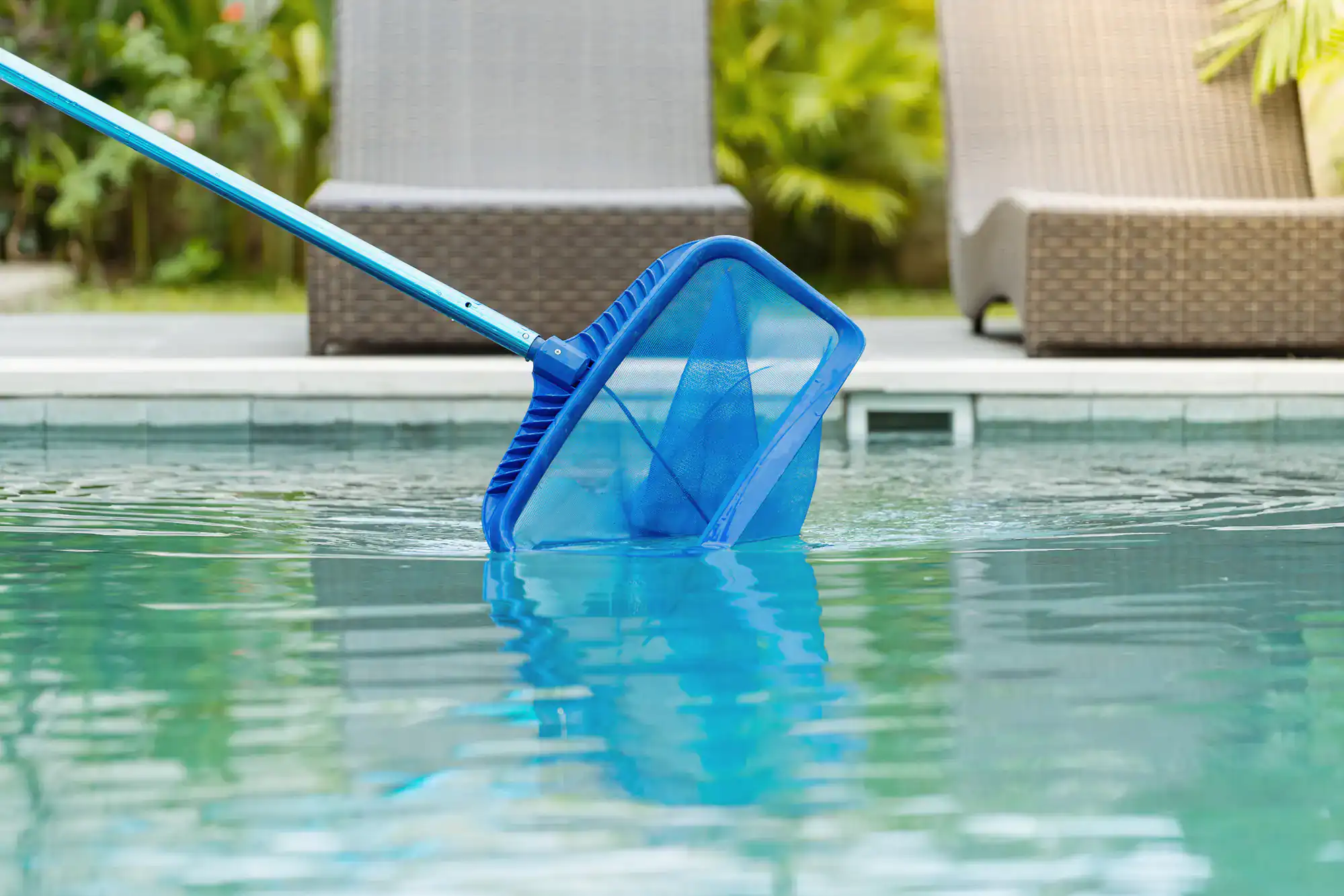
The shell isn’t your concern, at least not for decades. What fails first is everything else, and it fails faster when pool maintenance services get skipped or done incorrectly.
Your pump runs every single day, circulating thousands of gallons through your filtration system. With professional pool maintenance services, it reaches its full 8 to 10 year lifespan. Without it, you’re replacing that pump at year 5 or 6, spending $800 to $1,500 plus installation for a failure that was completely preventable.
The failure isn’t random. Pumps die early because skimmer baskets don’t get cleared and debris damages the impeller. Because pump baskets overflow and the motor runs dry. Because clogged filters force the pump to work twice as hard. Because nobody’s monitoring for unusual sounds or vibrations that signal problems developing. All of this is basic maintenance that professionals handle at every visit.
Filters follow the same pattern. A cartridge filter maintained properly lasts 2 to 4 years. Sand filters push 5 to 7 years. DE filters can hit 10 years with correct care. But “correct care” means knowing when to backwash versus chemically clean, monitoring pressure gauges, and understanding how Georgia’s climate affects filtration needs. Most DIY owners don’t know these details, so filters fail early and water quality suffers.
Heaters are particularly vulnerable because they’re dealing with both heat and water chemistry. Scale buildup from improper calcium levels reduces efficiency and eventually causes failure. Corrosion from imbalanced pH eats through components. Debris accumulation blocks airflow. A maintained heater gives you 10 to 12 years. A neglected one might make it to 6 or 7 before it’s done, costing you $2,000 to $4,000 for a replacement that came too soon.
Then there’s your plaster surface—the part everyone sees and judges. Normal resurfacing happens every 10 to 15 years and costs $6,000 to $15,000. That’s just part of owning a gunite pool. But poor maintenance accelerates that timeline dramatically. Unbalanced water chemistry etches the surface. Algae growth causes staining. Calcium buildup creates rough patches. Suddenly you’re resurfacing at year 8 instead of year 13, and that premature $10,000 expense is directly attributable to inadequate pool maintenance services.
None of this is about your pool being poorly constructed. We build quality gunite shells that can absolutely reach 30-plus years. But that potential only gets realized when professional pool maintenance services protect what was built. Equipment doesn’t care about good intentions. It cares about whether someone knowledgeable is checking it regularly, maintaining proper chemistry, and catching problems before they cascade into failures.
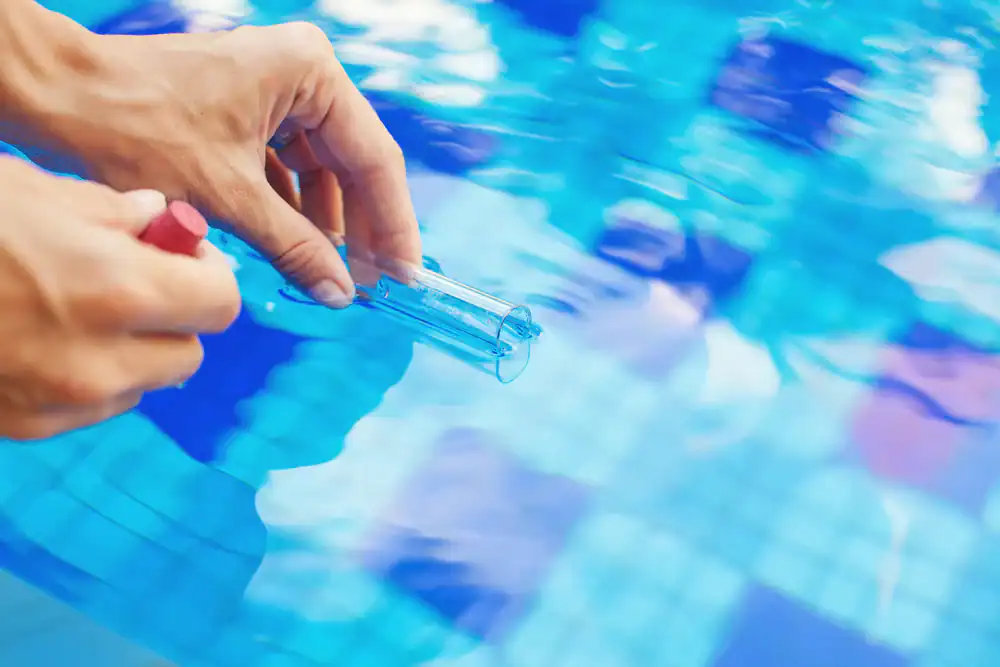
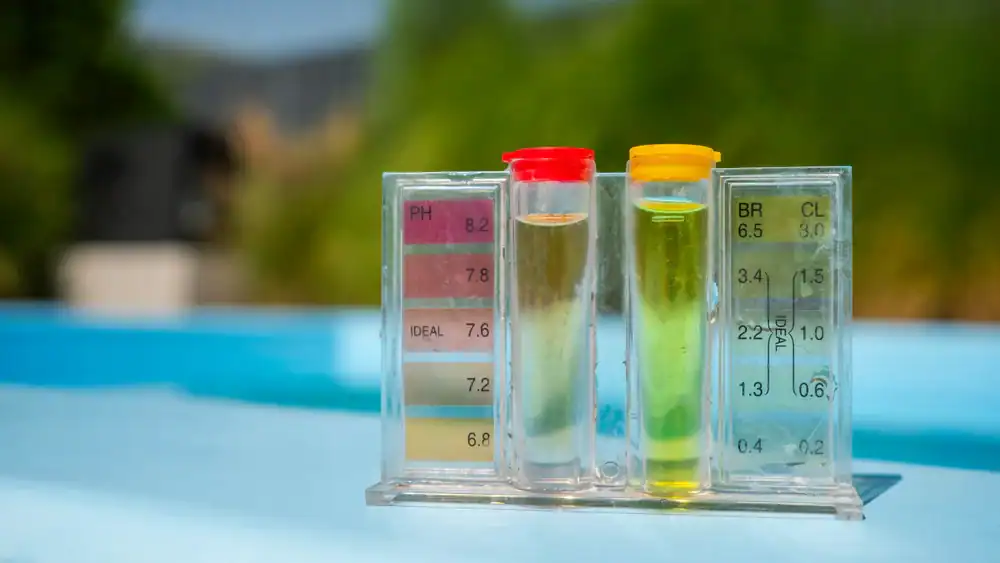
Water chemistry sounds straightforward until you’re actually trying to balance pH, alkalinity, calcium hardness, chlorine, cyanuric acid, and the dozen other factors that all affect each other. Get it wrong, and you’re not just dealing with cloudy water. You’re actively damaging your pool and equipment.
Low pH water is corrosive. It eats away at rubber seals in your pump, metal fittings throughout your plumbing, and any other components it contacts. Your pump seals fail prematurely. Your heater corrodes from the inside. Filter connections start leaking. You think you’re saving money handling your own pool maintenance, but you’re actually spending thousands extra on equipment replacement that shouldn’t have been necessary.
High calcium hardness creates the opposite problem with equally expensive results. Scale builds up inside pipes, on heater elements, throughout your filtration system, and on your pool’s plaster surface. Water flow gets restricted, forcing your pump to work harder. Heater efficiency drops as scale insulates the heating elements. Eventually something fails, and you’re paying for repairs that proper pool maintenance services would have prevented entirely.
The gunite shell care aspect is even more critical. Gunite pools have a porous plaster finish that’s more susceptible to chemical damage than fiberglass or vinyl. Unbalanced water etches that surface, creating rough spots that harbor algae and feel terrible underfoot. Excessive calcium causes scaling that’s difficult or impossible to remove without acid washing or resurfacing. Improper chlorine levels lead to staining that won’t come out.
Professional pool maintenance services test water multiple times weekly and adjust chemicals in small, precise increments. We understand that Douglas County’s warm climate accelerates algae growth. We know that after heavy rain, your chemistry is completely different and needs immediate adjustment. We catch imbalances before damage occurs.
DIY pool owners test weekly if they remember, add chemicals based on what the test strip kind of looked like, and hope for the best. Sometimes it works fine. Sometimes it doesn’t, and by the time they notice problems, the damage is done. The plaster is etched. The equipment is corroded. The heater has scale buildup. And fixing all of it costs exponentially more than professional pool maintenance services would have cost.
This isn’t about capability or intelligence. It’s about experience, knowledge, and consistency. We’ve balanced hundreds of pools and know exactly what Douglas County water does to pool chemistry across different seasons. We’ve seen every scenario. We know what works and what fails. You’re learning as you go, and your pool is paying tuition for that education in the form of premature wear and expensive repairs.
Want live answers?
Connect with a Deep Waters Pools expert for fast, friendly support.
Your pool equipment represents $3,000 to $6,000 of your total investment, and unlike the gunite shell, it doesn’t last forever. A quality pump costs $800 to $1,500. A heater runs $2,000 to $4,000. Filters range from $200 to $800 depending on type.
How long this equipment lasts is almost entirely determined by maintenance quality. Professional pool maintenance services extend equipment to its full expected lifespan. Neglect or improper DIY maintenance cuts that lifespan short, forcing premature replacements that devastate your budget.
The difference between an 8-year pump and a 5-year pump is maintenance. Same with filters, heaters, and every other mechanical component. When multiple pieces of equipment fail around the same time because they’ve all been stressed by poor maintenance, you’re facing a $4,000 to $8,000 financial hit that makes you wish you’d invested in professional service from day one.
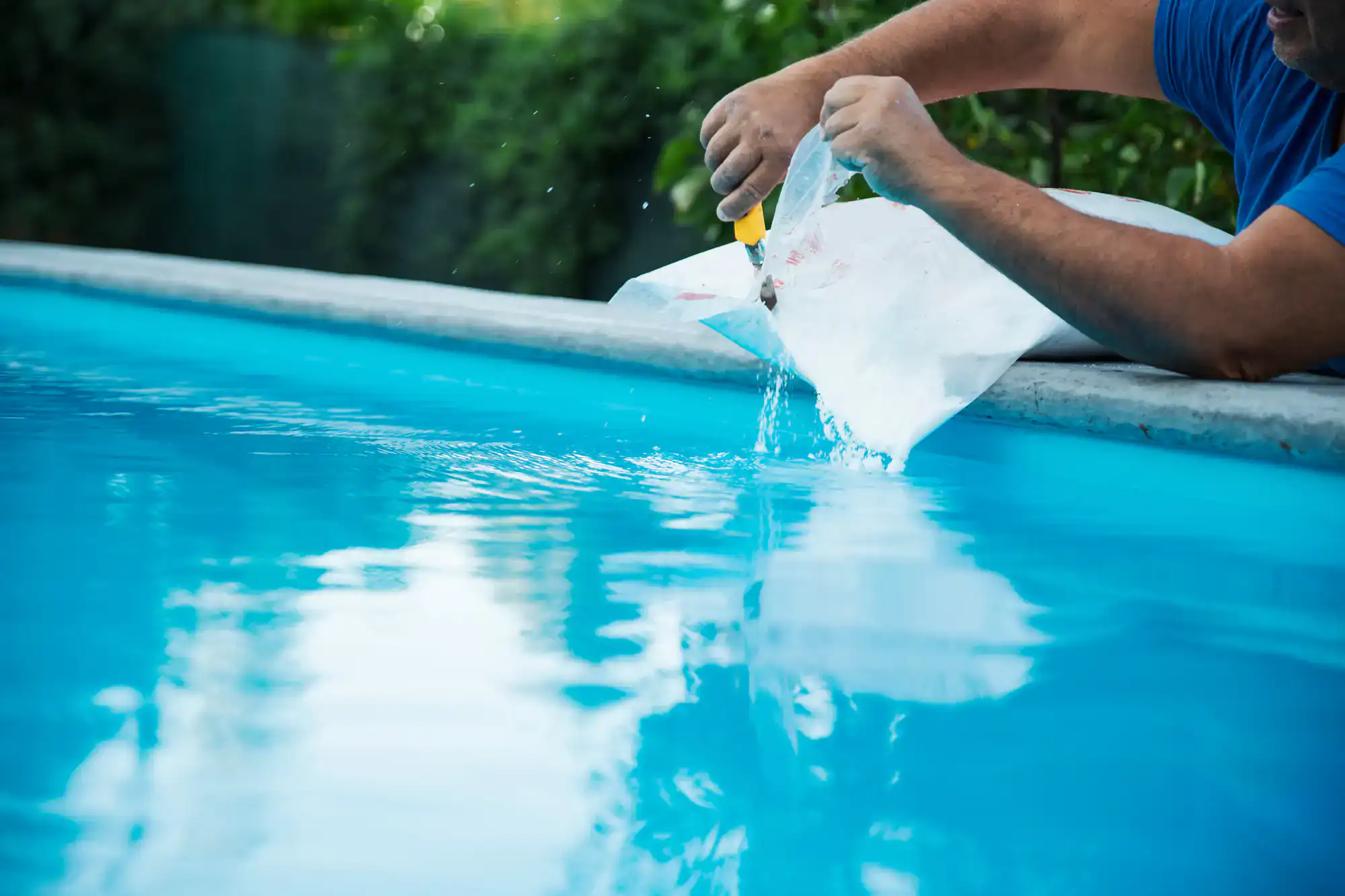
Equipment fails for predictable, preventable reasons. Pumps burn out because they run dry, work against clogged filters, or deal with debris that should have been cleared. Heaters fail because scale builds up or corrosion eats through components. Filters stop working because they’re never properly cleaned. All of these failures are preventable through consistent professional pool maintenance services.
Professional maintenance catches issues before they become failures. Skimmer and pump baskets get cleared weekly so pumps never run dry or strain against blockages. Pressure gauges get monitored so filters get cleaned at exactly the right time—not too early, not too late. Water chemistry stays balanced so scale doesn’t form and corrosion doesn’t start. Equipment gets inspected regularly so unusual sounds, vibrations, or performance changes get addressed immediately.
Think about your car. You change oil every 5,000 miles not because the engine explodes at 5,001 miles, but because consistent maintenance prevents the gradual accumulation of damage that eventually causes catastrophic failure. Pool equipment works identically.
A pump receiving professional pool maintenance services runs cool, moves water efficiently, and reaches its full 8 to 10 year lifespan. A neglected pump runs hot, works harder than designed, and fails at year 5 or 6. Over 30 years, that’s the difference between replacing your pump three times versus six times. That’s an extra $2,400 to $6,000 spent just on pumps, not counting the emergency pool pump repair calls when failures happen at the worst possible time.
Filters tell the same story. When they’re cleaned properly and on schedule, they last their full lifespan and work efficiently the entire time. When neglected, they clog, restrict flow, stress the pump, and need replacement years early. Plus, while they’re clogged, your water quality suffers, creating additional problems with algae and chemistry that compound the damage.
Heaters are particularly sensitive because they’re dealing with heat and water chemistry simultaneously. Scale buildup on heating elements reduces efficiency first, then causes complete failure. Corrosion from imbalanced water does the same thing. A heater maintained by professional pool maintenance services gives you 10 to 12 years. One maintained haphazardly might make it to 6 or 7 years before it’s finished.
The math is straightforward. Professional pool maintenance services cost $80 to $150 monthly, roughly $1,000 to $1,800 annually. Premature equipment replacement costs thousands every few years. Over a 30-year period, the pool that skipped professional maintenance spent $10,000 to $20,000 more on equipment than the one that didn’t. That’s not counting emergency service calls, unexpected pool pump repair costs, or the resurfacing that came years too early because of poor chemistry maintenance.
There’s a substantial difference between someone showing up to skim leaves and actual professional pool maintenance services. Real maintenance is systematic, thorough, and based on what your specific pool needs in Douglas County’s climate, not just a generic checklist.
Every visit should include comprehensive water testing and precise chemical adjustment. Not just tossing in chlorine and hoping, but actually testing pH, alkalinity, calcium hardness, and chlorine levels, then making calculated adjustments based on current conditions, recent weather, and pool usage patterns. This single service prevents the majority of problems that plague DIY-maintained pools.
Baskets get cleared at every visit—both skimmer baskets and pump baskets. Debris that makes it past the skimmer basket ends up in the pump basket. Debris that makes it past the pump basket damages your impeller or clogs your filter. Clearing these regularly is basic, but basic matters when it prevents $1,200 pool pump repair bills.
The pool surface gets brushed and vacuumed. Brushing disrupts algae before it establishes and prevents buildup on the plaster surface that’s critical to proper gunite shell care. Vacuuming removes debris before it stains or breaks down into particles that clog your filter. This isn’t cosmetic—though clean pools certainly look better. It’s about preventing accumulation that causes long-term damage to your investment.
Filters get cleaned or backwashed based on pressure readings, not arbitrary schedules. When pressure rises 8 to 10 psi above normal operating levels, it’s time to clean. Not before, not after. Cleaning too frequently wastes water and chemicals. Cleaning too late stresses equipment. Professional pool maintenance services monitor this precisely and get it right every time.
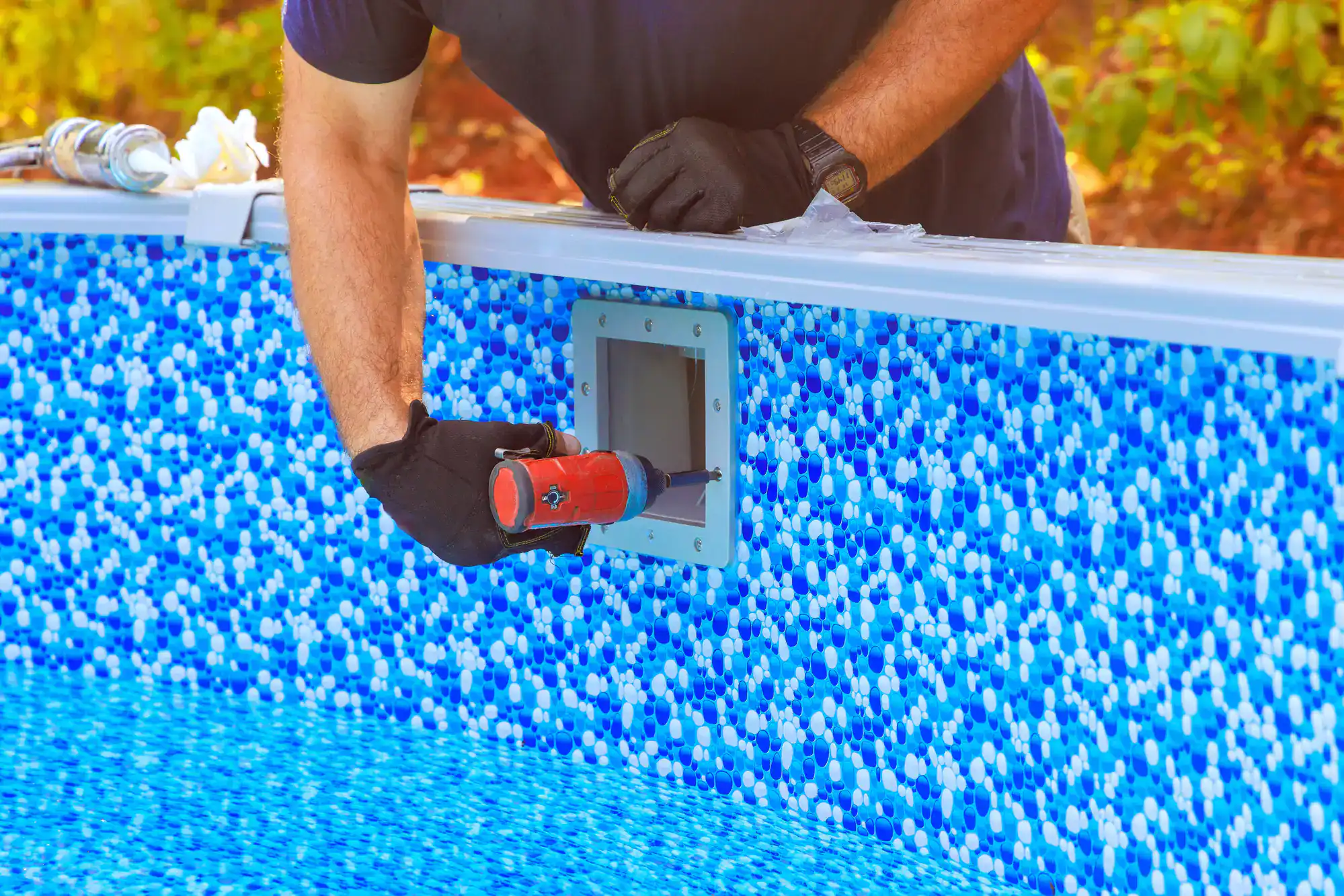
Equipment inspection happens at every visit. Unusual noises, vibrations, leaks, or performance changes get caught early when they’re minor issues requiring simple pool pump repair, not later when they’re expensive replacements. A small leak at a pump seal gets fixed for $50. Ignoring it until the motor burns out costs $1,200. That’s the value of regular professional inspection.
Seasonal maintenance happens when it should based on actual Douglas County weather patterns, not generic calendar dates. Winterizing pools in Georgia requires different timing and procedures than northern states. Too early and you risk algae growth in warm spells. Too late and you risk freeze damage during unexpected cold snaps. We know exactly when to winterize based on temperature trends and forecast data.
This level of consistent, knowledgeable care is what extends your pool’s lifespan from 20 years to 30-plus years. It’s what keeps equipment running for its full expected life instead of failing prematurely. It’s what prevents the slow accumulation of damage that eventually forces expensive repairs or early resurfacing. And it’s what separates pools still going strong at 30 years from pools struggling to survive at 20.
Your gunite pool represents one of the largest investments you’ll make in your Douglas County property. Whether it reaches 20 years or pushes past 30 depends almost entirely on the pool maintenance services decisions you make starting now.
Professional pool maintenance services aren’t an expense—they’re insurance against the much larger costs of neglect. Premature equipment failure, early resurfacing, surface damage from poor gunite shell care, and structural issues all cost exponentially more than regular professional care. The pools that last 30-plus years aren’t lucky. They’re maintained by professionals who understand what gunite pools need in Georgia’s climate.
We provide comprehensive pool maintenance services throughout Douglas County, GA, backed by over 30 years of hands-on experience building and maintaining gunite pools. We understand exactly what your pool needs to reach its full 30-year potential—from proper water chemistry and equipment care to seasonal winterizing pools procedures specific to Georgia’s climate. If you’re ready to protect your investment and ensure your pool lasts decades instead of just years, we deliver the professional expertise your pool deserves.
Summary:
Share: