
Hear from Our Customers
Here’s what actually matters: you get a pool that’s ready when the weather heats up, not when summer’s already over. Above ground pools don’t require the massive excavation, permitting delays, or five-figure price tags that come with traditional in-ground construction.
You’re looking at installation measured in days. The process is straightforward, the timeline is predictable, and you’re not stuck dealing with a torn-up yard for months while contractors figure out Georgia’s clay soil issues.
Cost runs around $4,000 for a quality setup versus $65,000 or more for in-ground. That’s not a small difference when you’re trying to give your family a place to cool off without refinancing your house. You get the same summer enjoyment, the same family time, and way less financial stress.
We handle above ground pool installation across South Georgia, including Cogdell and the surrounding Clinch County area. We’ve worked with enough properties out here to know that soil conditions make or break your pool’s longevity.
Georgia’s red clay expands when it gets wet. Sandy loam loses its structure under weight. If your pool isn’t installed with proper grading and drainage, you’ll have problems within a year or two. We test soil, grade the site correctly, and make sure water from those heavy summer storms doesn’t pool around your setup.
You’re not getting a crew that shows up, drops a pool on uneven ground, and disappears. You’re getting installation that accounts for the reality of rural Georgia properties.
First, we come out and look at your property. We’re checking soil type, drainage patterns, and where the pool actually makes sense based on your yard layout. This isn’t a fifteen-minute walkthrough—we’re identifying potential issues before they become your problem.
Next, we prep the site. That means grading the area so it’s level, addressing any drainage concerns, and making sure the ground can support the pool’s weight when it’s filled. Georgia soil requires specific prep work, and skipping steps here is how pools fail early.
Then we install the pool itself. Depending on the size you choose, this takes anywhere from one to three days. We’re setting up the structure, installing the liner, connecting filtration systems, and making sure everything is sealed and functioning correctly.
After installation, we walk you through maintenance basics and answer any questions about your specific setup. You’ll know how to keep the water balanced, what to watch for, and when to call if something seems off. Then you’re swimming.
Ready to get started?
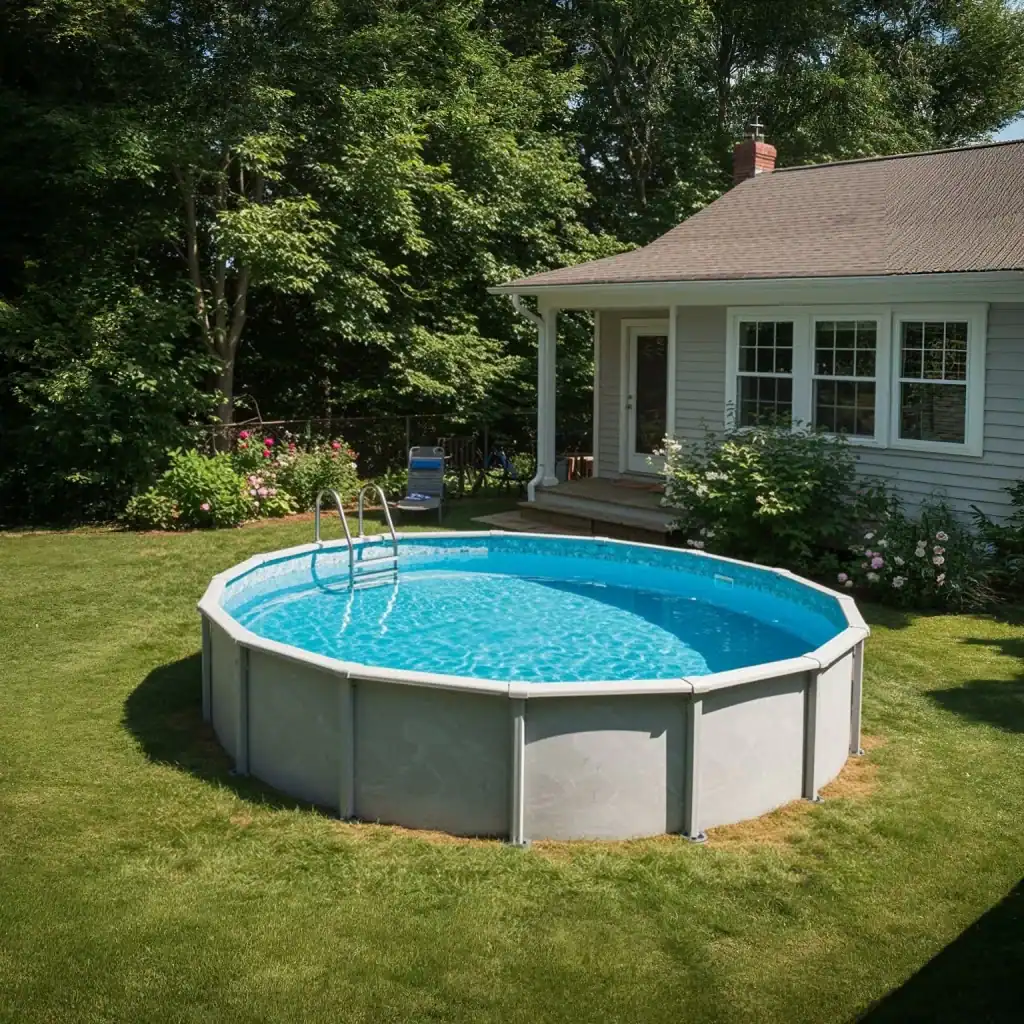
You’re choosing from pool sizes that fit real backyards, not catalog fantasies. We work with models ranging from compact 15-foot rounds up to 41-foot ovals that hold over 15,000 gallons. The size you pick depends on your property, your family size, and how you’ll actually use the pool.
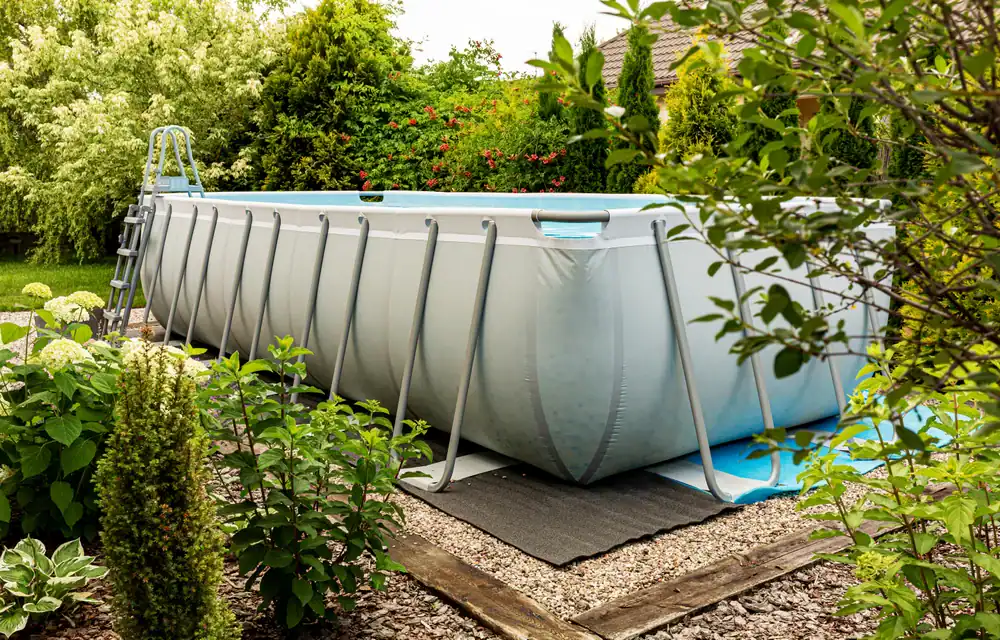
Construction quality matters more than most people realize. Steel-walled pools hold up better in Georgia’s weather than resin alternatives, especially when you’re dealing with temperature swings and storm conditions. You want a pool that lasts 20 to 40 years, not something that starts deteriorating in five.
Our pool services include site evaluation, soil testing, grading, installation, and equipment setup. We’re handling the filtration system, pump installation, and making sure your drainage works correctly. In Cogdell and the surrounding area, drainage is critical—summer storms drop heavy rain fast, and poor drainage will undermine your pool’s foundation.
You also get guidance on local considerations. Clinch County properties often have well water, which affects your water chemistry differently than city water. We’ll walk you through what that means for your maintenance routine so you’re not guessing or wasting money on chemicals that don’t work.
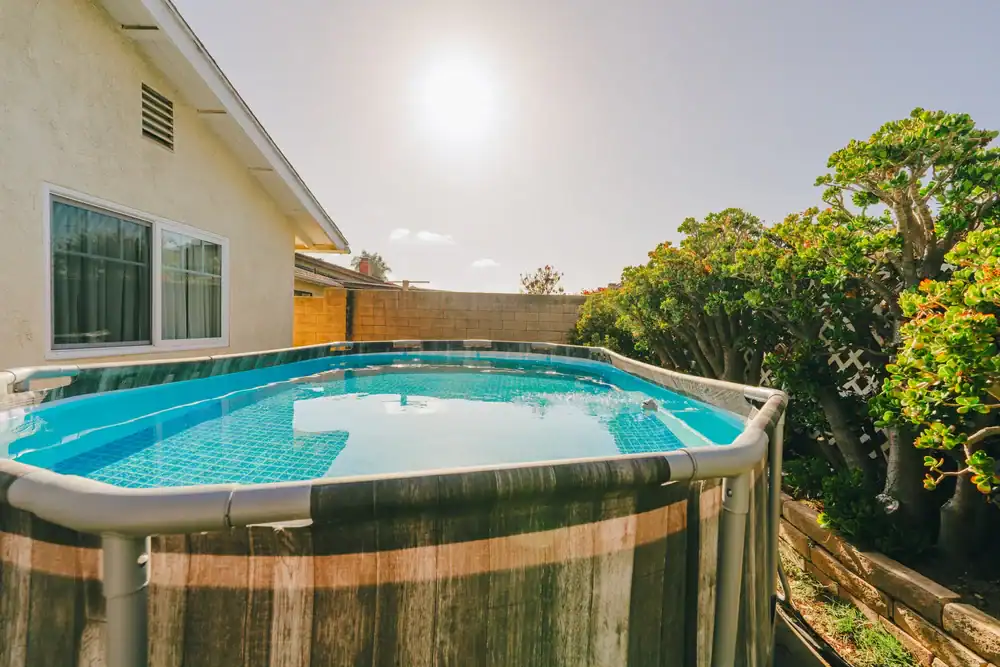
Installation itself takes one to three days depending on pool size and site conditions. That’s the physical setup—structure, liner, equipment, and fill.
But the full timeline includes site prep, which we typically schedule a few days before installation. If your property needs significant grading or drainage work, add another day or two. Most customers are swimming within a week of when we start.
Compare that to in-ground pools, which take months from excavation to completion. You’re not waiting through permit delays, concrete curing, or dealing with weather shutting down construction for weeks at a time. Above ground installation moves fast because there’s no excavation, no heavy equipment tearing up your yard, and fewer variables that cause delays.
It can, but only if the site isn’t prepped correctly. Georgia clay expands when saturated and contracts when dry. That movement will shift an improperly installed pool, causing structural stress and potential liner damage.
We handle this by testing your soil first, then grading the site to ensure it’s level and stable. If needed, we’ll add a sand base or gravel layer to create a stable foundation that won’t shift. Proper drainage is just as important—we make sure water from rain or pool splash doesn’t collect around the base, which would saturate the clay and cause movement.
This is why site prep matters. A pool dropped on unprepared clay soil will have issues. A pool installed on properly graded, stable ground with good drainage will last decades. The difference is in the prep work, not the pool itself.
Above ground pools typically run around $4,000 for a quality installation including equipment. In-ground pools start around $65,000 and go up from there depending on size and features.
That’s not just a price difference—it’s a completely different financial commitment. You’re saving over $60,000, which for most families in Clinch County is the difference between having a pool this year or not having one at all. The median household income in this area is around $56,000, so an in-ground pool represents more than a year’s gross income. That’s not realistic for most people.
Above ground pools also cost less to maintain, use less water, and require less expensive repairs when something does go wrong. You’re not just saving money upfront—you’re saving money every year you own the pool.
Most above ground pools need a flat area that’s about three feet larger than the pool diameter on all sides. So a 24-foot round pool needs roughly a 30-foot by 30-foot area.
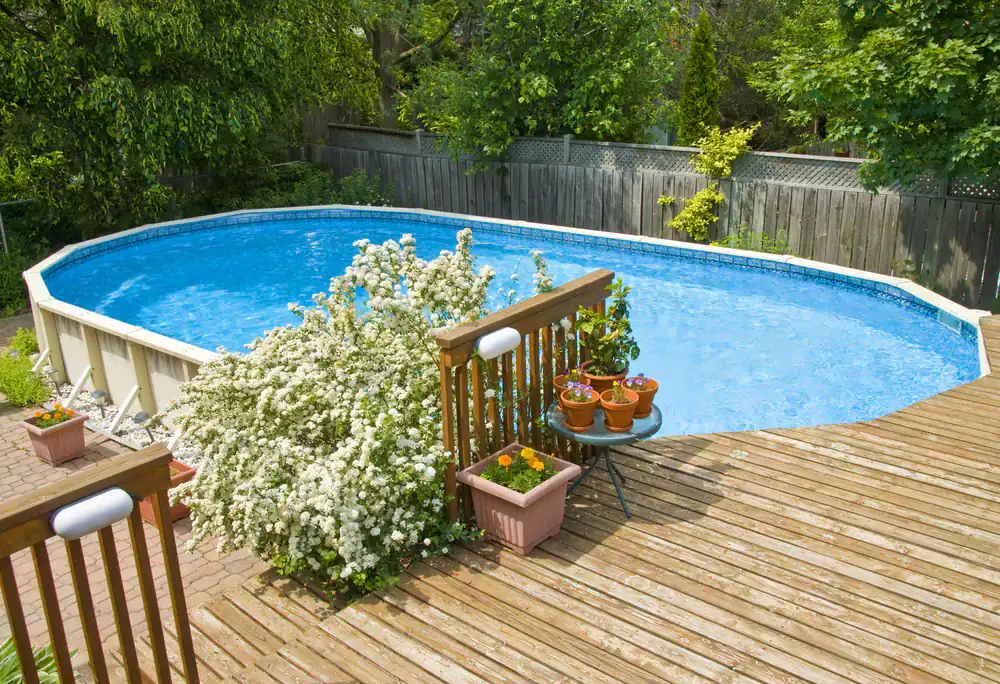
You also need to consider access for installation—we need to get the pool materials to the site, which means clear pathways through your yard. And you’ll want some deck or patio space around the pool for getting in and out safely, so factor that into your space planning.
We’ll evaluate your property during the initial consultation and tell you exactly what will fit and where it makes the most sense. Sometimes the obvious spot isn’t the best spot once you consider sun exposure, drainage, and access. We’ve installed pools on properties ranging from small suburban lots to multi-acre rural land, so we can work with most yard configurations.
You’re testing water chemistry weekly and adjusting chemicals as needed to keep pH and chlorine levels balanced. That takes about ten minutes once you know what you’re doing.
You’re running the filter system daily during swim season—usually six to eight hours per day. You’ll backwash or clean the filter every few weeks depending on usage and debris. And you’re skimming leaves and debris off the surface regularly, which takes five minutes if you do it daily or thirty minutes if you let it pile up.
Seasonal maintenance includes opening the pool in late spring (cleaning, refilling if needed, starting up equipment) and closing it in fall (draining to appropriate levels, winterizing equipment, covering). Each of those is a few hours of work, or you can hire it out. The ongoing maintenance is manageable for anyone who’s willing to stay on top of it. Let it slide for weeks, and you’ll be dealing with algae and cloudy water that takes real effort to fix.
Yes, above ground pools can be disassembled and moved, which is one advantage over in-ground construction. You’re not leaving a $65,000 investment behind if you sell your house.
That said, moving a pool isn’t simple. The liner usually needs replacing because it’s difficult to remove and reinstall without damage. Some structural components may not survive disassembly, especially if the pool is several years old. And you’ll need professional help with both teardown and reinstallation at the new location.
It’s cheaper than buying a new pool, but it’s not free. Most people factor in $1,000 to $2,000 for a professional move depending on pool size and distance. If you’re planning to stay in your Cogdell property long-term, this isn’t a concern. But if you think you might relocate in a few years, it’s worth knowing your pool can come with you—even if it takes some effort.