

Hear from Our Customers
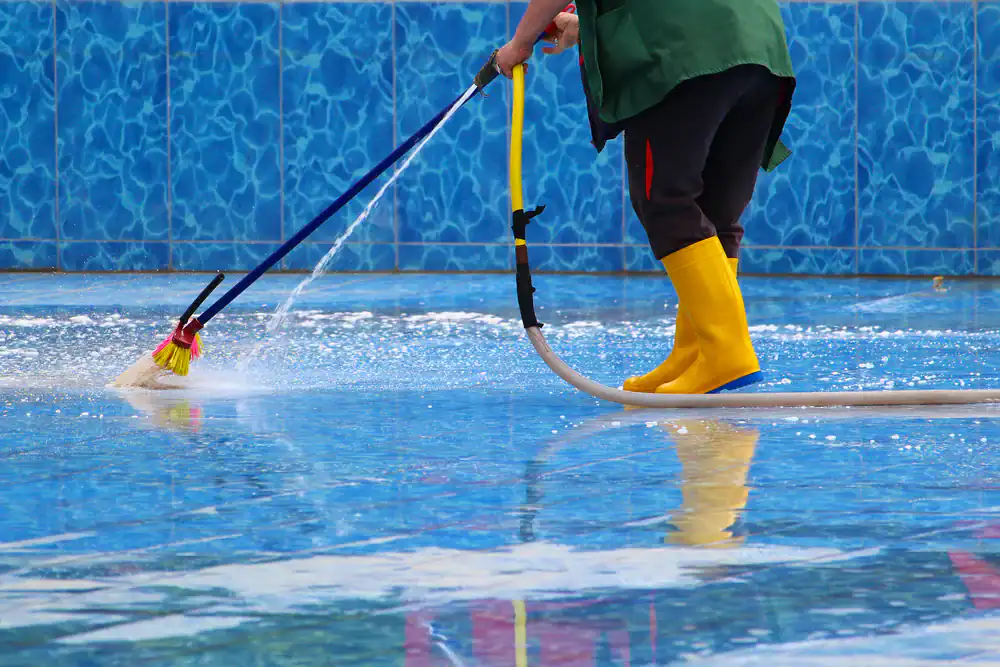
You get your Saturday back. No more spending three hours skimming leaves, balancing chemicals, or vacuuming the bottom in the Georgia heat.
Your pool stays ready to use. Water stays clear, equipment runs smoothly, and you don’t have to think about pH levels or chlorine tablets.
The work happens on a schedule that fits your life. We show up, handle everything from surface to filter, and you come home to a pool that looks like you spent all day on it. You’ll know when something needs attention before it becomes expensive, because we catch the small stuff early—worn seals, clogged lines, pressure issues that most people miss until the pump quits.
We’ve been maintaining pools in this area for over 30 years. We’re licensed, insured, and rated 4.7 out of 5 by homeowners who needed reliable service without the runaround.
We’re not new to Georgia pools or the challenges they bring—pollen in spring, heat all summer, leaves in fall, and freeze risks in winter. Cogdell sits in Douglas County where pools need year-round attention, not just seasonal check-ins.
You’re working with a local company that answers the phone, shows up on time, and knows what a pool in this climate actually requires.
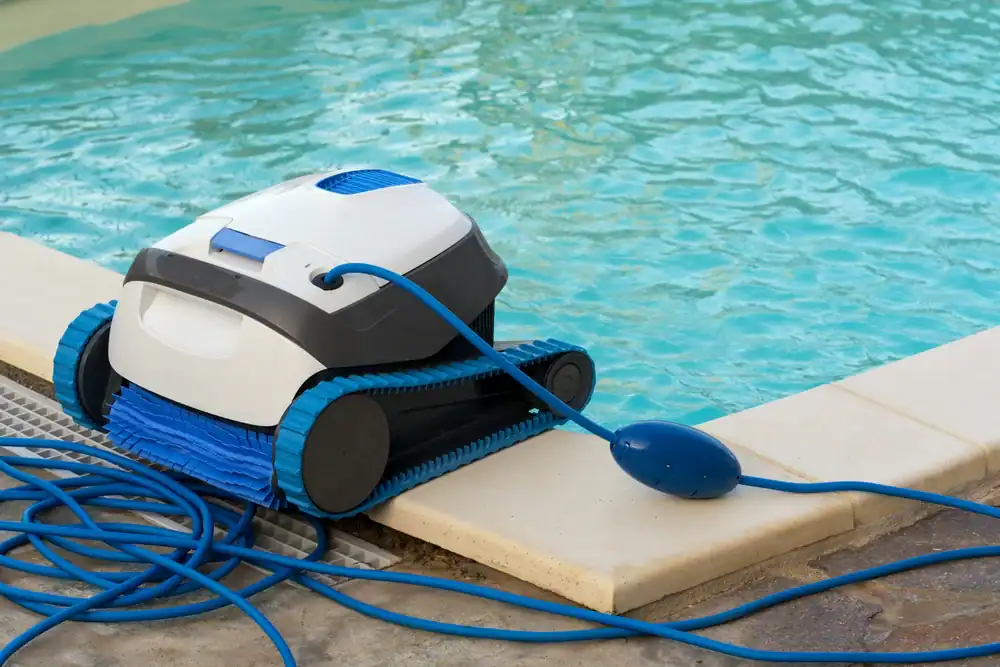
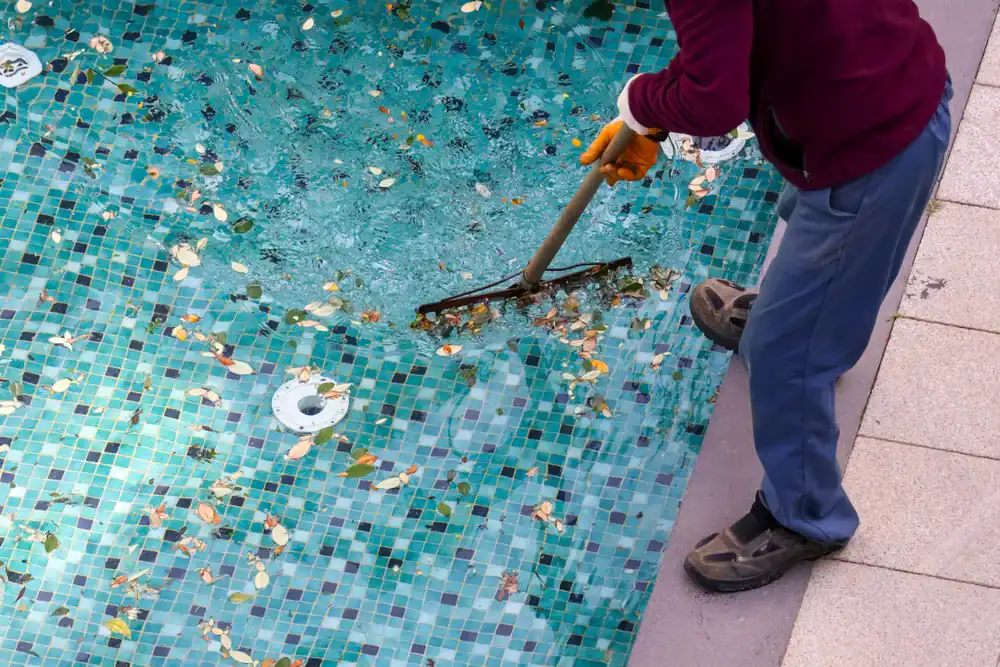
We start at the surface. Leaves, bugs, and debris get skimmed off before they sink and stain. Then we brush the walls and steps to prevent algae buildup, especially in shaded areas where it loves to grow.
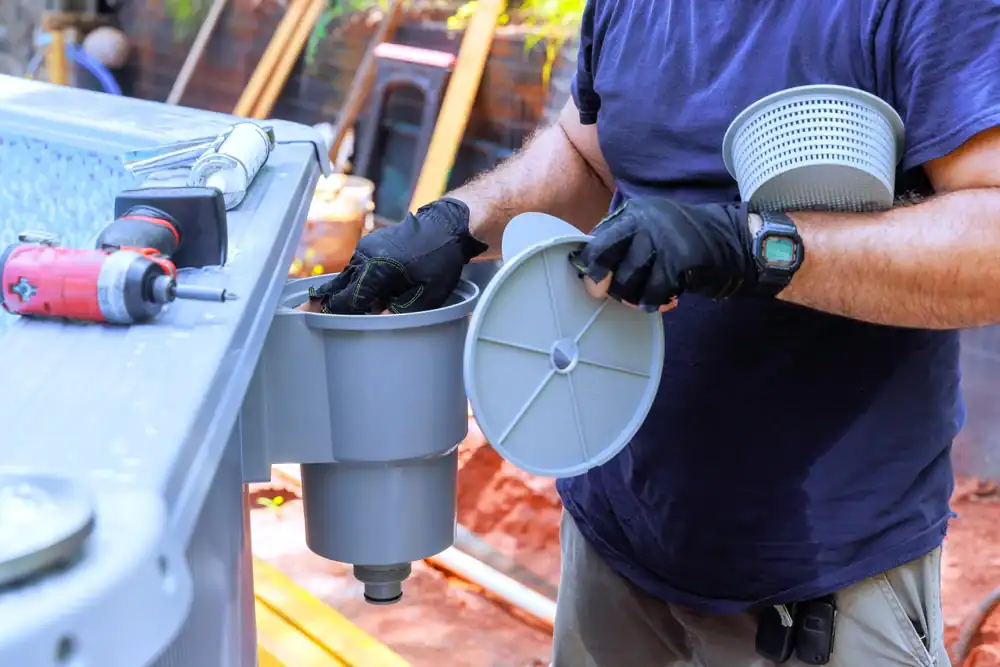
Next is vacuuming the floor. We clear dirt, sand, and anything that settled overnight. After that, we check your filter and empty the baskets—skimmer and pump. If the pressure’s off, we’ll backwash or clean the filter depending on what type you have.
Then comes water testing. We check pH, chlorine, alkalinity, and calcium hardness. If anything’s out of range, we adjust it on the spot with the right chemicals in the right amounts. No guessing, no over-chlorinating.
Before we leave, we inspect your equipment. Pump, heater, valves, lines—we’re looking for leaks, unusual noise, or wear that could turn into a breakdown. If we see something, you’ll know that day.
Ready to get started?
Every visit covers skimming, brushing, vacuuming, and basket cleaning. We test and balance your water chemistry, check all equipment, and handle any adjustments needed to keep everything running.
In Douglas County, pollen is heavy in spring and storms drop debris year-round. We account for that. Your pool gets the attention it needs based on what’s actually happening outside, not a one-size-fits-all checklist.
You’ll also get a heads-up if something’s wearing out. We’ve seen enough pools to know when a valve’s about to fail or a pump’s pulling too much power. Catching it early saves you from emergency repairs and downtime when you actually want to swim.
Most residential pool cleaning in this area runs between $75 and $150 per month depending on size and frequency. We’ll give you a straight quote based on your pool, your property, and what you actually need—not what sounds good in an ad.
Most pools in Georgia need weekly service. The warm climate means algae grows faster, debris falls constantly, and water chemistry shifts more than it would up north.
If you have a lot of trees or your pool gets heavy use, weekly is the standard. Some people try bi-weekly to save money, but they usually end up with cloudy water or algae blooms that cost more to fix than they saved.
Skipping weeks doesn’t just make the pool dirty—it stresses your equipment. Filters clog faster, pumps work harder, and chemical swings get bigger. Weekly maintenance keeps everything stable and catches problems while they’re still small.
Green water means algae took over, usually because chlorine dropped too low or circulation stopped. It happens fast in Georgia heat—sometimes in just a few days if conditions are right.
We can clear it, but it’s not a quick fix. It requires shock treatment, heavy brushing, constant filtration, and multiple chemical adjustments over several days. You won’t be swimming until the water’s clear and balanced again.
The better move is preventing it with consistent weekly pool maintenance. Regular chemical balancing and circulation keep algae from getting a foothold. Once it’s green, you’re looking at extra service costs and downtime you didn’t plan for.
We handle both. If your pump quits, a valve cracks, or your heater stops working, we’ll diagnose it and fix it. Most equipment issues show up during routine service—we notice the pressure’s off or hear something that doesn’t sound right.
Some problems need immediate attention, like electrical issues or major leaks. We respond quickly to those because waiting makes them worse and more expensive.
Other things can be scheduled—a worn seal, a filter that needs replacing, a timer that’s acting up. We’ll let you know what’s urgent and what can wait, so you’re not caught off guard by a breakdown in the middle of summer.
Weekly pool cleaning service in Douglas County typically runs $75 to $150 per month. The exact price depends on your pool size, what equipment you have, and how much debris your property generates.
Larger pools take more chemicals and more time. If you’ve got a lot of trees or you’re near a field, you’ll have more skimming and vacuuming. Pools with older equipment sometimes need extra attention to keep things running smoothly.
We’ll give you a clear quote after seeing your pool. No surprises, no upsells. You’ll know what you’re paying and what’s covered before we start.
You can, but it usually doesn’t save much and it creates gaps in care. Pool chemistry isn’t just about adding chlorine—it’s about balance. pH, alkalinity, calcium, and stabilizer all affect each other.
If one thing’s off, it throws the others off. You might add chlorine and wonder why it’s not working, but the real problem is your pH is too high. Or your water looks clear but your calcium’s building up and slowly damaging your tile and equipment.
We test everything every visit and adjust it correctly. That consistency prevents the bigger problems that cost real money—surface damage, equipment corrosion, and algae blooms. Splitting the service usually just means something gets missed.
Georgia winters are mild enough that most pools don’t need full winterization, but they still need attention. Water can freeze during cold snaps, and equipment can crack if it’s not protected.
You’ll want to keep the pump running during freezes, even if you’re not swimming. Circulation prevents ice from forming in the lines. We also check your heater, drain plugs, and any exposed plumbing to make sure nothing’s vulnerable.
Some people cut back to bi-weekly service in winter, but the pool still needs chemical balancing and debris removal. Leaves are actually heavier in fall and winter here, and algae can still grow on warmer days. Keeping up with maintenance—even when you’re not using the pool—means it’s ready when the weather turns.