
Hear from Our Customers
A gunite pool built correctly in Lee County doesn’t just hold water it holds value. Properties in the 31787 ZIP code area carry a median home value around $180,400, and a well-built inground pool adds roughly 7% to your appraised value at completion. On a lot that already gives you the backyard space to work with, that’s a return worth thinking about before you sign anything.
The other thing worth knowing is that Smithville’s swimming season runs from April through October close to seven months out of the year. Summers in Lee County hit the low-to-mid 90s consistently, and the heat doesn’t let up until well into fall. That means a gunite pool here isn’t a weekend novelty. It’s something your family actually uses for the better part of the calendar year.
There’s also a claim circulating in this market pushed by at least one regional fiberglass builder that Southern soil shifts will crack a gunite shell. That’s a builder problem, not a material problem. Properly engineered gunite pools, built with the right rebar density and designed for the Coastal Plain’s sandy soil profile, don’t crack from normal ground movement. The Muckaloochee Creek watershed that borders Smithville to the northeast creates a specific drainage environment that a builder with real South Georgia experience already knows how to account for. That experience is either in the build or it isn’t.
We’re a family-owned custom pool company based in Douglas, GA. Our company was founded in 2014, but our team brought more than 30 years of hands-on experience in concrete, plumbing, and pool construction before a single permit was pulled under the Deep Waters name. That experience wasn’t earned in a classroom it was earned in the ground, in South Georgia’s specific soil conditions, climate, and permitting environment.
For Smithville homeowners, that matters in a practical way. Lee County has its own Building Inspection Department in Leesburg, its own Pool Permit Application, and its own Pool Requirements on file with the county. We know that process. You don’t have to navigate it yourself, and you won’t be handed off to a subcontractor who’s never pulled a permit in this county before.
Every phase of your build excavation, rebar, gunite application, plumbing, electrical, surface finishing, and decking is handled by our same crew from start to finish. One company. One point of accountability. That’s not common in this industry, and it’s the reason the pools we build are still performing a decade later.
It starts with a design conversation, not a sales pitch. We use 3D rendering to show you exactly what your pool will look like in your specific backyard before any excavation happens. Shape, depth, spa placement, water features, deck layout you see it all before you commit. For a project in this price range, that visibility isn’t a courtesy. It’s how you make a decision you won’t regret.
Once the design is locked in, we handle every permit Lee County requires building permit, electrical permit, and all required inspections through the Building Inspection Department on US Highway 19 South in Leesburg. If your property sits within Smithville city limits, the city’s own building department is part of that process too. Either way, you don’t fill out a single form.
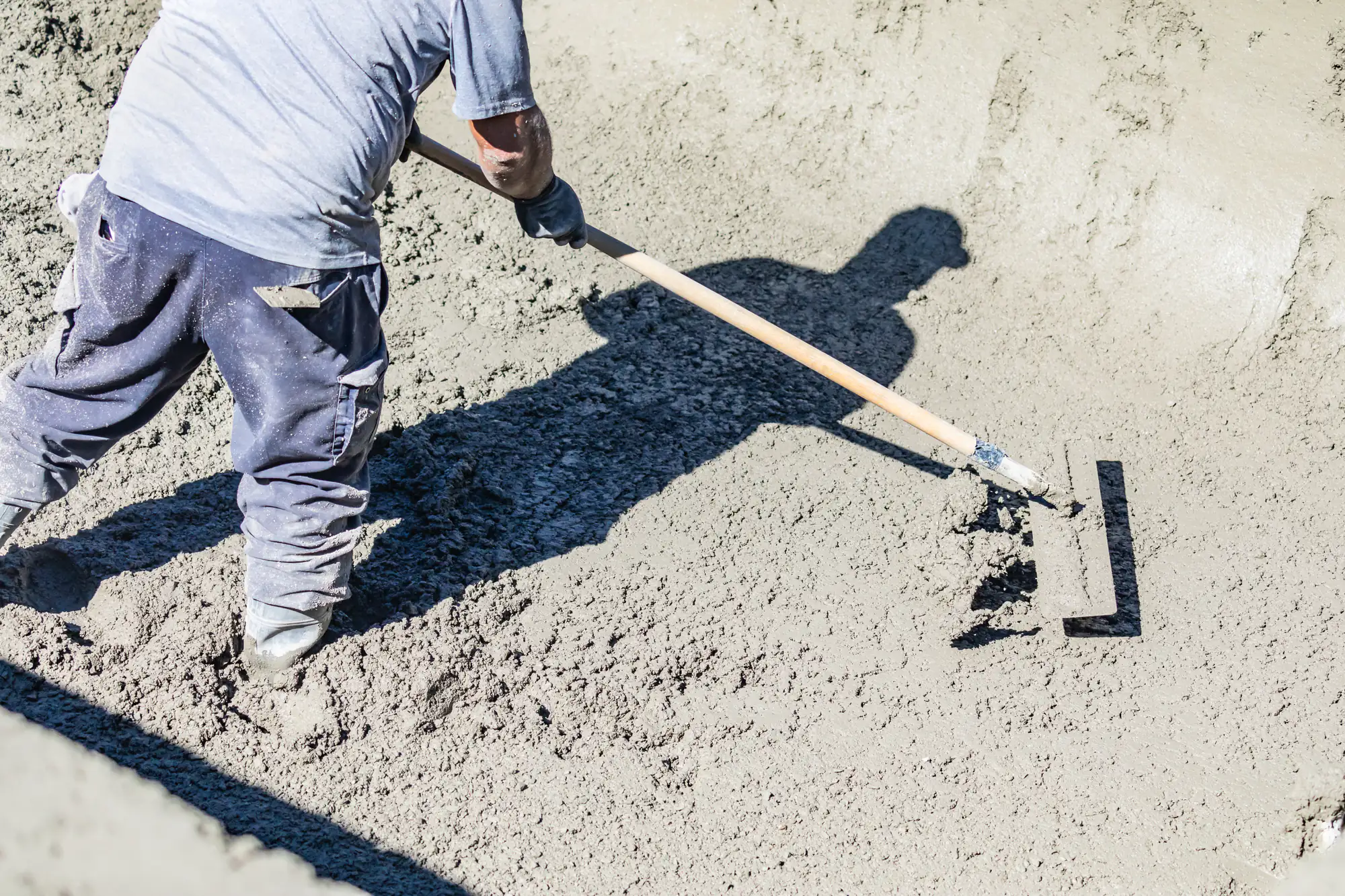
Construction moves through excavation, rebar installation, gunite or shotcrete application, plumbing, electrical bonding, surface finishing, and decking all in sequence, all by our same crew. One thing worth knowing if you’re planning ahead: fall and winter builds in South Georgia tend to move faster. Permit queues are shorter, crews are more available, and a pool started in the fall is typically ready before Memorial Day. If you’re hoping to swim by summer, the time to start the conversation is now not in March.
Ready to get started?
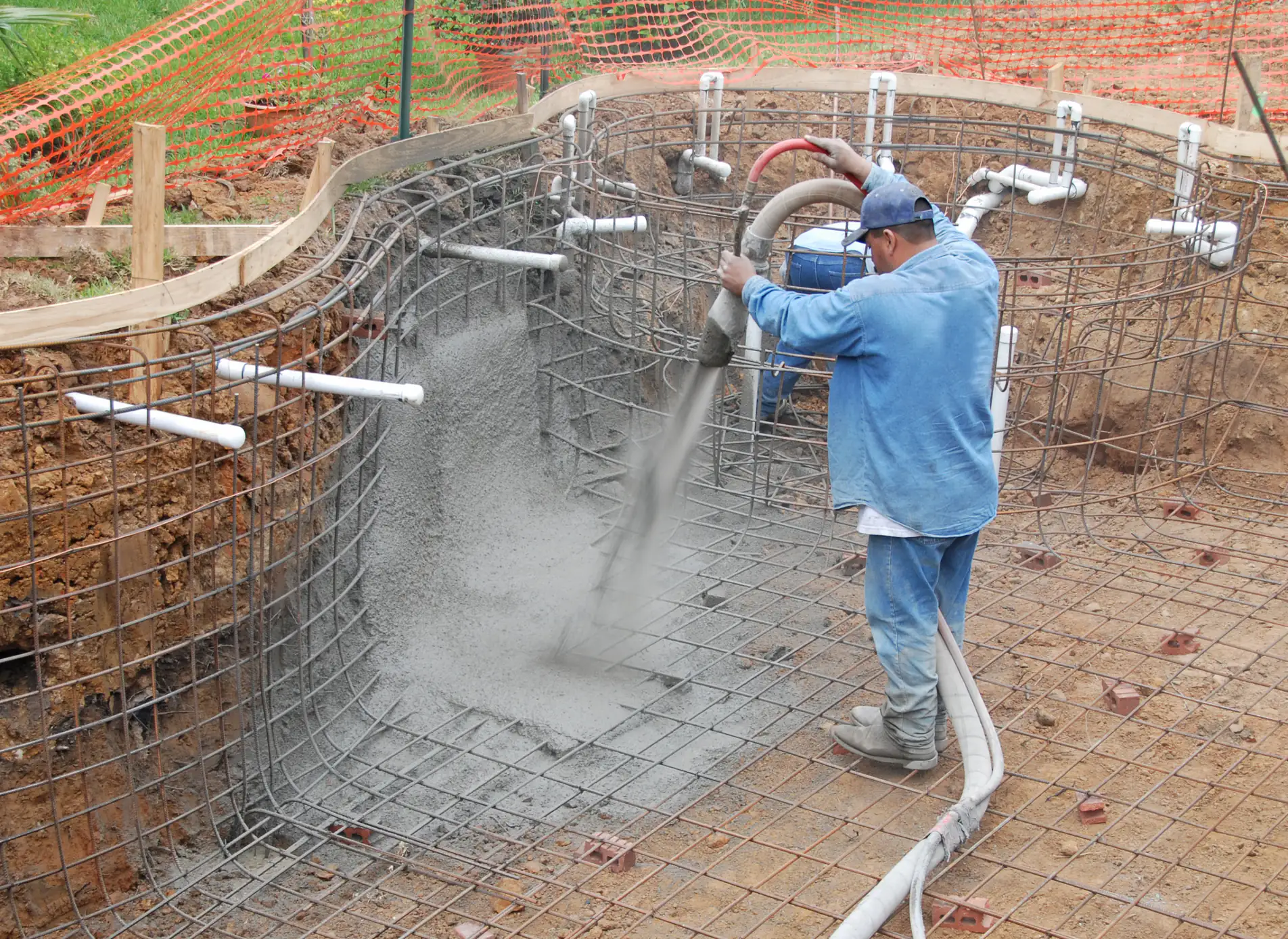
Gunite and shotcrete pools are built differently than fiberglass or vinyl liner pools, and that difference matters for homeowners in Smithville. Because the shell is formed from concrete applied over a steel framework not dropped in as a prefabricated unit your pool can be any shape, any depth, and any configuration your backyard allows. Tanning ledges, attached spas, water features, custom lighting, and freeform designs are all on the table. The lot sizes in this area, frequently running an acre or more, give you the space to build something genuinely custom without running into setback issues.
We handle residential gunite pool construction and commercial gunite pool installation across South Georgia, including Lee County. Every project includes in-house excavation, steel reinforcement, gunite or shotcrete application, plumbing, NEC Article 680-compliant electrical bonding and grounding, surface finishing, and decking. Nothing is subbed out. The crew that applies your shell is the same crew that runs your plumbing which is how quality control actually works on a long-term build.
After construction, we also service what we build. We maintain equipment from Hayward, Pentair, Jandy, Sta-Rite, and Zodiac, so your builder and your maintenance provider are the same company for the life of your pool. For a Smithville homeowner commuting to Albany or Americus each day, not having to manage two separate contractor relationships is a practical convenience that adds up over time.
Yes and it’s more involved than a single form. Lee County has a dedicated Pool Permit Application and Pool Requirements document on file with the Building Inspection Department, located at 905 US Highway 19 South in Leesburg. A building permit and a separate electrical permit are both required, along with multiple inspections at different stages of construction.
If your property is within Smithville city limits, the city’s own Building Department is also part of the process, which adds a layer that not every contractor is familiar with. The Lee County Planning and Zoning Department advises the Smithville City Council directly on construction and development matters, so the city and county work in coordination but they’re not the same permitting authority.
We handle every permit and every inspection from start to finish. You don’t interact with the permit office, you don’t track inspection schedules, and you don’t risk ending up with an unpermitted pool that creates legal complications when it’s time to sell. If a contractor ever suggests you pull your own permit to save time, that’s worth paying attention to it shifts liability to you and often signals the contractor isn’t properly licensed to pull permits in this jurisdiction.
For a custom residential gunite pool in the Lee County and Smithville area, you’re generally looking at a range of $75,000 to $150,000 depending on size, shape, features, and site conditions. That range covers the full build excavation, steel, gunite application, plumbing, electrical, surface finishing, and decking. Add-ons like an attached spa, water features, or upgraded lighting will move the number toward the higher end.
Annual maintenance typically runs $2,700 to $4,000 per year, and resurfacing on a properly built gunite pool is generally needed every 10 to 15 years. That’s a different timeline than what you may have heard from fiberglass-focused builders in this market, who often cite 3 to 7 year replastering cycles. Those shorter cycles reflect low-quality construction thin application, rushed curing not what a properly engineered gunite shell requires.
The properties in the 31787 ZIP code area carry a median home value around $180,400, and a well-built inground pool adds meaningful appraised value at completion. Over the long run, the question isn’t whether gunite is expensive it’s whether the builder you choose builds it in a way that holds up for 20 to 30 years or starts showing problems within the first decade.
This question is worth addressing directly because it’s being actively promoted in this market by at least one regional fiberglass builder. The short answer is: a properly engineered gunite pool does not crack from normal soil movement in South Georgia. Cracking is a construction quality issue it happens when the concrete is applied too thin, cured too fast, or when the rebar framework isn’t designed for the specific soil conditions at the build site.
The Coastal Plain soil profile around Smithville is generally sandy and well-draining, which is actually favorable for pool construction compared to the heavier expansive clay soils found in other parts of the state. The Muckaloochee Creek watershed that borders Smithville to the northeast does create seasonal drainage variation, and a builder who understands the local hydrology accounts for that in the structural design wall thickness, rebar density, and drainage provisions are all part of engineering a shell that performs long-term.
We’ve been building in South Georgia’s soil conditions for over 30 years. The answer to the cracking concern isn’t to choose a different material it’s to choose a builder who knows this ground and engineers accordingly. A gunite shell built right for Lee County soil will outlast any prefabricated fiberglass unit dropped into the same hole.
From signed contract to a finished, water-filled pool, a realistic timeline for a custom gunite build in the Smithville area is three to six months. That window accounts for permit processing through Lee County’s Building Inspection Department, site preparation, the construction sequence itself, and final inspections. Projects with more complex designs, added features like spas or water features, or any unforeseen site conditions can extend that timeline.
The timing of when you start matters a lot in South Georgia. Spring is the most popular time to begin the process, but it’s also when permit queues are longest and crews are most booked. Homeowners who start in the fall or early winter tend to have a smoother experience shorter wait times, more crew availability, and a pool that’s ready before Memorial Day weekend, which is the first real outdoor entertaining milestone of the Georgia summer.
If your goal is to swim by June or July, the conversation needs to start well before spring. The permit process alone takes time, and construction can’t begin until permits are approved. Starting now gives you the best chance of having everything finished and filled before the heat of Lee County’s summer fully arrives.
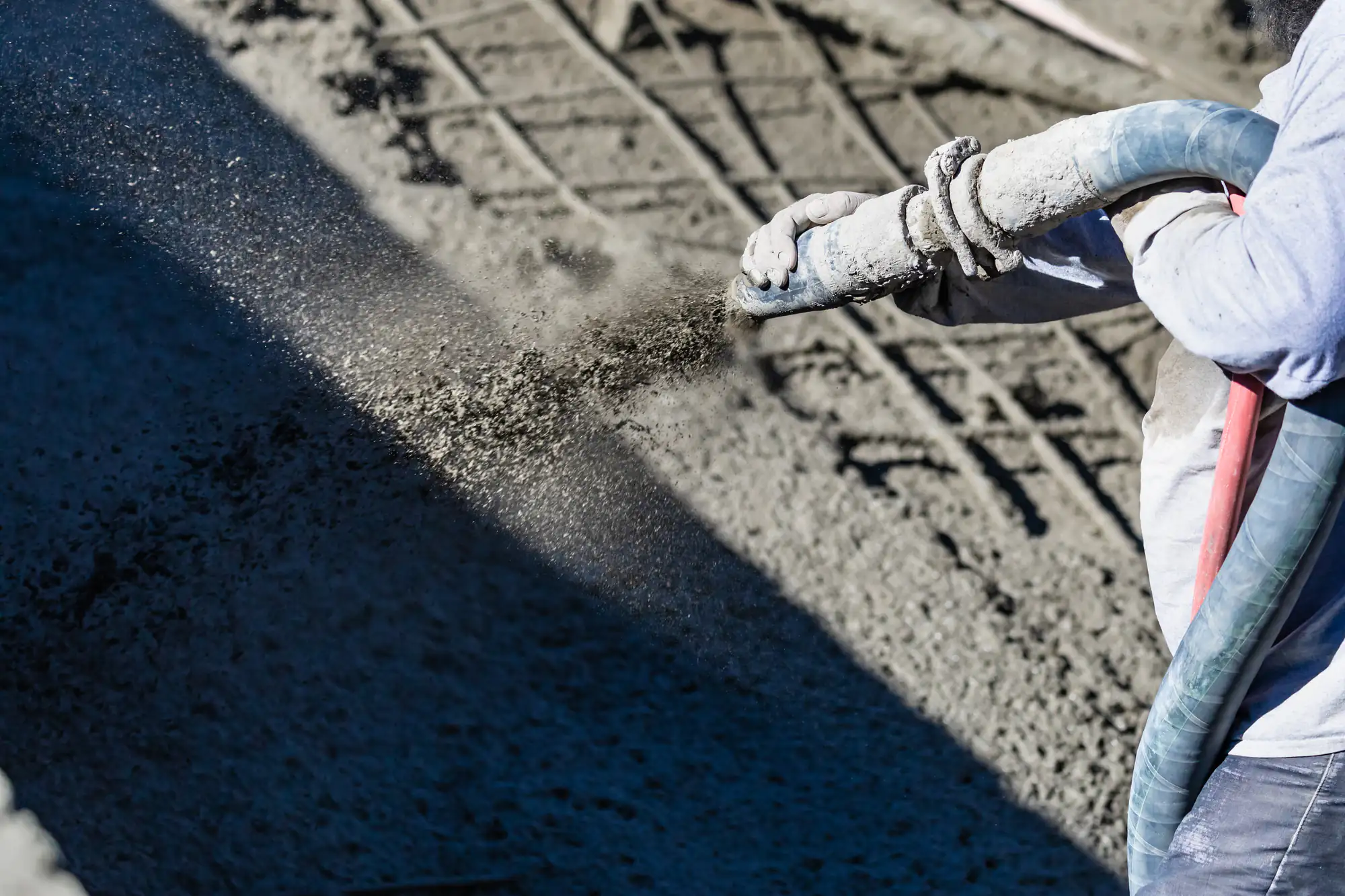
Gunite and shotcrete are both forms of pneumatically applied concrete the core material used in custom inground pool construction and the finished product is essentially the same. The difference is in how the concrete is mixed before it’s applied. With gunite, dry concrete mix is pushed through a hose and water is added at the nozzle just before application. With shotcrete, the concrete is pre-mixed with water before it enters the hose and is applied wet.
Both methods produce a strong, durable concrete shell when applied correctly by an experienced crew. The choice between them often comes down to our equipment, crew training, and site conditions on a given project. We work with both methods and select the approach that fits the specific build your pool’s design, the site conditions in your backyard, and the structural requirements of the shell.
What matters more than the method is the quality of the application the thickness of the shell, the density of the rebar framework, the curing time allowed, and the skill of the crew doing the work. A gunite or shotcrete pool built by an experienced in-house crew will outperform either method applied by a subcontractor who isn’t accountable to the finished product.
Lee County’s Building Inspection Department actively verifies that all contractors pulling permits have current state certifications. That means unlicensed operators face real scrutiny in this county it’s not just a formality. A licensed pool contractor in Georgia holds a valid state license, carries general liability insurance, and is legally authorized to pull building and electrical permits in the jurisdiction where they’re working.
The easiest way to check is to ask the contractor directly: will you be pulling the permits, or will I? A legitimate, licensed contractor always pulls their own permits. If someone suggests you pull the homeowner’s permit to speed things up or save money, that’s a clear signal it shifts legal liability to you, and it often means the contractor doesn’t have the licensing required to pull permits in Lee County themselves.
In Smithville and the surrounding Lee County area, word travels fast when a contractor doesn’t deliver. Asking for local references, verifying their state license number, and confirming they’ve worked in Lee County before are all reasonable steps before signing a contract on a six-figure investment. We handle every permit, carry all required licensing, and have a documented track record building custom gunite pools across South Georgia including the permitting and inspection process specific to Lee County.