
Hear from Our Customers
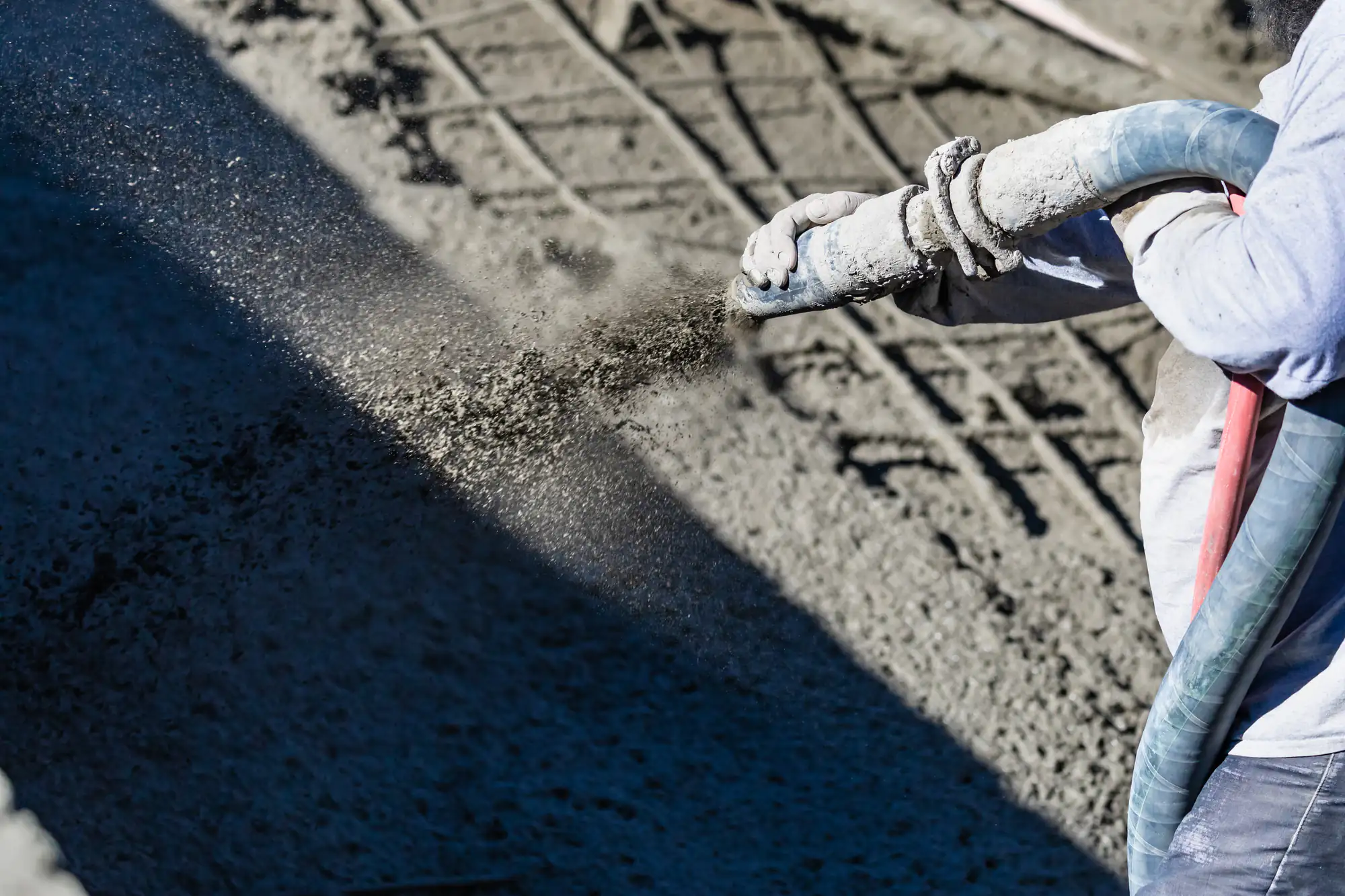
Tift County’s soil isn’t simple. The Tifton soil series Georgia’s official state soil, named for this county starts as loamy sand at the surface and transitions into sandy clay loam and eventually sandy clay as you dig deeper. That layered profile behaves differently at two feet than it does at ten. A builder who doesn’t account for that is guessing at structural design, and you’re the one who lives with the consequences. A properly engineered gunite shell, built for what’s actually in the ground on your property, doesn’t develop the cracking problems you may have heard about. That’s a builder problem, not a material problem.
Beyond the soil, there’s the practical reality of where you live. Ty Ty’s swimming season runs from April through October roughly seven months of genuine, consistent use. That’s not a selling point invented to close a deal. It’s the climate reality of South Georgia’s humid subtropical weather, where summers arrive early, linger long, and make a backyard pool less of a luxury and more of a straightforward quality-of-life decision. When your pool is built correctly, it’s also low-drama long-term. Quality gunite doesn’t need resurfacing for ten to fifteen years. That’s not a best-case scenario that’s what happens when the build isn’t rushed and the materials aren’t cut.
The other thing worth saying plainly: gunite gives you full design freedom. Your Tift County property isn’t a fixed shape, and your pool doesn’t have to be either. Fiberglass shells come in manufacturer molds. Gunite is built from the ground up, shaped to your specific lot, your sun orientation, your vision. If you have acreage outside the city limits and a specific idea of what you want, gunite is the only approach that actually delivers it.
We’re based in Douglas, GA about 45 miles east of Ty Ty and have been building custom inground gunite pools across South Georgia since 2014. But our founding team brought more than thirty years of hands-on experience in concrete, plumbing, and pool construction before the company name ever existed. That history matters because it means the people building your pool have already seen what happens when gunite is rushed, when rebar is undersized, or when a builder hands off phases to subcontractors who’ve never seen the site.
Every phase of your build excavation, rebar, gunite application, all plumbing, electrical bonding and grounding, equipment installation, decking is handled by our own crew. Not a rotating cast of subcontractors. The same team that evaluates your property on day one is the same team at your final inspection. For a community like Ty Ty, where word travels and neighbors notice, that consistency isn’t just a quality argument. It’s an accountability one. We also handle every permit building, electrical, and all required inspections whether your property sits within Ty Ty’s city limits or out in unincorporated Tift County. You don’t touch a form.
It starts with a site evaluation. Before anything is drawn or priced, we look at your specific property the grade, the drainage patterns, the soil conditions. Tift County’s flat Coastal Plain terrain means drainage has to be engineered deliberately, not assumed. A pool deck that doesn’t account for South Georgia’s summer rainfall will create standing water problems that have nothing to do with the pool itself. We catch that before it becomes your problem.
Once the site is evaluated and the design is approved using a 3D design process so you see the finished pool before excavation begins we pull every required permit. That means the building permit and the electrical permit, managed through either the City of Ty Ty or Tift County’s Community Development Department depending on where your property sits. Georgia requires inspections at multiple phases of construction, and we coordinate every one of them. You don’t track permit status or schedule inspectors.
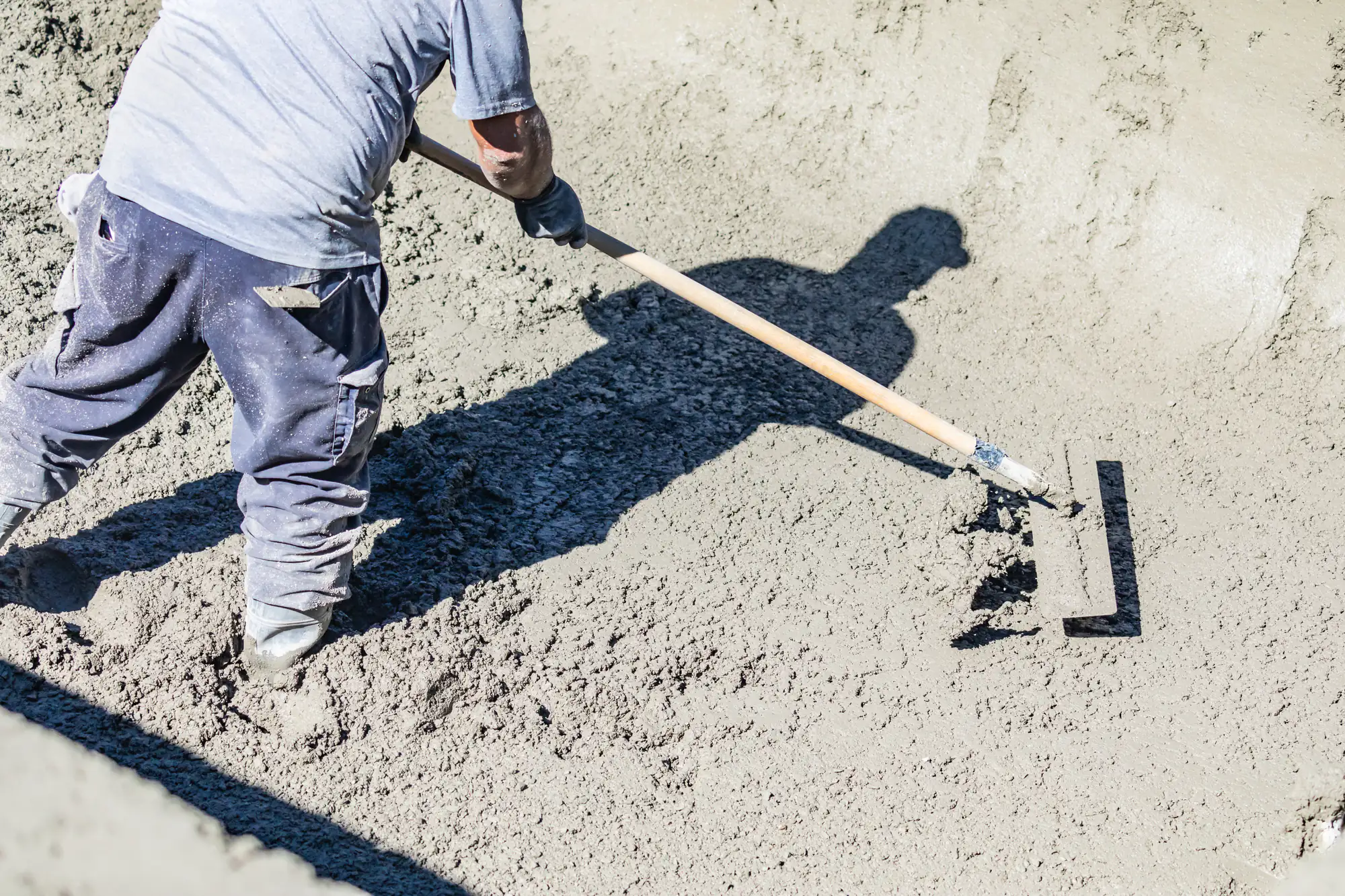
From there, construction moves through excavation, rebar framework, gunite application, full plumbing, electrical bonding and grounding per NEC Article 680, equipment installation, and deck work all in sequence, all by our crew. A realistic timeline for a custom gunite pool is three to six months depending on design complexity, permit processing, and inspection scheduling. We tell you that upfront because a builder who promises ten weeks to close the sale and then goes quiet is a pattern this market has seen before. You deserve a straight answer from the first conversation.
Ready to get started?
When we build your gunite pool in Ty Ty, the scope doesn’t stop at the water’s edge. Custom concrete pool design, full structural engineering for Tift County’s specific soil profile, all plumbing, NEC Article 680-compliant electrical bonding and grounding, equipment installation, and deck construction are all included and all handled by our team. No handoffs. No strangers on your property who weren’t there at the start.
On the equipment side, we install and service Hayward, Pentair, Jandy, Sta-Rite, and Zodiac systems. That matters beyond the build itself the same company that designed your pool’s plumbing and electrical layout is the same company that services it when something needs attention at year seven or year twelve. You don’t start over with a contractor who has never seen your setup before.
We also build for the long haul on the structural side. Gunite pools built to proper thickness, with correctly sized rebar and adequate curing time, are designed to last fifty years or more. The resurfacing timeline for a well-built gunite pool is ten to fifteen years not the three-to-seven-year figure that gets circulated about poorly constructed pools. Whether your property is inside Ty Ty’s city limits or on a larger rural tract in unincorporated Tift County, the build standard doesn’t change. The engineering is specific to your site, and the crew is the same from day one to the final walkthrough.
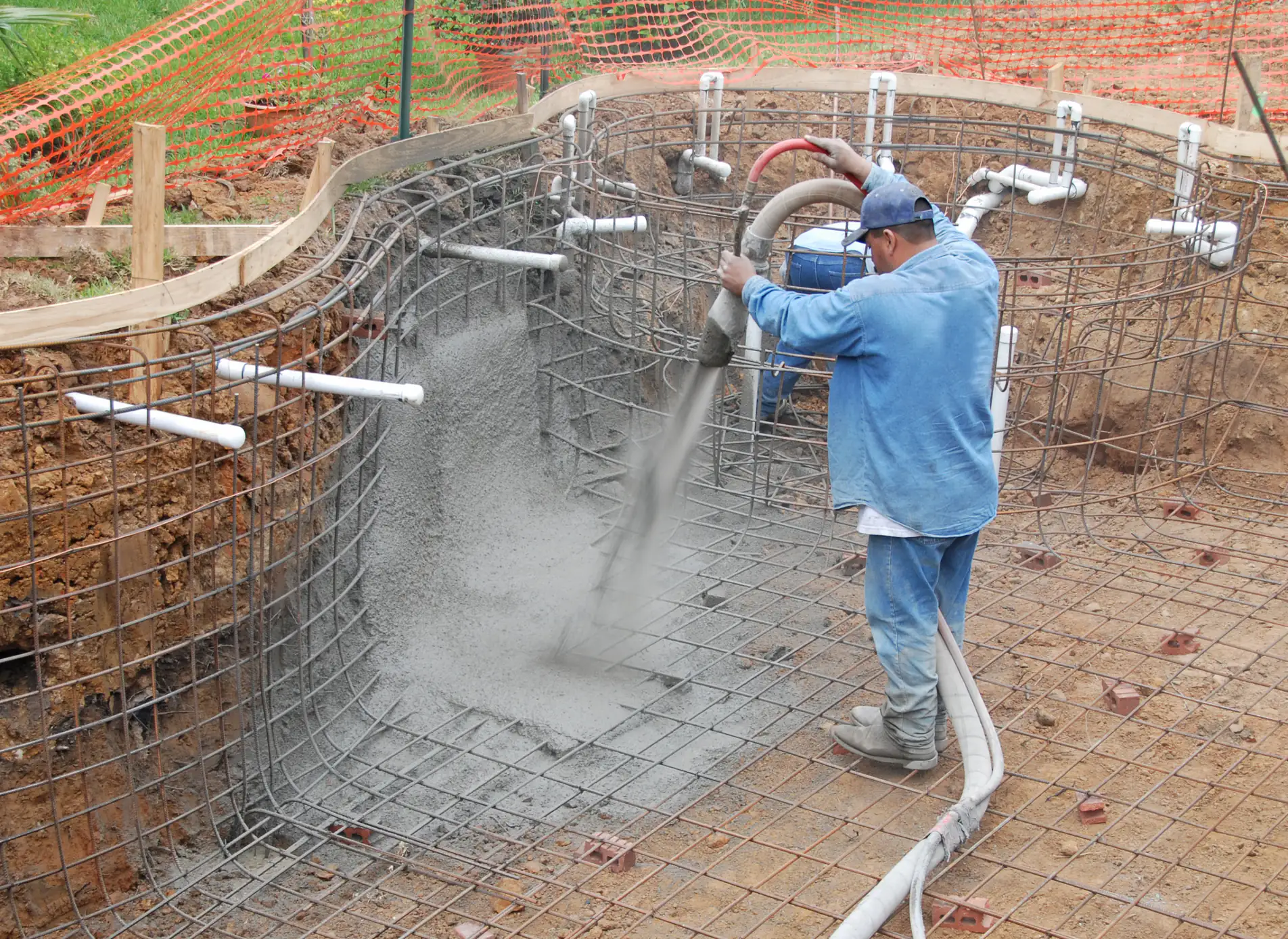
This question comes up a lot in this market, and it deserves a straight answer. Gunite pools crack when they’re not engineered for the specific soil conditions of the site not because gunite is inherently flawed in Southern ground. Tift County sits on the Tifton soil series, Georgia’s official state soil, which is a layered profile that shifts from loamy sand near the surface to sandy clay loam and sandy clay at depth. That layered behavior means the ground responds differently depending on how deep you excavate, and a builder who doesn’t account for that is setting up structural problems before the first shovel breaks ground.
A properly engineered gunite shell with correctly sized rebar, appropriate shell thickness, and adequate curing time is designed to work with South Georgia’s Coastal Plain soil, not fight it. The cracking you may have read about is a construction quality problem, not a material problem. When the build is done right for the specific soil beneath your property, a gunite pool in Tift County will outlast any alternative on the market.
Custom gunite pool projects in Ty Ty and Tift County typically run between $75,000 and $150,000, depending on size, shape, depth, features, and site-specific conditions. That range reflects the full scope design, excavation, rebar, gunite application, all plumbing, electrical, equipment, and deck work. It is a real investment, and it’s worth understanding what you’re comparing it against.
Fiberglass pools typically cost $35,000 to $65,000 installed, but they come in fixed manufacturer shapes and sizes. If your property has an irregular lot, a specific orientation, or a design vision that doesn’t fit a catalog mold, fiberglass simply can’t deliver it. Vinyl liner pools require liner replacement every five to nine years at roughly $4,000 to $4,500 per cycle. Over a thirty-year ownership horizon, the total cost of a well-built gunite pool is competitive with either alternative and the structure itself will still be sound when other pool types have been replaced or re-lined multiple times. For a homeowner on a larger Tift County property with acreage and a specific vision, gunite is the right product for the investment.
A realistic timeline for a custom gunite pool in Tift County is three to six months from permit approval to your first swim. That range accounts for the full construction sequence site evaluation, permit processing through either the City of Ty Ty or Tift County’s Community Development Department, excavation, rebar framework, gunite application and curing, plumbing, electrical, equipment installation, decking, and all required inspections at each phase.
The curing phase alone is something that can’t be rushed without compromising the structural integrity of the shell. Builders who promise eight to ten weeks are either skipping steps or planning to hand off phases to subcontractors who work on their own schedules. Georgia also requires inspections at multiple construction milestones, and permit processing timelines vary. We give you the honest three-to-six-month window upfront because you deserve to plan around a real number, not a sales pitch.
We handle every permit for your build building permit, electrical permit, and every required inspection. If your property is within Ty Ty’s city limits, that means working through the City of Ty Ty. If you’re on a rural tract in unincorporated Tift County which covers a significant portion of the land around the city permits run through Tift County’s Community Development Department. Either way, you don’t navigate that process yourself.
This matters more than it might seem. Pool construction in Georgia requires a building permit and an electrical permit at minimum, with inspections at specific phases of construction that must be passed before the next phase begins. An unpermitted pool creates legal liability at resale and can result in fines or forced remediation. Any builder who suggests you pull your own permit to “save time” is transferring legal risk to you, not saving you anything. We manage the entire permitting relationship from the first application to the final sign-off.
For a homeowner on a larger Tift County property with the land and the vision for a custom pool, gunite is the strongest long-term investment available. The structure itself is designed to last fifty years or more. It adds genuine, appraised property value in a way that a portable or above-ground pool does not. And in South Georgia’s climate, where the swimming season runs from April through October, you’re getting roughly seven months of annual use one of the strongest return-on-use ratios in the country.
The broader Tift County area is also seeing active development pressure, with new commercial overlay zoning approved along the Highway 82 corridor heading toward Ty Ty and ongoing infrastructure investment in local roads. Property values in areas with active development tend to move upward, which makes capital improvements like a custom inground pool a more defensible investment than they might be in a stagnant market. A well-built gunite pool on a Tift County property isn’t just something you enjoy it’s something that holds and builds value over time.
A quality gunite pool, built to proper thickness with correctly sized rebar and given adequate curing time, typically needs resurfacing every ten to fifteen years. That’s the standard for a professionally engineered build not the three-to-seven-year figure that sometimes gets cited in this market. The shorter timeline is real, but it describes what happens when gunite is applied too thin, cured too fast, or built with inferior materials. It’s a construction quality issue, not an inherent characteristic of gunite as a material.
In South Georgia’s climate, where pool water chemistry is active for seven months out of the year and summer heat accelerates chemical interaction with pool surfaces, proper initial construction makes a significant difference in how long your finish holds up. A pool that was rushed through the gunite and curing phases will show surface wear faster than one that was given the time it needed. When you ask a builder about their resurfacing timeline, the answer tells you something about how they build. Ten to fifteen years is the honest answer for a pool built right. Anything shorter should prompt a follow-up question about why.