
Hear from Our Customers
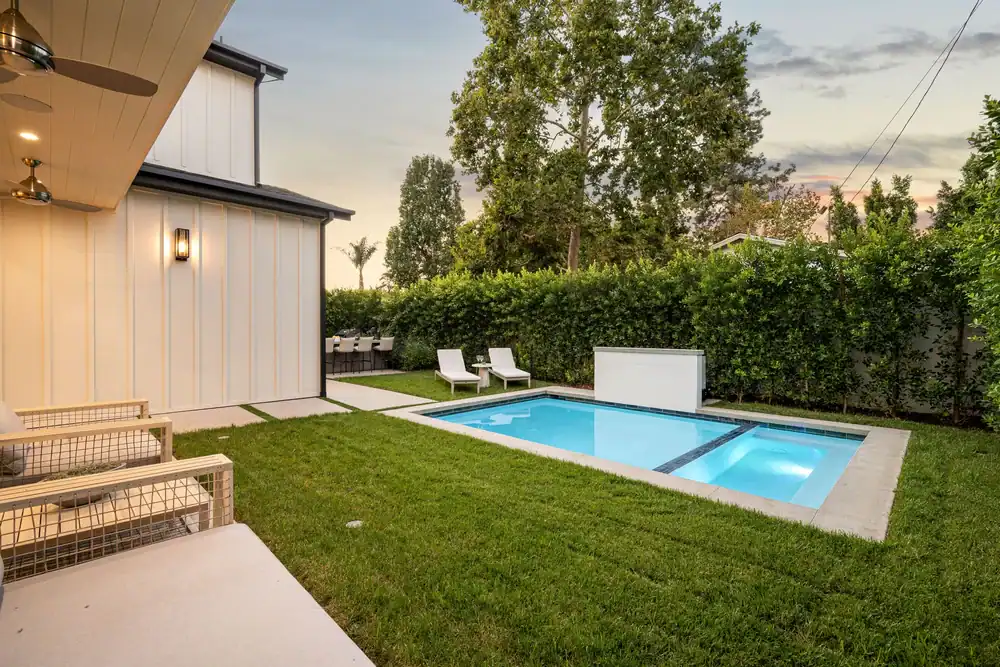
Your backyard stops being wasted space and starts being the place your family actually wants to be. Not just in July, but year-round in Georgia’s extended warm season.
The pool doesn’t crack in two years because someone skipped the engineering step. It doesn’t leak because the shotcrete application was rushed. You’re not calling around trying to find someone to fix problems that shouldn’t exist.
You get a pool that handles Georgia’s clay soil, summer storms, and temperature swings without falling apart. The design fits your lot, not someone else’s template. And when you’re ready to sell, you’re looking at up to 7% more in home value because the work was done correctly from the start.
This is what happens when inground pool installation in Georgia is treated like engineering, not just digging a hole and hoping for the best.
We’ve been building inground pools in Douglas County since before most pool companies in the area existed. Same family, same standards, same approach: treat every project like it’s going in our own backyard.
We’re not the biggest pool contractor you’ll find. We don’t run three crews at once or try to install fifteen pools in a month. We focus on custom gunite pool construction, and we finish what we start without leaving you with a half-done project while we chase the next deposit.
Lehigh homeowners deal with varied soil conditions that require actual engineering, not guesswork. We’ve handled enough sites in this area to know what works and what causes problems down the road. You’re not our testing ground.
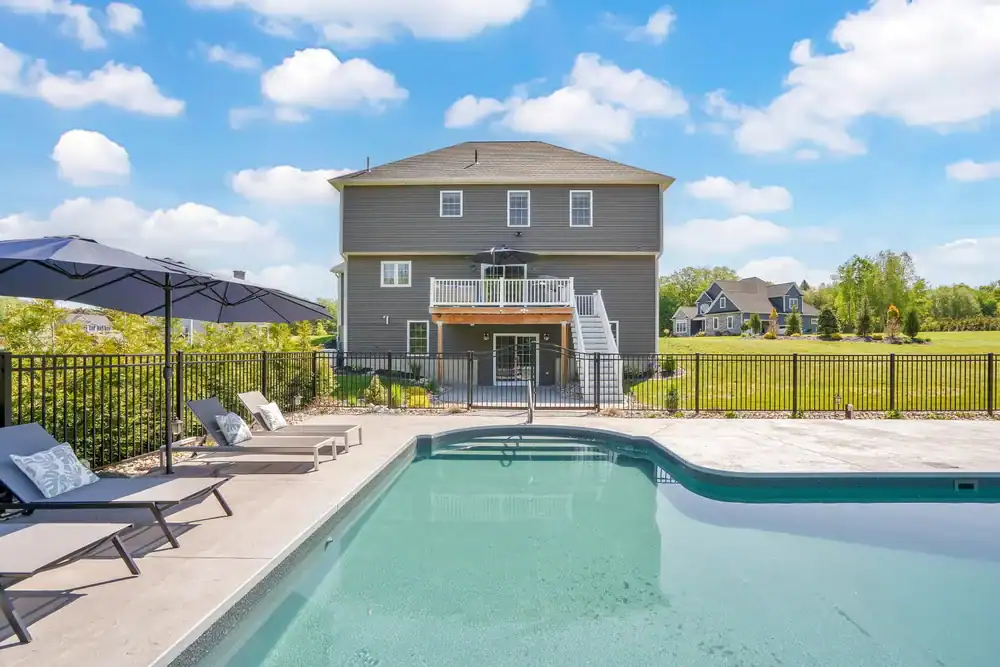
We start with a site evaluation to see what your lot can handle and what it can’t. Soil conditions in Lehigh vary enough that this step matters more than most people realize.
Then comes design. You tell us how you’ll actually use the pool, and we draw something that fits your space and your budget. Not a catalog design with your address on it.
Permits get pulled, and we handle that process with the local building department. Georgia requires permits for all residential pools, and the International Swimming Pool and Spa Code has specific requirements that change based on your property.
Construction takes 8-12 weeks from permit approval to completion, assuming weather cooperates. We excavate, set steel, shoot the gunite or shotcrete, install your equipment, and finish the surface. You’re not managing subcontractors or wondering who’s responsible when something needs adjustment.
When it’s done, you have a finished pool with proper safety barriers that meet Georgia code. Not a construction zone you’re supposed to figure out yourself.
Ready to get started?
You get complete project management from site evaluation through final inspection. That means design, permits, excavation, steel setting, gunite or shotcrete application, plumbing, electrical, equipment installation, and finishing.
In Lehigh and throughout Douglas County, concrete pools need to be engineered for soil movement. We’re not pouring a slab and hoping it holds. The steel gets placed to handle ground shifts that happen in Georgia clay, and the shotcrete application is thick enough to last decades, not just pass inspection.
Your pool also gets proper circulation and filtration sized for Georgia’s warm climate. Undersized equipment means cloudy water and constant chemical adjustments. We install systems that keep your water clear without you becoming a part-time pool chemist.
Safety barriers are included and built to code. That’s fencing, gates with self-closing latches, and proper setbacks from property lines. We also provide options for custom pool covers if you want an extra layer of protection for kids or pets.
The finished product is a custom concrete pool designed specifically for your property, not a generic installation that might work in Arizona but struggles in Georgia humidity and soil conditions.
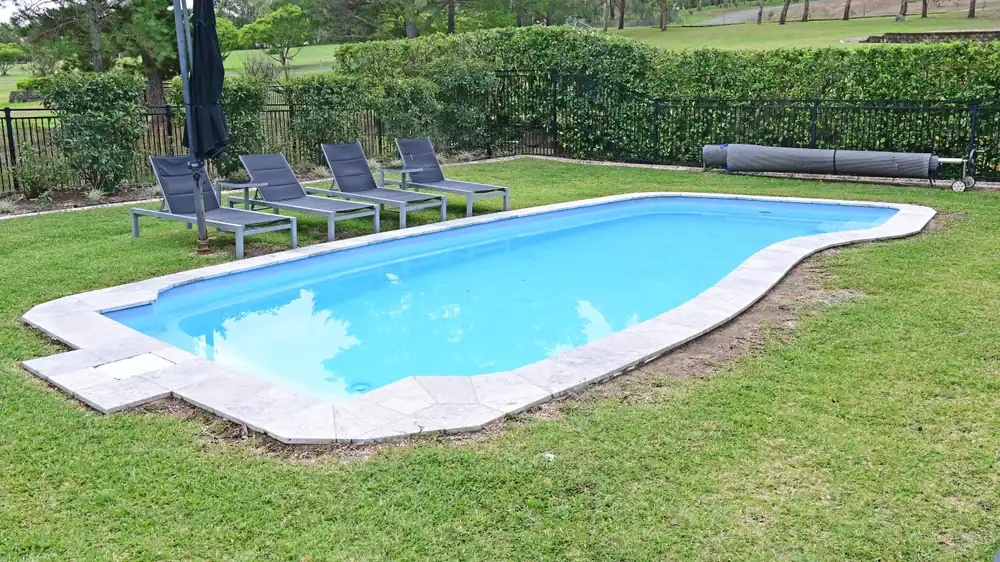
From permit approval to swimming, expect 8-12 weeks for a concrete pool in Lehigh. That timeline assumes normal weather and no major surprises during excavation.
Permits usually take 2-4 weeks to get approved through the local building department, depending on their current workload. We handle that process, but we don’t control how fast they move.
Weather delays happen in Georgia, especially during summer storm season. If we get three days of heavy rain during excavation or steel setting, that pushes everything back. We don’t pour concrete in the rain or when ground conditions aren’t right, because fixing problems later costs you more than waiting for proper conditions.
The actual construction sequence goes: excavation, steel placement, gunite or shotcrete application, plumbing and electrical rough-in, equipment installation, decking or coping, and finally the interior finish. Each step has to cure or set properly before the next one starts.
Concrete pools cost more upfront because you’re paying for custom design, engineered construction, and a pool that lasts 50+ years instead of 15-20. The price difference is real, but so is the difference in what you’re getting.
A vinyl liner pool in Lehigh might start around $30,000, while a concrete pool typically runs $50,000-$100,000+ depending on size and features. But that vinyl liner needs replacement every 7-10 years at $4,000-$6,000 per replacement. Over 30 years, you’re spending nearly the same amount, just in installments.
Fiberglass pools are limited to pre-made shapes and sizes. If your lot is an odd shape or you want something specific, fiberglass won’t work. Concrete gives you unlimited design options and can be built to fit any space.
The bigger difference is durability in Georgia soil. Concrete pools are engineered to handle ground movement and temperature changes. Fiberglass shells can crack if the ground shifts. Vinyl liners tear and fade. Concrete, when properly installed, handles whatever Georgia throws at it without needing replacement.
Gunite and shotcrete are both concrete application methods, and both create strong, durable pools. The difference is when water gets added to the mix.
Gunite is dry concrete mix that gets water added at the nozzle during application. Shotcrete is pre-mixed with water before it goes through the hose. Both methods shoot concrete at high pressure onto your steel framework to create the pool shell.
In Lehigh’s climate, both methods work well when applied correctly. The quality of your pool depends more on proper steel placement, adequate thickness, and correct curing than which application method gets used.
Some contractors prefer gunite because they can adjust water content on-site. Others prefer shotcrete because the mix is more consistent. We use both methods depending on the specific project requirements and site conditions.
What matters more than the method is the crew doing the work. Rushed application, thin spots, or improper curing will cause problems regardless of whether it’s called gunite or shotcrete. Proper technique and adequate thickness create pools that last decades in Georgia’s varied soil conditions.
Yes. All residential pools in Georgia require building permits, and Lehigh follows state requirements plus any additional local codes. No legitimate contractor will tell you otherwise.
The permit process involves submitting site plans, engineering details, and safety barrier plans to the local building department. They review everything to make sure your pool meets the International Swimming Pool and Spa Code, local setback requirements, and safety standards.
Inspections happen at multiple stages during construction. The building department checks the steel placement, plumbing rough-in, electrical work, and final installation including safety barriers. Each inspection has to pass before we move to the next construction phase.
Skipping permits might save money initially, but it creates major problems when you sell your house. Unpermitted pools can kill real estate deals, result in fines, or require expensive removal. Insurance companies may also deny claims related to unpermitted structures.
We handle the entire permit process as part of our service. You’re not filling out forms or dealing with building department questions. That’s included in your project cost because it’s not optional.
A professionally installed concrete pool typically increases home value by up to 7% in Georgia markets, but that return depends on your neighborhood and the quality of the installation.
In areas where pools are common, not having one can actually hurt your resale value compared to similar homes. In neighborhoods where few homes have pools, you might not see as much return because you’re not matching buyer expectations for that area.
The quality of installation matters more than most homeowners realize. A poorly built pool with visible cracks, outdated equipment, or safety code violations becomes a liability instead of an asset. Buyers either walk away or demand price reductions to cover repair costs.
Concrete pools hold value better than vinyl or fiberglass because they last longer and offer custom designs that fit the property. Generic fiberglass shapes or worn vinyl liners don’t impress buyers the way a well-maintained concrete pool does.
The real value often shows up in how fast your home sells rather than the final price. Homes with pools in Georgia’s warm climate attract more buyers and spend less time on the market, especially if the pool looks like an asset instead of a project.
Most lots in Lehigh can accommodate an inground pool, but soil conditions, slope, and setback requirements determine what size and shape will work. That’s why site evaluation happens before design.
Georgia clay soil expands and contracts with moisture changes, which means your pool needs proper engineering to prevent cracking. We test soil conditions and design the steel framework to handle ground movement. Rocky soil requires different excavation equipment and affects timeline and cost.
Slope matters because water runs downhill. If your yard has significant grade changes, we need to plan drainage so rainwater doesn’t pool around your pool or cause erosion. Sometimes that means adding retaining walls or adjusting the pool placement.
Setback requirements in Lehigh dictate how close your pool can be to property lines, septic systems, and utility easements. We verify those requirements before finalizing your design so you’re not surprised after excavation starts.
Underground utilities, septic systems, and well locations also affect pool placement. We call for utility locates before digging, but knowing where your septic tank and drain field sit helps us plan a layout that avoids expensive complications during construction.