
Hear from Our Customers
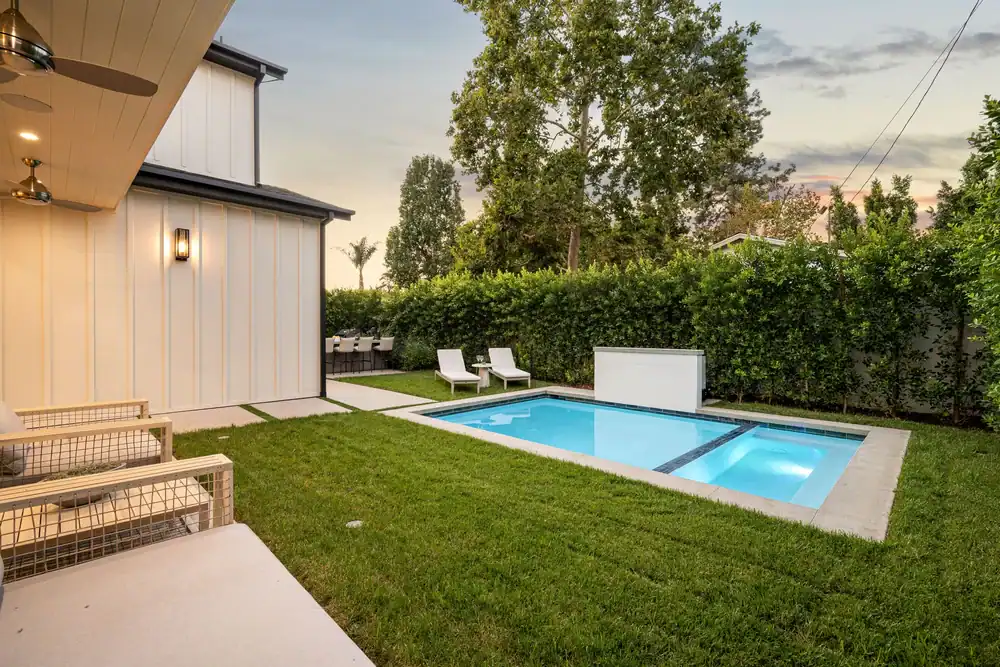
Your backyard becomes the place your family actually wants to be. Not just during summer—Georgia’s weather gives you nearly eight months of swimming season. You’re looking at a space where your kids learn to swim in water you control, where Saturday afternoons don’t require a drive anywhere, and where the value of your home goes up while you’re enjoying it.
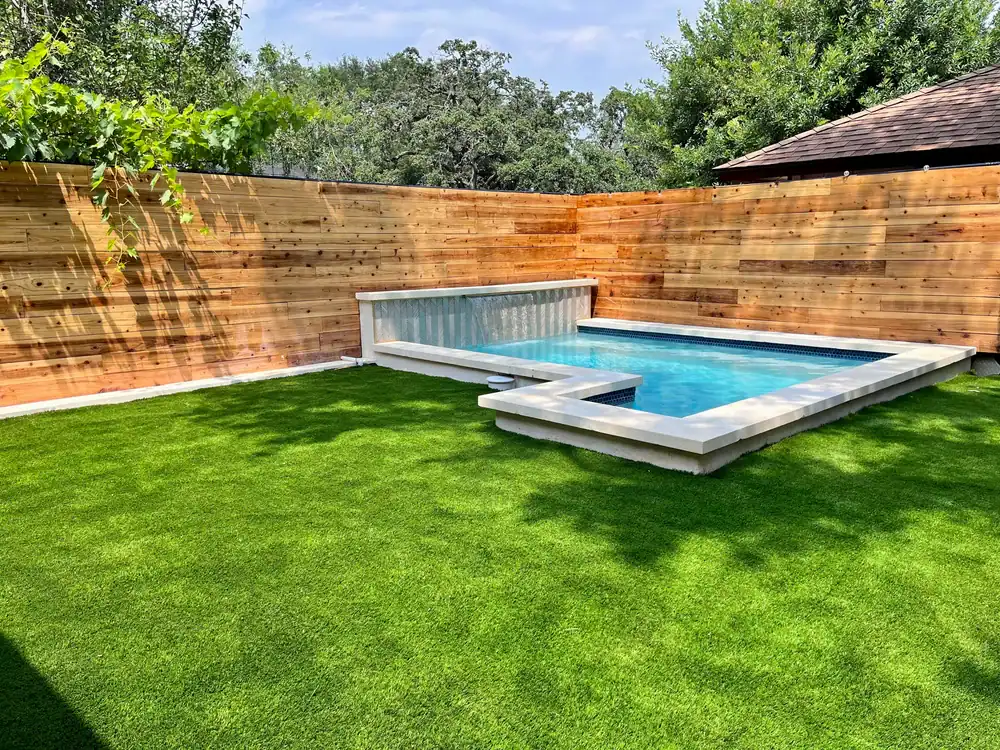
The difference between a pool that holds up and one that becomes a headache comes down to how it’s built. Gunite construction handles Georgia’s clay soil and temperature swings better than any other method. It doesn’t crack when the ground shifts. It doesn’t fade after a few seasons. And because it’s custom-formed on your property, you’re not limited to pre-made shapes that don’t fit your lot.
You’re not just adding a pool. You’re creating a space that works for your property, your budget, and how your family actually lives.
We’ve been building inground pools in and around Roper, GA since the early 1990s. Same family, same standards, same commitment to doing the work right instead of doing it fast.
We’re not the biggest pool company in South Georgia, and we’re fine with that. What matters more is that we’re still here—still licensed, still insured, still answering our phone when something comes up. We know the soil conditions in Douglas County. We know which permits Coffee County requires and how long approvals actually take. We know the local inspectors by name.
That kind of familiarity doesn’t come from a corporate manual. It comes from building pools in the same area for 30 years and treating every project like it’s going in our own backyard.
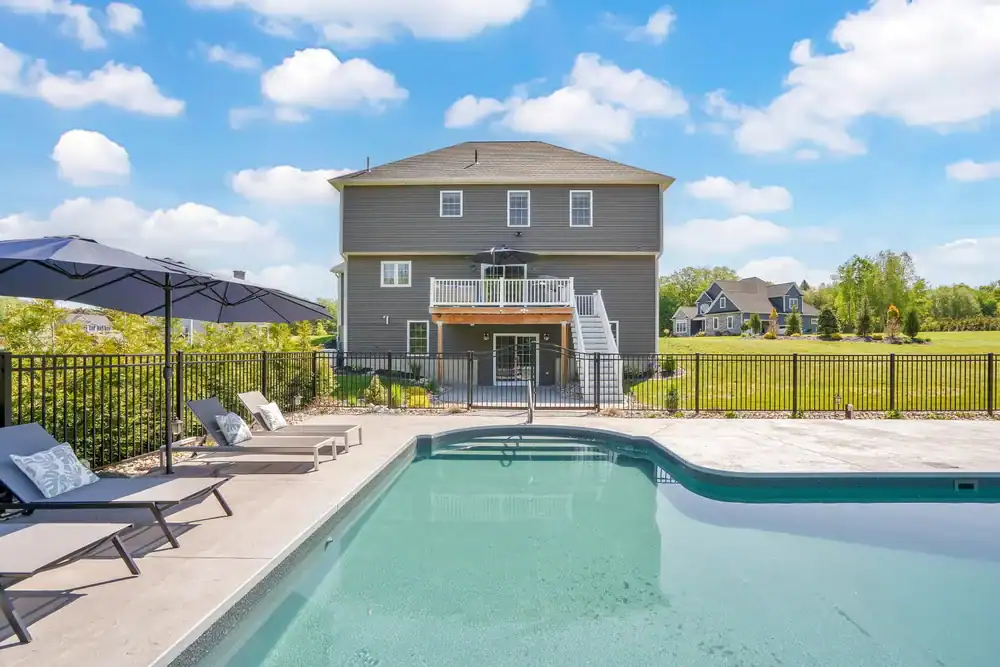
We start with a site evaluation at your property. This isn’t a sales pitch—it’s a real assessment of your lot, your soil, your drainage, and any obstacles that might affect the build. You’ll know upfront if there are issues, what they’ll cost, and how we’ll handle them.
Once you approve the design, we handle all the permitting through Douglas County. You don’t chase down paperwork or wait on hold with the building department. We submit everything, track approvals, and schedule inspections. Most permits take two to three weeks, depending on the season and county workload.
Construction starts with excavation. We dig, set the steel framework, and spray the gunite shell. Then comes plumbing, electrical, filtration, and finishing work like tile and coping. The entire process typically runs 8 to 12 weeks from permit approval to completion, with some buffer built in for weather delays—because Georgia summers bring afternoon storms, and we’d rather give you a realistic timeline than overpromise.
You’ll get a final walkthrough where we explain every piece of equipment, every valve, and every maintenance step. No guessing. No YouTube tutorials. Just clear instructions so you know exactly how to keep your pool running.
Ready to get started?
Your pool construction includes the full build: excavation, gunite shell, steel reinforcement, plumbing, electrical, filtration system, tile, coping, and deck prep. We also handle all permitting, inspections, and code compliance for Douglas County. Safety barriers that meet Georgia requirements are part of the project, not an upsell.
Roper sits in an area where soil composition varies—some properties have heavy clay, others have sandier ground. That affects how we prep the site and reinforce the structure. Gunite pools handle that variability better than fiberglass or vinyl because the concrete conforms to your specific ground conditions. It’s formed in place, not dropped in and hoped for the best.
We also account for Georgia’s weather patterns. Construction timelines factor in summer storm delays and the occasional stretch of heavy rain that makes excavation impossible. You won’t get a cookie-cutter schedule that falls apart the first time it rains for three days straight.
The end result is a pool that’s built for your property, your climate, and your long-term use—not a one-size-fits-all installation that works everywhere and nowhere.
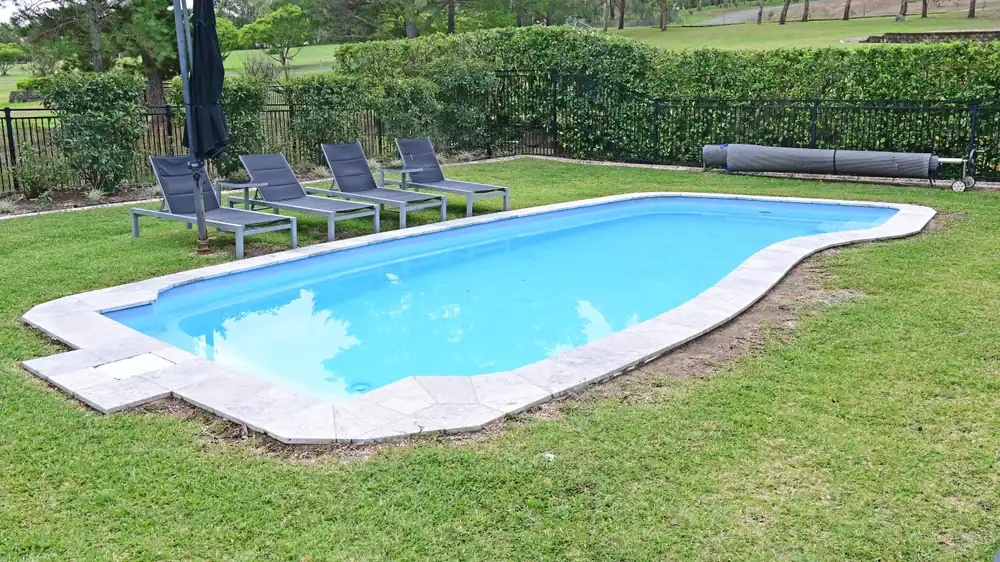
Most custom gunite pools in the Douglas County area run between $40,000 and $80,000, depending on size, depth, features, and site conditions. That’s not a vague range—it reflects real variables like how much dirt we’re moving, whether your lot requires retaining walls, and what kind of filtration and finishing materials you choose.
If your property has challenging access or significant grade changes, costs go up because the work gets harder. If you want a saltwater system, heating, or custom tile work, those add to the total. We price everything upfront during the site evaluation so you’re not surprised halfway through the project.
Financing is available if you’d rather spread payments out. Some homeowners in Roper prefer that route because it lets them build the pool they actually want instead of the smaller version that fits this month’s budget.
From permit approval to final walkthrough, expect 8 to 12 weeks for most projects. That includes excavation, gunite application, plumbing and electrical work, tile and coping installation, and equipment setup. Weather delays can extend that timeline—summer storms in Georgia aren’t optional, and we’re not pouring concrete in the rain.
Permitting adds another two to three weeks on the front end, depending on how busy Douglas County’s building department is. We submit everything and track approvals, but we don’t control their schedule.
If you’re planning a pool for next summer, the best time to start is late fall or winter. That gives us time to design, permit, and build without rushing or competing with peak season demand. You’ll have the pool ready when the weather warms up instead of watching construction drag into July.
Gunite gives you unlimited design options and handles Georgia’s soil conditions better than any other pool type. Fiberglass pools come in pre-made shells with fixed shapes and sizes. If your backyard is an odd shape or you want a specific depth for diving, fiberglass won’t work. Vinyl liners are cheaper upfront but need replacement every 7 to 10 years, and they’re prone to tears and fading.
Gunite is sprayed concrete formed on-site, so it conforms to your exact specifications. It’s also the most durable option for areas with clay soil that shifts seasonally. Fiberglass shells can crack if the ground settles unevenly. Gunite flexes slightly and holds its structure.
Maintenance costs are higher with gunite over the long term—resurfacing every 10 to 15 years is part of ownership. But you’re also getting a pool that lasts 50+ years instead of 20. It’s a trade-off between upfront savings and long-term durability, and most homeowners in Roper who want a custom design choose gunite for that reason.
Yes. Georgia law requires a barrier around residential pools to prevent unsupervised access, especially by young children. The specifics vary by county, but Douglas County generally requires a fence at least four feet high with a self-closing, self-latching gate. The barrier can be a traditional fence, a pool safety fence, or in some cases, your home’s exterior walls if doors have alarms.
We include code-compliant safety barriers in every pool project because it’s not optional—it’s part of passing final inspection. Inspectors check barrier height, gate function, and whether there are any climbable objects near the fence that defeat the purpose.
Some homeowners add extra safety layers like pool alarms or covers, especially if they have young kids or grandkids who visit. Those aren’t required by law, but they’re worth considering depending on your household. We’ll walk through all your options during the design phase so you know what’s mandatory and what’s optional.
Late fall through early spring is ideal for starting a pool project in South Georgia. The weather is cooler, rain is less frequent, and you’re not competing with peak construction season. If you start in November or December, you’ll likely have the pool finished by April or May—right when you actually want to use it.
Summer builds are possible, but afternoon thunderstorms slow progress. We can’t pour gunite in the rain, and excavation becomes a mud pit when the ground is saturated. That doesn’t mean we stop working—it just means realistic timelines account for weather delays.
Winter construction also gives you more flexibility on scheduling. Contractors are less booked, material lead times are shorter, and you’re not waiting weeks for the next available start date. If you’re serious about having a pool for next summer, don’t wait until April to call. Start planning in the fall, and you’ll be swimming while your neighbors are still getting quotes.
Basic maintenance involves regular cleaning, chemical balancing, and equipment checks. You’ll need to skim debris, brush the walls weekly, and vacuum the floor to prevent algae buildup. Water chemistry requires testing pH and chlorine levels a few times a week, especially during heavy use. Your filtration system should run daily—how long depends on pool size and bather load, but 8 to 12 hours is typical.
Gunite pools need resurfacing every 10 to 15 years as the plaster wears down. You’ll notice rough spots or staining when it’s time. That’s a bigger expense—usually several thousand dollars—but it’s planned maintenance, not an emergency repair. Saltwater systems reduce some chemical costs and feel softer on skin, but they require occasional salt cell replacement.
We walk you through all of this during your final walkthrough. You’ll know how to backwash the filter, when to add chemicals, and what to watch for as the pool ages. Most owners in Roper handle weekly maintenance themselves and hire professionals for opening, closing, or equipment repairs. It’s not complicated once you understand the rhythm.