
Hear from Our Customers
Ware County sits low. After a heavy summer rain and they come fast around here groundwater rises in ways that catch a lot of homeowners off guard. Fiberglass shells can actually be displaced by that kind of hydrostatic pressure. A concrete pool is engineered in place, reinforced with steel, and built to bond with the surrounding soil rather than fight it. That’s just how the physics work in this part of South Georgia.
Beyond the engineering, there’s the lifestyle side of it. Dixie Union doesn’t have a city pool. There’s no neighborhood rec center, no splash pad down the road. Your backyard is your outdoor space full stop. With summers that push into the 90s from June through September and a pool season that runs a solid seven months, a permanent inground pool isn’t an upgrade. It’s the centerpiece of how your family uses your property.
And because this is a long-term investment on land you’re staying on, the material matters. Concrete gets stronger with age. It can be resurfaced, updated, and modified as your needs change. Vinyl liners need replacing every seven to ten years. Fiberglass can’t be structurally changed once it’s in the ground. What you build here should still be performing thirty years from now and with concrete, it will be.
We spent over thirty years in concrete, plumbing, and pool construction before we launched Deep Waters Pools in 2014. That matters because we didn’t start this business to learn on the job we started it because we kept watching families get burned by contractors who overpromised, underdelivered, and disappeared after the deposit cleared.
We serve the Waycross area and the rural communities of Ware County, including the US-1 corridor north of town where Dixie Union sits. We know the terrain out here the sandy Coastal Plain soil, the groundwater that comes up faster than people expect, and the Ware County Environmental Health review that has to happen before a single permit gets issued on a septic-system property.
This isn’t a franchise. It’s not a company that drives in from Atlanta and hopes the local soil cooperates. We build in South Georgia because that’s where our experience lives.
It starts with a site visit and a conversation about what you actually want. From there, we build out a 3D rendering of your pool in your specific yard your dimensions, your existing features, your lot. You’ll see exactly what the finished pool looks like before anything is disturbed. Changes on screen cost nothing. Changes after excavation cost significantly more, so this step matters.
Once the design is locked in, permitting begins. In unincorporated Ware County, that means coordinating with the county building department and because virtually every rural property out here runs on a private septic system scheduling the Ware County Environmental Health review. That review has to approve the pool’s placement relative to your septic system before a building permit can be issued. We handle all of it. You don’t have to figure out which office to call or why something is delayed.
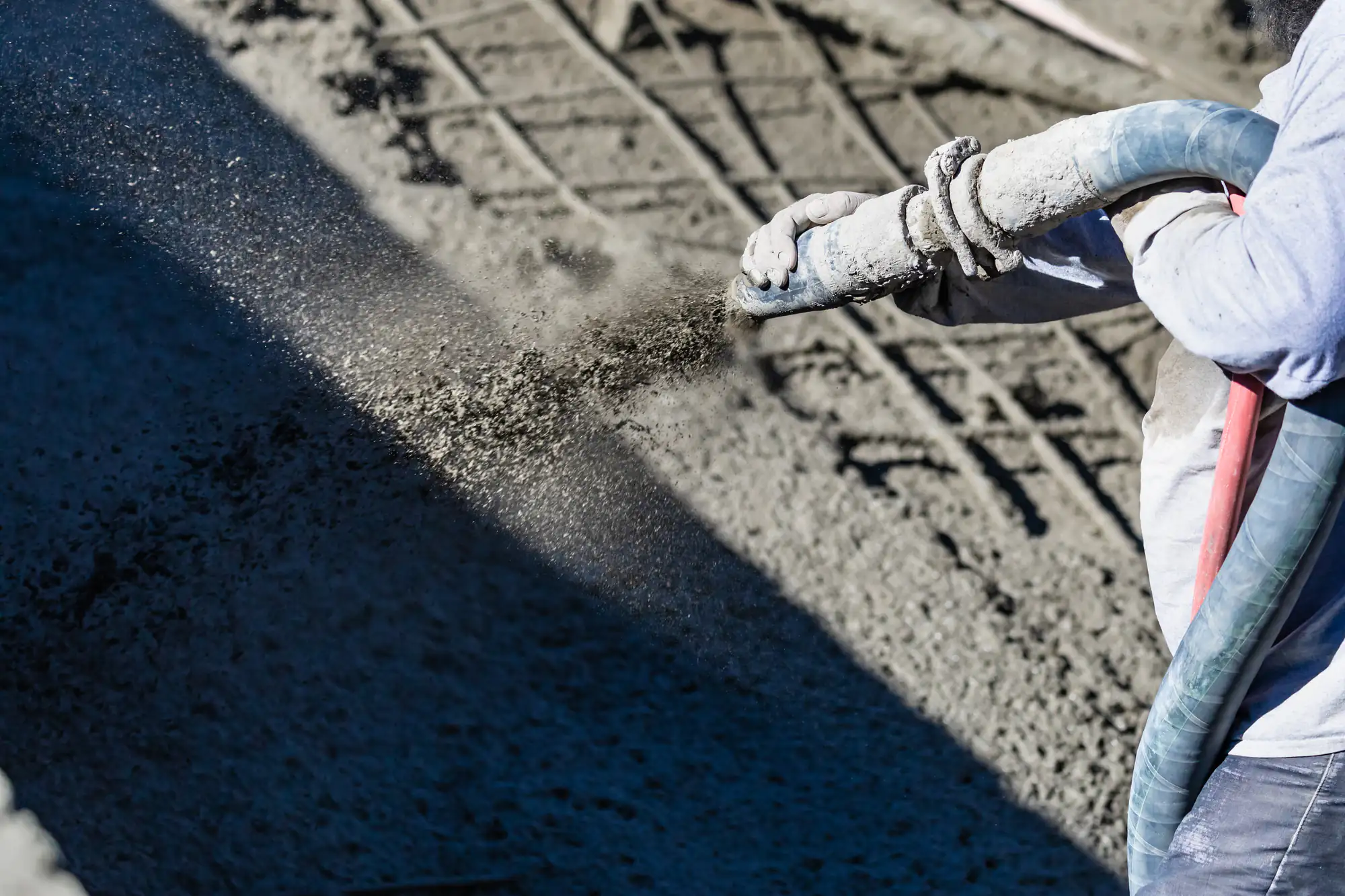
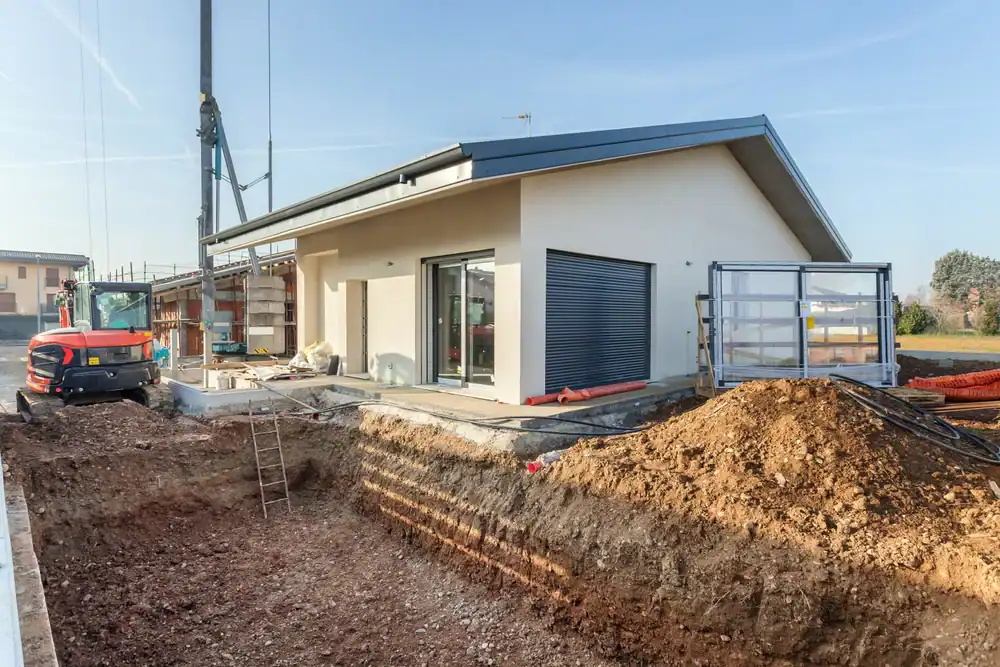
After permits clear, excavation starts. In Dixie Union’s sandy Coastal Plain soil, excavation is managed carefully sandy ground can shift during digging in ways that clay soil doesn’t. The shell goes in with reinforced steel framing, concrete is applied, and the build moves through plumbing, electrical, decking, and water features according to your design. Final inspection closes it out, and your pool is ready to use. No mystery steps, no surprise additions to the bill.
Ready to get started?
Every pool we build is concrete no fiberglass shells, no vinyl liners. That’s a deliberate choice, not a limitation. Concrete allows for fully custom shapes, depth transitions, sun shelves, attached spas, and water features that fiberglass molds simply can’t match. Your pool is designed around your property and how your family actually uses outdoor space, not pulled from a catalog of pre-set shapes.
Every build includes a custom-fitted safety cover designed specifically for that pool’s shape. This isn’t an add-on or an upsell it’s standard. For families with kids or grandkids on a rural Ware County property, a properly fitted safety cover is a real safety feature, and a generic cover isn’t a substitute. It comes with every pool, period.
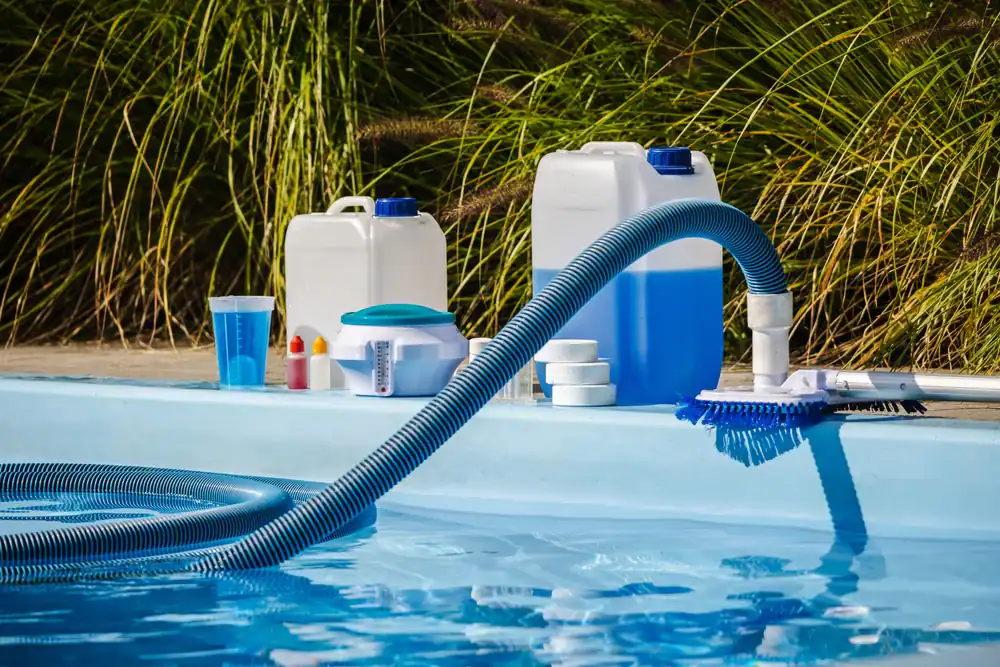
We also offer weekly maintenance plans for homeowners who want their pool swim-ready without spending every Saturday morning testing chemicals and scrubbing walls. For someone who chose rural Dixie Union for the peace and the space not for another weekend chore this is the difference between a pool that stays a joy and one that quietly becomes a burden. From the initial design consultation through the final inspection and beyond, our goal is a pool that performs for decades without drama.
Yes and in unincorporated Ware County, the process involves more than just a standard building permit. Because Dixie Union falls outside any incorporated city limits, all permits run through the Ware County Building Department. Georgia state law requires a building permit for any inground pool deeper than 24 inches, and Ware County enforces that requirement without exception.
The step that catches most homeowners off guard is the Environmental Health review. Since virtually every rural property in Dixie Union operates on a private septic system, Ware County Environmental Health must inspect and approve the proposed pool location relative to your existing septic system before the building department will issue a permit. This is a mandatory step not optional, not something you can skip and sort out later. If the pool is placed too close to a septic component, the permit gets rejected and the project stalls.
We handle the entire permitting process the site plan, the Environmental Health coordination, the permit application, and the inspection scheduling. You don’t have to navigate any of it yourself.
It affects the excavation process more than most people expect. Sandy Coastal Plain soil the kind that runs through Ware County and the Dixie Union corridor behaves very differently from the red clay you’d find north of Georgia’s Fall Line. Sandy soil can shift and collapse into an open excavation more readily than clay, which means the digging phase requires more careful management and faster sequencing to keep the walls stable.
The bigger long-term concern is groundwater. Ware County sits in a low-elevation landscape near the Okefenokee basin, and in many areas of the county, the water table is closer to the surface than homeowners realize. After heavy summer rain which is a regular occurrence in South Georgia groundwater can rise enough to create hydrostatic pressure against a pool shell. A concrete pool engineered with proper drainage systems and reinforced construction handles this well. A fiberglass shell in the same conditions is a different story hydrostatic pressure is one of the primary reasons fiberglass pools can be displaced from the ground in high-water-table areas.
Knowing your specific site conditions before excavation begins is part of what we assess during the initial consultation.
For a custom concrete inground pool in South Georgia, you’re generally looking at a starting range of $70,000 to $85,000 for a straightforward build, with most projects in the Ware County area landing between $80,000 and $130,000 depending on size, depth configuration, water features, decking, and whether an attached spa is part of the design. Larger or more complex builds can go higher.
What drives cost up or down is usually site-specific: how accessible your lot is for excavation equipment, what the groundwater situation looks like, how much custom shaping or added features you want, and what decking and landscaping are included. Rural properties in Dixie Union often have the lot size to accommodate larger designs, which is an advantage but site conditions like soil depth and drainage can add engineering steps that affect the final number.
The quote you get from us is the price you pay. There are no post-signing add-ons or change orders that inflate the bill after you’ve committed. If something affects cost, you’ll know about it before the contract is signed not after excavation has started.
From signed contract to a swim-ready pool, most projects run between eight and fourteen weeks. The range exists because permitting timelines vary Ware County Environmental Health reviews and building department processing can add time depending on their current workload, and that’s a step that can’t be rushed or skipped.
Once permits are in hand, the physical build typically moves in a logical sequence: excavation, steel framework, concrete shell, plumbing and electrical rough-in, interior finish, decking, and final inspection. Weather is a real factor in South Georgia summer afternoon thunderstorms are predictable, and concrete pours need appropriate conditions. We account for this in the project schedule rather than pretending the South Georgia climate doesn’t exist.
If you’re planning around a specific date a summer birthday, a family gathering, a graduation the best move is to start the conversation early. The permitting process alone can take three to five weeks in Ware County, and that clock doesn’t start until the contract is signed and the application is submitted.
The core difference is permanence and customization. A fiberglass pool is a pre-manufactured shell that gets dropped into an excavated hole. It comes in fixed shapes and sizes, and once it’s in the ground, it can’t be structurally changed. A concrete pool is built in place shaped, reinforced, and poured on your specific lot to match your specific design. There’s no catalog to choose from. The pool is built around your property, your preferences, and your family’s needs.
For Ware County homeowners specifically, there’s also the groundwater consideration. Fiberglass shells are buoyant they can be displaced by hydrostatic pressure when the water table rises, which is a real scenario in low-lying areas near the Okefenokee basin after significant rainfall. Concrete pools don’t have this problem. They’re engineered in place and bonded to the surrounding structure.
On the cost side, fiberglass is often marketed as cheaper upfront. But vinyl liner pools another common alternative require liner replacement every seven to ten years, which adds up fast. Concrete has higher upfront costs and requires resurfacing every fifteen to twenty years, but the structural integrity and design flexibility are in a different category entirely.
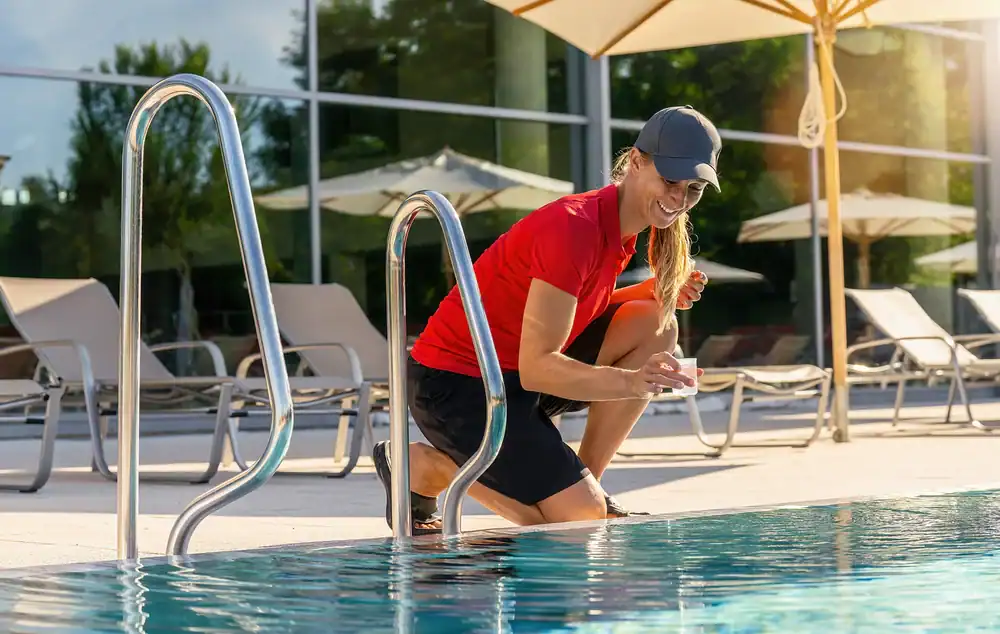
Yes we offer weekly maintenance plans for homeowners who want their pool consistently taken care of without making it a weekend job. This includes water chemistry testing and balancing, equipment checks, and keeping the pool clean and swim-ready throughout the season.
For a rural Dixie Union property, this matters more than it might in a suburban neighborhood where pool supply stores are around the corner. Out here, driving into Waycross for chemicals every week gets old fast and letting water chemistry drift because you got busy is how you end up with algae problems that cost real money to fix. A weekly maintenance plan keeps the chemistry dialed in consistently, which also extends the life of your pool’s interior surface and equipment.
It’s also worth noting that South Georgia’s long pool season April through October at minimum means your pool is in active use for a significant portion of the year. Equipment like pumps, filters, and heaters work harder in extended-season climates than they do in northern markets where pools sit idle for five or six months. Regular maintenance catches small equipment issues before they become expensive repairs, and that’s especially valuable when you’re a long drive from the nearest pool service shop.