
Hear from Our Customers
A pool built in East Dublin isn’t the same job as one built in a dry upland suburb. You’re in a river valley. The Oconee sits right on your city’s western edge, and that proximity affects soil moisture, drainage behavior, and groundwater pressure in ways that matter when you’re putting a permanent concrete structure in the ground. A builder who doesn’t account for that is taking a risk you’ll be paying for years later in cracks, shifting, or worse.
When the project is finished, you should have a pool that holds its structure through Georgia’s wet summers, drains properly after a heavy rain, and doesn’t give you problems five years from now. That’s what concrete construction done right actually delivers. It gets stronger over time, not weaker unlike fiberglass shells that can pop under groundwater pressure or vinyl liners that need replacing every decade.
For families in East Dublin where 36% of households have kids under 18, a backyard pool isn’t a luxury splurge. It’s practical. It’s six months of summer cooling without loading everyone in the car. It’s your yard, finally working for your family. When it’s built to last and designed around how your household actually lives, it pays for itself in ways that are hard to put a number on.
Deep Waters Pools was founded in 2014 but the experience behind it goes back over three decades. Our founders came to pool building after years in the concrete and plumbing trades, which means they weren’t learning on the job when they started. They’d already seen what happens when a pool is built without accounting for Georgia’s variable soils, and they built this company specifically to do it differently.
We serve communities across middle and South Georgia, including Laurens County and the East Dublin area. That means familiarity with the local permit process from the Laurens County Building Department through Environmental Health approvals for septic-served properties and the kind of site knowledge that only comes from actually working in this region. We know the difference between a lot near the Oconee River and one on higher ground, and we build accordingly.
This isn’t a franchise operation running a national playbook. It’s a builder who knows East Dublin’s soil conditions, drainage patterns, and permitting landscape because we work here regularly.
It starts with a real conversation about your yard, your family, and how you plan to use the space. From there, we handle a 3D design rendering so you can see exactly what the finished pool will look like in your actual backyard before a single shovel hits the ground. No abstract drawings. No surprises when the concrete sets.
Once the design is approved, the permit process begins and this is where a lot of contractors leave homeowners stranded. In Laurens County, getting a pool permit means submitting a detailed site plan, coordinating with the building department, and in many cases getting Environmental Health sign-off if your property runs on a septic system. We handle every step of that process. You don’t have to take a day off work to navigate county offices.
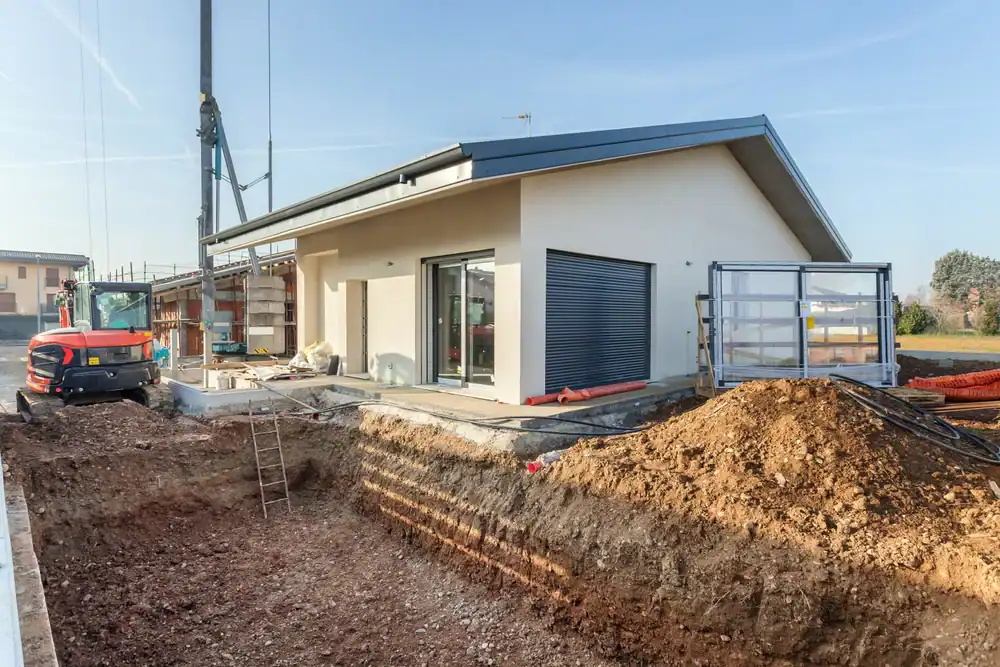
Excavation and construction follow the permit approval. The timeline for a custom concrete pool typically runs 8 to 16 weeks depending on the scope of the project. East Dublin’s pool season runs roughly April through October, so if you’re planning a summer build, starting the process in late winter gives you the best shot at being swim-ready before the heat peaks. We keep you informed throughout no radio silence, no vague updates.
Ready to get started?
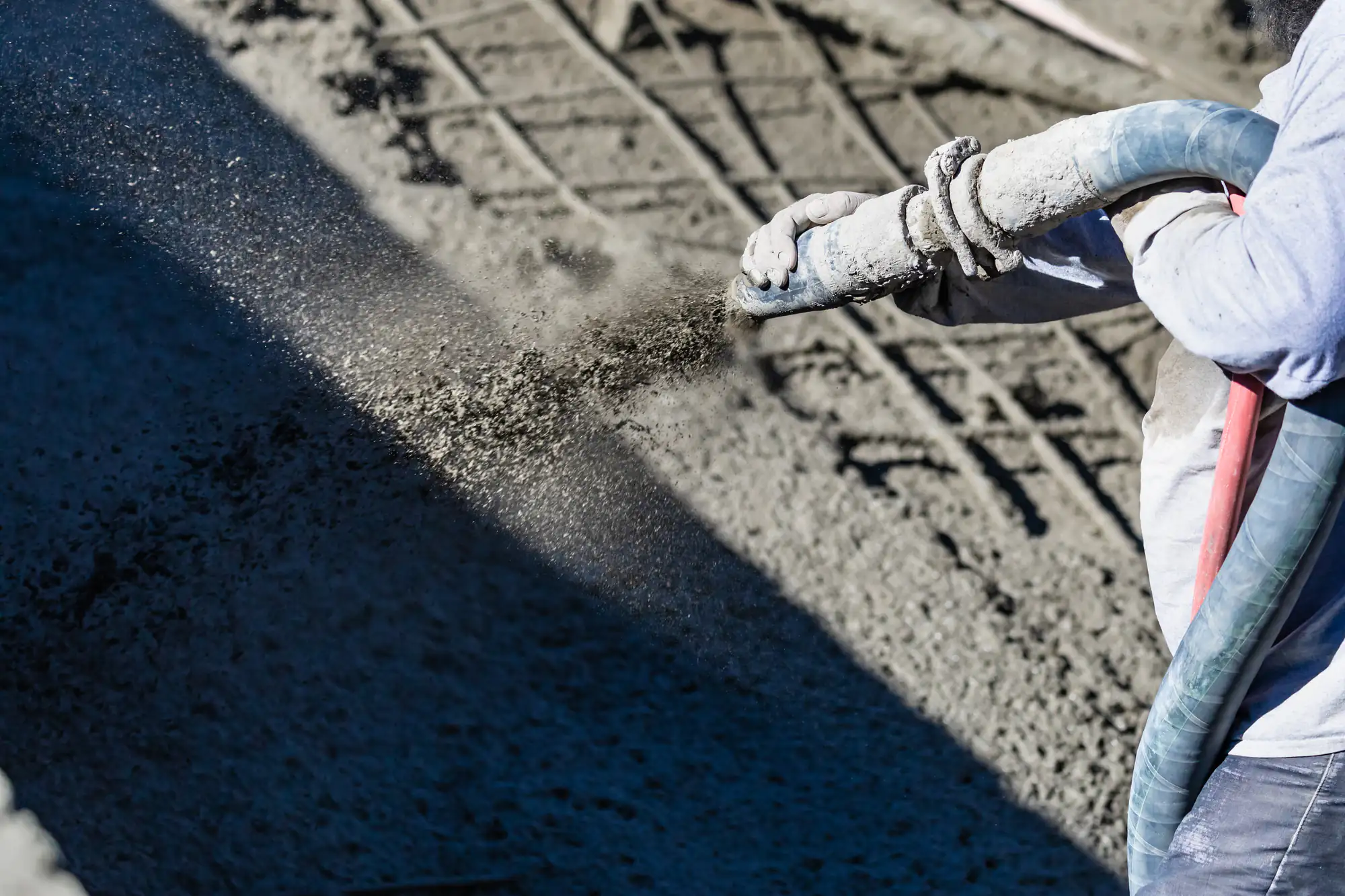
Every pool we build is concrete not fiberglass, not vinyl. That’s a deliberate choice, not a default. Concrete is the only material that can be fully customized to your yard’s shape, your family’s needs, and the specific site conditions of your property. For lots near the Oconee River where soil drainage and moisture levels vary, a properly engineered concrete shell with a reinforced steel framework is the right call structurally. It’s not just about aesthetics.
The full build includes a custom safety cover fitted specifically to your pool’s shape not an afterthought add-on, just standard. Spa construction, patio design and installation, and weekly maintenance service are also available if you want the whole backyard handled in one place. We also provide complete permit handling from the initial boundary survey through the final inspection, which matters in Laurens County where the multi-step approval process involves more than one county office.
Pricing is transparent from the start. The quote you receive reflects what you’ll actually pay. There are no scope-creep surprises, no change orders used to inflate the final number after you’ve signed. For East Dublin homeowners making a significant investment relative to local home values where the median sits around $124,700 to $153,000 that kind of straight pricing isn’t just nice to have. It’s the whole point.
Yes and in Laurens County, the permit process involves more than one step. You’ll need a building permit with a detailed site plan showing property boundaries, pool placement, setbacks, and equipment locations. If your property uses a septic system, you’ll also need Environmental Health approval before the building permit can be issued. That’s a step that catches a lot of East Dublin homeowners off guard because it’s not always obvious upfront.
There are also fencing requirements to be aware of. Georgia transferred pool barrier regulation to local governments, so Laurens County’s specific rules apply generally a lockable fence at least four feet high with self-closing, self-latching gates. Properties near the Oconee River may also have floodplain-related considerations depending on your lot’s position. We handle the full permit process on your behalf, from the initial boundary survey through final inspection sign-off, so you don’t have to figure out which office to call first.
A custom concrete inground pool in Georgia typically runs between $70,000 and $150,000 or more depending on size, features, site conditions, and what’s included. Spas, patios, and specialty features add to that range. The wide spread exists because no two projects are the same a straightforward rectangular pool on flat ground costs less than a freeform design with a spa and custom patio on a lot with drainage complexity.
For East Dublin homeowners, the investment is significant relative to local home values, which is exactly why pricing transparency matters. We provide detailed, upfront quotes that reflect the actual scope of work not a low number designed to get you to sign, followed by change orders that inflate the final bill. What you’re quoted is what you pay. If you want an accurate number for your specific yard and wishlist, the process starts with a conversation about your property and what you’re looking for.
For a custom concrete pool, you’re looking at roughly 8 to 16 weeks from the start of construction to a finished, swim-ready pool. That range accounts for the size and complexity of the project, site conditions, and the inspection schedule required during the build. Highly customized projects with spas, detailed patio work, or challenging site conditions can run closer to the longer end of that window.
What most homeowners don’t factor in is the time before construction even begins the design phase, permit submission, and county approval process. In Laurens County, that process can take several weeks depending on workload at the building department and whether Environmental Health review is required. If you’re planning to have your pool ready for East Dublin’s summer season, which runs from roughly April through October, starting the conversation in January or February gives you the best timeline. Waiting until spring to begin the permit process usually means a late-summer finish at best.
Concrete is the only pool material that gives you full control over the shape, size, depth, and layout of the pool. Fiberglass shells come in fixed shapes and sizes you’re choosing from a manufacturer’s catalog, not designing something specific to your yard. Vinyl liners can be customized to some degree, but they need to be replaced every seven to ten years, which adds recurring cost over the life of the pool.
There’s also a structural argument that’s especially relevant in East Dublin. Properties near the Oconee River sit in a river valley environment where soil moisture levels and groundwater pressure are higher than in upland areas. Fiberglass pools are known to pop out of the ground when groundwater pressure builds beneath them a real risk in areas with elevated moisture. A properly engineered concrete pool with a reinforced steel framework is built to stay in the ground and get stronger over time. For a permanent investment in your property, that matters more than a faster installation timeline.
If your property falls within or near a FEMA-designated flood zone which is a real possibility for lots on the east bank of the Oconee there may be additional requirements that affect where and how your pool can be built. This can include elevation considerations, drainage engineering, and additional review as part of the permitting process. It doesn’t automatically disqualify a property from having a pool, but it does mean the site needs to be evaluated carefully before design and permitting begin.
This is one of the reasons we start every project with a proper site assessment and handle the full permit process in-house. If floodplain factors apply to your lot, they’ll surface early not after excavation has already started. Getting that information upfront allows the design and engineering to account for it from the beginning, which is far less disruptive and expensive than discovering it mid-project. If you’re unsure whether your property has flood zone implications, that’s one of the first things to address in the initial consultation.
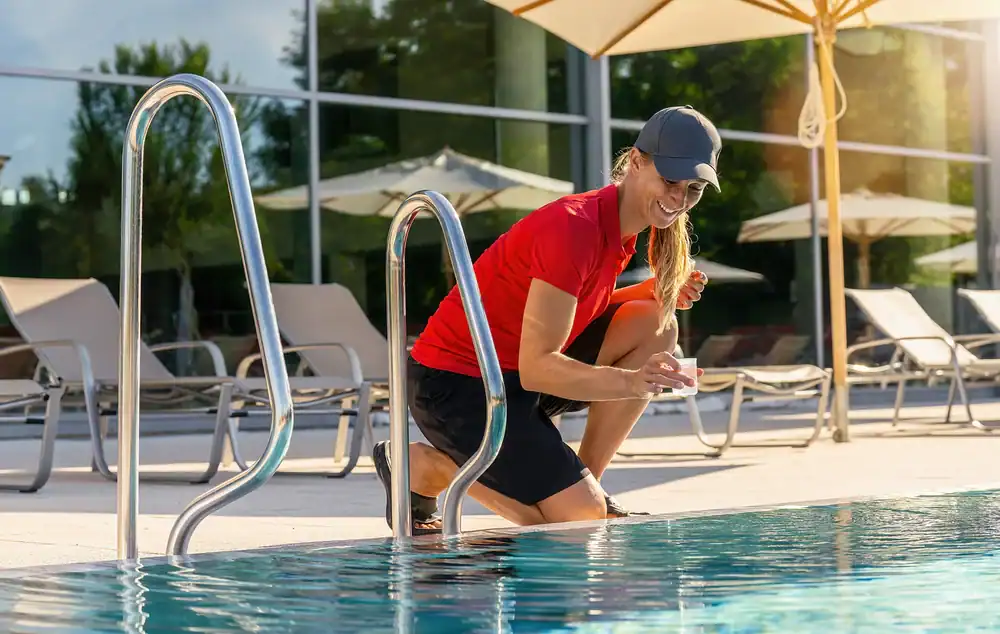
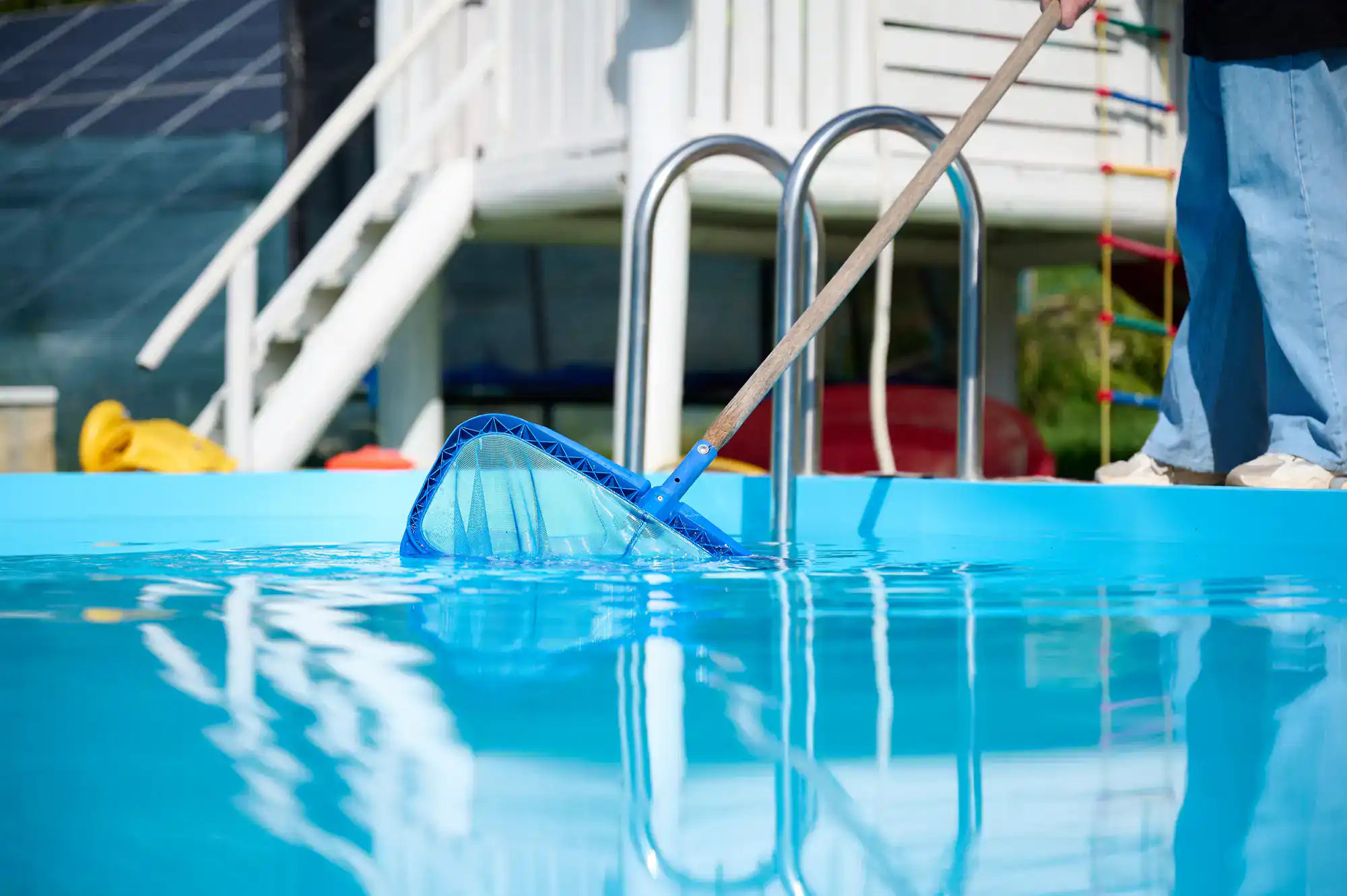
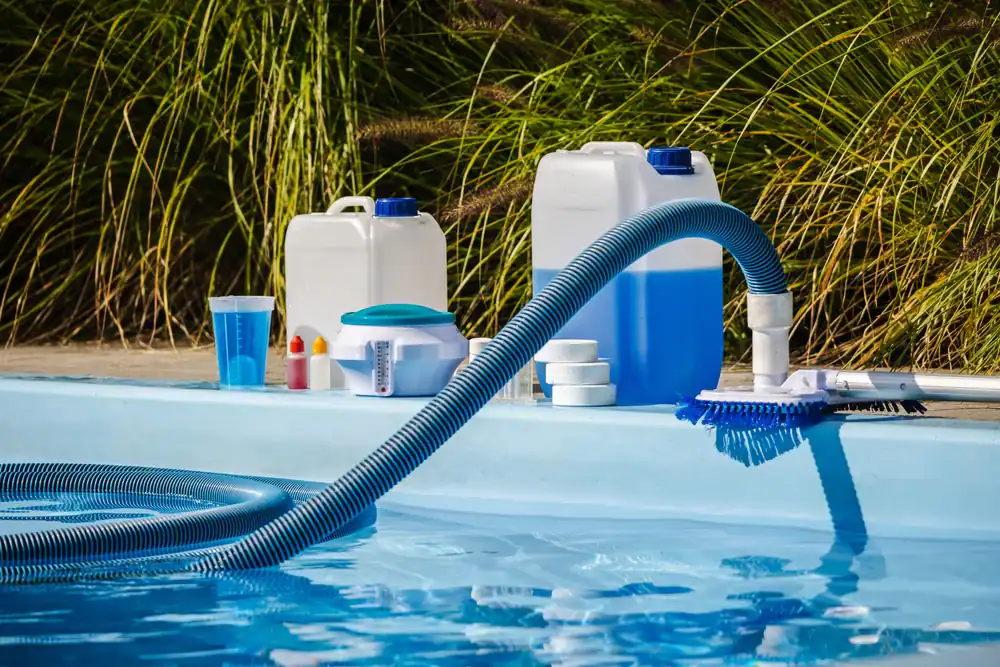
Yes. We offer weekly pool maintenance service, which covers water chemistry balancing, equipment checks, and keeping the pool clean and swim-ready throughout the season. For East Dublin families, the pool season runs roughly April through October that’s six months of consistent use, which means six months of chemistry management, filter maintenance, and regular cleaning if you’re handling it yourself.
Most families who invest in a pool do it to use it, not to spend their weekends testing water and troubleshooting equipment. The maintenance service exists so you don’t have to become a pool technician to enjoy what you built. It also protects the investment a pool that’s properly maintained holds its finish, runs its equipment longer, and avoids the kind of water chemistry problems that can damage surfaces and mechanical components over time. If you’re building a new pool, it’s worth asking about the maintenance plan during the initial consultation so it’s ready to go the day the pool is finished.