

Hear from Our Customers
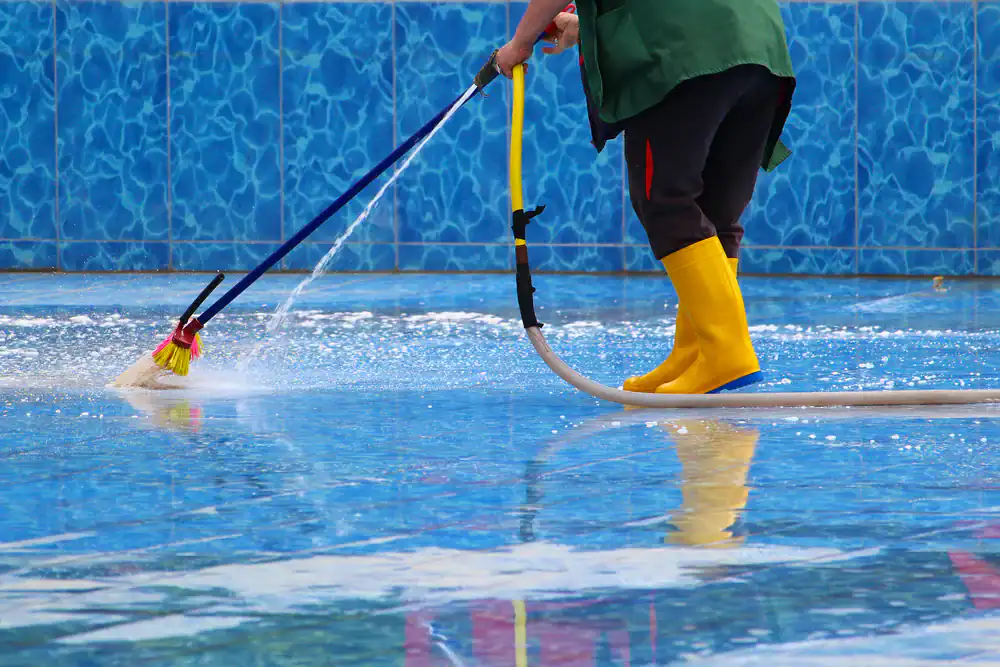
Your pool stays crystal clear because someone’s actually testing the chemistry every week, not just tossing in chlorine and hoping. The water feels right when you step in—no stinging eyes, no slimy walls, no wondering if it’s safe for the kids.
You get your weekends back. No more two-hour Saturday mornings scrubbing, skimming, and trying to figure out why the water turned cloudy overnight. No more trips to the pool store with a water sample, standing in line while someone explains what you should’ve done differently three days ago.
Your equipment lasts longer because it’s getting checked by someone who knows what a struggling pump sounds like before it dies. Filters get cleaned on schedule. Baskets get emptied. Small problems get caught before they turn into expensive ones.
And when summer hits in Georgia and everyone wants to swim, your pool’s already there. Not green. Not waiting on a shock treatment. Just ready.
We’ve been maintaining residential pools across Bickley and Douglas County for over 30 years. We’re the ones homeowners call when their previous “pool guy” stops showing up or when they’re tired of doing it themselves and getting mediocre results.
We’re licensed and insured, which matters more than it sounds like it should. It means if something goes wrong, you’re covered. It also means we’ve been doing this long enough to know how Georgia’s heat, pollen, and red clay dirt affect pool chemistry differently than other places.
We’re local—right here on Baker Highway in Douglas. When you call, you’re talking to people who know exactly where Bickley is and what pool owners around here deal with. We’re not a franchise following a script from another state.
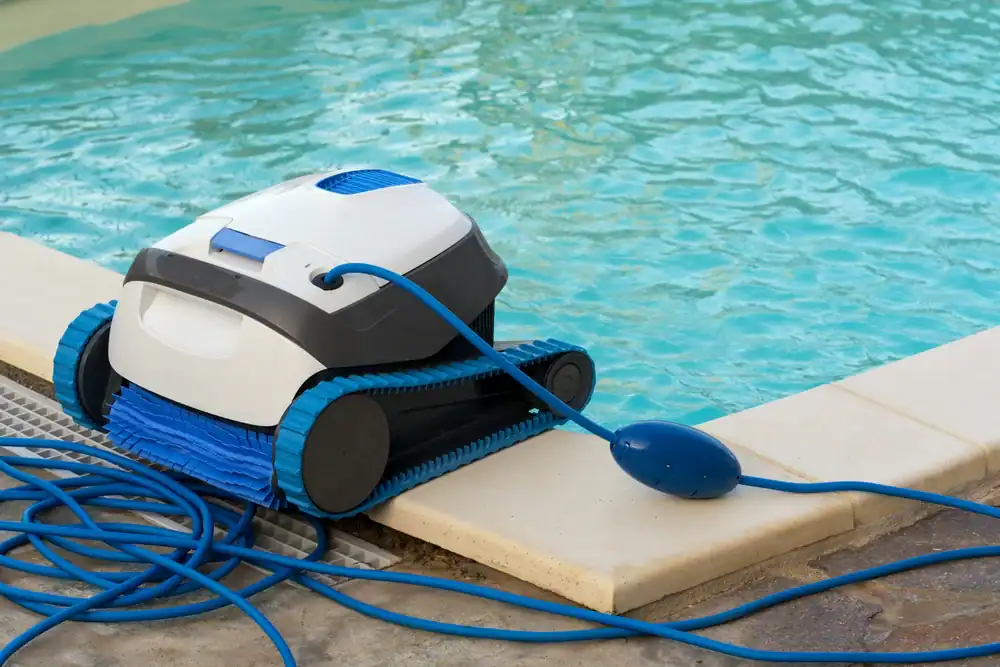
We show up on the same day each week, usually while you’re at work or doing literally anything else. First thing is skimming the surface and emptying the baskets—sounds basic, but it prevents your pump from working twice as hard and burning out early.
Then we brush the walls and steps. Algae starts there before you can see it, so we stay ahead of it instead of fighting it later. We vacuum the floor if it needs it, which in Bickley it usually does because of how much pollen and dirt we get.
Next is testing the water chemistry. Not with strips—with an actual test kit that tells us exactly where your pH, chlorine, alkalinity, and calcium levels are. We adjust what needs adjusting right then, on-site, so your water stays balanced all week instead of swinging between too high and too low.
We check your equipment while we’re there. Look at the pump, inspect the filter pressure, make sure nothing’s leaking or making weird sounds. If something needs attention, we tell you before it becomes an emergency.
Then we’re done. The whole process takes about an hour, and when we leave, your pool’s in better shape than when we got there.

Ready to get started?
Every visit covers surface skimming, basket cleaning, wall and step brushing, and vacuuming when needed. We’re not just making it look clean—we’re removing the organic material that throws off your chemistry and feeds algae growth.
Chemical testing and balancing happens every single week. That’s how you avoid the swings that irritate skin, damage equipment, and turn your pool green between visits. We bring the chemicals with us and adjust levels on the spot based on what your specific pool needs that day.
Equipment inspection is part of the standard service because catching a small leak or hearing a pump struggle early saves you hundreds or thousands later. We’re checking filter pressure, looking for cracks, making sure water’s flowing the way it should.
In Douglas County, we’re also dealing with higher pollen counts and red clay dust that other areas don’t see as much of. That means more debris, more frequent filter cleaning, and staying on top of things before they pile up. We adjust our approach based on what Bickley pools actually deal with, not some generic checklist.
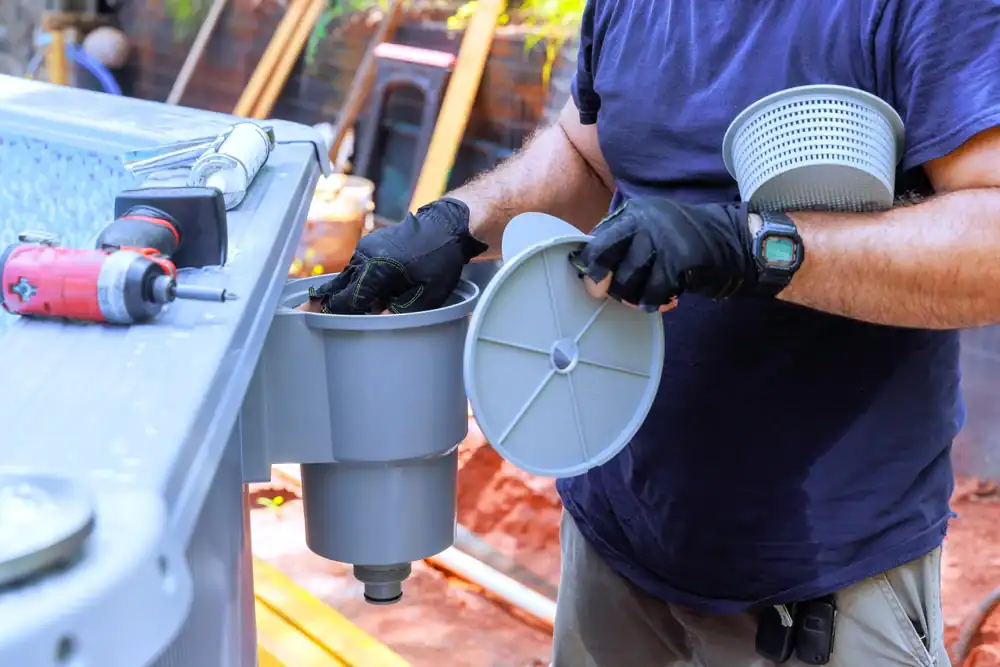
Most residential pools in Bickley need weekly service to stay consistently clean and safe. Georgia’s long swim season, high pollen counts, and heat make once-a-week maintenance the standard, not overkill.
If you go longer than a week between cleanings, you’re not just dealing with more debris—you’re letting chemistry drift out of range, which compounds fast. Algae can bloom in 3-4 days when conditions are right. Pollen and organic matter build up and consume chlorine faster than you’d think.
Bi-weekly service can work if your pool gets very light use, you’re diligent about skimming between visits, and you’re comfortable testing and adjusting chemicals yourself. But most homeowners who try that end up switching to weekly because they’re still doing a lot of the work themselves and dealing with problems between visits. Weekly service means someone else is managing the whole thing, and your pool stays ahead of issues instead of constantly catching up.
You’ll spend 2-4 hours every week on something that still might not be done right. Pool maintenance isn’t hard, but it’s time-consuming and easy to get wrong if you’re not doing it regularly.
The biggest issue is chemical balancing. Pool store test strips are inconsistent, and most DIY pool owners are reacting to problems instead of preventing them. You see cloudy water, add shock, overshoot chlorine, then pH swings, then alkalinity is off, and suddenly you’re chasing your tail. Professional testing is more accurate, and we’re adjusting levels before you’d even notice something’s wrong.
Equipment problems get missed until they’re expensive. A small leak, a pump running louder than usual, filter pressure creeping up—these are things we catch during routine visits. Homeowners usually don’t notice until something stops working, and by then a $150 repair has turned into a $1,200 replacement.
The real cost is your time. If your weekends are worth anything to you, paying someone to handle pool maintenance makes sense. And if you’re doing it yourself but still ending up with algae blooms or constant chemistry issues, you’re spending time and money without getting results.
We test more accurately and adjust based on what your pool actually needs that day, not what a chart says. Most homeowners use test strips, which are convenient but inconsistent. We use liquid reagent test kits that give precise readings for pH, chlorine, alkalinity, calcium hardness, and stabilizer levels.
Once we know where everything sits, we’re adjusting in smaller, more controlled amounts. That keeps your water stable week to week instead of swinging between extremes. Big swings are what cause eye irritation, equipment corrosion, and algae growth.
We’re also accounting for things like recent rain, heavy pool use, high heat, and pollen loads—all of which affect chemistry differently. A pool in Bickley after three days of rain needs different treatment than the same pool during a dry week in July. We adjust for those conditions instead of following a one-size-fits-all routine.
And we’re using professional-grade chemicals, not the overpriced consumer stuff from big box stores. Same active ingredients, better concentration, lower cost per application. That adds up over a season.
Cheaper services usually mean less time per visit, lower-quality chemicals, and techs who are rushing through a route. You’ll get a quick skim and some chlorine, but not the attention that actually keeps a pool in good shape.
We spend about an hour on each pool, every visit. That’s enough time to do the job right—thorough brushing, proper vacuuming, accurate testing, equipment checks. Discount services are often in and out in 20 minutes because their business model depends on volume. They’re not checking your filter pressure or noticing that your pump’s running hotter than it should.
Chemical quality matters more than most people realize. Bargain services use cheaper chlorine and shock products that don’t dissolve as well and leave residue. We use better chemicals that work more effectively and don’t create new problems while solving old ones.
The real difference shows up over time. Pools we maintain stay clearer, equipment lasts longer, and homeowners deal with fewer emergency calls and unexpected repairs. You’re not saving money if you’re paying for algae treatments, extra chemicals, and premature equipment replacement because your “cheap” service wasn’t actually maintaining anything.
We service pools year-round because Georgia’s climate means your pool needs attention even in winter. You might not be swimming in January, but your water chemistry doesn’t stop mattering, and equipment doesn’t stop running.
Algae can still grow in cold water—it just grows slower. If you stop treating your pool in October and ignore it until April, you’re looking at a swampy mess that takes serious time and money to fix. Regular winter maintenance keeps the water clear and balanced so it’s ready to go when warm weather hits.
Your pump and filter still need to run during winter, just on a reduced schedule. We adjust service frequency based on the season—weekly during heavy use months, bi-weekly or monthly during winter depending on your pool’s needs. Equipment still needs checking, debris still needs removing, and chemistry still needs monitoring.
Year-round service also means we catch problems during the off-season when repairs are easier to schedule and often less expensive. Waiting until May when everyone’s calling about their green pool means longer wait times and higher demand for parts and labor. Keeping up with it through winter avoids that rush.
We can usually get someone out within a few days for an initial assessment, and start regular service the following week. If your pool’s green or has serious algae, we’ll need to do a cleanup service first before starting weekly maintenance.
Cleanup involves shocking the pool, heavy brushing, multiple vacuuming sessions, and potentially filter cleaning or backwashing depending on how bad things are. That’s typically a separate service from regular maintenance because it takes more time and chemicals. Once the pool’s back to clear, we start the weekly routine that keeps it that way.
If your pool’s in decent shape but you just want to hand off the maintenance, we can start regular service right away. First visit will be more thorough as we get a baseline on your equipment and chemistry, then we settle into the weekly routine.
We’re local to Douglas County, so we’re not trying to coordinate schedules across three different regions. That means faster response times and more flexibility than bigger companies that service a huge area. When you call, we can usually get you on the schedule quickly without a three-week wait.