

Hear from Our Customers
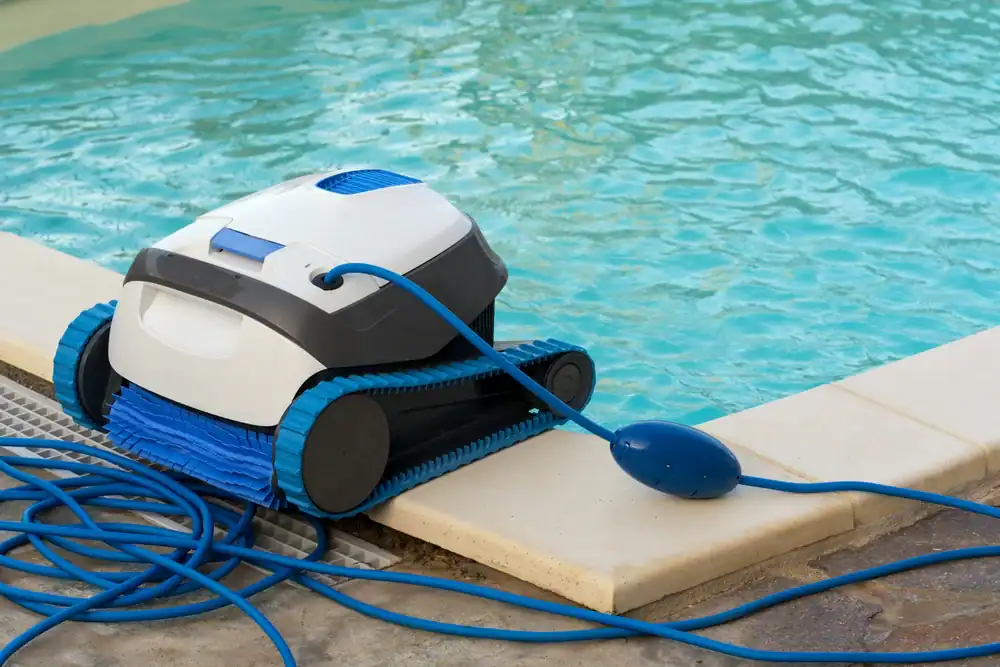
A clean pool isn’t just about looks. It’s about not walking outside on a Saturday morning to find your water has gone green overnight because the chlorine burned off during a week of 95-degree heat and afternoon storms. That’s a real thing that happens here in Boston, and it happens fast.
Thomas County’s mature hardwoods the same live oaks and pines that make this area feel like nowhere else in Georgia drop debris, pollen, and organic matter into your pool year-round. In spring, a skimmer basket that was clear on Monday can be completely blocked by Wednesday. When that happens, your pump is working harder than it should, your filtration drops off, and the water starts losing the battle. Routine maintenance stops that chain reaction before it starts.
What you actually get from consistent pool care is time back, a pool that’s usable when you want it, and the confidence that your water is genuinely safe not just clear. Chemistry that looks fine to the eye can still be off enough to irritate skin, damage equipment, or set the stage for an algae problem that takes multiple visits to fix. Staying ahead of it is always cheaper than catching up.
We built Deep Waters Pools on a straightforward premise: South Georgia families deserved a pool company that showed up, did the full job, and didn’t disappear after the check cleared. Our founder spent over 30 years in concrete, plumbing, and custom pool construction before launching the company in 2014 and that background changes how every maintenance visit gets handled. When one of our technicians services your pool, they’re not just running through a checklist. They understand the plumbing, the filtration, and what early warning signs actually look like before they become expensive repairs.
Boston sits about 10 miles east of Thomasville on US 84, and we know this stretch of Thomas County well. The properties out here tend to have real tree cover, older established landscaping, and the kind of debris load that demands consistent attention not a once-in-a-while visit. We service this area because we know it, not because it showed up on a map expansion.
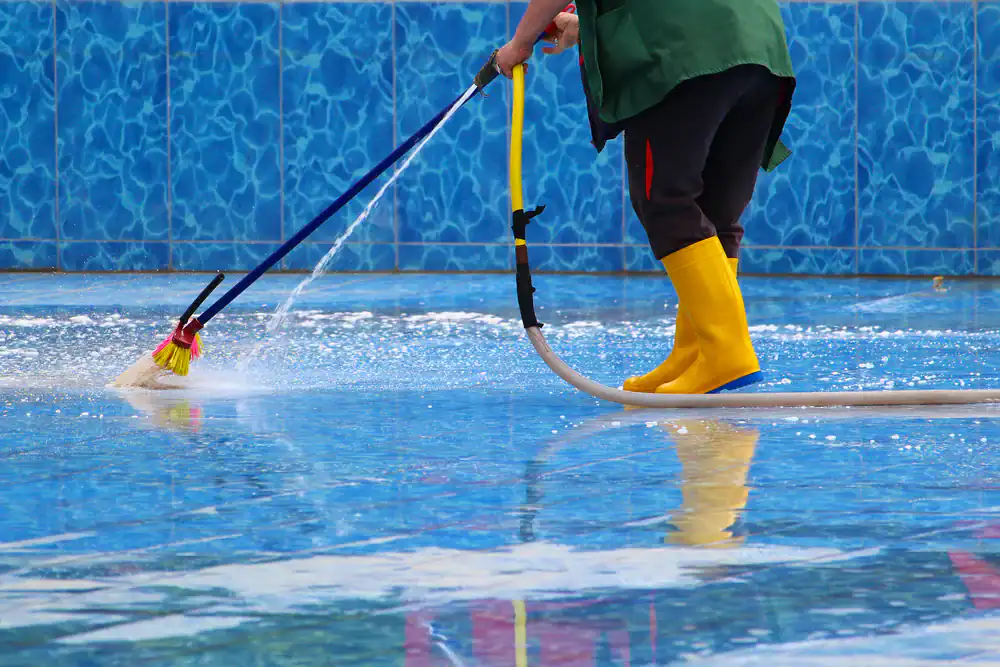
Every visit starts with a full water chemistry test. Not a glance and a chlorine tablet an actual test that tells us where your pH, alkalinity, and sanitizer levels stand before we touch anything. From there, we balance what needs balancing and document what was done so you always know the numbers, not just our word for it.
After the chemistry check, we clear the debris. That means skimming the surface, vacuuming the floor, brushing the walls and steps, and cleaning out both the skimmer and pump baskets. In Boston, that last step matters more than most people realize. With the tree canopy in this area, skimmer baskets can go from clear to clogged in a matter of days especially during spring pollen season or after one of the area’s summer thunderstorms rolls through and drops a load of organic matter into the water. A blocked basket starves your pump and sets up filtration problems that compound over time.
We also check your equipment on every visit pump, filter, and any visible plumbing so small issues get flagged before they turn into repair calls. At the end of each visit, you get a service report. What was done, what was found, and anything worth watching. That’s the full picture, every time.
Ready to get started?
Spring in Thomas County is pollen season, and it hits pools hard. Live oaks, pines, and the surrounding hardwoods coat everything including your water. Our spring opening service gets your pool chemistry dialed in after winter, clears the early-season debris surge, and makes sure your equipment is ready for the long summer ahead.
Summer is the most demanding stretch for any pool in South Georgia. The heat accelerates chlorine breakdown, humidity keeps conditions favorable for algae, and the afternoon thunderstorms that roll through regularly dump debris and dilute your water chemistry in a single event. Our weekly maintenance schedule is built around that reality not a national service template designed for somewhere with milder summers.
When fall arrives, the Boston Mini-Marathon and Festival brings the community out, and leaf drop from the area’s hardwoods creates a second debris surge that can overwhelm a pool that isn’t being watched. And while Boston winters are mild, Thomas County does see overnight temperatures dip below freezing enough to damage pump seals, plumbing, and filter equipment if they’re left unprotected. Our seasonal closing service handles that before it becomes a spring repair bill. Whether you need weekly upkeep through summer, a targeted opening in March, or a proper close-out before the first freeze, the service is built around what your pool actually faces here not somewhere else.
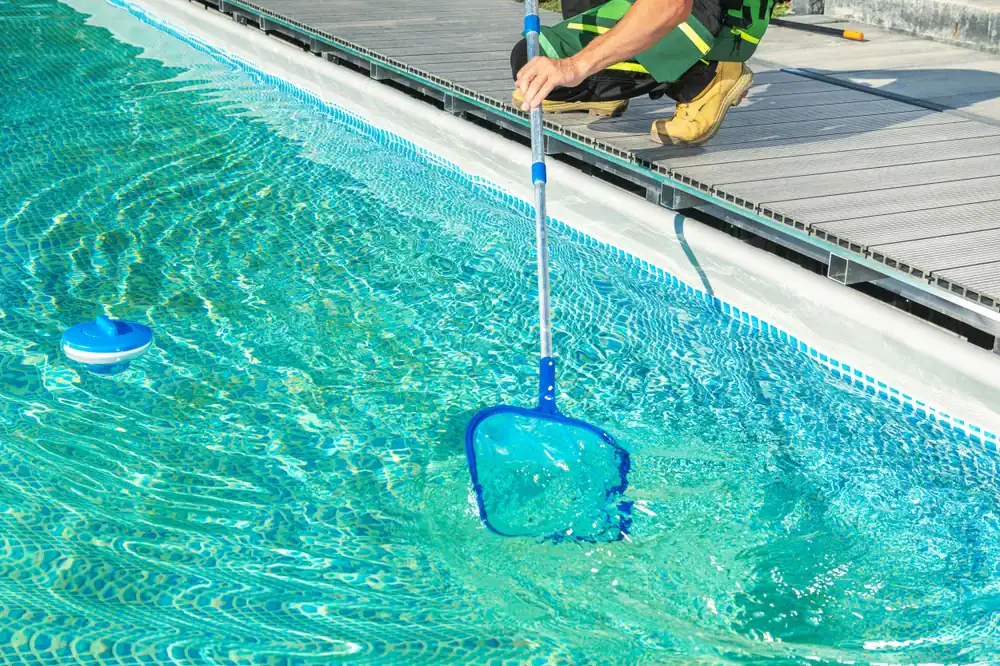
For most pools in Boston, weekly service is the right call from roughly March through October and here’s why. Boston sits in a subtropical climate zone where summer temperatures regularly push into the mid-to-upper 90s, humidity stays high, and afternoon thunderstorms are a regular occurrence. That combination depletes chlorine faster than most people expect. A pool that was balanced on Monday can be dangerously low on sanitizer by Thursday after a stretch of peak-summer heat and UV exposure.
Add in Thomas County’s tree canopy the live oaks, pines, and hardwoods that give this part of Georgia its character and you’ve got a debris load that doesn’t let up. Skimmer baskets fill quickly, organic matter accumulates on the floor, and algae finds its footing faster when the water isn’t being turned over and filtered properly. Weekly maintenance keeps all of that in check. During the cooler months, some pool owners in Boston can stretch to biweekly service, but that’s a conversation worth having based on your specific setup, tree cover, and how often the pool gets used.
Chemical balancing covers more than just chlorine. A properly balanced pool requires the right pH level, total alkalinity, calcium hardness, and sanitizer concentration all working together. When any one of those is off, the others tend to follow. Low pH makes chlorine less effective and can corrode your equipment over time. High pH causes scaling and cloudy water. Alkalinity that’s out of range makes pH nearly impossible to hold steady. These aren’t abstract concerns they’re the reason a pool can look clear and still be unsafe or damaging to the equipment underneath.
In Boston’s summer climate, the biggest chemical challenge is chlorine demand. Heat and UV radiation break down free chlorine rapidly, and a single afternoon thunderstorm can dilute your water chemistry enough to shift the balance. Every service visit we perform includes a full water test before any chemicals are added so we’re adjusting based on actual numbers, not guesswork. You’ll see what the readings were and what was done to correct them, every single time.
In most parts of the country, skipping a week of pool service is an inconvenience. In South Georgia during summer, it can mean a green pool by the time you get back to it. The combination of heat, humidity, and organic debris that Boston pools deal with from June through September creates near-ideal conditions for algae growth. Chlorine burns off faster in high temperatures, and if sanitizer levels drop too low even for a few days algae can establish on pool walls and steps before you’d notice anything wrong with the water.
Recovering from an algae bloom isn’t a one-visit fix. It typically requires shock treatment, multiple rounds of brushing, and follow-up testing to confirm the water is safe again. That process costs more in chemicals, more in service time, and more in frustration than the maintenance visits that would have prevented it. Consistent weekly service during the summer months is genuinely the less expensive path not just the more convenient one.
Boston’s winters are mild compared to most of the country, but Thomas County does see overnight temperatures drop below freezing sometimes hard enough to cause real damage if pool equipment isn’t prepared. Pump seals, filter housings, and exposed plumbing can crack or fail during a hard freeze, and the repair costs from a single freeze event can easily run into the hundreds or more depending on what gets hit.
The good news is that closing a pool in this climate doesn’t require the full winterization protocol you’d see in northern states. It’s more targeted protecting the equipment from freeze exposure, getting the chemistry to a stable holding point, and making sure the cover is secure enough to handle winter debris. Many Boston pool owners also choose to keep their pools running year-round, which is perfectly reasonable here given the mild winters. If that’s your preference, we adjust the maintenance schedule and chemical approach for the lower-demand months rather than closing out entirely. Either way, going into winter with a plan is better than finding out in March that something cracked.
Pricing for pool cleaning service in the Thomasville and Thomas County area which is the closest comparable market to Boston typically runs between $95 and $165 or more per month for weekly service, with chemicals often billed separately depending on the provider and what the pool requires each visit. Where you land in that range depends on your pool’s size, how much debris it collects, what equipment it has, and how frequently it needs chemical adjustment.
It’s worth understanding what you’re actually paying for. A lower monthly rate that doesn’t include chemical costs can end up more expensive in practice if the provider is adding chemicals without testing first or not adding enough. A higher rate that includes full water testing, documented service reports, and equipment checks is often the better value when you factor in what it costs to fix a pump that ran dry, treat a full algae bloom, or deal with a chemical imbalance that’s been quietly damaging your finish for months. The goal isn’t to find the cheapest service it’s to find one that actually protects what you’ve invested in.
This is one of the more important questions to ask before you hire anyone. A lot of pool cleaning services are exactly that cleaning only. When something breaks or starts showing signs of wear, you’re on your own to find someone else, coordinate the handoff, and hope the diagnosis from the cleaner translates accurately to the repair tech. That gap is where problems get missed and costs go up.
Deep Waters Pools is a full-service pool company with over 30 years of construction and plumbing experience behind the maintenance work. When one of our technicians flags something during a service visit a pump that’s pulling harder than it should, a filter that’s holding pressure it shouldn’t, a fitting that’s starting to weep that observation comes from someone who understands how the system is built, not just how to clean it. For Boston homeowners who are 10 miles from the nearest pool supply store and don’t have a deep bench of local service options, having one company that can handle cleaning, chemical management, equipment repair, and seasonal care is a practical advantage. You’re not managing multiple vendors or explaining your pool’s history to a new technician every time something comes up.