
Hear from Our Customers
Most pool problems don’t show up all at once. They build quietly a little chemical drift after a heavy summer storm rolls through Thomas County, a skimmer basket that goes a week too long without being cleared, a pH that slips just enough to let algae get a foothold. By the time it’s visible, you’re already dealing with a recovery job instead of a maintenance visit.
That’s what consistent, professional pool cleaning actually prevents. When your water is tested and balanced on every visit not on a fixed formula, but based on what the weather has actually been doing your pool stays ahead of the problems instead of chasing them. Southwest Georgia’s heat and humidity are relentless from May through September, and a pool that isn’t actively managed during that stretch will show it.
For homeowners in Meigs, especially those with larger rural properties or pools in communities like Riverwind Plantation, the goal is simple: you want to use your pool, not manage it. Regular debris removal, skimmer basket cleaning, chemical balancing, and equipment checks mean the pool is ready when you are not a project waiting on the weekend.
We’ve been in business since 2014, but the experience behind our operation goes back more than three decades. Our ownership has built pools from the ground up, repaired systems that other companies walked away from, and serviced every major equipment brand on the market Hayward, Pentair, Jandy, Sta-Rite, Zodiac. That’s not a list of certifications on a wall. It’s the kind of background that means our technician notices a failing pump seal during a routine cleaning visit and tells you about it before it becomes a $900 repair.
We’re a family-owned operation serving Meigs and the surrounding Thomas County area, which matters more in a small community than it does anywhere else. In a town like Meigs, where your neighbors already know who’s reliable and who isn’t, there’s no corporate buffer between you and the people responsible for your pool. You get real accountability, consistent service, and someone who actually picks up the phone.
Every visit starts with a water test not a glance at the water, but an actual reading of your chlorine levels, pH, alkalinity, and other chemical markers. From there, we adjust the chemical treatment based on what those numbers show and what conditions have been like. If a string of 93-degree days just burned through your chlorine faster than usual, or a summer storm added several inches of water and diluted your balance, that gets accounted for. The treatment fits your pool’s actual state, not a preset schedule.
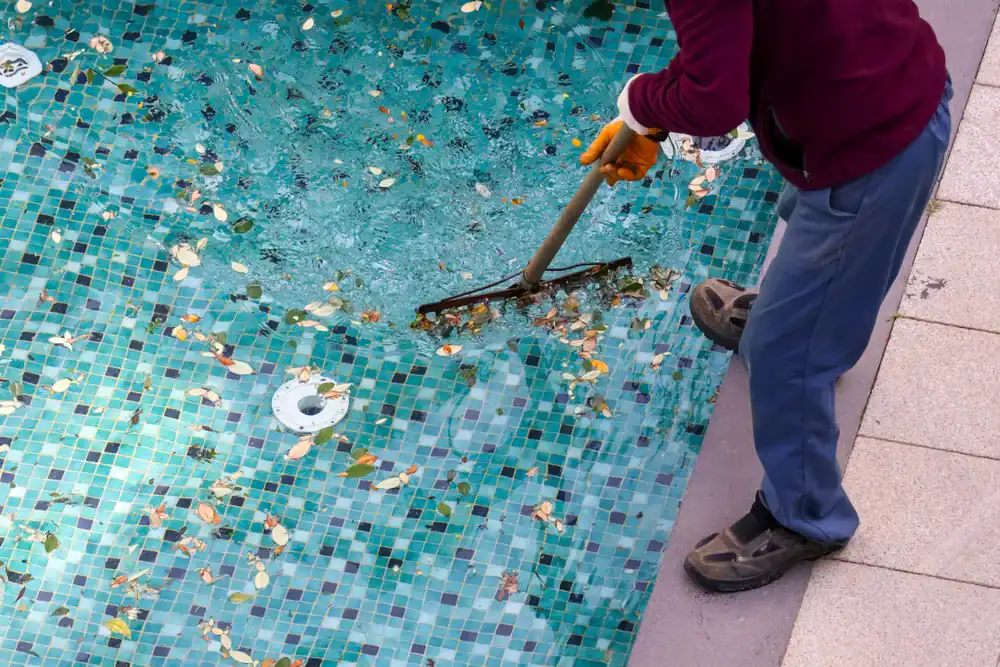
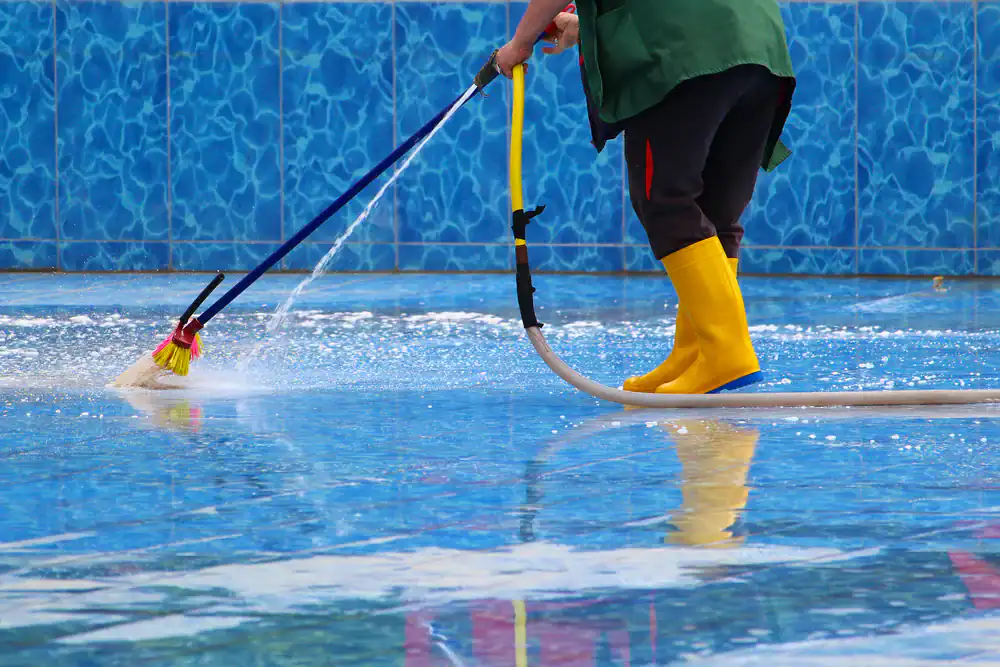
After the chemistry is addressed, the physical cleaning begins skimming the surface, emptying skimmer baskets, brushing walls and steps, and vacuuming as needed. Thomas County’s pine forests mean pollen season runs hard from late winter into spring, and that organic load in the water doesn’t just look bad it feeds algae. Brushing and debris removal aren’t optional steps here; they’re part of what keeps the chemistry stable between visits.
The visit wraps with an equipment check. Pump operation, filter pressure, return flow anything that looks off gets flagged and communicated to you directly. If something needs attention, you hear about it the same day, not weeks later when it becomes a bigger problem.
Ready to get started?
Our routine pool cleaning service covers the full scope of what keeps a pool healthy water testing and chemical balancing, surface skimming, skimmer basket cleaning, wall and step brushing, debris vacuuming, and equipment inspection on every visit. There’s no stripped-down base package that leaves out the essentials and charges you extra for the rest. What your pool actually needs is what gets done.
For pools in the Meigs area, seasonal timing matters. The swim season here runs long pools can be actively used well into October, and even through the mild South Georgia winter, algae doesn’t stop growing just because the air cools down. A pool that goes unserviced from November through February will almost always need a recovery treatment before it’s usable again in spring. Year-round maintenance prevents that entirely and ends up costing less than the alternative.
If your pool has already gotten away from you green water, heavy algae buildup, a chemistry imbalance that’s been sitting for weeks that’s a recoverable situation. We handle green pool restoration as well as ongoing maintenance, and we’ve brought back pools that were in significantly worse shape than most homeowners think is fixable. Whether you’re starting fresh or picking up from where things went sideways, the process starts the same way: a real assessment of where the water is and what it actually needs.
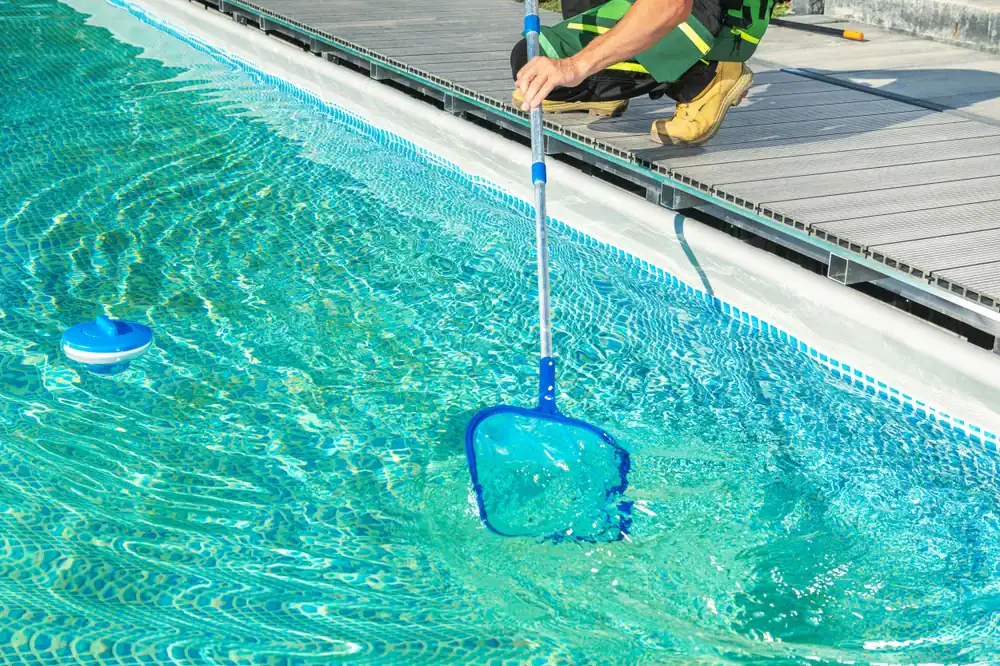
For most pools in the Meigs area, weekly service is the right call during the active swim season roughly May through September. Southwest Georgia’s heat and humidity create conditions where algae can start establishing itself within 24 to 48 hours if the chemistry drifts, and the UV load alone during a hot July week can burn through free chlorine faster than most homeowners expect. Waiting two weeks between visits during that stretch is usually long enough for visible problems to develop.
During the cooler months, some pools can be stretched to bi-weekly service, but that depends on the pool, how much it’s being used, and what the weather has been doing. South Georgia winters are mild enough that algae growth doesn’t stop it just slows down. Skipping maintenance entirely through the winter almost always means a harder, more expensive startup in March. Consistent year-round service, even at a reduced frequency, keeps that from happening.
A routine visit covers water testing and chemical balancing, surface skimming, skimmer basket emptying, wall and step brushing, debris vacuuming as needed, and a basic equipment check. The chemical balancing isn’t a fixed dose it’s based on what the water test actually shows and what conditions have been like since the last visit. If there was a heavy rainstorm that diluted your chemistry, or a stretch of extreme heat that accelerated chlorine loss, those factors get accounted for in the treatment.
The equipment check at the end of each visit is worth mentioning specifically. It’s not a deep diagnostic, but it’s enough to catch early warning signs unusual pump noise, pressure readings that are off, return flow that’s weaker than it should be. Catching those things during a routine visit is a lot less expensive than finding out about them when the equipment fails mid-summer.
This is one of the most common frustrations for pool owners who are managing their own chemistry. The issue usually isn’t that you’re not adding enough it’s that the balance between chlorine, pH, and alkalinity is off in a way that makes the chlorine ineffective. Chlorine that’s added to water with a high pH, for example, becomes largely inactive. You’re adding product but not actually sanitizing the water, and algae takes advantage of that gap quickly.
In the Meigs area, the problem is compounded by the climate. High temperatures accelerate chlorine demand, and summer thunderstorms regularly dilute pool water and shift the chemical balance in ways that aren’t obvious until the water starts to change color. Pine pollen from the surrounding Thomas County tree cover also adds phosphates to the water, which is a direct food source for algae. Keeping a pool clear here requires more than a weekly chemical dose it requires testing, adjusting, and understanding what the local conditions are doing to the water between visits.
In colder climates, pools get fully winterized and closed for months at a time. That’s not how it works in Southwest Georgia. Meigs doesn’t get the kind of sustained freezing temperatures that would require a full pool closure, which means your pool is sitting open, holding water, and subject to algae growth all winter long just at a slower rate than in summer.
Homeowners who cut service from November through February consistently face the same outcome: a pool that needs significant chemical treatment, brushing, and sometimes equipment attention before it’s usable again in spring. That recovery work typically costs more than the maintenance visits that were skipped. Staying on a reduced-frequency schedule through the winter even just twice a month keeps the chemistry stable, prevents algae from establishing, and means your pool is actually ready when warm weather returns in March or April instead of being a project you have to deal with first.
After a significant rain event, your pool’s chemical balance has almost certainly shifted. Rainwater is essentially neutral in pH but carries organic material, debris, and contaminants into the water and if the storm was heavy enough to add several inches to your pool level, it’s also diluted your chlorine and other chemicals to a degree that leaves the water under-protected. In South Georgia’s warm temperatures, algae can begin to establish within 24 to 48 hours in water that’s chemically unbalanced.
The right move is to test the water as soon as possible after the storm and adjust accordingly not just add a shock dose and hope for the best. Chlorine, pH, and alkalinity all need to be checked and corrected based on actual readings. You’ll also want to clear any debris that came in with the storm, since organic material sitting in the water adds to the chemical load and speeds up the imbalance. If you’re on a regular service schedule with us, your technician should be factoring recent weather into every visit that’s a basic part of professional pool maintenance that makes a real difference in storm-heavy seasons like the ones Thomas County regularly sees.
That depends on what you’re comparing. If you’re weighing the monthly cost of professional service against the time, supplies, and learning curve of managing pool chemistry yourself, most pool owners find the math closer than they expected. Pool chemicals, test kits, and equipment maintenance supplies add up and if the chemistry goes wrong and you end up with a green pool or a damaged filter, the cost of fixing it often exceeds several months of professional service fees.
The more honest comparison is between consistent professional maintenance and the reactive costs that come from inconsistent DIY care. In the Meigs area, where summer heat and frequent storms create real chemical pressure on pool water, the margin for error is smaller than it is in milder climates. A technician who understands what the local conditions are doing to your water and adjusts accordingly on every visit is preventing problems that cost significantly more to fix than to avoid. For homeowners who are already working long days and commuting to Thomasville and back, not having to think about the pool at all is worth something on its own.