

Hear from Our Customers
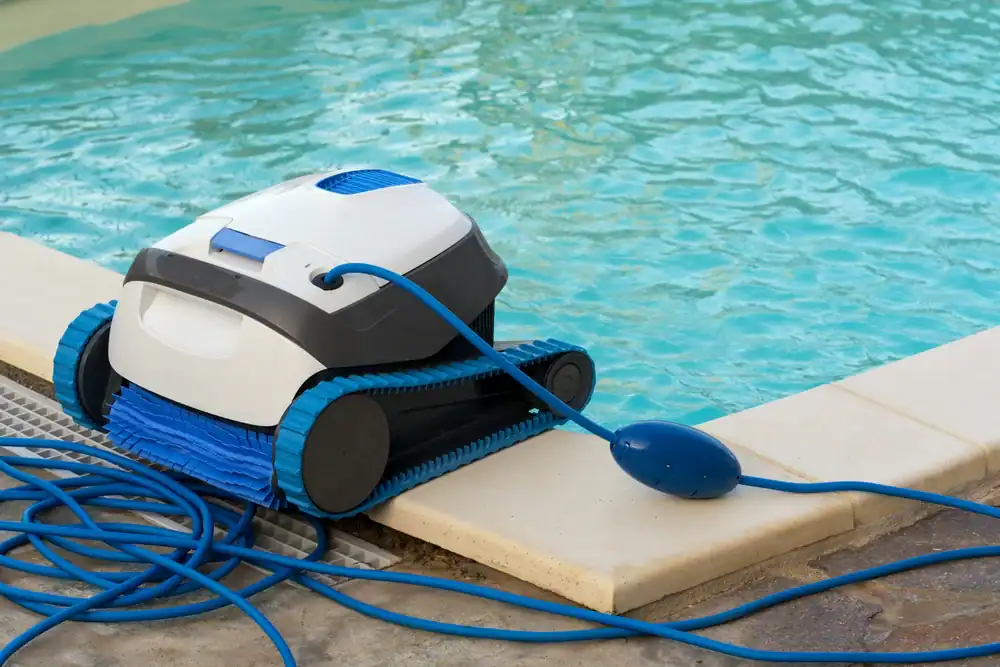
Out here along SR 32, the summers don’t let up. When temperatures are pushing past 90°F and the afternoon thunderstorms roll through Irwin County every other day, your pool chemistry doesn’t stay balanced on its own. Chlorine burns off fast under that kind of UV exposure, and the rain dilutes what’s left. A pool that looked fine Monday can be green and unusable by Wednesday that’s just South Georgia in July.
Most Mystic homeowners who commute out to Ocilla or beyond for work aren’t getting home with time or energy left to test water, clean skimmer baskets, and backwash filters before dark. You bought a pool to use it not to spend every weekend maintaining it. When you have a reliable cleaning schedule in place, that changes. You come home, the water’s clear, the chemistry’s right, and the pool is actually ready for the people who matter most.
The other thing worth saying plainly: neglecting pool maintenance in a South Georgia climate doesn’t just mean a green pool. It means accelerated wear on your pump, your filter, and your liner. Fixing those things costs significantly more than keeping up with regular service. Consistent, professional maintenance protects the investment you’ve already made.
We’re based in Douglas, GA about 35 to 40 minutes from Mystic and have been working in South Georgia’s pool industry for over 30 years. We were built on a straightforward principle: do the work right, be honest about what it costs, and don’t leave families dealing with problems that could have been prevented.
Serving Mystic and communities throughout Irwin County means understanding what pool ownership actually looks like here. Properties off SR 32 deal with higher debris loads from surrounding farm fields and pine stands. Well water is common in rural Irwin County, and it behaves differently in a pool than municipal water does. These aren’t things you learn from a training manual they’re things you learn from decades of showing up to pools across this part of the state.
When we come out to your property, you’re getting someone who understands the full picture not just the surface of the water, but the equipment underneath it, the chemistry behind it, and the conditions around it.
Every visit starts with a full assessment of what the pool looks like that day water clarity, surface debris, equipment function, and chemical levels. In Irwin County, that starting point changes depending on what the weather has done recently. A heavy thunderstorm earlier in the week means diluted chemicals and added organic load. A stretch of dry, hot days means accelerated chlorine loss. The service adapts to what’s actually happening, not a fixed checklist that ignores conditions.
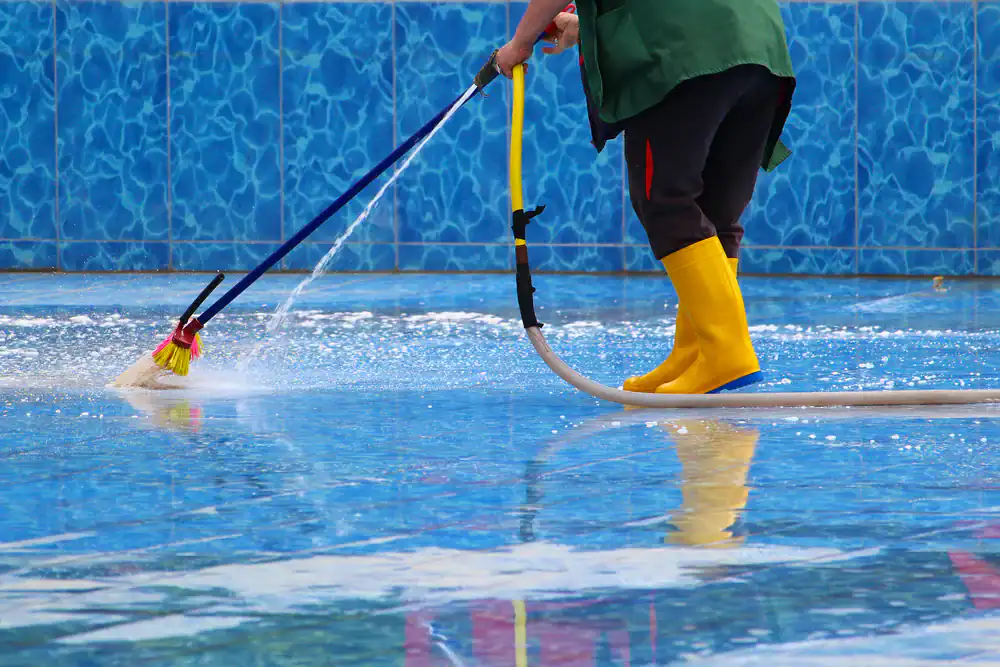
From there, the physical cleaning happens in full: surface skimming, wall and step brushing, vacuuming, and skimmer and pump basket cleaning. These aren’t optional steps they’re the difference between a pool that runs efficiently and one that’s quietly overworking its equipment. Clogged baskets force your pump to strain harder than it should, and in the long run, that shows up in repair bills.
Once the pool is physically clean, water chemistry gets tested and balanced completely pH, chlorine, alkalinity, calcium hardness, and stabilizer levels all get checked and corrected as needed. If your pool is fed by well water, which is common on rural properties near Mystic, that chemistry baseline is different from a municipal water pool and gets treated accordingly. After every visit, you’ll know exactly what was done and what the water levels look like.
Ready to get started?
Our routine pool maintenance covers the full scope of what keeping a pool in good condition actually requires. That means surface skimming, debris removal, wall and step brushing, vacuuming, skimmer basket cleaning, pump basket cleaning, filter backwashing when needed, and complete chemical testing and balancing on every single visit. Nothing gets skipped because the visit is running long or the technician has somewhere else to be.
For Mystic-area pools specifically, debris removal is a bigger part of the job than it is in a suburban setting. Pine pollen, dust from unpaved roads near agricultural land, and organic matter from surrounding fields all find their way into the water. Skimmer baskets fill faster, and the organic load on pool chemistry is higher. The service accounts for that reality it’s not a one-size-fits-all protocol applied from a metro Atlanta playbook.
Beyond the weekly or bi-weekly routine, we also handle seasonal pool care for Irwin County homeowners spring openings, fall closings, and the equipment checks that go with each. Even in South Georgia’s mild winters, a hard freeze can damage exposed plumbing and pump equipment if the pool isn’t properly wound down for the season. Getting that right in the fall means your pool is ready to go the first warm weekend of spring, without any unpleasant surprises waiting for you.
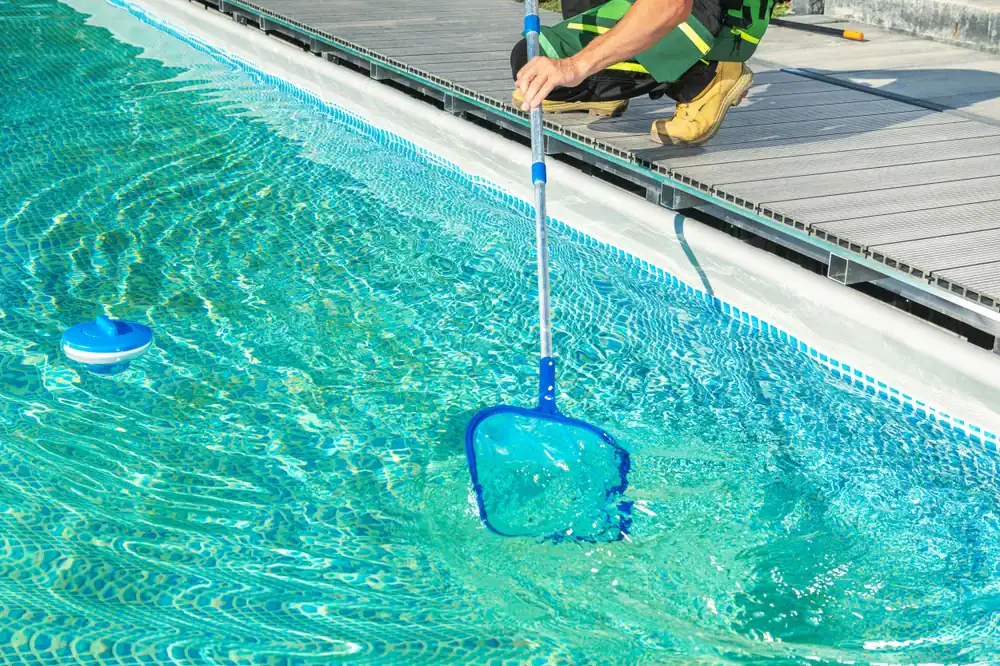
For most pools in the Mystic area, weekly service is the right call from late April through September. South Georgia’s summer heat, intense UV, and frequent afternoon thunderstorms create conditions where pool chemistry shifts faster than most homeowners expect. Chlorine can drop below safe levels within a day or two of a significant rain event, and algae can establish itself in under 48 hours once that happens.
If your pool sees lighter use maybe early spring or late fall bi-weekly service may be sufficient during those shoulder months. But during peak season in Irwin County, the combination of heat, humidity, and storm activity makes weekly professional maintenance the most reliable way to keep the water safe and the equipment protected. Trying to stretch service intervals to save money during July and August usually ends up costing more when you’re dealing with an algae treatment or a pump issue that could have been caught earlier.
Chemical balancing isn’t just adding chlorine. A properly balanced pool requires the right levels across several different measurements pH, free chlorine, total alkalinity, calcium hardness, and cyanuric acid stabilizer. When any one of those is off, it affects the others, and the whole system becomes less effective. Water that’s too acidic corrodes equipment and irritates skin. Water that’s too alkaline makes chlorine less effective and leads to scaling on surfaces.
In South Georgia’s climate, the challenge is that these levels shift constantly. UV radiation from intense summer sun burns off chlorine rapidly. Rainwater dilutes everything and drops pH. High temperatures accelerate biological growth. Keeping all of those variables in balance requires testing at every visit and adjusting based on what the water actually shows not just dumping a standard dose and calling it done. For pools on well water, which is common on rural Irwin County properties, the starting chemistry is different and requires its own calibration approach.
You can, and plenty of people do. But there’s a difference between maintaining a pool and maintaining it well, especially during a South Georgia summer. The honest answer is that DIY maintenance works fine when conditions cooperate mild temperatures, no major storms, light pool use. When July hits Irwin County and you’re dealing with 95-degree days, afternoon thunderstorms twice a week, and heavy pollen from the surrounding fields and pine stands, staying ahead of the chemistry becomes a near-daily effort.
Most homeowners near Mystic are already commuting 30 minutes or more each way for work. Adding pool maintenance to the weekend list is one thing in May. It’s another thing entirely in August when the water is fighting you at every turn. The value of professional service isn’t just convenience it’s consistency. A pool that’s checked and balanced on a reliable schedule stays healthier, runs more efficiently, and costs less to maintain over time than one that gets attention only when something looks wrong.
Yes and this is something a lot of South Georgia pool owners underestimate. The winters here are mild compared to north Georgia, but Irwin County does see freeze events, and exposed pool plumbing, pump housings, and filter equipment can sustain real damage when temperatures drop below freezing overnight. The cost of replacing a cracked pump housing or burst PVC plumbing line is considerably higher than the cost of a proper seasonal closing.
A professional fall closing means the equipment is protected, the water chemistry is set for the off-season, and any developing issues a worn seal, a valve that’s starting to fail get caught before they become a spring emergency. Then when the weather turns warm again, a spring opening gets the chemistry rebalanced, the equipment inspected, and the pool ready to use before the first hot weekend arrives. Skipping either step is a gamble that sometimes pays off and sometimes doesn’t.
The most visible problem is algae. In South Georgia’s summer heat and humidity, a pool with depleted chlorine can go from clear to visibly green in 48 to 72 hours. Once algae takes hold, clearing it requires shock treatment, sustained chemical intervention, and often multiple visits which costs significantly more than the routine service that would have prevented it.
But algae isn’t the only issue. When debris accumulates and skimmer baskets go uncleaned, your pump has to work harder to pull water through a restricted system. Over time, that strain shortens the pump’s lifespan. Unbalanced chemistry particularly water that’s too acidic slowly corrodes metal fittings, erodes grout, and damages pool surfaces. None of these problems announce themselves loudly. They develop quietly over weeks and show up as expensive repairs. Regular cleaning and chemical balancing isn’t just about keeping the water pretty it’s about protecting equipment that costs thousands of dollars to replace.
Well water is common on rural properties throughout Irwin County, and it behaves differently in a pool than water from a municipal supply. The mineral content, iron levels, pH, and hardness in well water vary from property to property sometimes significantly. When you apply standard chemical protocols to a well-water pool without accounting for those differences, you end up with chemistry that’s consistently off-target, even if you’re treating it regularly.
The approach with well-water pools starts with understanding what’s actually in the source water before making any chemical decisions. Iron in well water, for example, can cause staining on pool surfaces when chlorine levels are raised without the right sequestering agents in place. High hardness levels affect how other chemicals perform and can lead to scaling on equipment and surfaces over time. We’ve been working with rural South Georgia pools long enough to know that the well-water question isn’t a footnote it’s one of the first things worth understanding about a property before a service plan is set up.