

Hear from Our Customers
You get your time back. No more spending Saturday mornings testing pH levels or scrubbing algae off the walls. No more guessing whether your chlorine’s where it needs to be or wondering if that green tint means trouble.
Your pool stays swim-ready. Water stays balanced, equipment runs clean, and algae doesn’t get a chance to take hold. Georgia’s heat and humidity create the perfect conditions for algae to explode overnight if chlorine dips even slightly. We test twice a week during summer because that’s what it takes here.
You avoid the expensive fixes that come from neglect. When chemical levels drift for too long, you’re not just dealing with cloudy water. You’re looking at corroded pumps, stained surfaces, and filtration systems that quit early. Regular residential pool cleaning in Douglas County keeps small issues from becoming big bills.
We’ve been maintaining and building pools in Douglas County for over 30 years. We’re the family-owned business that built our reputation one satisfied customer at a time, treating every pool like it’s going in our own backyard.
We know what Georgia weather does to pools. The summer storms that dump acidic rain and debris. The humidity that accelerates algae growth. The intense sun that burns through chlorine faster than most people realize. These aren’t things we read about—we’ve been managing them in Oberry and surrounding areas since before most pool companies existed.
You’re not getting a national franchise following a corporate manual. You’re getting local expertise that understands Douglas County’s specific challenges and shows up when we say we will.
We start with water testing. pH, chlorine, alkalinity, and stabilizer levels all get checked against Georgia’s recommended ranges. Your pH should sit between 7.4 and 7.6, chlorine between 1 and 3 ppm, and total alkalinity between 80 and 120 ppm. We adjust what’s off.
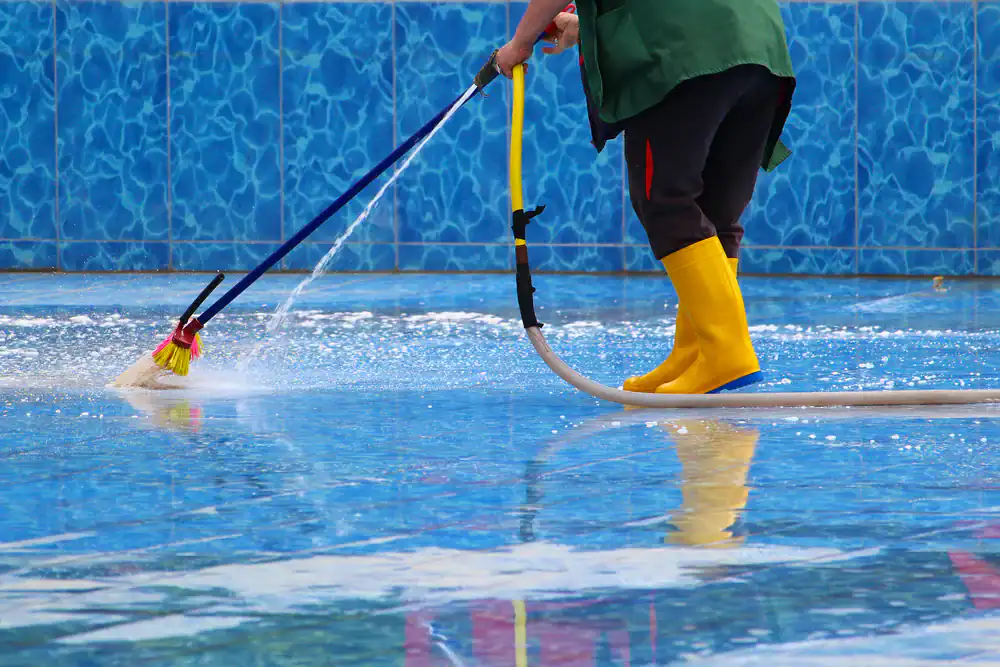
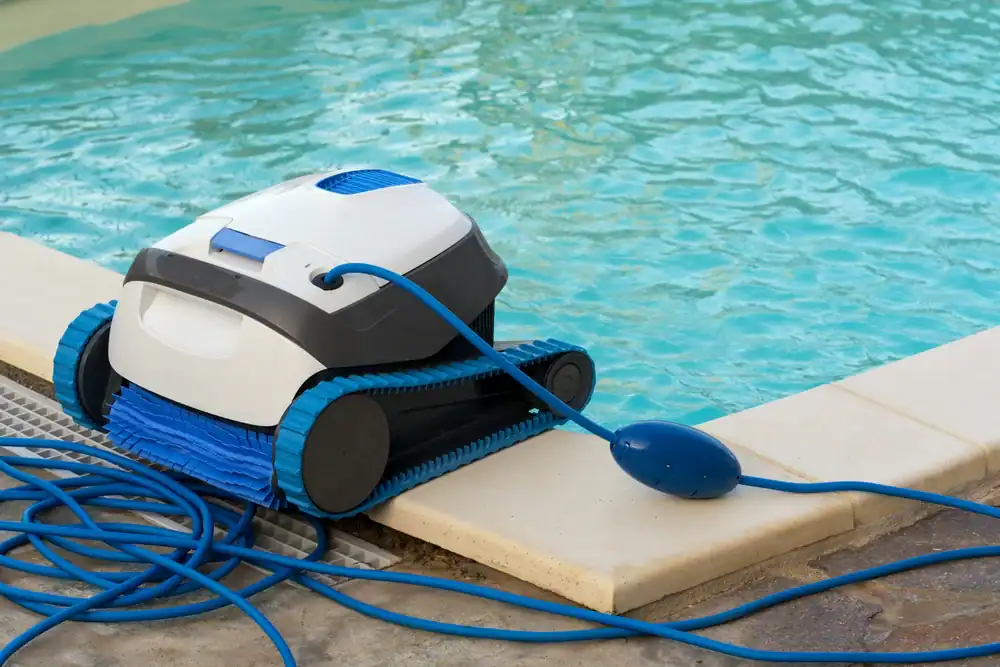
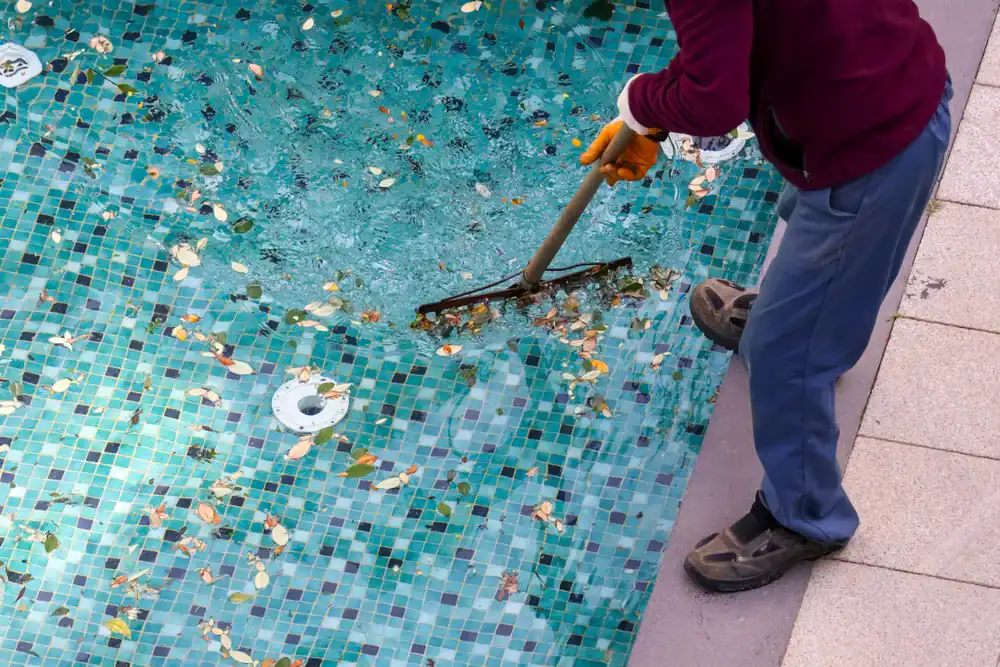
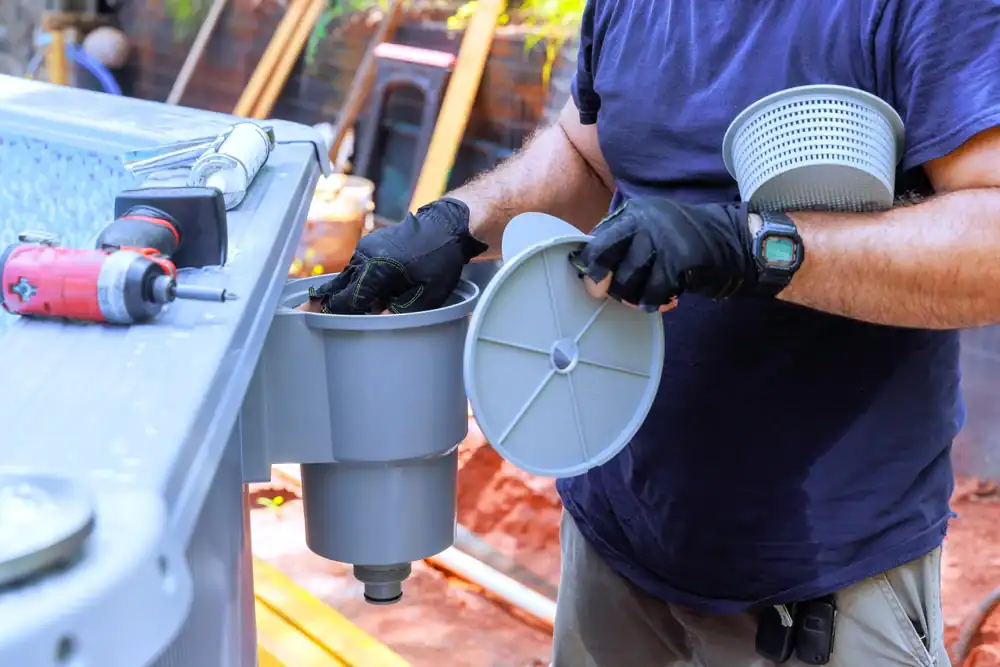
Then we clean what needs cleaning. Skimming surface debris, brushing walls and steps, vacuuming the floor, and emptying skimmer baskets. If your filter needs backwashing or your pump basket needs clearing, we handle it. We also inspect equipment while we’re there—looking for leaks, unusual sounds, or anything that signals a problem before it becomes one.
You get a clear report of what we did and what we found. If something needs attention beyond routine maintenance, you’ll know about it with enough time to make a smart decision. No surprises, no emergencies that could’ve been prevented.
Ready to get started?
Every swimming pool service near Oberry includes complete water chemistry management. We’re testing and adjusting chlorine, pH, alkalinity, calcium hardness, and cyanuric acid levels based on what your pool needs that week. Georgia’s weather changes fast, and so does your water chemistry.
You get full cleaning coverage. Surface skimming, wall and tile brushing, floor vacuuming, and basket emptying happen every visit. We’re also checking your filter pressure, inspecting equipment operation, and looking for early signs of problems like leaks or worn parts.
Storm cleanup is part of the deal when you need it. Douglas County sees its share of severe weather, and those storms dump leaves, dirt, and acidic rainwater into your pool. We’ll get it back to balanced and clear without charging you extra for weather you can’t control. That’s just part of maintaining pools in Georgia—you plan for it or you’re constantly behind.
Weekly service is the standard in Georgia, and it’s not overkill. The heat and humidity here create conditions where algae can bloom in 24 to 48 hours if your chlorine drops below 1 ppm. Once a week keeps you ahead of that.
Some pool owners try every-other-week service to save money. What usually happens is they end up paying for algae treatment or shock therapy between visits, which costs more than just maintaining it properly from the start. Georgia pools need consistent attention during the warm months, which here means roughly March through October.
If you’re managing it yourself, you should be testing chemistry at least twice a week in summer and handling cleaning tasks just as often. Most people don’t have the time or interest to stay on top of it that closely, which is why weekly professional service makes sense.
Rainwater is slightly acidic, usually around 5.5 to 6.0 pH. When a storm dumps several inches into your pool, it dilutes your carefully balanced water and drops both pH and alkalinity. Your chlorine gets diluted too, often falling below effective levels.
The debris that comes with the storm—leaves, dirt, pollen—adds organic material that consumes chlorine as it breaks down. So you’re dealing with lower chlorine levels right when you need more of it. This is exactly when algae takes hold if you don’t respond quickly.
After a significant storm, your pool needs testing and rebalancing within a day or two. If you’re on our weekly service and a storm hits between visits, we’ll come out and get your chemistry back in range. Letting it sit for a week in that condition usually means you’re dealing with algae by the time we show up for the regular visit.
Consistent chlorine levels are the foundation. Algae prevention starts with keeping free chlorine between 1 and 3 ppm at all times. In Georgia’s summer heat, chlorine breaks down faster than in cooler climates—sometimes losing half its strength in just a few hours of direct sun. That’s why we test every visit and adjust as needed.
Proper circulation matters just as much. Dead spots in your pool where water doesn’t move well become algae breeding grounds. We check that your return jets are positioned correctly and that your pump is running long enough each day. Most pools here need 8 to 12 hours of circulation daily during summer.
Regular brushing disrupts algae before it establishes. Even with good chemistry, algae spores land in your pool constantly. Brushing walls and steps every week knocks them loose before they can attach and multiply. Once algae gets a foothold, you’re looking at shock treatment and days of extra work to clear it.
Professional weekly pool maintenance in Douglas County typically runs $80 to $150 per month depending on your pool size and what’s included. DIY costs for chemicals, testing supplies, and equipment maintenance usually run $50 to $80 monthly if you’re doing it right.
The difference is your time and the cost of mistakes. Most pool owners spend 3 to 5 hours monthly on maintenance—testing, cleaning, balancing, and troubleshooting. If you value your time at even $20 an hour, you’re at $60 to $100 in labor. Add the cost of fixing problems that come from missed issues or incorrect chemical dosing, and DIY often costs more.
The bigger cost comes from what you don’t catch early. A small leak that goes unnoticed for months. A pump running inefficiently because the filter needed cleaning weeks ago. Chemical imbalances that etch your plaster or corrode your equipment. Professional service catches these things before they become expensive repairs.
Most Georgia pools need active maintenance from March through October at minimum. Unlike northern states where pools close for winter, Douglas County’s climate means you’ll have stretches of warm weather even in winter months. If your pool stays uncovered and the temperature’s above 65 degrees, algae can still grow.
November through February usually requires less frequent service—maybe every other week or monthly depending on weather and whether you’re using the pool. You still need to maintain minimum chemical levels and keep debris out, but the intensity drops compared to summer.
Some pool owners try to skip professional service entirely in winter and restart in spring. What they find is a green, stained pool that needs extensive shock treatment and cleaning before it’s usable again. The cost of that spring recovery usually exceeds what they would’ve spent on minimal winter maintenance.
Local experience matters more than most people realize. Georgia’s climate creates specific challenges—the humidity, the storm patterns, the way sun intensity affects chlorine. You want a company that’s been handling Douglas County pools long enough to know what works here, not someone following a generic national playbook.
Look for consistent communication and transparency. You should get clear information about what was done each visit, what your chemical levels are, and what issues were found. If a company only shows up when there’s a problem or you never know what’s happening with your pool, that’s not service—that’s just showing up.
Licensing and insurance are non-negotiable, but so is reputation. A company can have all the right paperwork and still provide mediocre service. Check how long they’ve been in business, read reviews from other Douglas County customers, and pay attention to whether they treat your pool like it matters or like it’s just another stop on the route.