
Hear from Our Customers
You get a backyard that works for your family. Not a cookie-cutter design someone else picked. Not a project that drags on for months with surprise costs every other week.
Most families in Nicholls deal with the same frustration when they start looking into pool construction. They call around, get vague estimates, hear promises about timelines that sound too good to be true. Then they pick someone, and halfway through the job, they realize they should’ve asked better questions.
Here’s what changes when you work with a licensed pool contractor who’s been doing this since before it became trendy. You get a site evaluation that accounts for South Georgia soil conditions—not a generic plan copied from somewhere else. You get realistic timelines that factor in weather delays and permit processing. You get a detailed estimate that breaks down excavation, construction, equipment, and finishing so there’s no guessing what you’re actually paying for. And you get a pool built with concrete, not a prefab shell that might work fine in Arizona but wasn’t designed for the clay and sandy soils we deal with around here.
Deep Waters Pools started because too many families in South Georgia were getting burned by contractors who didn’t know what they were doing. We’re licensed, insured, and built on more than 30 years of hands-on pool construction experience.
We’re based in Douglas, but we’ve worked all over this region. Nicholls homeowners deal with the same soil challenges, the same permit requirements, and the same weather patterns that affect construction timelines. We know what works here and what doesn’t.
You’re not hiring a national franchise or a crew that’s learning on your property. You’re hiring people who’ve spent decades working with concrete, plumbing, and custom pool design in Georgia.
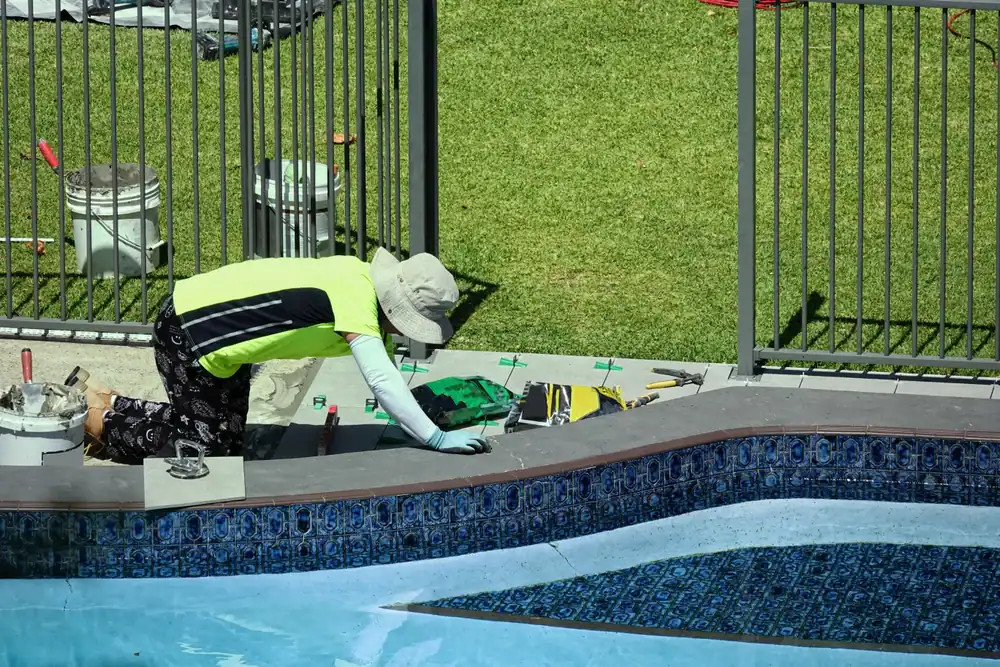
First, we come out to your property and evaluate the site. We’re looking at soil conditions, drainage, access for equipment, and any potential issues that could affect construction or cost. This isn’t a sales pitch—it’s an actual assessment.
Once we know what we’re working with, we design your pool based on how you plan to use it. If you’ve got young kids, safety features matter. If you’re looking for a lap pool or something built for entertaining, that changes the layout. We’re not trying to upsell you on features you don’t need.
After design approval, we handle the permit process. Georgia requires permits for all residential pools, and we submit everything—site plans, safety barrier details, electrical and plumbing specs. Most projects take 8-12 weeks from permit approval to completion, depending on weather and site conditions.
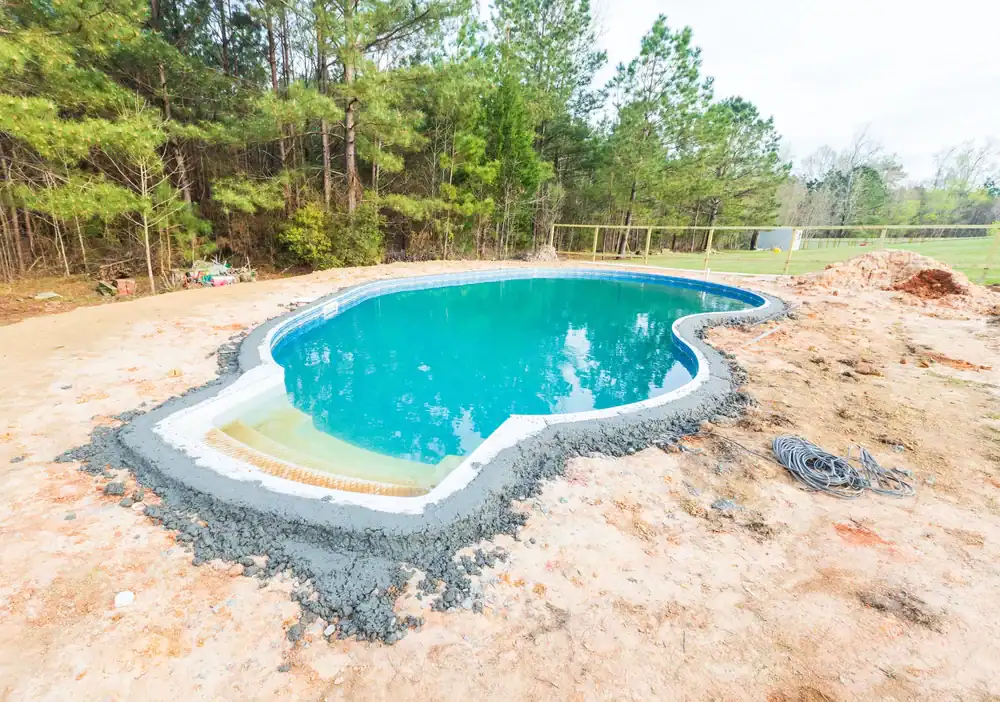
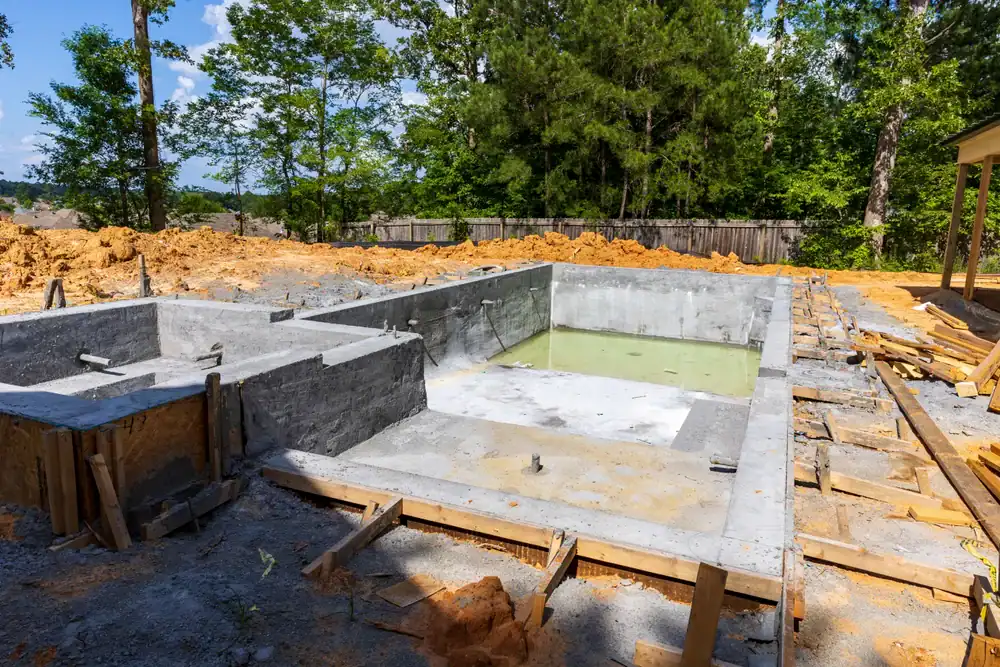
Construction starts with excavation, then steel reinforcement and concrete application. We install all plumbing, electrical, and filtration systems using equipment that’s built to last. Finishing includes your choice of surface, coping, decking, and any additional features like spas or custom safety covers.
Ready to get started?
Your pool construction includes complete site evaluation, custom design, all necessary permits, professional excavation, and concrete pool construction. We handle electrical work, plumbing installation, and modern filtration systems. You also get custom safety covers designed specifically for your pool dimensions.
Nicholls sits in Coffee County, where soil conditions vary from sandy loam to heavier clay depending on your specific property. That matters because concrete pools need to be engineered for the soil they’re sitting in. We adjust our construction methods based on what your site evaluation shows, which prevents cracking and shifting down the road.
Most families around here are looking at projects in the $35,000 to $65,000 range, depending on size and features. Basic inground pools start around $33,000. Custom designs with spas, special features, or challenging excavation cost more. We break down every cost in your estimate so you know exactly what you’re paying for before we start.
Georgia weather affects construction timelines, especially during summer storm season. We build buffer time into schedules because quality work shouldn’t be rushed just to hit an arbitrary deadline. You’ll get regular updates throughout the project, and we handle all cleanup and equipment training once construction wraps up.
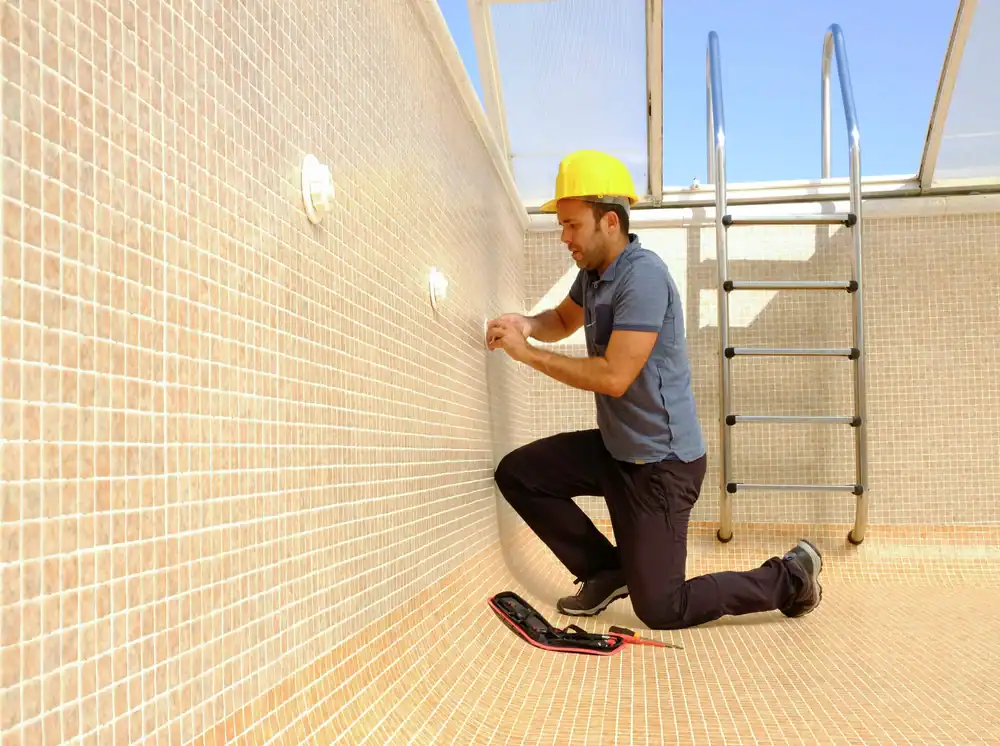
Most custom pool projects take 8-12 weeks from permit approval to completion. That timeline assumes normal weather and no major site complications.
Permit processing adds time upfront—usually 2-4 weeks depending on how busy the county is. We submit all required documentation including site plans, safety barriers, and system specs, but we can’t control how quickly permits get reviewed.
Weather delays are common in South Georgia. Summer storms can shut down excavation and concrete work. We don’t pour concrete in the rain, and we don’t rush finishing work just to meet a deadline. You’re better off with a project that takes an extra week than one that’s done fast but done wrong.
Concrete pools hold up better in Georgia soil conditions. Fiberglass shells can shift or crack when soil settles, especially in areas with clay content. Vinyl liners need replacement every 7-10 years, which adds long-term cost.
Concrete gives you more design flexibility. You’re not limited to prefab shapes or sizes. If your yard has an unusual layout or you want specific features, concrete lets us build exactly what works for your property.
The construction process takes longer than dropping in a fiberglass shell, but you end up with something that’s engineered for your specific site. We evaluate soil conditions during design and adjust our approach accordingly. That prevents the common issues you see with other pool types that weren’t built with local conditions in mind.
All residential swimming pools in Georgia require building permits before construction starts. You’ll need approval from Coffee County for the pool itself, plus separate permits for electrical and plumbing work.
Georgia also has safety barrier requirements. Your property needs a fence or approved barrier that prevents unsupervised access to the pool. We include those specs in the permit application.
We handle the entire permit process for you. That includes preparing site plans, submitting applications, coordinating inspections, and making sure everything meets International Swimming Pool Code requirements. Most permits take 2-4 weeks to process, but that varies depending on county workload and whether any revisions are needed.
Pool construction costs in this area typically run $35,000 to $65,000 depending on size, features, and site conditions. Basic inground pools start around $33,000. Custom designs with spas, special features, or challenging excavation cost more.
Your specific cost depends on what we find during site evaluation. Properties with difficult access, significant slope, or soil that requires extra engineering add to the base price. We break down all costs in your estimate—excavation, construction, equipment, finishing, permits—so you see exactly where your money goes.
We’re not the cheapest option, and that’s intentional. You’re paying for licensed contractors who know how to build pools that last in Georgia conditions. Cheaper estimates usually mean corners get cut somewhere—either in materials, construction methods, or the experience level of the crew doing the work. That costs you more in repairs and headaches down the road.
Properly engineered concrete pools don’t crack when they’re built correctly for local soil conditions. The problem happens when contractors use generic construction methods without accounting for soil type and drainage patterns.
South Georgia has varied soil—sandy loam in some areas, heavier clay in others. Clay expands when wet and contracts when dry, which creates movement. We evaluate your specific site during the design phase and adjust our steel reinforcement and concrete application based on what we’re working with.
That’s why site evaluation matters before construction starts. We’re looking at soil composition, drainage, and any factors that could cause settling or movement. Then we engineer the pool structure to handle those conditions. It takes more time upfront, but it prevents the cracking and shifting issues you see with pools that weren’t built with local soil in mind.
Concrete pools need regular chemical balancing, filtration system maintenance, and periodic surface care. You’ll test and adjust water chemistry weekly, clean filters monthly, and resurface the pool every 10-15 years depending on use and water balance.
We install modern, energy-efficient filtration equipment and train you on all systems before we leave. You’ll know how to operate pumps, adjust settings, and handle basic maintenance. Most families either handle chemical balancing themselves or hire a local pool service for weekly visits.
The concrete surface develops a patina over time, which is normal. Proper water chemistry prevents staining and extends the time between resurfacing. We use professional-grade materials and application methods that hold up better than budget options, but all concrete pools eventually need resurfacing as part of long-term maintenance.