
Hear from Our Customers
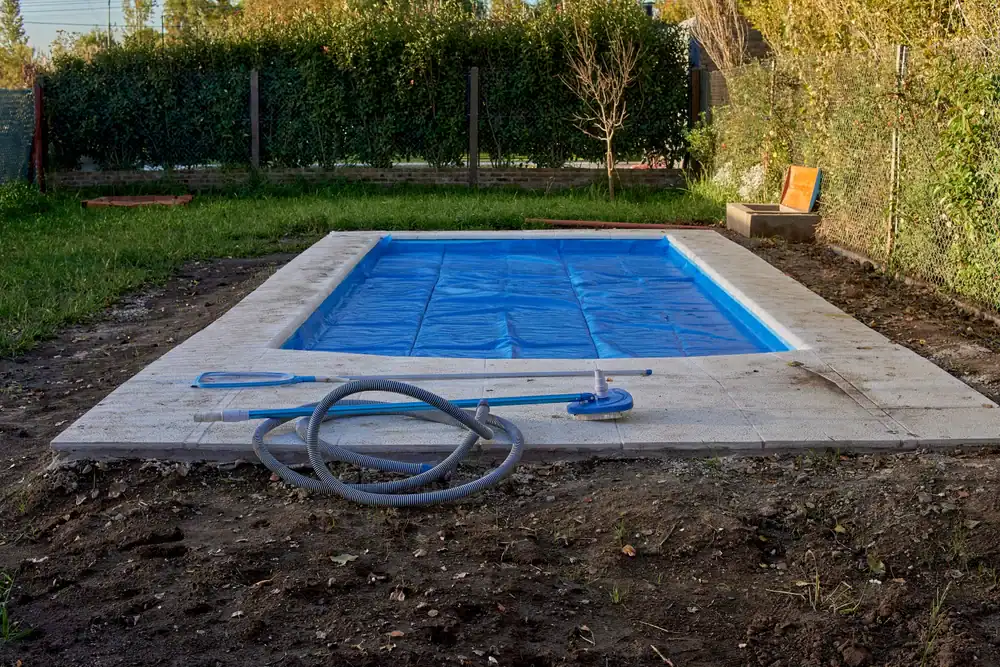
You’re not just getting a hole filled with water. You’re getting a backyard space where your kids actually want to spend time instead of staring at screens. Where summer weekends feel like vacation without the hotel bill.
Most homeowners in Upton, GA don’t realize how much a poorly built pool costs them down the road. Cracks from improper soil prep. Equipment that burns through electricity. Permits that weren’t pulled correctly, creating headaches if you ever sell.
When you work with licensed pool contractors who’ve spent 30+ years learning Georgia’s soil conditions and building codes, you avoid those problems entirely. Your pool gets built once, built right, and you’re swimming by summer—not dealing with repair calls.
Deep Waters Pools started in 2014, but the experience behind it goes back over 30 years. We’ve been building custom inground cement pools in Douglas County and surrounding areas long enough to know what works in Georgia clay and what doesn’t.
We’re licensed, insured, and listed with the Douglas Coffee County Chamber of Commerce. Every pool we build meets Georgia regulations and International Swimming Pool Code requirements—not because we have to, but because your family’s safety and your property value depend on it.
You won’t find us cutting corners on permits or using cheaper materials to win a bid. Upton homeowners deserve contractors who show up, do the work properly, and hand over a finished project that’s ready to enjoy.
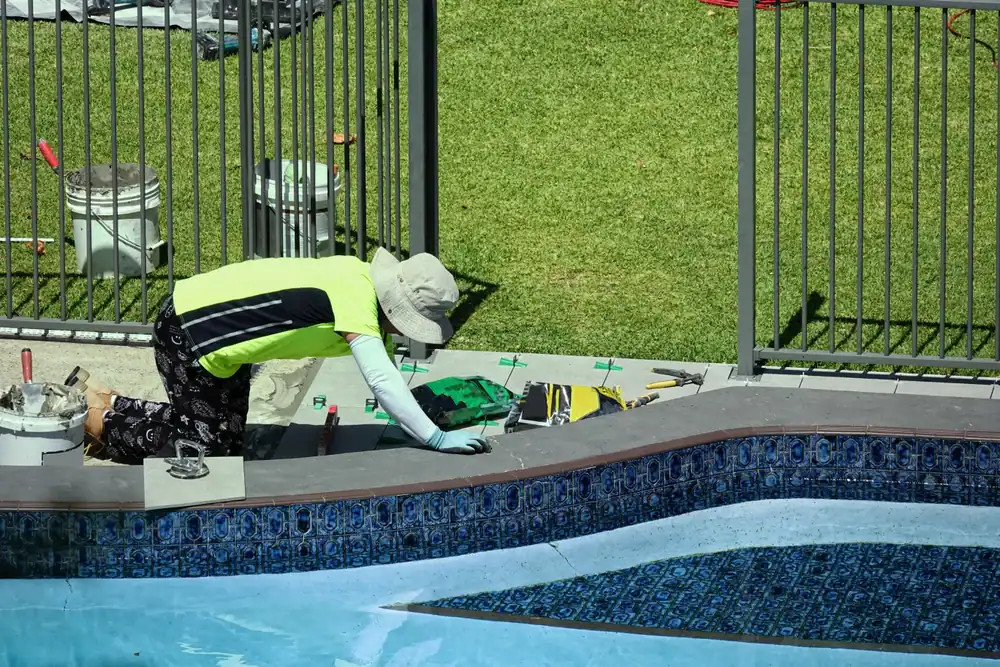
First, we come out to your property in Upton, GA for a complete site evaluation. We’re looking at soil conditions, drainage, access for equipment, and how your yard’s layout affects design options. This isn’t a sales pitch—it’s an honest assessment of what’s possible and what makes sense for your space.
Once you approve the custom design, we handle every permit application, site plan, and safety barrier requirement Georgia requires. You don’t chase paperwork or wait in line at the county office. We do that.
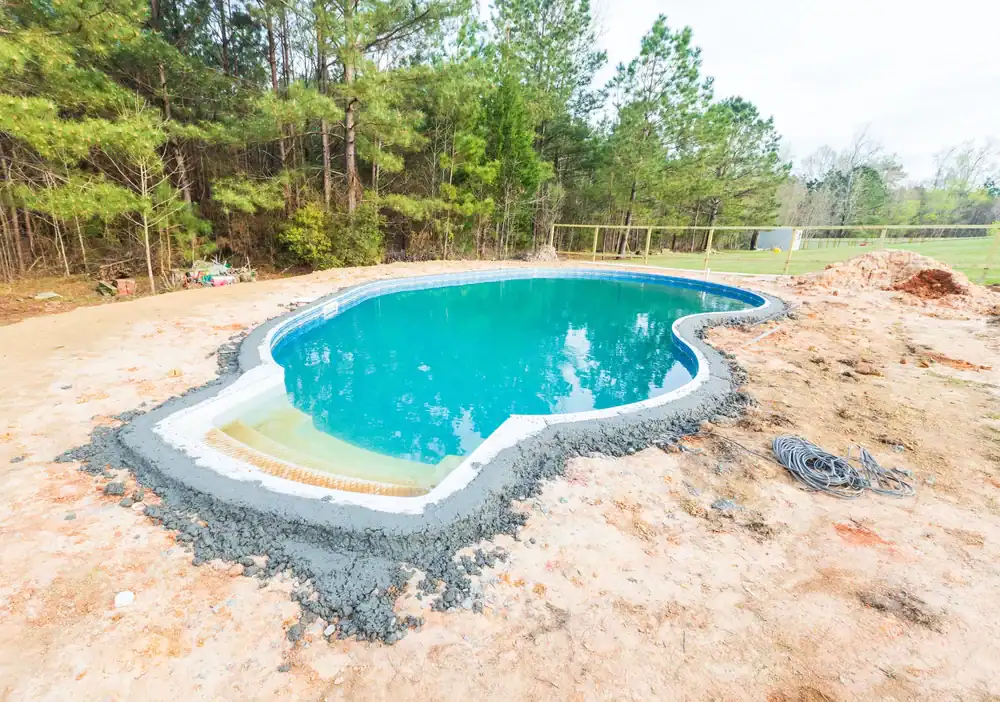
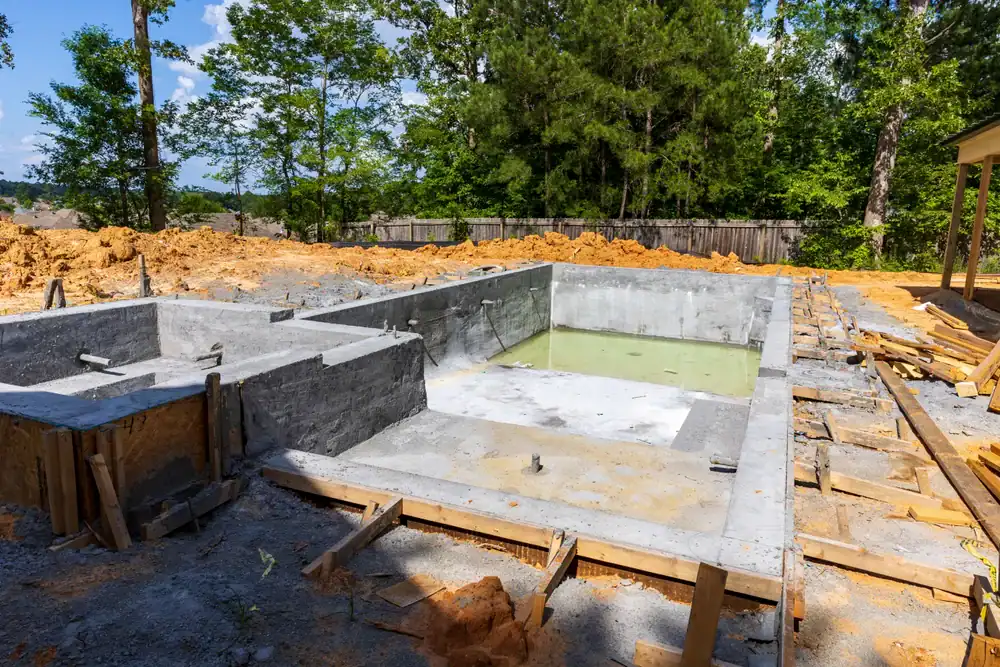
Construction typically takes 8-12 weeks from permit approval to completion. We excavate, build the cement structure, install modern energy-efficient equipment, and finish the surrounding patio or deck work. Weather delays happen in Georgia, especially during summer storms, so we keep you updated on realistic timelines—not best-case scenarios that never happen.
When we’re done, you get a finished backyard transformation. Not a construction zone with loose ends. You fill it, heat it, and start using it.
Ready to get started?
Every project starts with custom design work specific to your property and how you’ll actually use the pool. If you’ve got young kids, that affects depth and entry design. If you’re entertaining adults, that changes the layout entirely.
You’re getting professional excavation that accounts for Upton’s soil conditions, complete cement construction built to last decades, and all the equipment needed to keep your pool running efficiently. We install proper safety barriers that meet Georgia code—fencing, alarms, covers, whatever your property requires.
The market for custom swimming pool builders in Douglas County has grown because homeowners are treating outdoor spaces as extensions of their homes. You’re not just adding a pool. You’re adding square footage to your living space and increasing your property’s appeal if you ever sell.
Most homes in the $700,000-$1,000,000 range in this area consider pools a standard amenity now, not a luxury add-on. If your home fits that profile, a professionally built pool makes sense as a long-term investment in how you live and what your property’s worth.
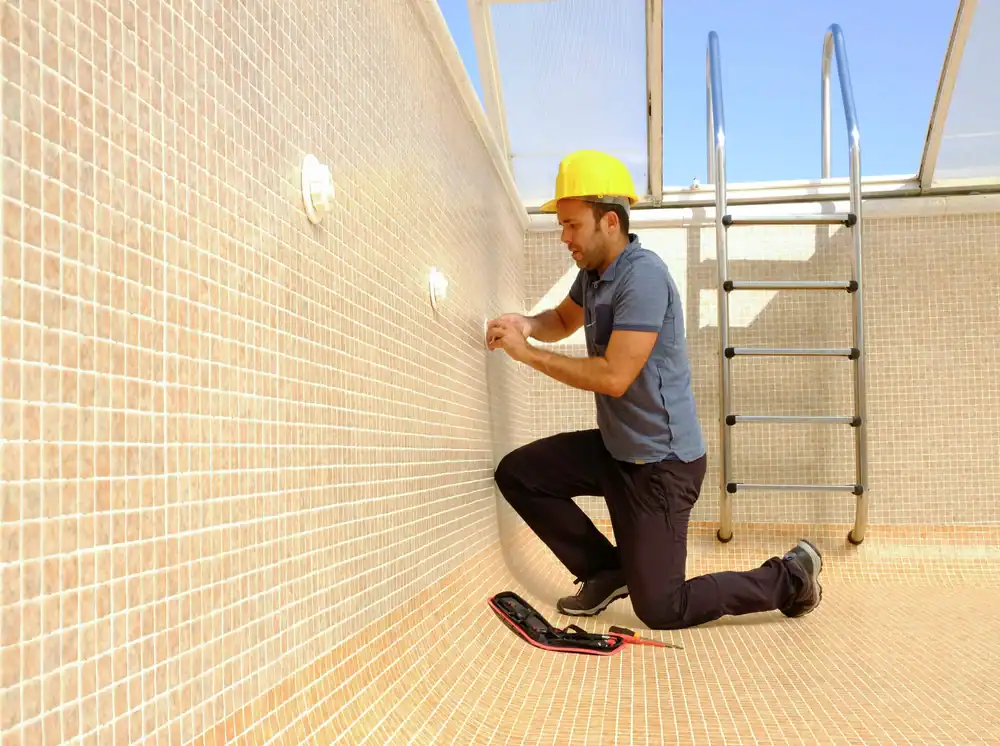
Most custom inground cement pools take 8-12 weeks from the day permits are approved to the day you can swim. That timeline assumes normal weather and no major surprises during excavation.
Permits themselves can add 2-4 weeks before construction even starts. Georgia requires building permits for all residential pools, and the approval process depends on how backed up the county office is. We handle that entire process, so you’re not waiting in line or resubmitting paperwork.
Weather delays are common, especially during summer storm season. If we get a week of heavy rain during excavation or concrete work, that pushes everything back. We give you realistic timelines upfront, not best-case scenarios that sound good but never happen. You’ll know where the project stands at every stage.
Georgia has a lot of clay soil, especially in areas around Upton and Douglas County. Clay expands when it gets wet and contracts when it dries out. If your pool isn’t built to account for that movement, you’ll see cracks in the cement within a few years.
Proper excavation and soil compaction make the difference between a pool that lasts 30 years and one that needs major repairs in five. We’ve been working in South Georgia long enough to know how deep to dig, what base material to use, and how to reinforce the structure so it doesn’t shift.
This isn’t something you can see in a finished pool, which is why some contractors skip it. But it’s the reason some pools develop leaks and structural problems while others don’t. You’re paying for the work that happens before the pool even looks like a pool.
You need a licensed contractor if you want permits pulled correctly, work that meets Georgia building codes, and any chance of recourse if something goes wrong. Unlicensed builders can’t legally pull permits, which means your pool isn’t inspected and doesn’t officially exist according to the county.
That becomes a massive problem if you ever sell your home. Buyers’ inspectors will flag it, title companies will ask questions, and you’ll either have to bring it up to code retroactively or sell at a discount. Some insurance companies won’t cover unpermitted structures, which means you’re fully liable if someone gets hurt.
The money you save upfront with an unlicensed builder costs you exponentially more in repairs, legal issues, or lost property value. Licensed contractors charge more because we carry insurance, pull proper permits, and build to code. That’s not padding the bill—it’s protecting your investment and keeping your family safe.
For a standard inground pool in Georgia, expect to spend $1,200-$1,800 per year on chemicals, electricity, and routine maintenance if you handle it yourself. If you hire a service, that jumps to $2,000-$3,000 annually depending on how often they come out.
Electricity is the biggest ongoing cost. Older pumps and heaters can add $100-$150 to your monthly bill during swim season. Modern energy-efficient equipment cuts that significantly—sometimes in half. That’s why we install updated systems, not whatever’s cheapest.
You’ll also need to resurface the pool every 10-15 years, which runs $5,000-$10,000 depending on the finish you choose. Equipment like pumps and heaters lasts 8-12 years before it needs replacing. These aren’t surprises if you plan for them, but a lot of first-time pool owners don’t realize the long-term costs beyond the initial build.
Georgia requires barriers around all residential pools to prevent unsupervised access, especially by young children. That usually means a fence at least four feet high with a self-closing, self-latching gate. The fence has to completely enclose the pool or be part of your home’s exterior walls.
If your pool has a door leading directly from the house, that door needs an alarm that sounds when it’s opened. Some homeowners also add pool covers or surface alarms as extra layers of protection, though those aren’t always legally required.
These requirements exist because roughly 75% of child drownings happen to kids under five, often in their own backyard pools. Proper barriers dramatically reduce that risk. We make sure every pool we build meets Georgia code for safety features—not as an upsell, but because it’s the law and it keeps your family protected. You won’t pass final inspection without them anyway.
Yes, but it requires more planning and sometimes additional site work to manage water flow. Pools need proper drainage so rainwater doesn’t collect around the structure or cause erosion. If your yard slopes significantly, we may need to do grading work or install drainage systems before construction starts.
During the site evaluation, we assess how water moves across your property and where it needs to go. Sometimes that means adding French drains, adjusting the grade around the pool, or routing downspouts away from the construction area. It adds to the project cost, but skipping it leads to bigger problems later.
We’ve built pools on challenging properties throughout Upton and Douglas County. Slopes and drainage issues are common in Georgia, so we know how to work with them. The key is identifying those challenges upfront during evaluation, not halfway through construction when it’s too late to fix properly.