

Hear from Our Customers
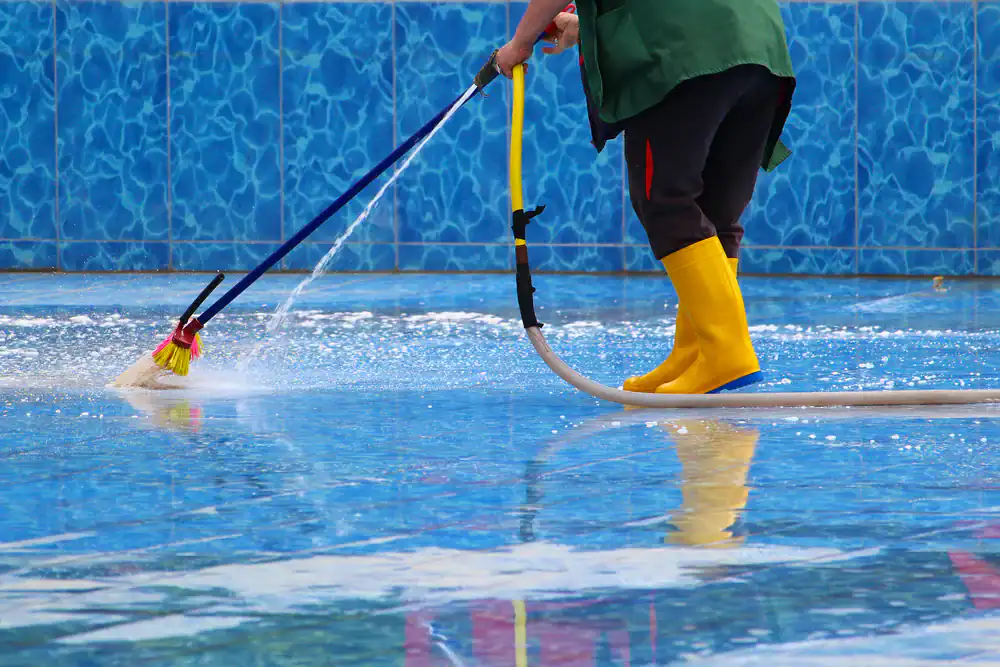
You didn’t install a pool to spend five hours every weekend scrubbing, testing, and troubleshooting. You wanted a place where your family could cool off after work, where friends could gather on Saturday afternoons, where your kids could make memories all summer long.
Regular pool cleaning service handles everything that keeps your pool from being usable. The skimming, vacuuming, and brushing that prevent algae buildup. The chemical testing and balancing that keep water safe and comfortable. The filter cleaning and equipment checks that catch small problems before they turn into expensive repairs.
Your pool stays ready to use. Your weekends stay yours. And you don’t have to become a pool chemistry expert or remember when you last backwashed the filter.
We’ve maintained residential pools across Douglas County since the early 1990s. We’ve seen what Georgia’s clay soil, summer heat, and seasonal pollen do to concrete pools, and we know exactly how to keep them clean and functional year-round.
We’re licensed, insured, and locally owned. Most of our clients have been with us for years because we show up when scheduled, communicate clearly about any issues we find, and fix problems instead of selling unnecessary replacements.
Alapaha pool owners deal with specific challenges—high iron content in well water, pine pollen in spring, extended swimming seasons that run March through October. We account for all of it in our maintenance approach.
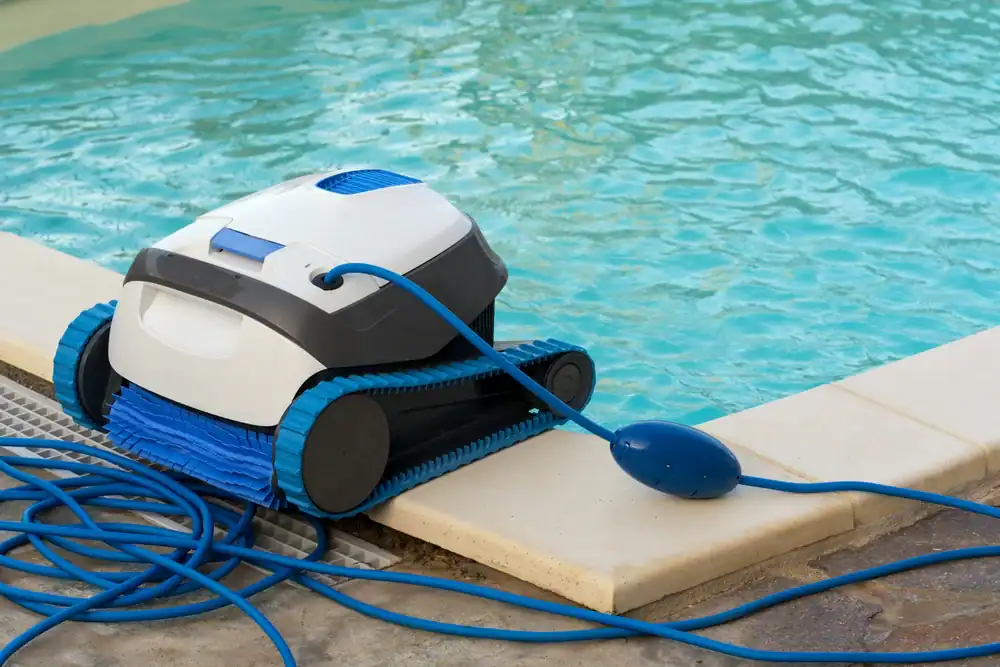
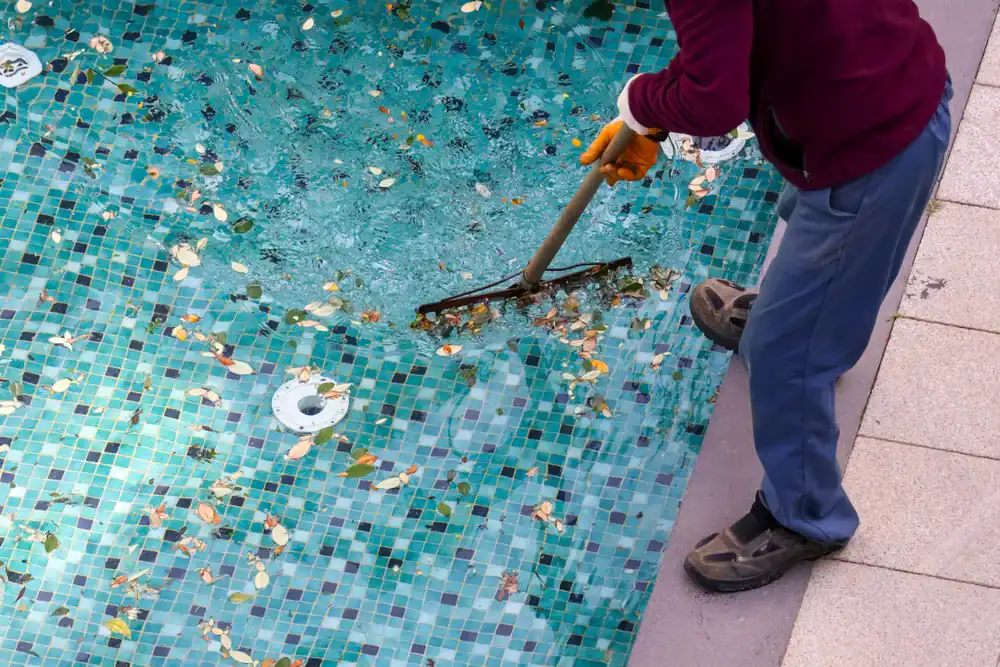
Every visit starts with skimming surface debris and emptying your baskets. Leaves, bugs, and pollen get removed before they sink and create staining or algae problems.
Next comes vacuuming the floor and brushing the walls. This removes dirt and prevents algae from taking hold in corners, steps, and around fittings. We pay extra attention to areas where circulation is weak.
Then we test and balance your water chemistry. pH, chlorine, alkalinity, and calcium hardness all get checked and adjusted to safe, comfortable levels. Proper chemical balance prevents equipment corrosion, surface etching, and skin irritation.
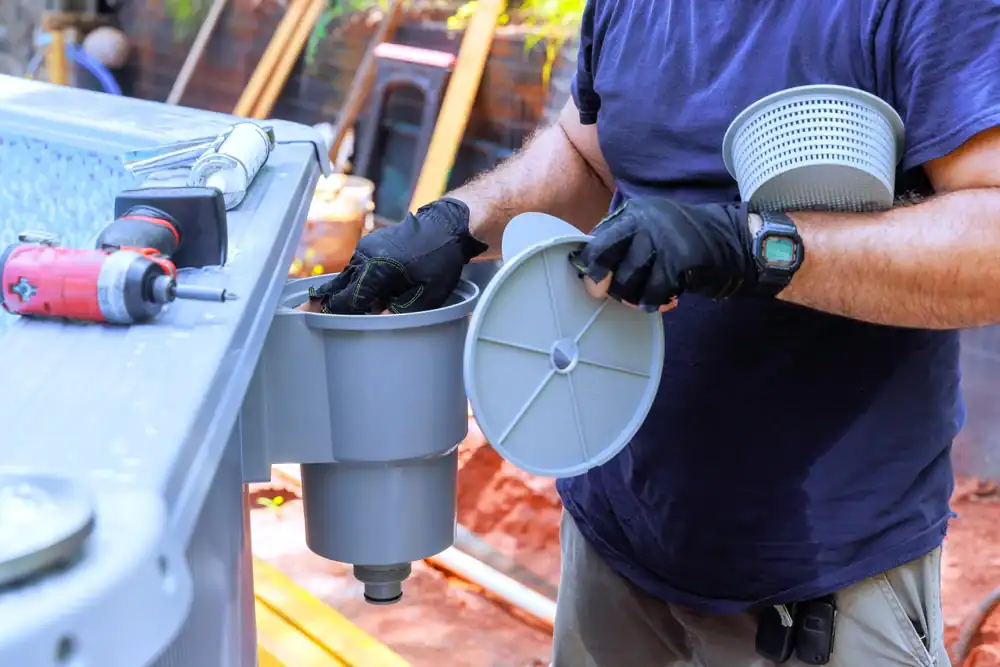
We inspect your pump, filter, and other equipment during each visit. Unusual sounds, leaks, pressure readings, or performance issues get flagged immediately so you can address them before a complete failure happens. You’ll know what’s working, what needs attention, and what can wait.
Ready to get started?
Each weekly visit includes complete surface skimming, basket cleaning, vacuuming, and wall brushing. Your water gets tested with professional-grade equipment and balanced with commercial chemicals that work better than retail products.
Filter maintenance happens on a schedule based on your system type and pool usage. Cartridge filters get cleaned or replaced. Sand and DE filters get backwashed. We track everything so nothing gets missed.
Douglas County’s well water often contains high iron levels that cause rust staining on concrete surfaces. We adjust our chemical program to prevent staining and can recommend sequestering agents if your water source makes this a recurring issue. Spring pollen season requires more frequent skimming and filter cleaning—we increase service frequency during peak pollen weeks without charging extra.
Equipment inspections catch problems early. A pump that’s running hot, a filter with rising pressure, or a heater that’s cycling incorrectly all get documented and explained so you can make informed repair decisions.
Most residential pools in Douglas County need weekly service during swimming season and bi-weekly service during cooler months. Weekly visits prevent algae growth, maintain proper chemistry, and catch equipment problems before they escalate.
If you have heavy tree coverage, use your pool daily, or run a salt system, weekly service is essential. Pollen, leaves, and high bather loads throw off chemistry faster than you can manually correct it. Skipping weeks leads to cloudy water, algae blooms, and filter clogs that take multiple visits to fix.
During winter months when you’re not swimming, bi-weekly service keeps equipment running and prevents freeze damage or stagnant water issues. Georgia doesn’t get cold enough to fully winterize pools, but you still need circulation and basic chemical maintenance.
Cleaning focuses on removing visible debris and dirt—skimming, vacuuming, brushing. Maintenance includes cleaning plus chemistry management, equipment inspection, and preventive care that keeps your pool system functioning correctly.
You can handle basic cleaning yourself if you have time and the right tools. But maintenance requires testing equipment, chemical knowledge, and the ability to spot early warning signs of equipment failure. Most pool owners don’t have professional test kits, don’t know what proper pump pressure should be, and can’t tell when a filter needs backwashing versus replacement.
Our service combines both. You get a clean pool and a maintained system. We’re checking things you wouldn’t know to check and preventing problems you wouldn’t see coming until they’ve already caused damage.
Yes. Well water in Douglas County typically has high iron, manganese, and calcium levels that require specific chemical treatment. We test for metals and adjust our chemical program to prevent staining and scaling on your concrete surfaces.
Iron causes brown or rust-colored stains. Manganese creates black or purple stains. High calcium leads to scale buildup on tiles and equipment. All three are common in Alapaha well water and all three are manageable with the right sequestering agents and balanced chemistry.
We’ll test your fill water when we start service so we know exactly what we’re working with. If metal staining is already present, we can recommend treatment options. Prevention is easier than removal, so catching these issues early saves you money and preserves your pool’s appearance.
We document it, explain what’s wrong, and give you options. You’ll get a clear description of the problem, what caused it, what happens if you don’t fix it, and what repair or replacement costs.
Some issues need immediate attention—a pump that’s overheating or a filter that’s leaking. Others can wait—a light that’s out or a cleaner that’s moving slowly. We’ll tell you which category your problem falls into so you can prioritize repairs based on urgency and budget.
We don’t push unnecessary replacements. If your pump can be repaired instead of replaced, we’ll say so. If your filter has another season left, we won’t tell you it needs replacing today. You’ll get honest assessments based on 30+ years of experience, not sales quotas.
Yes. Georgia’s climate allows swimming from March through October, and your pool needs maintenance even during months when you’re not using it. Algae grows in 60-degree water. Equipment still runs. Chemistry still matters.
Winter service prevents problems that would ruin your pool opening in spring. Stagnant water breeds algae. Unbalanced chemistry etches concrete. Frozen pipes crack and leak. We keep your system circulating, your water balanced, and your equipment protected through cooler months.
Service frequency adjusts seasonally. Weekly visits during swimming season, bi-weekly during winter. You’re not paying for service you don’t need, but you’re preventing the expensive cleanups and repairs that happen when pools sit unattended for months.
We offer one-time cleanings for pools that have turned green, pools being prepared for sale, or pools that just need a deep clean before a big event. Pricing depends on current condition and what’s required to get your pool back to swimmable.
A green pool takes multiple visits. We’ll shock the water, clean the filter repeatedly as it captures dead algae, vacuum waste to prevent re-circulation, and rebalance chemistry once the water clears. This usually takes three to five days and several chemical treatments.
A neglected but not green pool might only need one thorough cleaning—complete vacuuming, brushing, filter cleaning, and chemical balancing. We’ll assess your situation and give you an accurate quote based on actual work required, not a generic estimate.