

Hear from Our Customers
You bought a pool to use it, not to spend Saturday mornings testing pH levels and scrubbing tile. But skipping maintenance isn’t an option either—not in Georgia, where warm weather stretches pool season well beyond summer and algae blooms can take over in less than a week.
Professional pool cleaning service means your water stays balanced, your equipment runs efficiently, and your pool is ready when you are. No more guessing if the chlorine level is right or if that green tint means trouble. No more last-minute panic cleaning before guests arrive.
Georgia’s extended swimming season is one of the best parts of living here. Weekly maintenance keeps your pool in shape for it—clear water, proper chemical balance, and equipment that works when it’s supposed to. That’s what regular service gets you.
We’ve been maintaining pools across Douglas County for over 30 years. We’re licensed, insured, and we’ve seen every pool problem Georgia weather can throw at you—from sudden algae blooms during humid stretches to equipment failures from improper chemical balance.
We’re located right here at 1380 Baker Hwy in Douglas, and we know the local conditions that affect pools in Mora. Georgia’s red clay soil, the humidity, the temperature swings between seasons—these all impact how your pool needs to be maintained. We’ve been handling it for decades.
Our customers stay with us because we show up when we say we will, we communicate clearly about what your pool needs, and we fix problems instead of selling you replacements you don’t need. That approach has earned us a 4.7-star rating and a reputation for being thorough and reliable.
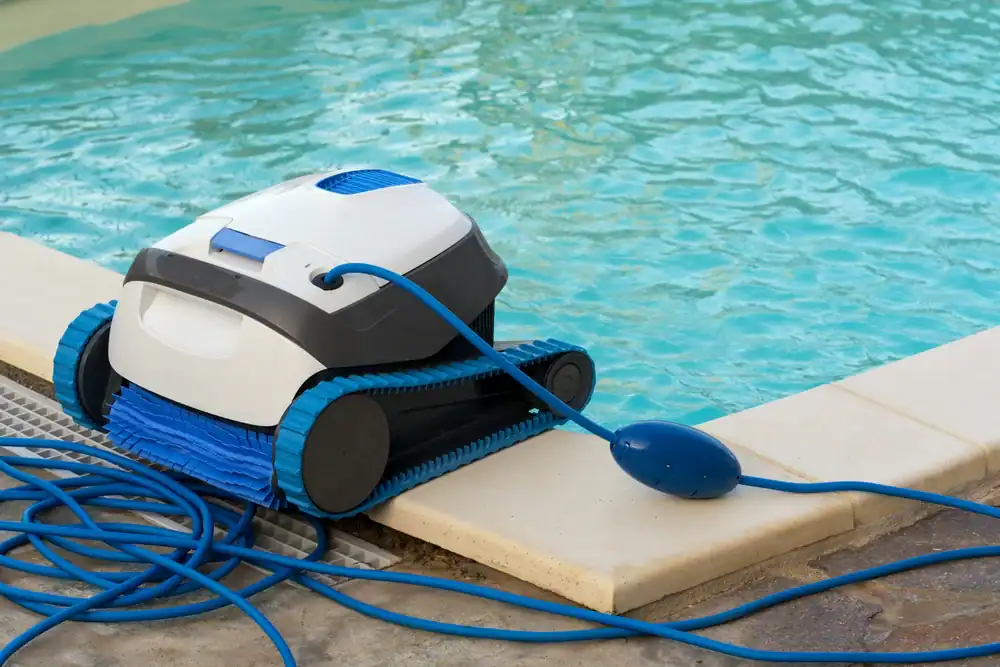
Every visit starts with a complete water test. We check pH, chlorine, alkalinity, calcium hardness, and stabilizer levels—the five factors that determine whether your water is safe and your equipment is protected. If anything’s off, we adjust it on the spot using professional-grade chemicals in the right amounts.
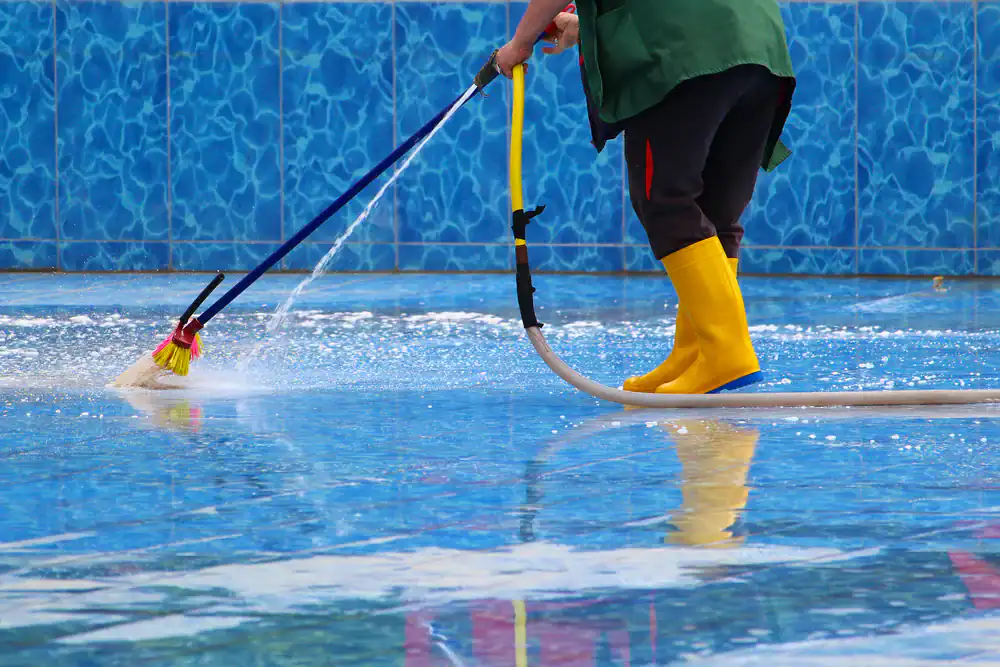
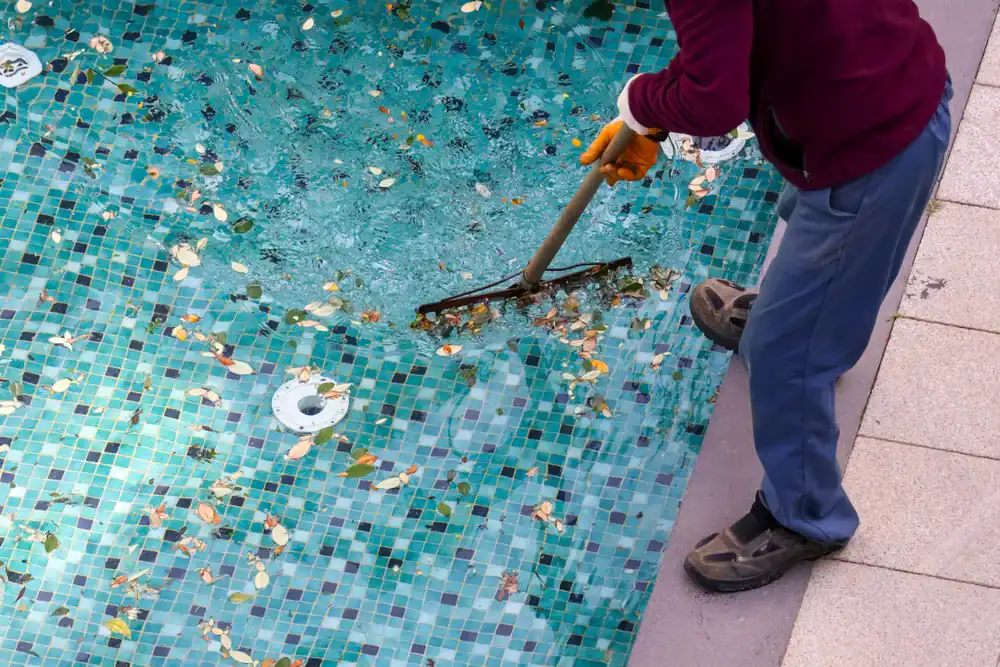
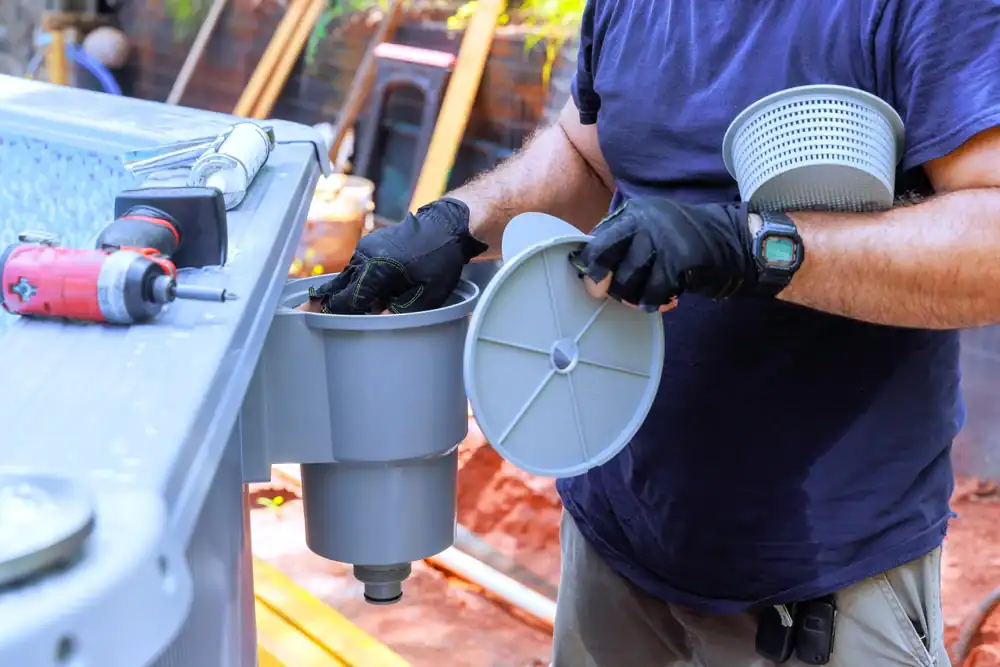
Next comes the physical cleaning. We skim the surface, vacuum the floor, brush the walls and tile line, and empty your skimmer and pump baskets. This removes debris before it breaks down and creates water quality problems. We also backwash or clean your filter as needed to maintain proper water flow.
Finally, we inspect your equipment. Pump performance, filter pressure, heater operation if you have one—we check that everything’s running correctly and flag any issues before they become expensive problems. You get a clear explanation of what we found and what, if anything, needs attention. The whole process takes about an hour, and when we leave, your pool is ready to use.
Ready to get started?
Your weekly service covers everything your pool needs to stay functional and clean. Water testing and chemical balancing happen every visit—this isn’t optional maintenance, it’s what prevents equipment damage and keeps your water safe. We bring professional-grade chemicals and test equipment that’s more accurate than the strips you buy at the store.
Physical cleaning is thorough: surface skimming, vacuuming, wall brushing, and basket cleaning. We also handle your filter maintenance, whether that means backwashing a sand filter, cleaning cartridges, or checking DE grids. Filter care is critical in Douglas County because Georgia’s pollen and clay dust load up filters faster than in other parts of the country.
Equipment inspection catches small problems early. A pump that’s running hot, a filter with climbing pressure, a skimmer that’s not pulling properly—these are signs of issues that cost hundreds or thousands to fix if ignored. We spot them during routine checks and let you know what needs attention. That’s how you avoid emergency repairs and extend the life of your equipment.
Weekly service is the standard for residential pools in Georgia, and there’s a good reason for that. Your pool loses chemical balance constantly—from rain, from swimmers, from debris, from sunlight breaking down chlorine. A week is about as long as you can go before water chemistry drifts out of the safe range.
Going longer than a week between services means you’re risking algae growth, which can take hold in 48 hours once conditions are right. It also means your equipment is running with unbalanced water, which causes scaling on heaters, corrosion in pumps, and premature filter failure. The cost of fixing those problems is significantly higher than the cost of weekly maintenance.
Some pool owners try bi-weekly service to save money, but they usually end up paying more in shock treatments, extra cleaning visits, and equipment repairs. Weekly maintenance keeps small issues small and prevents the expensive problems that come from neglect.
Green water means algae has bloomed, usually because chlorine levels dropped too low or phosphates built up in the water. It happens faster in Georgia than in drier climates because our humidity and warm temperatures create ideal algae conditions. Once it starts, it spreads quickly.
If your pool turns green, we can handle it with a shock treatment and algaecide, followed by heavy filtration and brushing over several days. But it’s not a one-visit fix—algae has to be killed, then filtered out, then prevented from returning. That process takes time and uses significantly more chemicals than regular maintenance.
The better approach is preventing it in the first place through consistent chemical balancing. Weekly service keeps chlorine at the right level and phosphates under control so algae never gets a foothold. That’s cheaper and easier than fighting a bloom after it happens.
You can, but most homeowners who try it either give up after a few months or end up with water quality and equipment problems that cost more to fix than service would have cost. Pool chemistry is more complex than it looks, and the consequences of getting it wrong are expensive.
The main issue is accuracy. Home test kits and strips aren’t precise enough to catch small imbalances before they become big problems. Professional equipment measures in tenths of a point, which matters when you’re trying to prevent scale buildup or corrosion. We also know how to adjust multiple factors at once without creating new problems—adding too much of one chemical often throws another factor out of balance.
The other issue is time. Proper pool maintenance takes 3-4 hours per week when you include testing, chemical adjustment, cleaning, and equipment checks. Most people underestimate that time commitment and end up cutting corners, which leads to the same expensive problems. If your time is worth anything, professional service usually costs less than doing it yourself.
Equipment problems usually show up as performance issues before they cause complete failure. Your pump should run quietly without grinding or squealing noises. Your filter pressure should stay in a consistent range—if it climbs steadily, your filter is clogging and needs cleaning. Your return jets should have strong, even flow.
Water clarity is another indicator. If your pool stays cloudy even with proper chemical levels, your filter isn’t doing its job. That could mean the filter needs cleaning, the pump isn’t moving enough water, or your filter media needs replacement. These problems don’t fix themselves, and running equipment that’s not working properly just damages it further.
During weekly service visits, we check all of this and catch problems early. A pump bearing that’s starting to fail sounds different before it seizes completely. A filter that’s losing effectiveness shows up in pressure readings before your water turns cloudy. Early detection means smaller repairs and less downtime. That’s one of the main values of having us service your pool regularly.
Weekly pool maintenance in Douglas County typically runs between $100-150 per month depending on pool size and service level. That covers all your routine care, chemicals, and early problem detection. It seems like an expense until you compare it to the cost of fixing problems that develop from neglect.
A single algae bloom treatment can cost $200-300 in chemicals and labor. A pump replacement from running with unbalanced water runs $800-1,500. A heater damaged by improper pH can cost $2,000-4,000 to replace. A pool that’s been neglected for months might need $500+ in shock treatments, acid washing, and deep cleaning just to be usable again.
Most homeowners who skip regular service end up spending more per year on emergency fixes than they would have spent on weekly maintenance. And that doesn’t account for the weeks or months when their pool is unusable while waiting for repairs or fighting water quality problems. Regular service is cheaper than irregular crisis management.
Yes, because Georgia’s climate keeps pools active much longer than northern states. We regularly see swimmable temperatures from April through October, and even during winter months, your pool needs maintenance to prevent equipment damage and water quality problems.
When water temperature drops below 60 degrees, algae growth slows down but doesn’t stop completely. Your pool still accumulates debris, your water chemistry still drifts, and your equipment still needs to run periodically to prevent freeze damage and keep seals from drying out. Neglecting your pool all winter means you’re starting spring with green water and potentially damaged equipment.
Winter service is often less frequent than summer—sometimes bi-weekly is sufficient during the coldest months—but completely stopping maintenance creates problems. We adjust service schedules based on actual conditions and usage, not arbitrary dates on the calendar. That keeps your pool protected year-round without paying for service you don’t need.