Hear from Our Customers
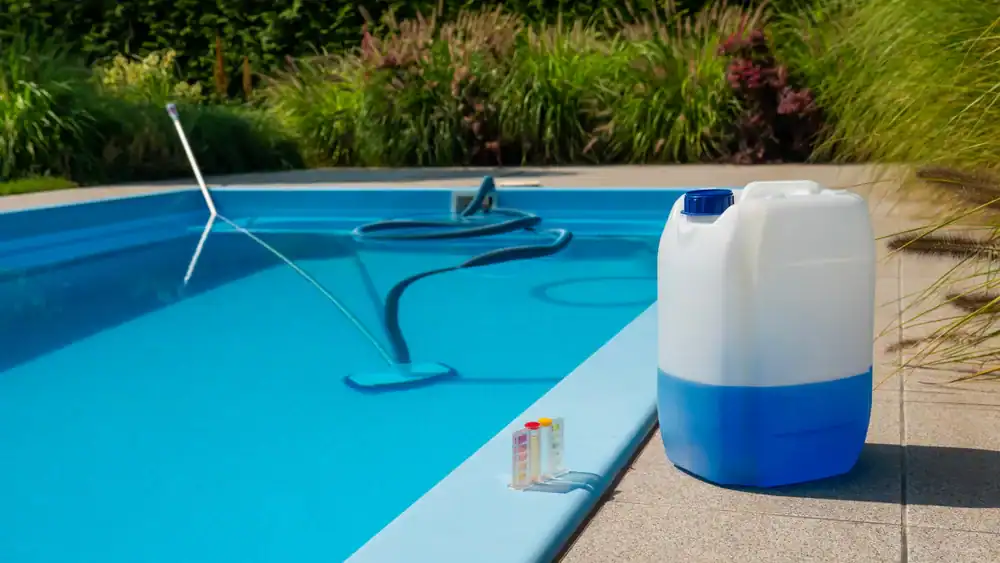
When your pool water is properly balanced, it stops fighting you. The water is clear, the surfaces stay clean, and you’re not burning through chemicals every other week trying to fix something you can’t quite diagnose. That’s what professional water testing gives you not a number on a strip, but a real picture of what’s going on and what it takes to correct it.
For Mora homeowners, that picture matters more than most people realize. A lot of properties out here draw from private wells, and South Georgia’s Lower Coastal Plain groundwater carries iron, minerals, and agricultural compounds that throw off calcium hardness and pH in ways that generic pool advice simply doesn’t account for. When your fill water is coming from the ground rather than a municipal line, your pool chemistry starts from a different baseline and it needs to be tested and treated accordingly.
Then there’s the environment itself. Coffee County summers are long, sunny, and hard on chlorine. UV exposure at this latitude can wipe out unprotected chlorine faster than most people expect, and the pollen loads from surrounding farmland spike your chlorine demand on top of that. Every afternoon thunderstorm dilutes what’s left. Getting a precise read on your chlorine levels, cyanuric acid, total alkalinity, and calcium hardness isn’t a luxury here it’s how you keep the pool functional through a South Georgia summer without constantly chasing problems after they’ve already shown up.
Deep Waters Pools is based in Douglas right here in Coffee County, just a few miles from Mora. This isn’t a regional company dispatching someone from three counties away. The team that shows up to test your water is the same team that builds pools in this area, and that distinction actually matters when it comes to chemistry.
When you’ve spent 30 years constructing gunite and shotcrete pools in South Georgia, you understand how surface type, finish material, and local water conditions interact. We know that pebble and quartz finishes have specific calcium hardness requirements. We know what Coffee County’s agricultural environment does to chlorine demand. And we know that a pool built on a rural lot near Mora with well water needs to be managed differently than one connected to a city line.
We’ve been serving Coffee County families since 2014, and the experience behind our company goes back more than three decades. Licensed, insured, and locally accountable when something’s off, you’re not calling a 1-800 number.
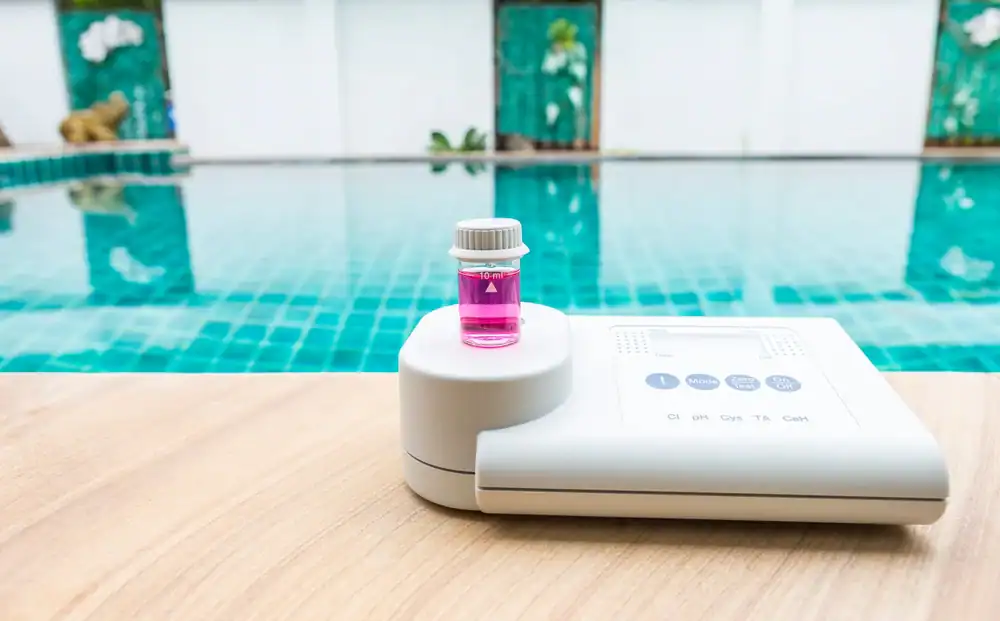
It starts with a digital water analysis not test strips, not a color chart. Digital testing gives precise readings across every key parameter: free chlorine, total chlorine, pH, total alkalinity, calcium hardness, cyanuric acid, and metals. That last one matters specifically for Mora and the surrounding rural Coffee County area, where well water is common and iron or manganese in your fill water can cause staining and chemistry instability that no standard strip test will catch.
Once the analysis is done, you get a clear readout of every number and a plain-language explanation of what’s off and why it matters. There’s no vague “it looks a little low” you’ll know exactly what’s out of range, what the target is, and what the correction plan looks like. If your pH has been drifting high because of South Georgia’s heat and heavy pool use, that gets addressed. If your cyanuric acid is too low to protect chlorine through a full day of direct sun exposure, that gets addressed too.
From there, we make corrections and you’ll know what to watch for going forward. Our goal isn’t to make you dependent on a service call every week it’s to get your chemistry stable, explain what keeps it that way, and make sure you’re not flying blind the next time a heavy rain rolls through and dilutes everything you just balanced.
Ready to get started?
A full water testing service from Deep Waters Pools covers every parameter that affects how safe and stable your pool is. That means free and total chlorine, pH, total alkalinity, calcium hardness, cyanuric acid, and a metals check. Each one tells a different part of the story, and missing any of them leaves gaps that show up later as cloudy water, surface staining, equipment corrosion, or an algae bloom that seems to come out of nowhere.
pH and chlorine are the most visible, but calcium hardness testing is what protects your actual investment. In a gunite or plaster pool the kind we build and service throughout Coffee County low calcium hardness causes the water to pull minerals directly from the pool surface. That’s how you end up with etched plaster or a pebble finish that starts looking rough years before it should. On the flip side, calcium that’s too high deposits white scale on the walls and equipment. The target range is specific, and it’s not something you can eyeball.
For Mora homeowners on well water, the metals test is especially important. Iron in your source water doesn’t just affect chemistry it stains surfaces and can be mistaken for algae or scale until you know what you’re actually dealing with. Getting that identified upfront changes the entire treatment approach. Because Mora is an unincorporated community without a municipal pool inspection requirement, there’s no one checking this for you. That responsibility falls entirely on you as the homeowner, which is exactly why having a professional handle the analysis makes sense.
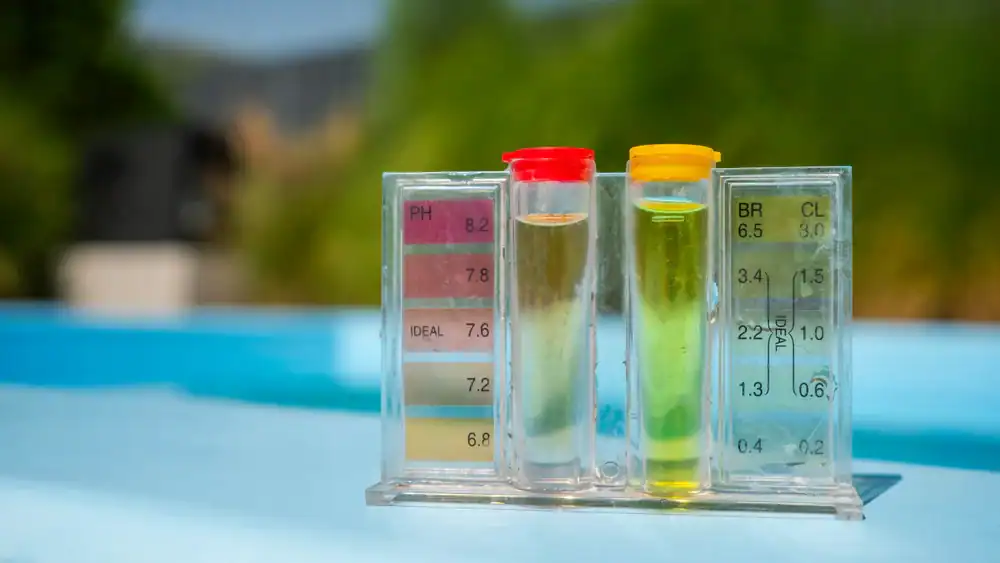
Well water in Coffee County’s Lower Coastal Plain carries a different mineral profile than municipal water, and that difference shows up directly in your pool. Iron and manganese are common in South Georgia groundwater, and even small concentrations can cause brown or rust-colored staining on pool surfaces especially on plaster and pebble finishes. Most homeowners assume it’s algae or dirt, but the source is actually the water they’re filling with.
Beyond metals, well water in this area often has higher mineral content overall, which affects your starting point for calcium hardness and pH. If you’re constantly fighting pH drift or your chlorine seems to disappear faster than it should, your source water chemistry is likely a contributing factor. A digital water analysis that includes a metals test gives you the full picture not just what’s in the pool right now, but what’s being introduced every time you add water. That’s the only way to build a treatment plan that actually holds.
During peak summer in Coffee County roughly June through August your pool chemistry can shift significantly within 24 to 48 hours. The combination of intense UV exposure, high bather load, heavy pollen from surrounding farmland, and frequent afternoon thunderstorms creates conditions where chlorine gets consumed faster than in most parts of the country. Waiting two weeks between tests during this window is long enough for a minor imbalance to turn into a visible algae problem or a surface stain that’s much harder to reverse.
A realistic testing schedule for a South Georgia summer is every one to two weeks at minimum, with an additional check after any significant rain event. A single heavy storm can dilute your chemicals, drop your pH, and introduce organic debris from the surrounding rural landscape all at once. Catching that quickly is far less expensive than treating the outcome. If your pool gets heavy daily use, weekly testing is the smarter baseline.
High pH drift is one of the most common issues in South Georgia pools, and it has a direct impact on how well your chlorine actually works. When pH climbs above 7.8 which happens faster in hot, heavily used pools chlorine loses roughly half its sanitizing effectiveness even when the reading looks normal. So you can have what appears to be adequate chlorine, but it’s not doing the job because the pH is too high. That’s often why pools turn cloudy or green despite regular chemical additions.
In Coffee County’s climate, a few factors push pH upward consistently: high water temperatures, aeration from splashing and circulation, and the natural chemistry of South Georgia’s groundwater. If your pH is drifting high on a regular basis, the fix isn’t just adding acid repeatedly it’s understanding why it’s drifting and adjusting your total alkalinity to stabilize it. Total alkalinity acts as a buffer for pH, and getting that number dialed in is what keeps pH from swinging every few days. A full digital analysis shows both numbers together so the correction actually sticks.
Calcium hardness is the measure of dissolved calcium in your pool water, and it’s one of the most overlooked parameters in residential pool maintenance. Water that’s low in calcium is chemically aggressive it will pull minerals from whatever surface it’s in contact with to reach equilibrium. In a gunite or plaster pool, that means the water is slowly etching your finish from the inside out. You won’t see it happening, but over time it shows up as rough texture, pitting, or a surface that deteriorates years ahead of schedule.
On the other end, calcium that’s too high causes white mineral scale to deposit on pool walls, waterline tile, and equipment especially in South Georgia’s heat, where evaporation concentrates minerals faster. The target range for a plaster or pebble finish pool is typically 200 to 400 parts per million, and hitting that range requires knowing your actual starting number, not estimating it. For Mora homeowners filling with well water, calcium hardness can vary significantly from one property to the next depending on the local aquifer. A digital test gives you the exact number so the adjustment is precise rather than a guess.
Rain events in South Georgia are a perfect storm for algae growth, and it happens faster than most pool owners expect. A heavy afternoon thunderstorm dilutes your chlorine, drops your pH slightly (rainwater is mildly acidic), and introduces organic matter pollen, debris, agricultural runoff from the surrounding landscape. In a rural area like Mora where pools sit on open lots near farmland, that organic load can be significant. Algae doesn’t need much of a window to establish itself, and a diluted, low-chlorine environment right after a storm is exactly the opening it looks for.
The fix isn’t just shocking the pool after every rain it’s maintaining a chemistry baseline that’s resilient enough to absorb a dilution event without collapsing. That means keeping your cyanuric acid at the right level to protect chlorine from UV burn-off, your total alkalinity stable enough to buffer the pH drop, and your free chlorine in a range that has room to absorb a hit. A professional water test after a significant storm tells you exactly what shifted and what the minimum correction is to get back on track before algae has time to take hold.
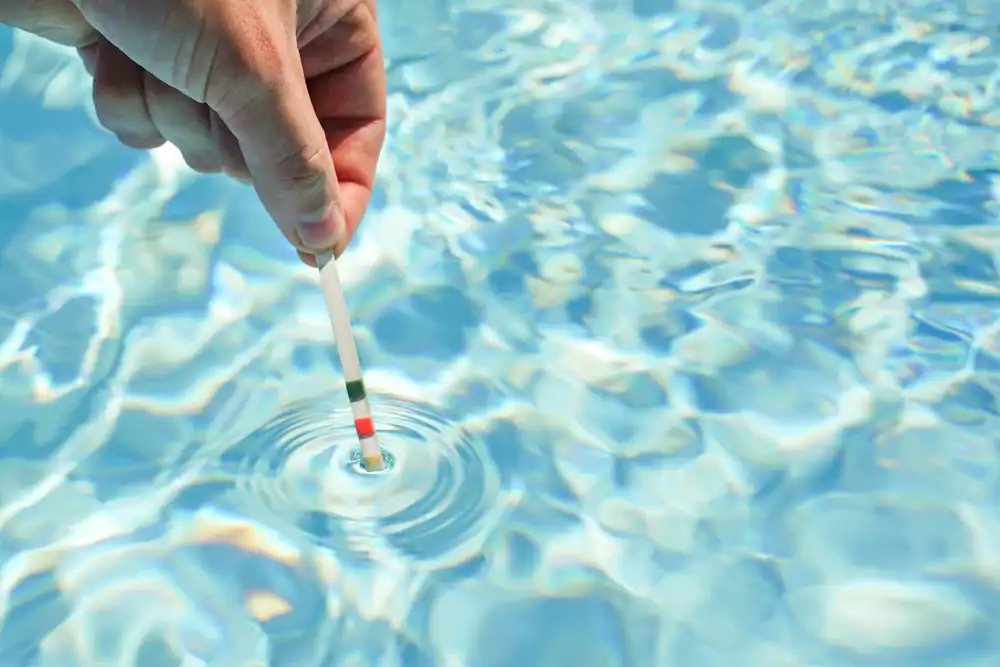
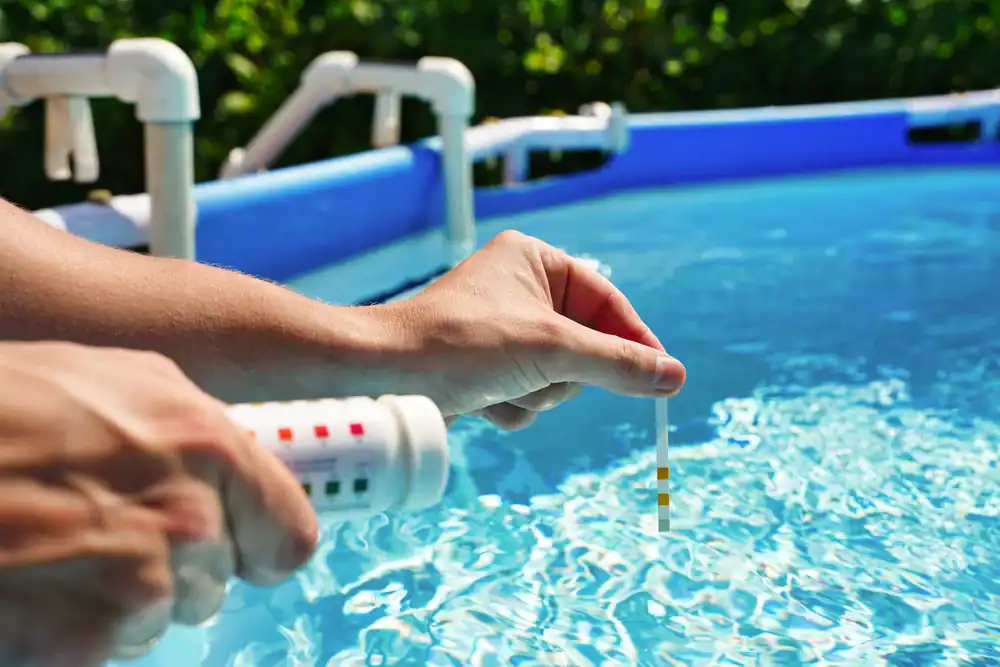
Home test kits and strips are useful for quick checks between professional visits, but they have real limitations that matter for a pool in a place like Mora. Most consumer test kits measure free chlorine, pH, and sometimes total alkalinity but they don’t test cyanuric acid accurately, they don’t detect metals like iron or manganese, and they don’t give you a precise calcium hardness reading. For a rural Coffee County homeowner on well water, those are exactly the parameters that are most likely to be causing problems.
Digital water analysis used by professionals measures every relevant parameter with a level of precision that color-matching strips simply can’t match. More importantly, having a professional interpret the results changes what you do with them. Knowing your pH is 7.9 is one thing understanding that your total alkalinity is too high and that’s why your pH keeps drifting back up, and knowing the specific correction to stabilize it, is a different conversation entirely. The value isn’t just in the numbers. It’s in having someone who’s built and serviced pools in Coffee County for decades look at those numbers and tell you what they actually mean for your specific pool and your specific water.