

Hear from Our Customers
You bought a pool to enjoy it. Not to spend Saturday mornings testing pH levels and vacuuming debris.
When your pool gets consistent professional attention, the water stays balanced. The filter runs efficiently. Equipment lasts longer because small issues get caught early.
You’re not guessing about chlorine levels or wondering if that green tint means trouble. You’re not scrambling to get the pool ready before guests arrive. It’s just ready when you are.
Deep Waters Pools has served the Greater Atlanta area since the early ’90s. We’re Certified Pool Operators who’ve worked on hundreds of backyard pools across Douglas County and surrounding communities.
Most of our clients stay with us for years because the same technician shows up each week. They learn your pool’s quirks, remember what equipment you have, and spot problems before they turn expensive.
We’re not the cheapest option in Nicholls. We’re the one that shows up on schedule, finishes the work right, and doesn’t leave you wondering if your pool is actually safe to swim in.
Your technician arrives on the same day each week. They start by skimming the surface and brushing the walls to loosen any buildup.
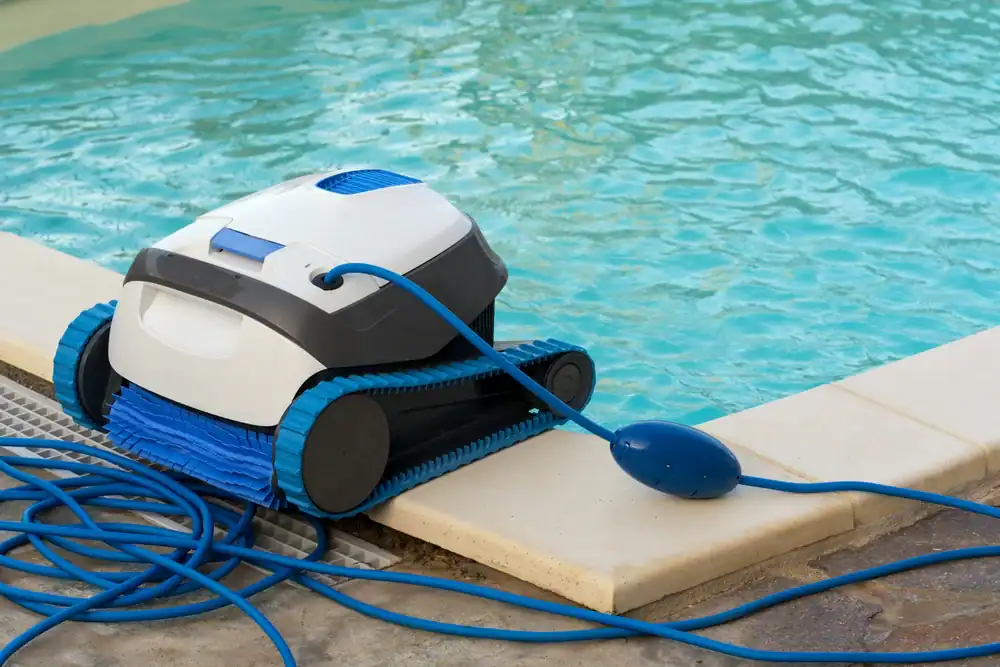
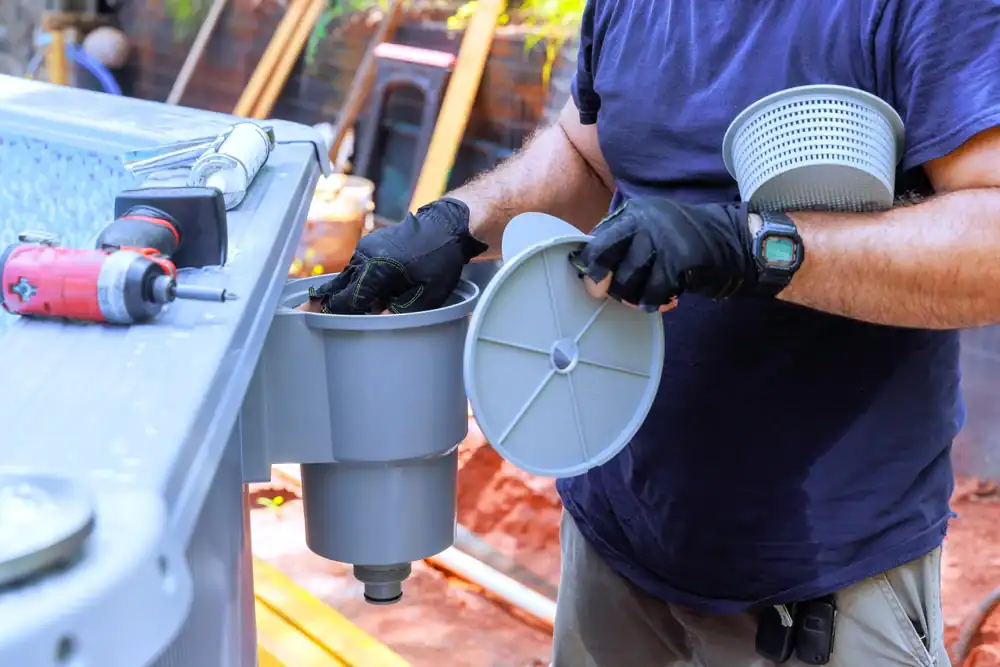
Next comes vacuuming the floor and emptying the skimmer baskets. They test the water chemistry and add whatever’s needed to keep everything balanced—chlorine, pH adjusters, algaecides if necessary.
They check your filter pressure, inspect equipment for leaks or wear, and clean the filter as needed. If something looks off, you’ll know about it that day. No surprises three weeks later when your pump stops working.
The whole process takes about an hour. You get a pool that’s clean, chemically balanced, and ready to use. If you’re on a bi-weekly schedule, the routine stays the same—just less frequent.
Ready to get started?
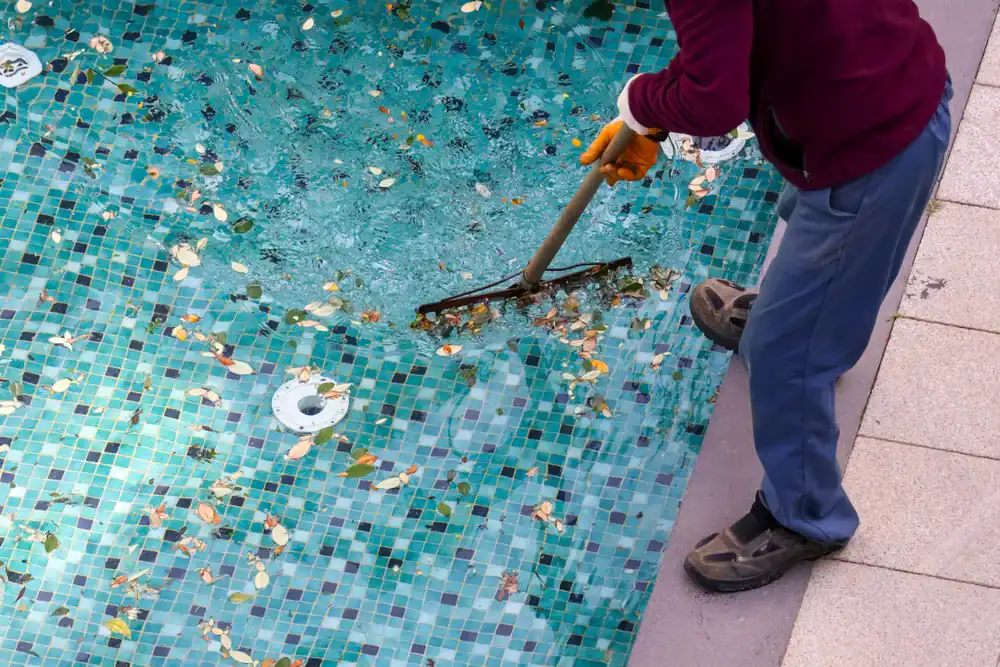
Every visit covers surface skimming, wall brushing, and floor vacuuming. We empty your baskets, test your water, and adjust chemicals to keep everything in the safe zone.
Filter cleaning happens as needed based on pressure readings. We handle both salt and chlorine systems. Equipment checks catch issues like leaking valves or worn seals before they cause real damage.
Georgia’s weather throws curveballs—ice storms, heavy pollen, sudden heat spikes. We adjust treatment based on what’s actually happening with your pool, not a generic schedule. If you need repairs, we handle those too. Same technician, same truck, same day if possible.
Year-round service includes winterizing in the fall and getting everything running again in spring. You’re not stuck figuring out which chemicals to add or whether your pump should be running.
Most residential pool cleaning in Douglas County runs between $80 and $150 per month, depending on your pool size and what you need done. Larger pools or those with more equipment take longer to service.
Weekly visits cost more than bi-weekly, but they keep your water in better shape and reduce the chance of algae blooms or equipment problems. If you’ve got a salt system, there’s usually no price difference—we’re trained on both.
We’ll give you an exact price after seeing your pool. No guessing, no “starting at” pricing that jumps once we show up. You’ll know what you’re paying before we start.
Yes. That’s one of the main reasons clients stick with us.
When the same person services your pool each week, they notice changes faster. They remember that your filter pressure runs a little high or that your skimmer basket fills up quickly after storms. They’re not relearning your setup every visit.
It also means you’re not explaining the same things to different people. If you mention that your pool cleaner isn’t moving right, your technician will remember to check it next time—and actually follow through.
We’ll come out and fix it. Green water usually means your chlorine dropped or something threw off your chemical balance—heavy rain, a lot of swimmers, pollen, or equipment running incorrectly.
If you’re on weekly service, this rarely happens because we’re catching problems early. On bi-weekly schedules, there’s more time for things to go sideways, especially during summer.
When it does happen, we shock the pool, adjust the chemistry, and run the filter until the water clears. Depending on how bad it is, that might take a couple of days. We’ll let you know what caused it so you can avoid it next time.
Yes. We offer year-round service, including winterizing and de-winterizing.
Most pools in Georgia don’t need to be fully closed, but they do need different care when temperatures drop. We reduce your chemical levels, adjust filter run times, and make sure your equipment won’t freeze if we get an ice storm.
When spring comes, we get everything running again—clean the filter, balance the water, check that all your equipment survived the off-season. You’re not stuck trying to figure out why your pump won’t prime or why the water looks cloudy after sitting all winter.
If you’d rather skip winter service and just have us restart everything in spring, that works too. We’ll handle both.
We handle repairs. Our technicians are factory-trained on most major equipment brands and carry common parts on their trucks.
If your pump starts leaking, your heater won’t fire, or your automatic cleaner stops working, we can usually fix it the same day. For bigger jobs—like replacing a full pump or heater—we’ll order the part and schedule a follow-up.
You’re not calling a separate repair company and explaining your pool setup all over again. Same person who cleans your pool fixes your equipment. They already know what you have and how it’s been running.
It depends on the season. During spring, our schedule fills up fast as everyone opens their pools. If you call in March or April, you might wait a couple of weeks.
Off-season and mid-summer, we can usually start within a few days. We’ll come out, look at your pool, give you a price, and get you on the schedule.
If your pool’s in rough shape—green water, broken equipment, or hasn’t been serviced in months—we can often prioritize that. It’s easier to get a neglected pool back in shape than to wait until the problem gets worse.