
Hear from Our Customers
You’re not just buying a pool. You’re buying summer weekends that don’t require a two-hour drive. You’re buying a place where your kids actually want to be home instead of glued to screens.
An above ground pool gives you that without the $40,000 price tag or the three-month construction timeline. Installation takes days, not months. Maintenance is straightforward because everything’s accessible—no hidden plumbing nightmares six feet underground.
And here’s what most people don’t realize until later: your property taxes don’t jump. Unlike inground pools that get assessed as permanent structures, above ground pools stay off the county’s radar. That saves you close to a thousand dollars a year in Douglas County alone.
You get the pool. You skip the financial hangover.
Deep Waters Pools started with concrete, plumbing, and custom builds—the kind of work that doesn’t leave room for shortcuts. We’ve been doing this since before “DIY pool kits” became a weekend disaster waiting to happen.
We’re local to South Georgia, so we know what Lotts soil does to pool bases and how summer heat affects water chemistry here. That’s not something you learn from a manual. We’ve installed pools through every season and seen what works long-term versus what looks good in a brochure.
You’re working with a team that’s built pools for families across this region for years. We’re not a franchise. We’re not flipping between five different services. We build pools, and we’ve been doing it long enough to know where things go wrong—and how to prevent it.
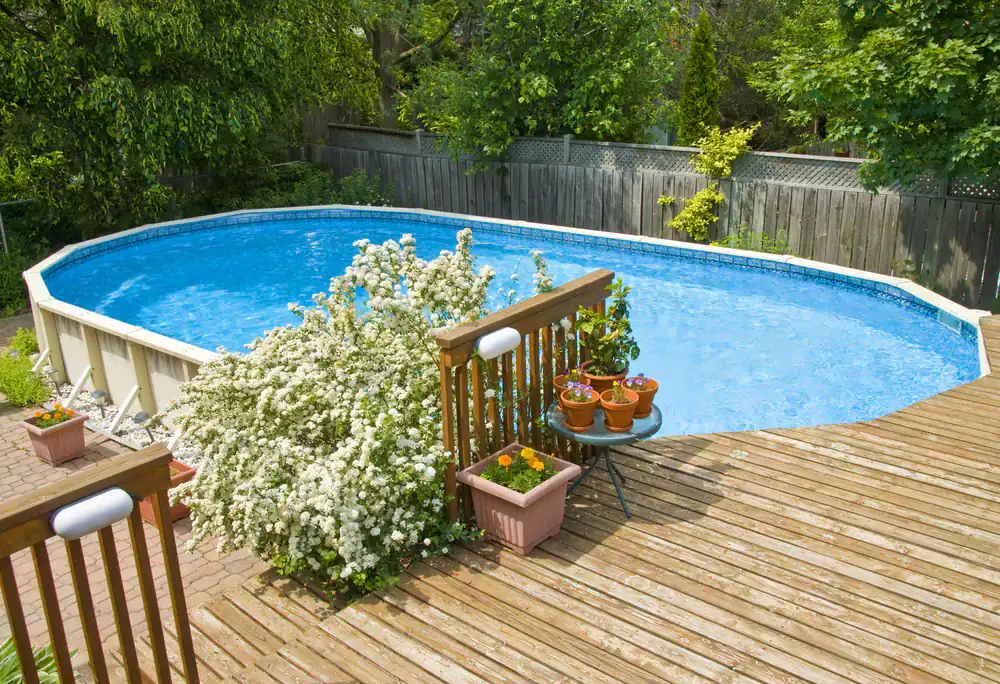
First, we come out to look at your yard. We’re checking for level ground, drainage, access for equipment, and any utility lines. This isn’t a sales pitch—it’s a real assessment of whether your space works and what prep is needed.
Once you’re ready to move forward, we handle site prep. That means leveling the ground properly, laying the base, and making sure water won’t pool under your pool. This step matters more than most people realize. A bad base leads to uneven settling, liner stress, and early leaks.
Then we install the pool structure, connect the pump and filter system, and fill it. Depending on the size and site conditions, you’re looking at one to three days from start to finish. We walk you through the equipment, show you the maintenance routine, and make sure you know how to keep your water balanced.
After that, it’s yours. We’re a phone call away if something comes up, but the goal is that nothing does.
Ready to get started?
You get full site preparation—ground leveling, base installation, and proper drainage setup. We’re not setting a pool on uneven dirt and calling it done. The base has to be right or everything else fails.
You get the pool structure itself, professionally assembled and secured. We handle the pump, filter, and plumbing connections so your system actually circulates water the way it’s supposed to. You’d be surprised how many “installed” pools have circulation issues because someone skipped a step.
We also walk you through your equipment. You’ll know how to backwash your filter, test your water, and handle the monthly maintenance that keeps your pool clean without turning into a part-time chemist. It’s simpler than it sounds, but it helps to have someone show you the first time.
And because we’re in Lotts, we understand Georgia’s climate. Your pool will be set up to handle our heat, our summer storms, and our soil conditions. That’s not something a national installer is thinking about.
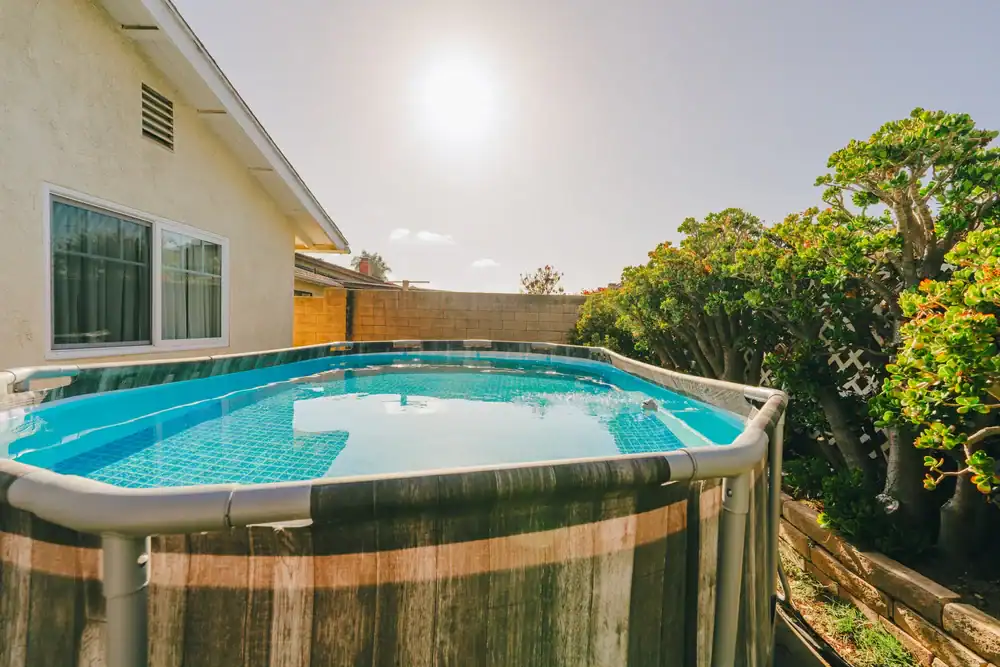
Most above ground pool installations take one to three days depending on the size of the pool and your yard conditions. If your ground is already fairly level and we don’t hit any surprises with drainage or access, you’re looking at the shorter end of that range.
The prep work is what takes time. We’re leveling the site, building a stable base, and making sure everything drains properly. Rushing this part leads to problems later—uneven settling, liner damage, or water pooling underneath the pool.
Once the base is set, the actual pool assembly and equipment hookup moves quickly. You’ll have water in your pool the same week we start. Compare that to inground pools, which can take months and require permits, excavation, and inspections.
In most cases, yes. Douglas County requires permits for pools over two feet deep, and most above ground pools fall into that category. You’ll also need a fence that’s at least four feet high with a lockable gate.
The permit process isn’t complicated, but it does add a step before installation. We can walk you through what’s required and what the county inspector will be looking for. Usually it’s about safety barriers and making sure the pool isn’t too close to property lines or utility easements.
The good news is that above ground pools don’t trigger the same property tax reassessment that inground pools do. The county treats them as temporary structures, so you’re not adding permanent value that gets taxed every year. That’s a real financial difference over time.
You’re looking at basic weekly tasks—testing your water, adjusting chlorine and pH levels, and skimming out debris. Once a month, you’ll backwash your filter to clear out trapped dirt. It’s not complicated, but it does need to happen regularly.
Georgia’s heat and humidity mean algae can grow fast if your chemistry gets off. The key is staying ahead of it. Test your water twice a week during peak summer, and keep your chlorine levels steady. If you let it slip, you’re dealing with green water and a bigger chemical correction.
The upside of above ground pools is that everything’s accessible. Your filter, pump, and plumbing are all right there—no digging or guessing. If something needs attention, you can see it and fix it without calling in a specialist for every little thing.
Inground pools in Georgia typically run between $25,000 and $100,000 depending on size, materials, and features. Above ground pools cost a fraction of that—usually a few thousand dollars including installation.
The price difference isn’t just upfront. Inground pools increase your property taxes because they’re permanent structures. In Douglas County, that can mean close to a thousand dollars more per year in taxes. Above ground pools don’t trigger that reassessment.
You also save on maintenance and repairs. When something goes wrong with an inground pool, you’re often looking at excavation or specialized labor. With above ground pools, most repairs are straightforward and don’t require tearing up your yard. Over ten years, that adds up to real money.
Yes, but only if they’re installed correctly. Georgia soil can shift, especially clay-heavy soil common in Douglas County. If your base isn’t properly leveled and compacted, you’ll see settling that stresses the pool walls and liner.
We prep the site to account for this. That means removing sod, leveling and compacting the ground, and laying a sand or foam base that distributes weight evenly. Skipping this step is where most DIY installations fail within the first year.
Georgia’s heat is actually an advantage. Above ground pools warm up naturally in the sun and hold that heat with good insulation. You don’t need a heater for most of the season. The challenge is managing algae growth in warm water, which comes down to consistent water testing and chemical balance.
If it’s an installation issue—something with the base, the structure, or the equipment we set up—we handle it. That’s on us. You shouldn’t be dealing with problems that stem from how the pool was put in.
If it’s a manufacturer defect with the pool itself, that’s covered under the manufacturer’s warranty. We help you navigate that process because dealing with warranty claims can be a hassle. We know what they’ll ask for and how to get things moving.
The most common issues aren’t dramatic—they’re things like a small leak in the liner or a pump that’s not circulating quite right. Most of these are easy fixes if caught early. That’s why we walk you through what to watch for and make sure you know how to spot problems before they turn into bigger headaches.