
Hear from Our Customers
When your water is balanced and your equipment is running right, you stop thinking about your pool as a chore and start using it again. That’s the real outcome not just clear water, but a backyard you actually want to be in after a long week.
Out here in the 31512 area around Ambrose, the conditions work against you fast. South Georgia’s summer heat can drop your chlorine below safe levels in a single day. Add in the pollen load from the surrounding farmland and pine corridors, and the debris that comes with every afternoon thunderstorm, and you’ve got a pool that needs consistent attention not a monthly check-in. Weekly professional maintenance isn’t a luxury in this climate. It’s the only way to stay ahead of what July and August will throw at your water.
There’s also the equipment side of it. A clogged skimmer basket doesn’t just look bad it reduces flow to your pump, makes your filter work harder, and quietly shortens the life of equipment that costs hundreds to replace. Staying on top of routine maintenance now is what keeps you from writing a big check later.
We’re based out of Douglas about 12 miles from Ambrose on the same county roads you drive every day. This isn’t a franchise dispatching from two counties over. We’re a locally-owned operation founded by someone who has spent more than 30 years working in concrete, plumbing, and custom pool construction right here in Coffee County.
That background matters more than it might seem. When one of our technicians shows up to service your Ambrose pool, they’re not running through a generic checklist. They’re reading your equipment, your water chemistry, and your system the way a builder reads a structure because that’s exactly the experience behind this company. We know what Coffee County water does to pool chemistry over time, and we know how the agricultural land surrounding Ambrose affects what ends up in your pool.
When something looks off, we’ll tell you plainly, without upselling you on something you don’t need.
Every visit starts with a full water chemistry test. Not a visual check an actual test that tells us where your pH, chlorine, alkalinity, and calcium hardness stand before anything gets added to the water. From there, chemicals are balanced to bring everything into the right range, not just close enough.
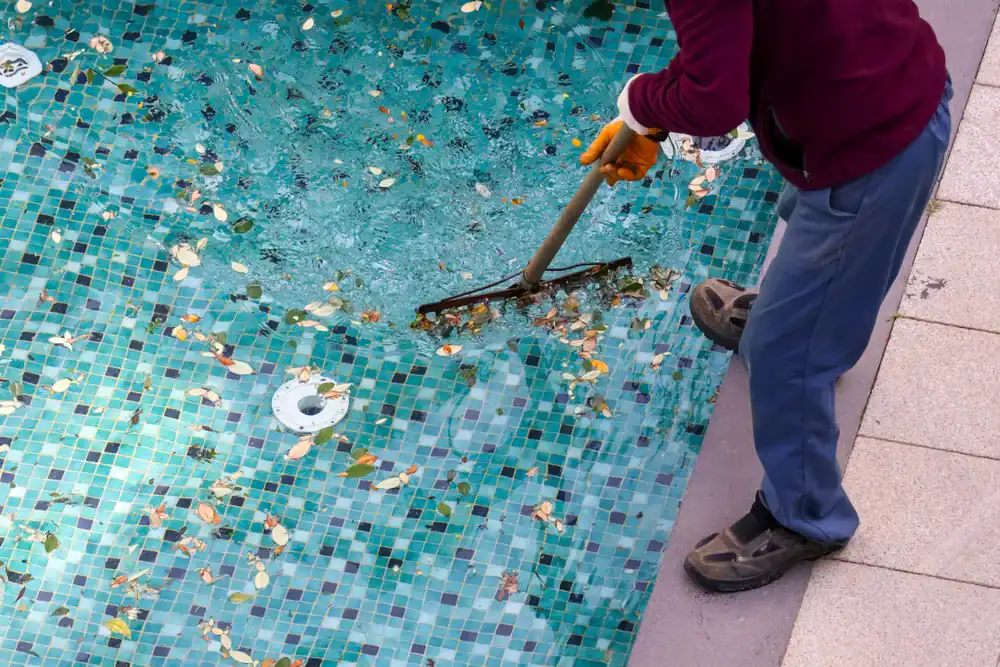
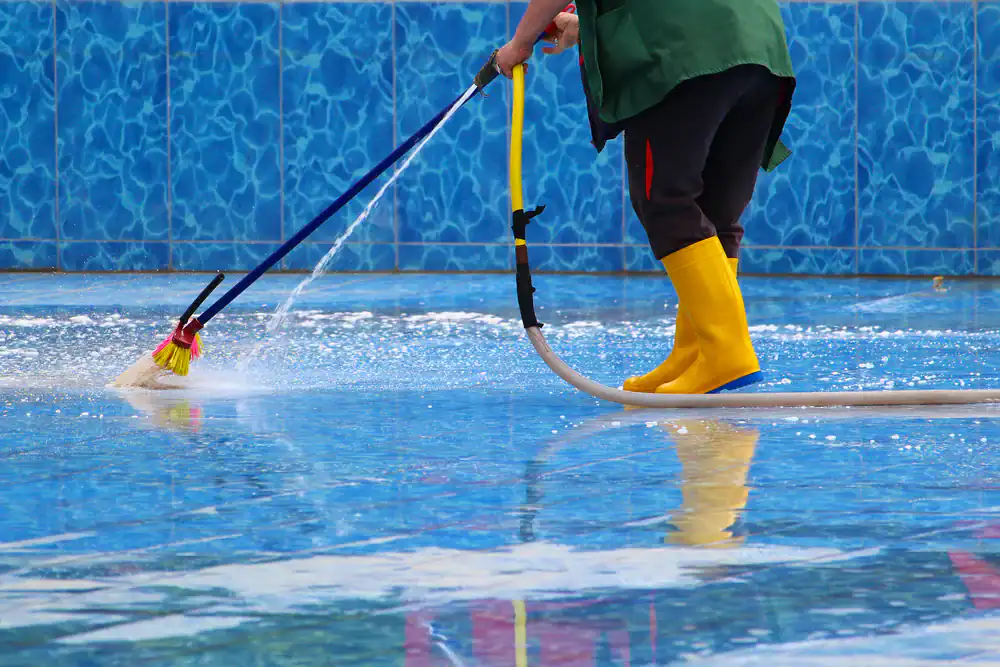
Next is the physical cleaning: skimmer baskets cleared, pool surface skimmed, debris vacuumed from the floor, and brush work on the walls and steps where buildup starts. In Coffee County’s storm season especially July and August when afternoon thunderstorms are a near-daily event this step matters more than most people realize. Organic debris shifts your chemistry fast, and a basket that’s half-full of pine needles and leaves is already putting strain on your pump. We don’t skip the physical work because the chemicals look fine.
After the service, you know what was done and what was found. If something looks like it’s developing into a bigger issue a pump that’s running differently, a filter that’s due for attention we’ll tell you before it becomes an emergency repair.
Ready to get started?
Routine maintenance visits include water chemistry testing and balancing, skimmer basket cleaning, surface skimming, pool floor vacuuming, wall and step brushing, and a visual equipment check every time. That last part the equipment check is something a lot of pool service companies skip. We don’t, because catching a small problem early is a fraction of the cost of replacing what breaks when it’s ignored.
For Ambrose-area pools, seasonal care is just as important as the weekly routine. Spring opening service gets your system fully tested and chemically reset after winter, inspects equipment for anything that needs attention before the swim season starts, and clears out whatever the off-season left behind. Fall closing prepares your plumbing and equipment for the occasional freeze event that Coffee County does get not every winter, but enough that skipping proper winterization is a real risk to your pipes and pump housing.
If your pool was built with a concrete or cement surface which is common with custom inground pools in this area water chemistry management is especially critical. Concrete pools are more sensitive to pH drift and calcium imbalance than vinyl or fiberglass, and the damage from neglected chemistry on a concrete surface is expensive to undo. We built pools like yours from the ground up. That knowledge carries directly into how we maintain them.
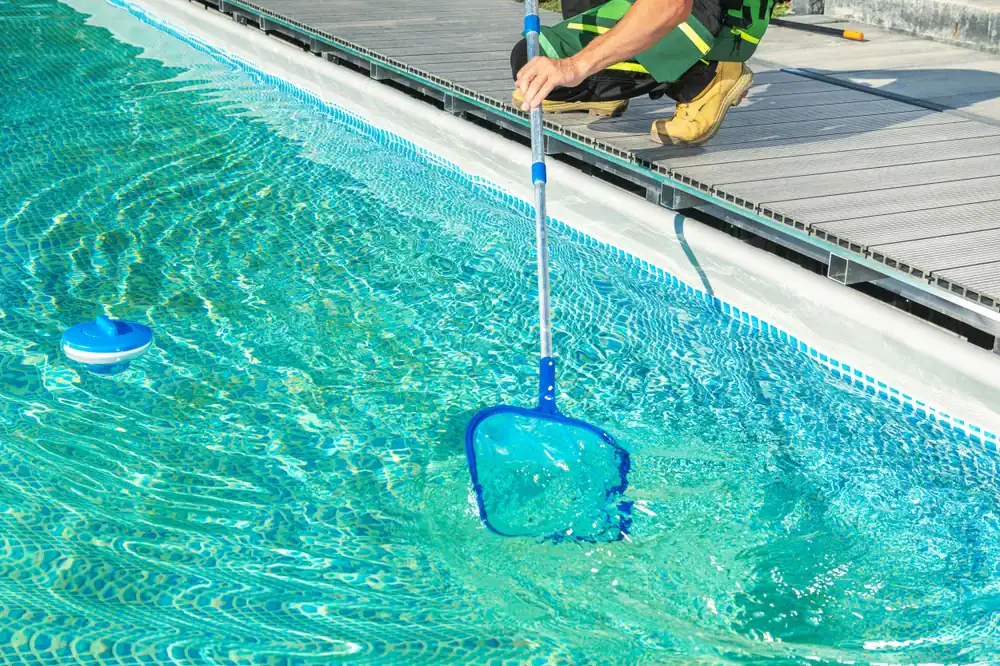
In most of the country, bi-weekly service is a reasonable baseline. In Coffee County, weekly service is the more honest answer at least from May through September. South Georgia’s summer heat accelerates chlorine depletion faster than most people expect, and when you add the pollen load from the surrounding farmland and the debris from afternoon thunderstorms that roll through Ambrose regularly, your pool’s chemistry and cleanliness can shift significantly in just a few days.
That doesn’t mean you’re stuck paying for weekly service twelve months a year. During the fall and winter months, when the pool is seeing less use and the heat isn’t working against your chemicals as hard, a bi-weekly schedule often makes more sense. The right frequency depends on your pool’s size, how much it’s being used, how much tree coverage is nearby, and what the weather’s been doing. We’ll give you a straight answer based on your actual situation not a one-size-fits-all plan.
A real service visit covers more than dropping chemicals in and leaving. Every visit should include a full water chemistry test pH, chlorine, alkalinity, calcium hardness followed by whatever chemical adjustments are needed to bring the water into balance. Physical cleaning means skimming the surface, vacuuming the floor, brushing the walls and steps, and clearing the skimmer baskets. That last step gets overlooked more than it should. A full skimmer basket reduces water flow to your pump, which puts stress on the motor and your filter system over time.
On top of the cleaning itself, a good service visit includes a visual check of your equipment pump, filter, and any visible plumbing. You should know what was done and what was found every single time someone services your pool. If something looks like it’s heading toward a problem, you want to hear about it before it becomes an emergency repair bill.
The short answer is heat and chlorine don’t get along well. When water temperatures climb into the high 80s and 90s which is a normal July in Coffee County chlorine breaks down significantly faster than it does in cooler climates. UV exposure from long summer days accelerates that breakdown even more. When free chlorine drops below 1 part per million, algae can establish itself in your pool within 24 to 48 hours under the right conditions. By the time the water looks visibly green, you’re already dealing with a remediation job, not a maintenance visit.
There’s also a factor specific to the Ambrose area that most generic pool service companies wouldn’t think to mention: the surrounding agricultural land contributes phosphates to the environment through fertilizer use, and phosphates are a primary food source for algae. Pools near farmland which describes a lot of properties in this part of Coffee County can experience higher algae pressure than pools in suburban neighborhoods. Staying on a consistent weekly maintenance schedule during summer is the most effective way to prevent this from happening in the first place.
The honest answer depends on how much your time is worth and how consistent you’re willing to be because consistency is the whole game with pool maintenance. DIY pool care in South Georgia’s summer heat means weekly trips to the pool supply store in Douglas, testing and adjusting chemicals correctly every single week, cleaning baskets and vacuuming the floor yourself, and doing all of it on a schedule that doesn’t slip when life gets busy. The chemical cost alone runs $30 to $50 per month, plus the initial equipment investment of $100 to $300 or more.
Professional service removes the guesswork and the time commitment. More importantly, it removes the consequences of an off week because in July and August around Ambrose, one skipped week can mean an algae problem that costs $200 to $500 to remediate, plus the time your pool is out of commission. For most pool owners, the math is closer than they expect, and the reliability factor tips it toward professional service pretty quickly.
A proper spring opening is more than just pulling off the cover and turning the pump back on. It starts with a full equipment inspection checking the pump, filter, and any plumbing that was exposed to winter conditions. Coffee County doesn’t get sustained freezes like northern Georgia, but the occasional cold snap can stress plumbing and equipment that wasn’t properly prepared in the fall. If anything shifted over winter, you want to catch it before the pump runs dry or a fitting cracks under pressure.
After the equipment check comes a full chemical reset. Water that’s been sitting through winter needs to be tested from scratch pH, alkalinity, calcium hardness, and sanitizer levels all need to be brought back into range before the pool is safe to swim in. Depending on what the water looks like, that process may take a couple of days to fully stabilize. A good opening service also includes clearing out whatever debris accumulated over winter so you’re starting the season with a clean surface and a clear filter, not playing catch-up from day one.
Yes and honestly, older pools are where the depth of experience matters most. A lot of the residential pools in the Ambrose area and the broader 31512 ZIP code were built in the 1980s, which means the equipment, plumbing, and surface materials are working with decades of wear. Older concrete pools in particular need careful chemistry management because pH drift and calcium imbalance cause surface damage that’s expensive to repair. A technician who only knows how to add chemicals to a newer pool isn’t necessarily equipped to read what an older system is telling them.
Our background in custom pool construction including concrete pool builds from the ground up means we understand how these systems were put together and what they need to keep running well. If your pool has aging equipment that’s starting to show its age, that gets flagged and explained to you clearly. You’re not going to find out about a developing pump issue by coming home to a pool that hasn’t been circulating for three days.