
Hear from Our Customers
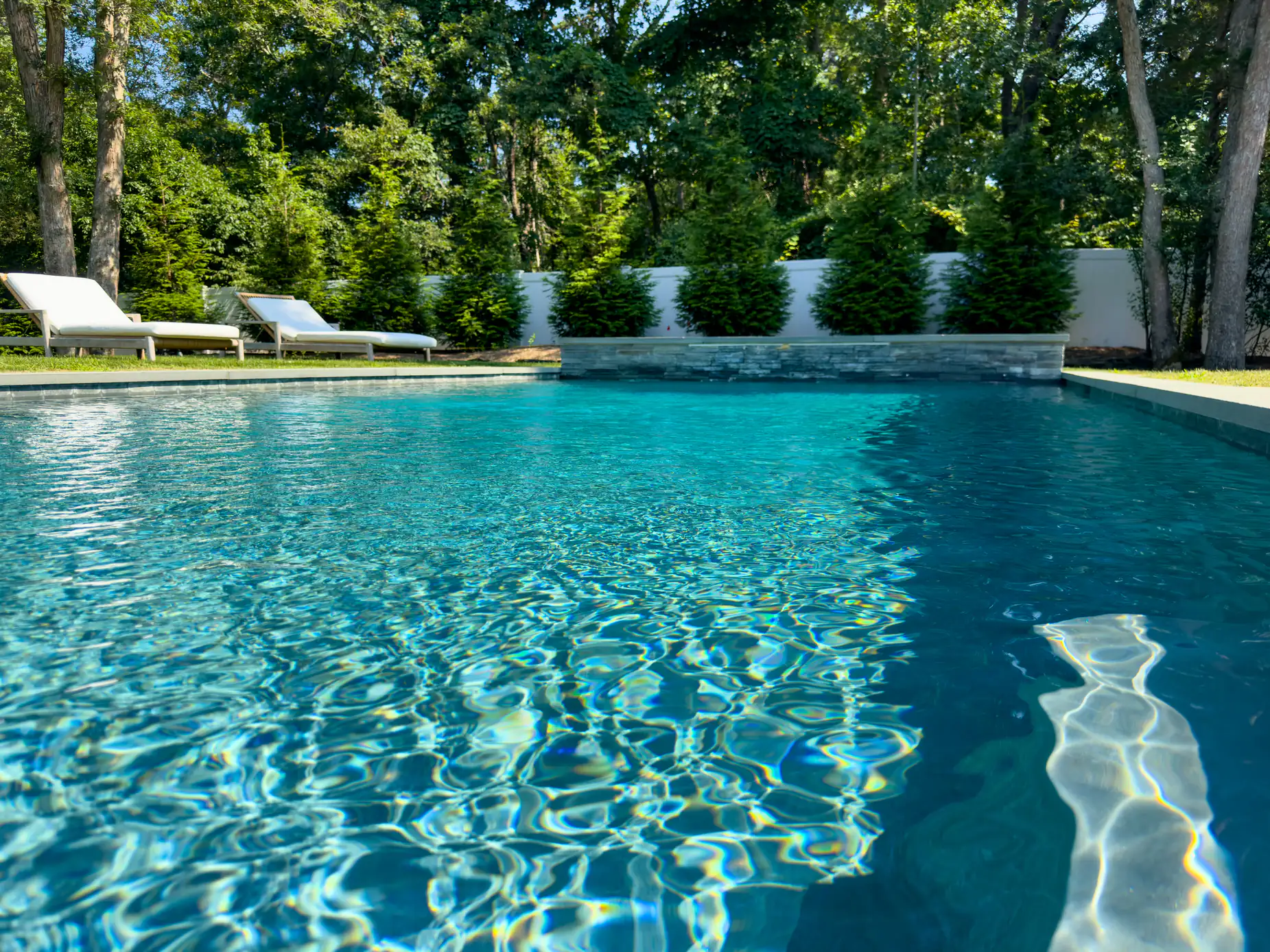
From April through October sometimes longer Boston sits in one of the longest usable pool seasons in the country. That’s Southwest Georgia’s subtropical climate doing what it does: delivering heat index values above 100°F by June and keeping the water warm well into fall. A gunite pool built right is something your family uses for decades, not something you outgrow or replace every few years.
Thomas County’s soil profile sandy Coastal Plain loam sitting over a red clay substratum creates specific conditions that affect how a pool shell needs to be engineered. Water table behavior, drainage, hydrostatic pressure when the pool is drained for maintenance these aren’t abstract concerns. They’re the difference between a pool that holds up for 30 years and one that gives you problems in year five. When our excavator breaks ground in your Boston backyard, the crew on-site already knows what they’re digging into.
And because gunite is formed on-site from scratch, your pool fits your actual yard your grade, your setbacks, your mature landscaping, your lot shape. If your property sits near Boston’s historic district with its older homes and established trees, that custom fit matters more than it would on a blank suburban lot. No manufacturer shape. No compromise. Just a pool designed for your specific piece of ground.
Deep Waters Pools was founded in 2014, but the experience behind our company goes back more than three decades before that. Our founding team spent 30-plus years in concrete, plumbing, and pool construction across South Georgia before launching which means we’d already seen what happens when a pool is built wrong in Boston’s soil, in this climate, under these conditions.
We’re based in Douglas, GA, and we serve the South Georgia corridor that runs right along US 84 the same highway that connects Boston to Thomasville and the rest of the region. We’re not a national company dispatching crews from out of state. We know Thomas County’s permit offices, we know the soil conditions that Boston homeowners face, and we’ve built enough pools across this region to understand what the ground will do in July when the rains come and the water table rises.
Every phase of your build excavation, rebar, gunite application, plumbing, electrical, finishing, decking is handled by our own crew. No subcontractors, no strangers, no handoffs. The same team that starts your pool finishes it.
It starts with a site evaluation and a 3D design built around your actual yard not a template dropped onto your lot. Your grade, your setbacks from property lines and structures, your existing landscaping, the shape of your space. Once the design is finalized and you’re comfortable with it, we pull every permit required: building permit, electrical permit, all required inspections. You don’t fill out a form or schedule a single inspector. We handle that.
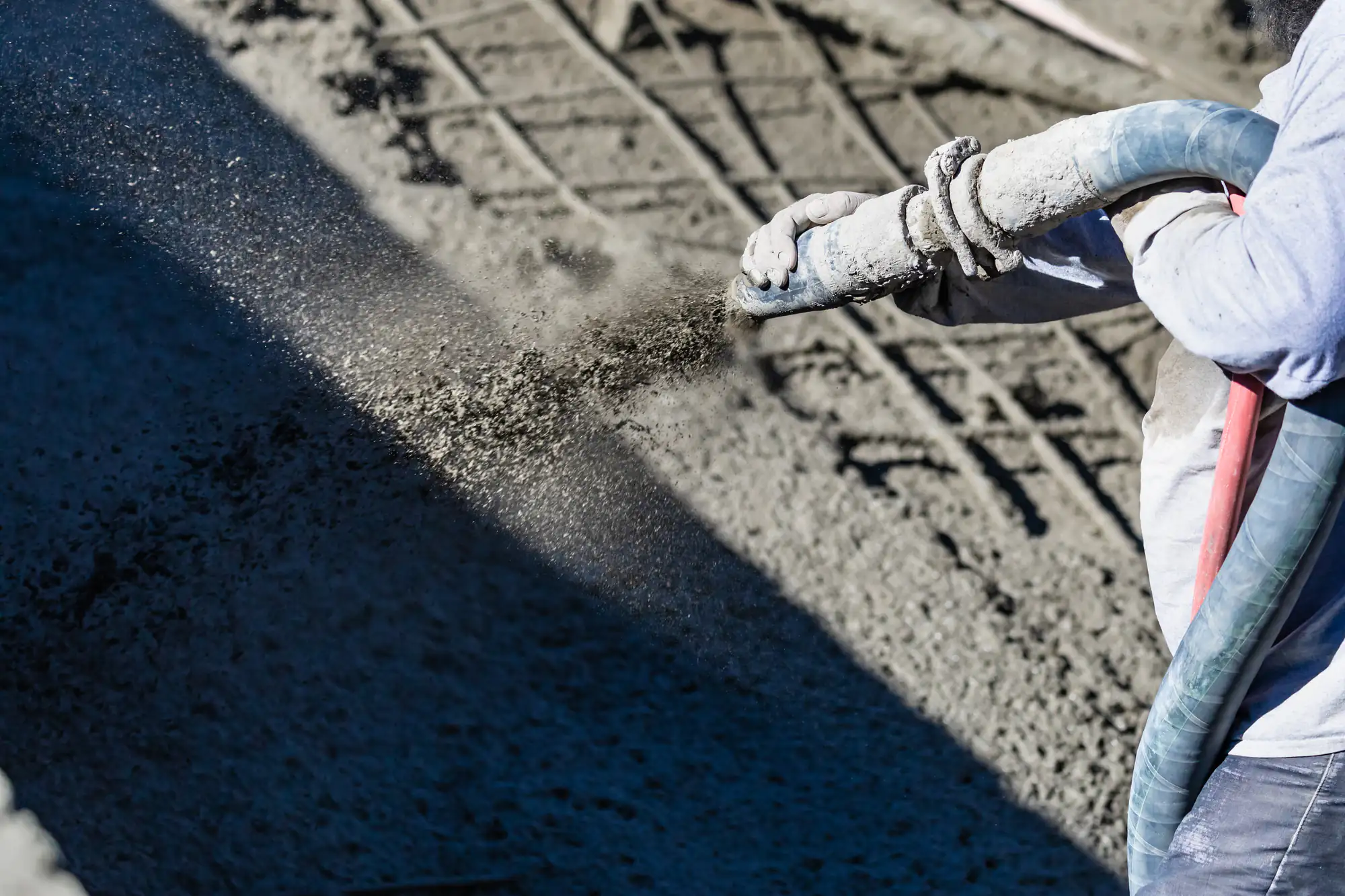
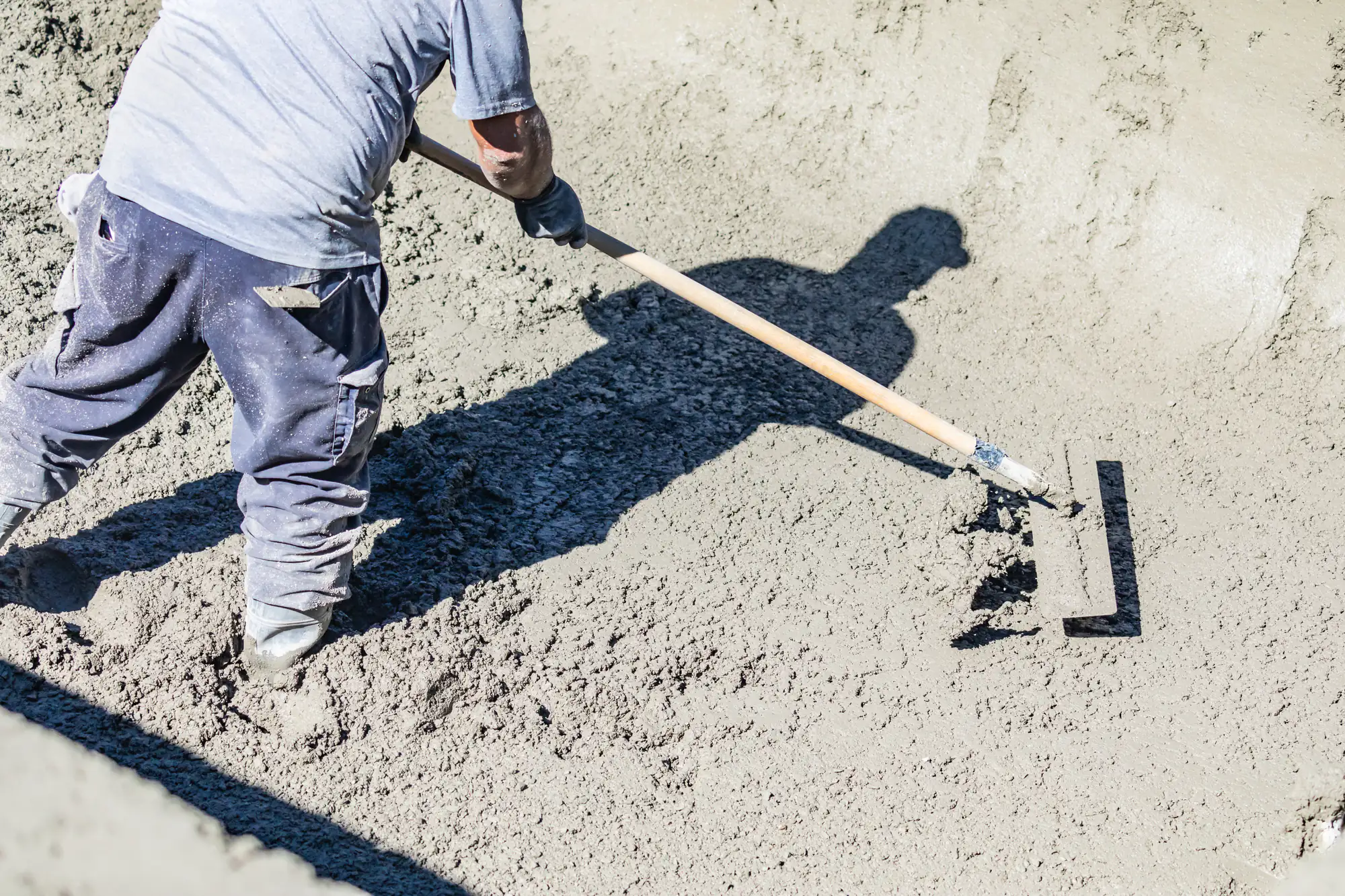
Excavation comes next, and this is where local knowledge matters. The sandy Coastal Plain surface soils in the Boston area can behave differently depending on the season and how close you are to the water table. Our crew accounts for this at the dig phase not after the shell is poured. Once the excavation is done, the steel rebar framework is set, inspected, and then the gunite shell is applied. Proper shell thickness, full curing time, no shortcuts on the timeline. Rushing the cure is one of the main reasons pools develop surface problems years down the road. We don’t rush it.
After the shell cures, plumbing and electrical are roughed in, equipment is set, and the interior finish is applied. Decking ties it all together. When the final inspection is cleared and the pool is started up, our crew walks you through how everything runs. From first conversation to water in the pool, you know who’s responsible for every inch of the build because it’s the same team the whole way through.
Ready to get started?
A Deep Waters gunite pool build covers the full scope: custom 3D design, excavation, rebar and gunite shell, plumbing, electrical, equipment installation, interior finish, and decking. Every phase is in-house. Our electrical work is done to NEC Article 680 standards the code that governs bonding and grounding for swimming pools and every required inspection is completed before the next phase begins. For properties in or near Boston’s city limits, we navigate both city and Thomas County permit jurisdiction without putting that burden on you.
On the equipment side, we install and service Hayward, Pentair, Jandy, Sta-Rite, and Zodiac systems. That matters because your relationship with us doesn’t end at the final inspection. When your pump needs attention three years from now or your heater goes out in October right before the last good weeks of the season, you call the same number. No starting over with a stranger who’s never seen your pool.
For Boston homeowners with properties near the historic district where lot configurations, mature trees, and older structures create tighter site conditions the custom gunite process is the only approach that actually fits. There’s no fiberglass shape that accounts for a 100-year-old oak or a setback that cuts into the corner of a standard manufacturer mold. Gunite is built to your site. That’s the point.
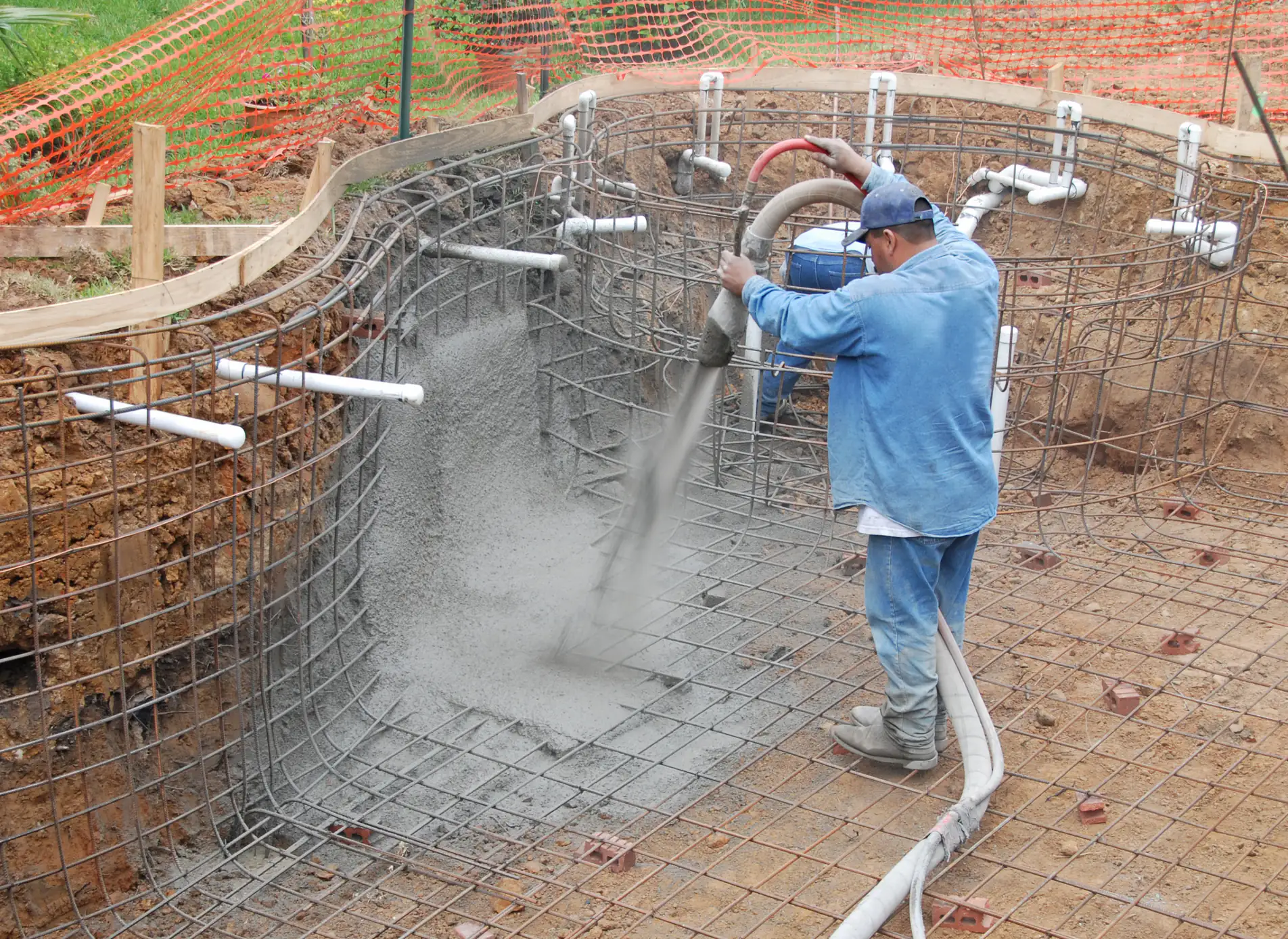
This concern gets circulated in the local Boston market, and it’s worth addressing directly. Gunite shells crack when builders use insufficient rebar density, rush the curing process, or fail to engineer for the actual soil conditions at the site. It’s a builder problem, not a material problem. A properly engineered gunite shell designed for the sandy Coastal Plain loam over red clay substratum that characterizes the Thomas County area where Boston sits does not crack from normal ground behavior.
What matters is how the shell is engineered from the start. Proper rebar spacing, adequate shell thickness, hydrostatic relief valves to manage pressure when the pool is drained, and drainage systems calibrated to local water table conditions. These aren’t optional upgrades. They’re what separates a pool that holds up for 30 years from one that shows stress cracks in year seven. When we break ground in your Boston backyard, the engineering accounts for what’s actually in the ground not a generic template applied everywhere.
A properly built gunite pool has a structural lifespan of 30 to 50 years. The shell itself the concrete structure is essentially permanent when it’s built right and maintained reasonably. The interior surface finish (plaster, aggregate, or tile) will need to be renewed, but on a quality build that happens every 10 to 15 years, not every 3 to 7. The shorter resurfacing timeline gets cited sometimes as a reason to avoid gunite, but that cycle reflects poorly built pools, not well-built ones.
For comparison, vinyl liner pools require liner replacement every 5 to 9 years at roughly $4,000 to $4,500 per replacement. Fiberglass pools come with manufacturer shape limitations and can have issues with gel coat fading or surface oxidation over time. Over a 30-year period in Boston’s climate where you’re getting seven months of use per year the total cost of ownership on a quality gunite build is competitive with any alternative, and the structural durability isn’t close.
A standard residential gunite pool build runs 8 to 14 weeks from permit approval to water in the pool, depending on the scope of the project, weather, and inspection scheduling. The permit process in Thomas County adds some lead time at the front end, but we handle that entirely pulling the building permit, the electrical permit, and scheduling all required inspections without involving you in the back-and-forth.
One practical advantage of building in the Boston area is that the mild winters allow for year-round construction. Unlike northern markets where ground freezes halt work for months, Thomas County rarely sees sustained freezing temperatures. That means if you start the process in fall, you can realistically have a finished pool ready for the following spring season. Given that Boston’s swim season opens up in April and the heat arrives fast, getting ahead of it by starting your build in late summer or fall is worth thinking about.
Inground pool construction in Georgia requires a building permit and an electrical permit at minimum, along with all associated inspections at each phase of the build. Depending on where your property sits, you may fall under City of Boston jurisdiction or Thomas County’s building department Boston has its own municipal government, incorporated in 1870, so the permitting authority depends on whether you’re inside city limits or in the unincorporated county.
Georgia state law also requires that pool construction be performed by a licensed contractor, and Georgia law mandates pool barrier requirements fencing or other approved enclosures that meet specific height and latch standards for residential pools. We handle the entire permit sequence for you: pulling the permits, scheduling inspections, and making sure every phase is signed off before the next one begins. You don’t navigate the city-versus-county question, you don’t schedule inspectors, and you don’t have to track down which office handles what. That’s part of the build.
Generally speaking, an inground gunite pool adds meaningful value to a residential property in the South, where pools are used year-round and buyers expect outdoor living amenities. In a market like Thomas County where median home values have risen from around $42,000 in 2000 to over $200,000 today a well-built gunite pool is a legitimate property investment, not just a lifestyle purchase.
The value impact is strongest when the pool is properly permitted, professionally built, and maintained in good condition. An unpermitted pool creates legal complications at the time of sale and can actually reduce a home’s marketability. A permitted, inspected, well-maintained gunite pool with quality decking and equipment is a different story it’s a documented, insured, transferable asset. For Boston homeowners with established equity in appreciating properties, the combination of seven months of annual use and long-term resale value makes the investment case straightforward.
Residential gunite pool projects in Georgia typically range from $75,000 to $150,000, depending on the size, shape, depth, finish selections, equipment package, and decking scope. That range covers a lot of ground a straightforward custom pool with standard equipment and concrete decking sits toward the lower end, while larger pools with upgraded finishes, water features, or premium equipment packages move toward the higher end.
For a Boston homeowner, the more useful framing is total cost of ownership over time. A gunite pool built correctly requires resurfacing every 10 to 15 years and routine equipment maintenance those are the primary ongoing costs after the build. Spread across 30 years of use in a climate that gives you seven months of swimming per year, the per-year cost of a well-built gunite pool is lower than most people expect when they first see the upfront number. The builds that end up costing more in the long run are the ones where the initial price was the only thing that got evaluated.