
Hear from Our Customers
A gunite pool built properly in central Georgia doesn’t crack, doesn’t need replastering every few years, and doesn’t leave you chasing down three different contractors when something goes wrong. What you get is a pool that holds up through Laurens County summers, through ground that shifts with moisture, and through the kind of heat that runs from April straight into October without a break.
East Dublin sits on the east bank of the Oconee River, and that matters more than most builders will tell you. Properties near the river can fall in or near FEMA flood zones, which adds a layer of permitting complexity that a builder unfamiliar with Georgia’s floodplain management requirements will either miss entirely or hand off to you to figure out. A pool built without accounting for that is a problem waiting to surface sometimes literally.
The other thing worth knowing is that central Georgia’s soil isn’t uniform. The mix of sandy loam and clay-bearing ground in the Oconee River valley moves with moisture. A gunite shell engineered for those conditions with the right rebar density, proper wall thickness, and full curing time handles that movement without issue. The cracking you’ve read about online isn’t a gunite problem. It’s a builder-cutting-corners problem. There’s a difference, and it shows up years later when it’s expensive to fix.
Deep Waters Pools was founded in 2014, but the experience behind it goes back more than three decades hands-on concrete work, plumbing, and pool construction long before the business was official. That background isn’t a marketing line. It’s the reason every pool we build is engineered the way it is, not assembled the way it’s cheapest.
We’re based in Douglas, GA, and we serve communities across South Georgia and central Georgia including East Dublin and the broader Laurens County area. We know the soil conditions here. We know what the Oconee River valley does to construction sites. We know how Laurens County’s permitting process works, and we handle all of it building permit, electrical permit, every required inspection so you never have to track down a form or schedule an inspector yourself.
Every phase of your pool is built by our crew. Not subcontractors. Not a rotating cast of trades you’ve never met. One team, one point of accountability, from excavation to the day you fill it with water.
It starts with a conversation and a 3D design rendering so you can see exactly what you’re building before anything moves. Once the design is locked in, we pull every permit required including any floodplain management permits if your East Dublin property sits near the Oconee River corridor. That step alone has saved homeowners months of delays that other builders never saw coming.
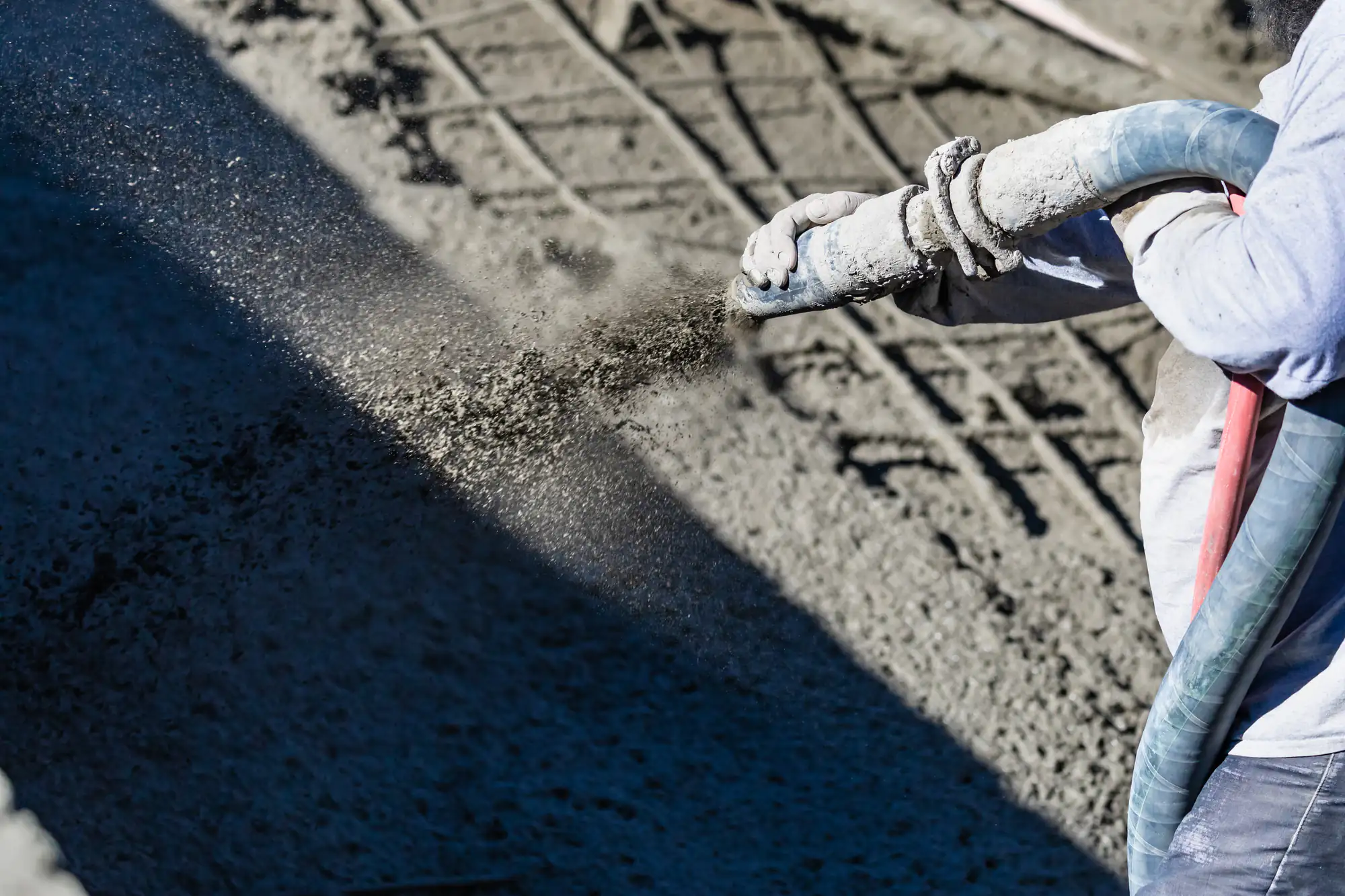
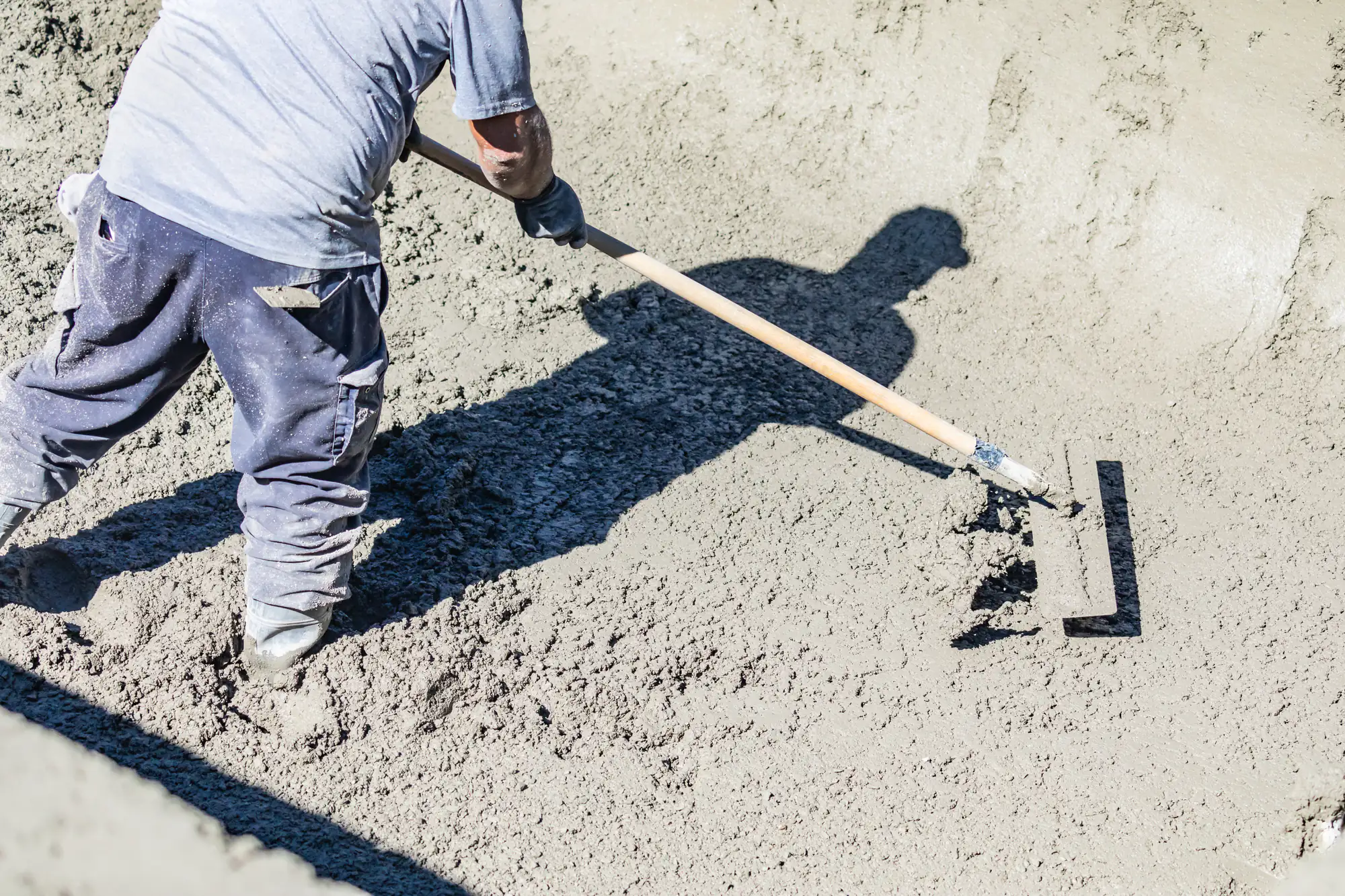
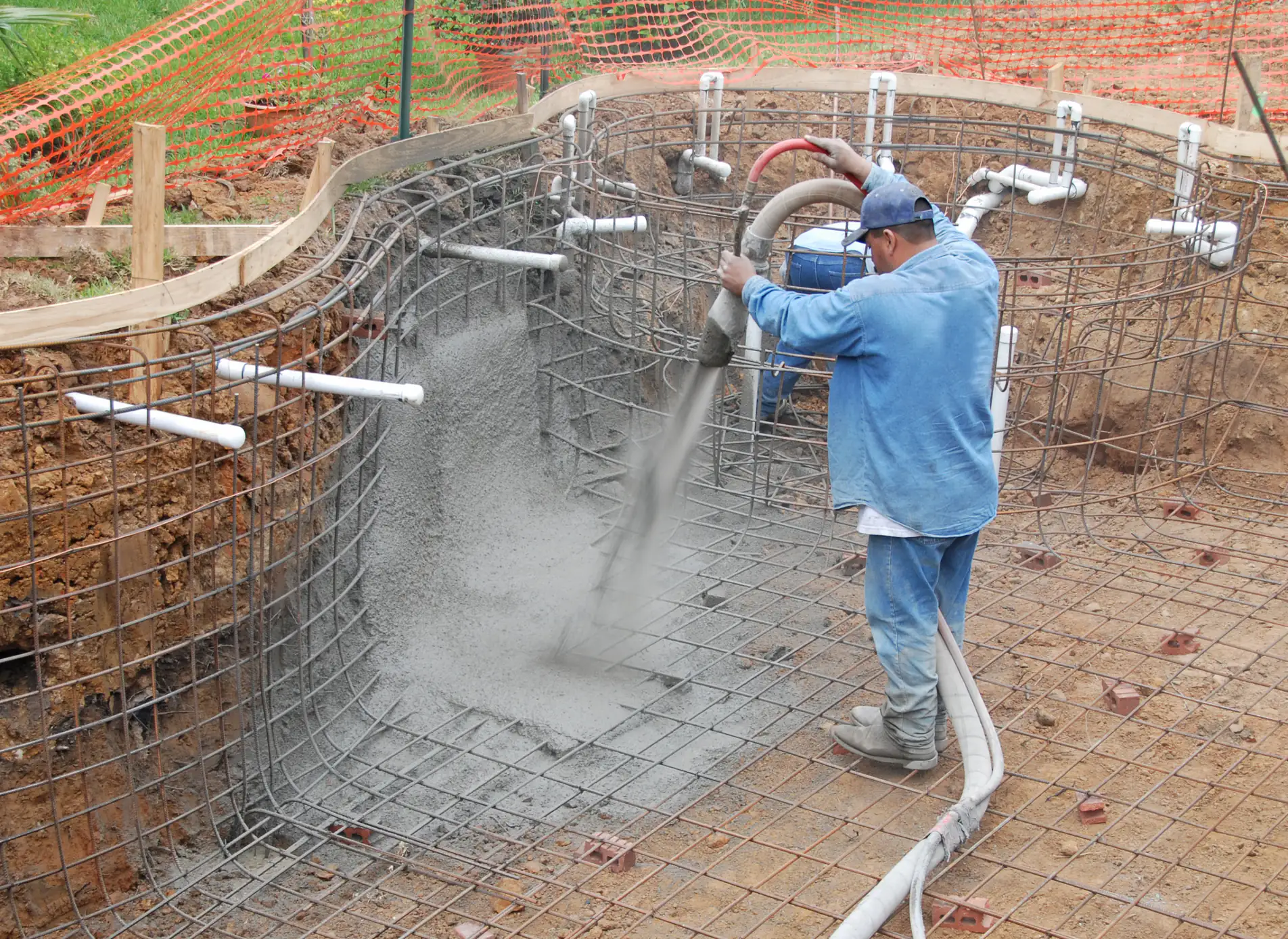
From there, our crew handles excavation, rebar framework, and gunite application in sequence. The gunite shell is applied at the right thickness for central Georgia’s soil conditions and cured at the right pace not rushed to meet an artificial deadline. Rushing the cure is one of the most common ways a pool ends up with surface problems five years down the road, and it’s entirely preventable. After the shell is solid, we run the plumbing and complete all electrical bonding and grounding to NEC Article 680 standards, which is the federal safety code governing pool electrical systems.
Surface finishing, coping, and decking come next all handled by the same crew that built the shell. When the final inspection clears, Georgia Power or your local EMC can legally energize the system. That’s not a formality. They won’t activate power to a pool that hasn’t passed Building Inspection Department approval, which is exactly why having a builder who handles every permit correctly from the start matters so much.
Ready to get started?
A custom gunite pool from Deep Waters Pools includes the full scope design, excavation, rebar, gunite or shotcrete application, plumbing, electrical, surface finishing, and decking. There’s no phase we hand off and no part of the build where accountability gets murky. If something needs attention after the pool is filled, you call one number and talk to the same people who built it.
Beyond new construction, we also handle pool equipment service and repair across all major brands Hayward, Pentair, Jandy, Sta-Rite, and Zodiac. If you’re in East Dublin or anywhere in Laurens County and your existing pool equipment is failing, we can diagnose and repair it without you needing to find a separate service company. We also offer ongoing maintenance programs and pool restoration work for pools that have been neglected or poorly built by someone else. That last capability matters more than most people realize it means we’ve seen what bad construction looks like from the inside, and we build accordingly.
East Dublin’s swimming season runs roughly April through October. That’s close to seven months of use out of a well-built pool, which changes the math on what this investment actually costs per year of enjoyment. A pool that’s engineered correctly and maintained properly doesn’t drain your budget it earns its place.
This is probably the most common concern we hear from homeowners in central Georgia, and it’s worth a straight answer. Gunite pools don’t crack because of the material they crack because of how they’re built. A shell that’s engineered for the specific soil conditions in the Oconee River valley, with adequate rebar density, proper wall thickness, and full curing time, handles normal ground movement without issue. The clay-bearing soils in Laurens County do shift with moisture changes, but that’s a known engineering variable, not a surprise.
Where cracking happens is when a builder rushes the cure, under-reinforces the steel, or ignores local soil conditions entirely. Those are builder decisions, not material failures. A properly built gunite shell in East Dublin will outlast a vinyl liner by decades and hold its surface for ten to fifteen years before resurfacing is needed.
For a residential gunite pool in Georgia, most projects fall somewhere between $75,000 and $150,000 depending on size, design complexity, features like a spa or water feature, and site-specific factors. East Dublin properties near the Oconee River may have additional engineering or permitting requirements that affect cost flood zone parcels sometimes require extra review before construction can begin, and it’s better to know that upfront than to find out mid-project.
Annual maintenance typically runs $2,700 to $4,000 depending on the pool’s size and how it’s used. When you factor in that a quality gunite pool adds roughly 7% to your home’s property value and gives you six to seven months of use per year in central Georgia’s climate, the long-term math looks a lot better than the upfront number suggests. The mistake most people regret isn’t building the pool it’s choosing a builder based on the lowest bid and ending up with a pool that costs more to fix than it did to build.
A realistic timeline for a properly built gunite pool in the East Dublin and Laurens County area is three to six months from permit approval to water in the pool. That range accounts for the permitting process which in Laurens County runs through both the City of East Dublin and the county’s Building Inspection Department plus excavation, construction, curing time, and required inspections at each phase.
Builders who promise eight to twelve weeks are either skipping critical curing time or haven’t factored in the local permitting timeline. Gunite needs to cure properly before the surface finish goes on that’s not a scheduling preference, it’s a structural requirement. Rushing that step is one of the most reliable ways to end up with surface delamination or cracking within a few years. If a builder’s timeline sounds too fast, it’s worth asking specifically which phases they’re compressing and why.
At minimum, pool construction in East Dublin requires a building permit and an electrical permit. Inspections are required at multiple phases of the build not just at the end and Georgia Power or your local EMC will not energize the pool’s electrical system without Building Inspection Department approval. That means an unpermitted pool isn’t just a legal risk, it’s a pool that literally cannot be turned on legally.
In East Dublin specifically, the permitting process involves both the city and Laurens County’s Building Inspection Department, reachable at 478-272-4755. If your property is near the Oconee River and falls within or adjacent to a FEMA flood zone, additional floodplain management permits may be required before construction can begin a step that builders unfamiliar with Georgia’s EPD floodplain framework often miss entirely. We handle every permit and every inspection in-house. You don’t track paperwork, schedule inspectors, or navigate the county’s process. That’s our job.
Gunite and shotcrete are both forms of pneumatically applied concrete the main difference is that gunite is a dry mix that gets water added at the nozzle, while shotcrete is a wet mix applied the same way. Both produce a structurally sound pool shell when applied correctly by an experienced crew. The quality of the finished shell has far more to do with the skill of the applicator and the engineering behind the build than which specific method is used.
What does matter is that the application is done by people who know what they’re doing. The rebar framework has to be correct, the concrete has to be applied at the right thickness and consistency, and the curing process has to be respected. In central Georgia’s climate where summer heat can accelerate surface drying if the cure isn’t managed that last point is especially relevant. Both gunite and shotcrete are used in quality pool construction across Georgia. If a builder tells you one is dramatically superior to the other, the more important question is who’s actually applying it and how.
Yes, but it requires a builder who knows how to navigate the process correctly. Properties near the Oconee River in East Dublin may fall within FEMA-designated flood zones, and Georgia’s floodplain management framework administered through the state EPD requires additional review and potentially a Conditional Letter of Map Revision before construction can begin on affected parcels. A builder who doesn’t ask about flood zone status before breaking ground is a builder who will cost you time and money when the issue surfaces mid-project.
The Oconee River has a documented flood stage that NOAA actively monitors, and the inundation mapping for the Dublin gauge area is detailed enough that a knowledgeable builder can identify potential issues early in the planning process. Beyond permitting, soil conditions near the river also require attention drainage patterns and moisture variation in the Oconee River valley are real engineering considerations that affect how a gunite shell is designed and reinforced. We factor all of that in from the first site conversation, not after excavation has already started.