
Hear from Our Customers
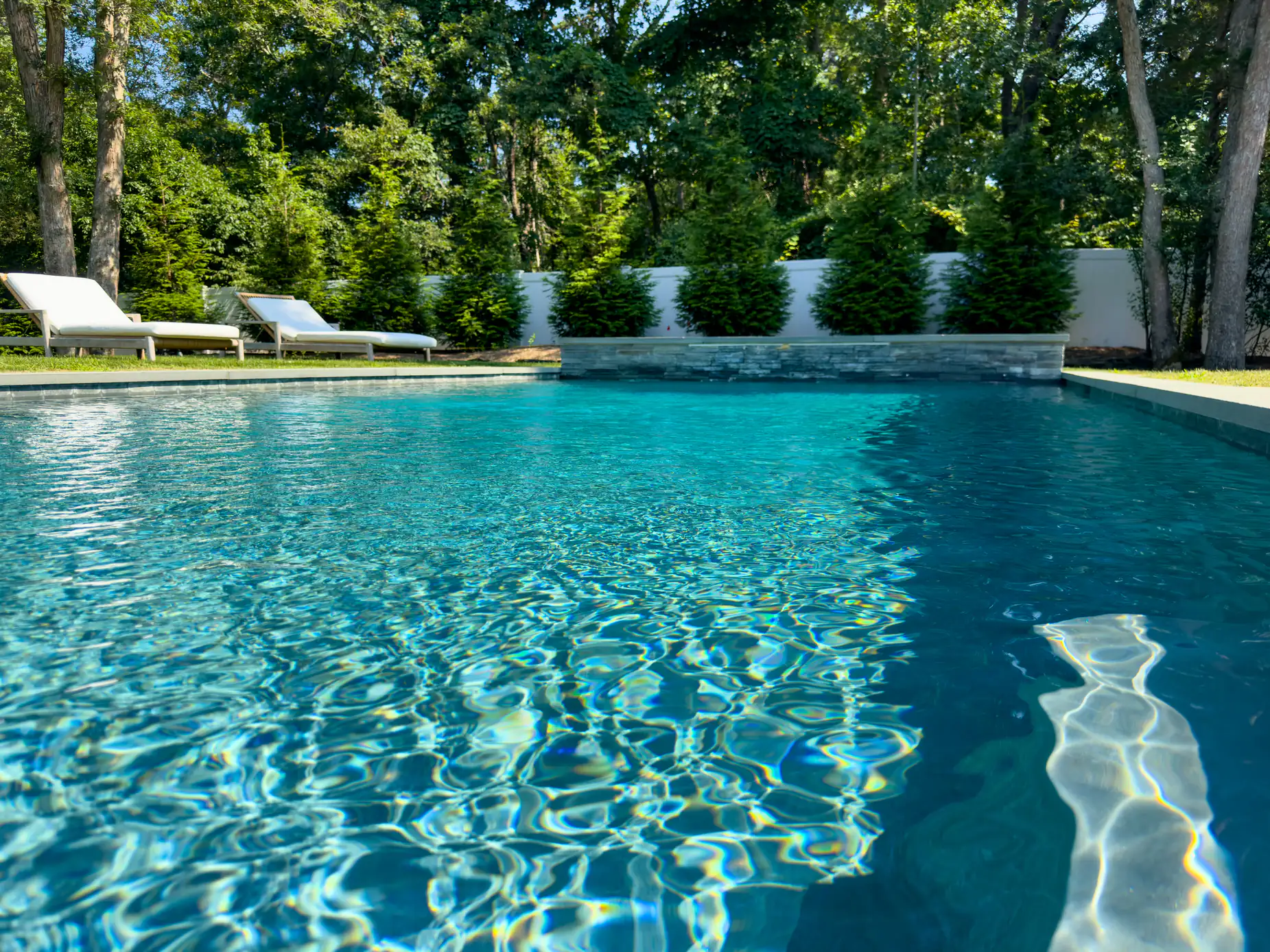
A gunite pool built correctly in Omega isn’t just a backyard feature it’s a long-term investment in a property you plan to keep. South Georgia’s swimming season runs from roughly April through October, which means you’re looking at six to seven months of real use every single year. That’s not a luxury sitting idle half the time. That’s a backyard your family actually lives in.
The soil profile in Tift County is something a lot of out-of-area builders underestimate. The flatlands around Omega carry a mix of sandy loam topsoil and heavier subsoil layers that shift with moisture. A gunite shell engineered for that movement with the right rebar density, proper application thickness, and adequate cure time holds up for decades. One that isn’t? You’ll know within a few years.
And because Omega’s pool permits run through Tift County Community Development Services rather than a city building department, you need a builder who already knows that process. Every permit, every required inspection, every coordination with the county we handle it. You don’t chase paperwork. You get a pool.
We’re based in Douglas, GA not Atlanta, not a franchise office somewhere north of the fall line. Our team spent more than 30 years working in concrete, plumbing, and pool construction across South Georgia before we ever had a business name. That history matters because the problems that show up in an Omega build soil behavior, permit routing through Tift County offices, the pace of cure time in humid subtropical heat aren’t things you learn from a manual.
We founded Deep Waters Pools in 2014 because we kept watching South Georgia homeowners get burned by contractors who collected deposits and disappeared, or who handed every phase to subcontractors nobody vetted. That’s still how most of the industry works. It’s not how we work.
From Omega to Norman Park to Ty Ty, the communities in this part of Georgia share the same character people who invest carefully, stay long-term, and expect straight answers. That’s the customer we were built for.
It starts with a design conversation, not a sales pitch. Before anything hits paper, you’ll talk through what you actually want size, shape, depth, features and we produce a 3D rendering so you can see the finished pool on your property before a single shovel moves. If something’s off, you change it in the rendering. Not in the concrete.
Once the design is locked, the permit process begins. In Omega, that means filing through Tift County Community Development Services the county-level office that handles building and electrical permits for Omega and Ty Ty. We manage all of it. You won’t be calling the county office on Highway 319 trying to track down an inspection status.
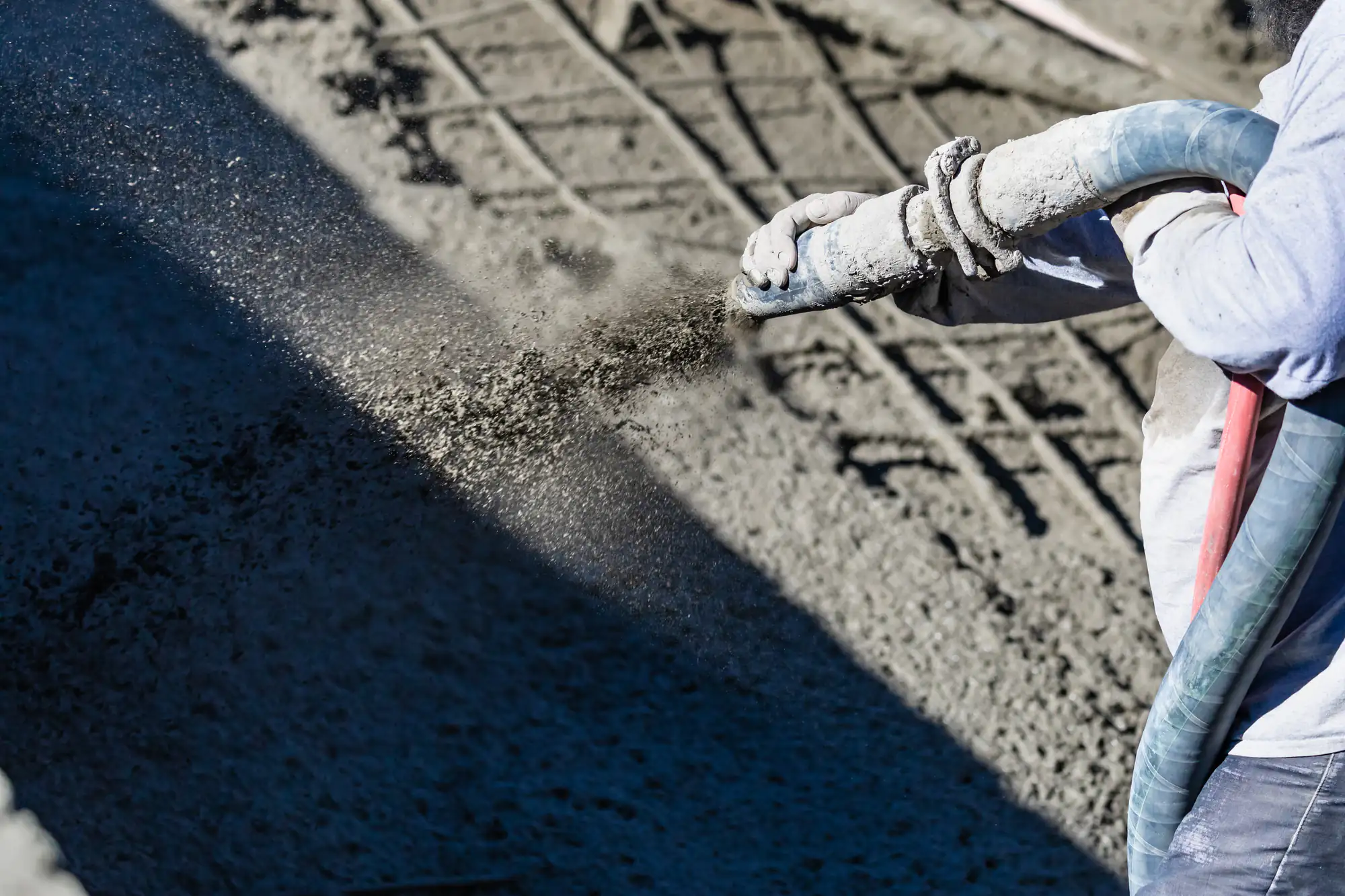
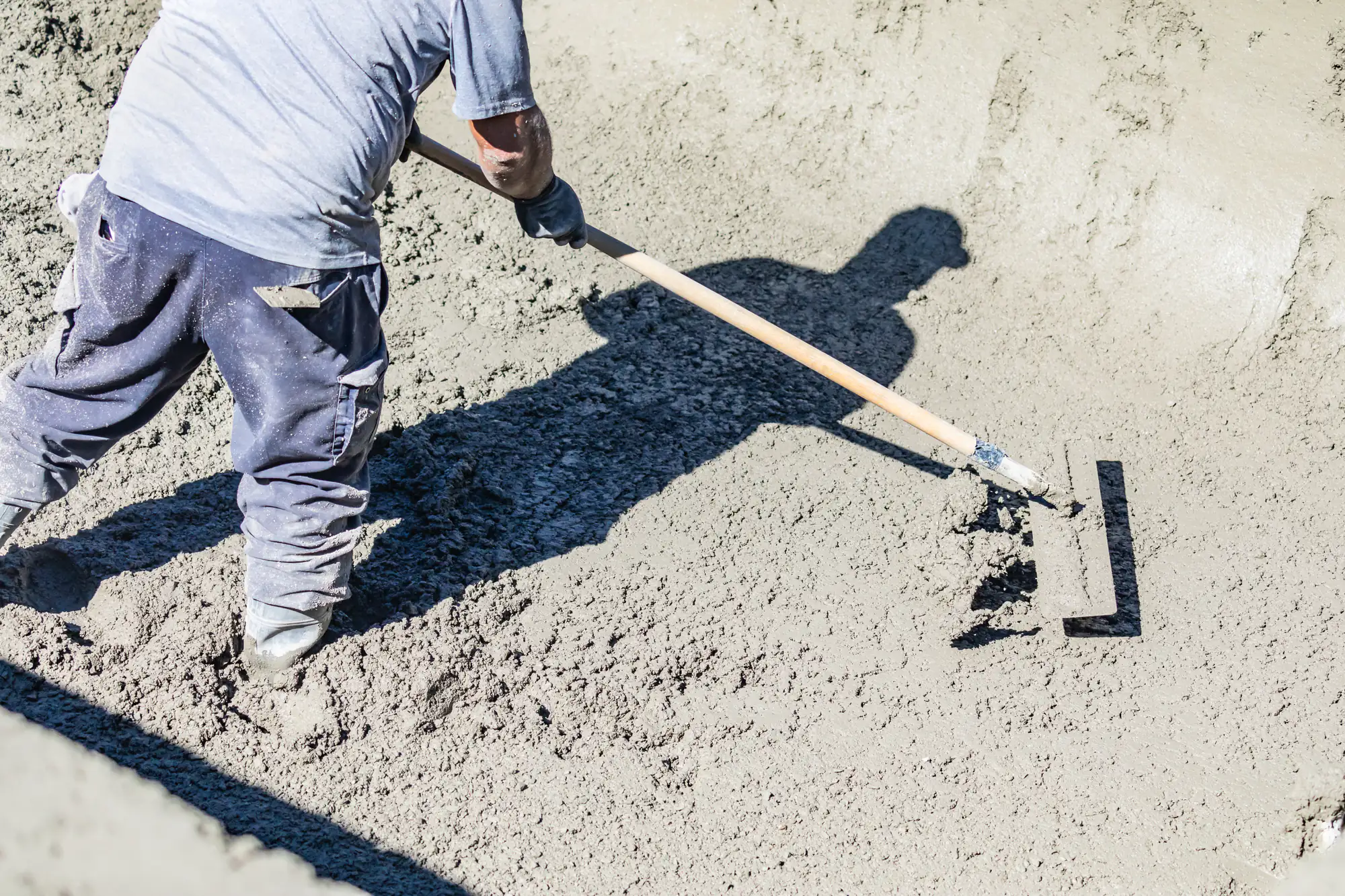
Construction runs in phases excavation, rebar framework, gunite shell application, plumbing, electrical bonding and grounding, surface finishing, and decking all handled by our in-house team from start to finish. The honest timeline for a quality gunite build in this region is three to six months. Not eight weeks. Builders who quote eight weeks are either cutting the cure time or setting you up for a disappointment. The best time to start is fall or early winter, so your pool is ready when April arrives and the temperature climbs back into the 90s.
Ready to get started?
Custom gunite pool construction with Deep Waters Pools covers everything from the first design rendering to the final inspection sign-off. Excavation, steel and rebar framework, gunite shell application, all plumbing, electrical bonding and grounding per NEC Article 680, equipment installation, surface finishing, and deck construction every phase is handled by our own crew. No subcontractors. No strangers in your backyard who answer to someone else.
Equipment installation includes full compatibility with all major residential pool brands Hayward, Pentair, Jandy, Sta-Rite, and Zodiac which matters in a rural area like Omega where finding a qualified service tech after the build can be harder than finding the right builder before it. We service what we build, so the relationship doesn’t end at the handoff.
For Omega homeowners, the realistic investment for a custom residential gunite pool runs from $75,000 to $150,000 depending on size, features, and site conditions. Annual maintenance typically runs $2,700 to $4,000. A well-built gunite shell needs resurfacing every 10 to 15 years not the three to seven years you’ll hear from fiberglass competitors referencing worst-case outcomes from poorly built pools. The material isn’t the variable. The builder is.
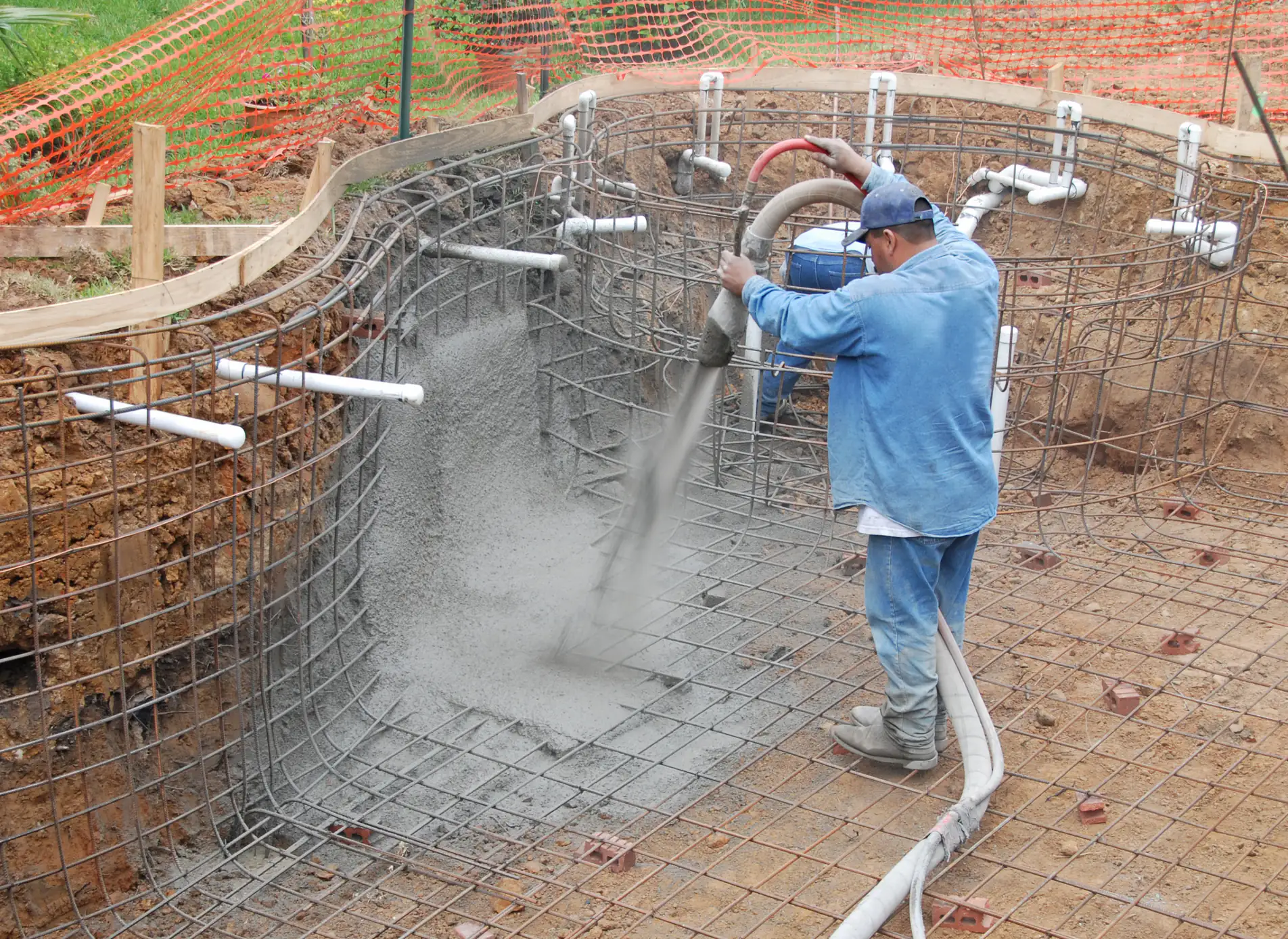
This claim comes directly from fiberglass pool competitors operating in the South Georgia market, and it’s worth addressing plainly: cracking is a builder failure, not a material failure. A gunite shell that’s engineered for local soil conditions with proper rebar density, correct application thickness, and adequate cure time does not crack from normal ground movement.
The soil in Tift County, where Omega sits, includes sandy loam topsoil layers common in agricultural flatlands and heavier subsoil that responds to moisture changes. Those dynamics are real, and they do affect a pool shell that wasn’t designed with them in mind. The answer isn’t to avoid gunite it’s to build it correctly for the ground it’s going into. Gunite has been the industry standard for custom residential pools since the 1940s. The builders who cut corners on rebar, rush the cure, or apply the shell too thin are the ones producing the cracked pools that fiberglass companies photograph for their websites.
For most residential gunite pool projects in Omega and the surrounding Tift County area, you’re looking at a range of $75,000 to $150,000 depending on size, shape, depth, features like waterfalls or tanning ledges, and site-specific conditions on your property. The national average for a gunite pool sits around $100,000, and South Georgia pricing generally tracks close to that range.
Annual maintenance typically runs $2,700 to $4,000 per year. Resurfacing on a quality build comes around every 10 to 15 years, not the three to seven years you’ll hear quoted by competitors referencing poorly built pools. The homeowners who end up paying the most over time are almost always the ones who chose the lowest bid upfront. A builder who quotes significantly below market isn’t finding efficiencies they’re cutting something, and you’ll find out what when problems show up two years in.
Pool permits in Omega run through Tift County Community Development Services not a city building department. Omega is one of only two incorporated cities in Tift County (along with Ty Ty) whose permitting is handled at the county level. That office manages building permits, electrical permits, plan review, and inspections for pool construction projects in Omega.
In practice, that means your builder needs to be familiar with the Tift County process specifically not just Georgia permitting in general. We handle the entire permit process in-house: application, coordination with the county office, scheduling all required inspections, and ensuring the build meets the 2024 International Swimming Pool and Spa Code with Georgia Amendments and NEC Article 680 for electrical bonding and grounding. You don’t track paperwork or make calls to county offices. That’s handled before your first shovel goes in the ground.
The honest answer is three to six months from contract to completion. Most builders in South Georgia will quote you eight to twelve weeks. That number sounds better in a sales conversation, but it almost never reflects reality and when a builder tries to hit that timeline, the thing that gets rushed is cure time, which is the single most important phase in gunite construction. A shell that isn’t allowed to cure properly develops surface problems within a few years, not decades.
For Omega homeowners, the best time to start the process is fall or early winter September through February. Permit queues at Tift County Community Development Services are shorter, construction crews are more available, and you’re set up to have a finished pool ready for April when temperatures in south-central Georgia start climbing back into the 80s and 90s. Starting in spring when everyone else is calling means longer waits and a real chance you’re swimming in late summer at best.
For a homeowner in Omega who wants a fully custom pool specific shape, depth, features, and dimensions that fit your actual property gunite is the only option that delivers that level of customization. Fiberglass pools come in manufacturer-set shapes and sizes. You choose from what’s available, not what you want.
Beyond customization, the durability argument for gunite in South Georgia is straightforward when the pool is built correctly. A properly engineered gunite shell handles the moisture-driven soil movement common in Tift County’s agricultural flatlands without cracking. It doesn’t require liner replacement every five to nine years like a vinyl pool. And it doesn’t carry the structural limitations of a fiberglass shell on larger or irregularly shaped builds. The trade-off is that gunite requires a more involved construction process and a longer build timeline which is exactly why choosing the right builder matters more with gunite than with any other pool type.
This is one of the most overlooked questions in the pool buying process, and it matters more in a rural area like Omega than it does in a larger metro. Finding a qualified pool service technician in south-central Georgia after your pool is built isn’t always straightforward and if your builder doesn’t service what they build, you’re starting from scratch the first time something needs attention.
We service every major residential pool equipment brand Hayward, Pentair, Jandy, Sta-Rite, and Zodiac and maintain pools across South Georgia after construction. That means the team that built your pool is the same team that knows your equipment, your plumbing layout, and your system configuration when you call. You’re not explaining your setup to someone who’s never seen it. For Omega homeowners who plan to stay in their property long-term which describes most of the community having one point of contact from build through maintenance is a practical advantage that shows up every time something needs attention.