
Hear from Our Customers
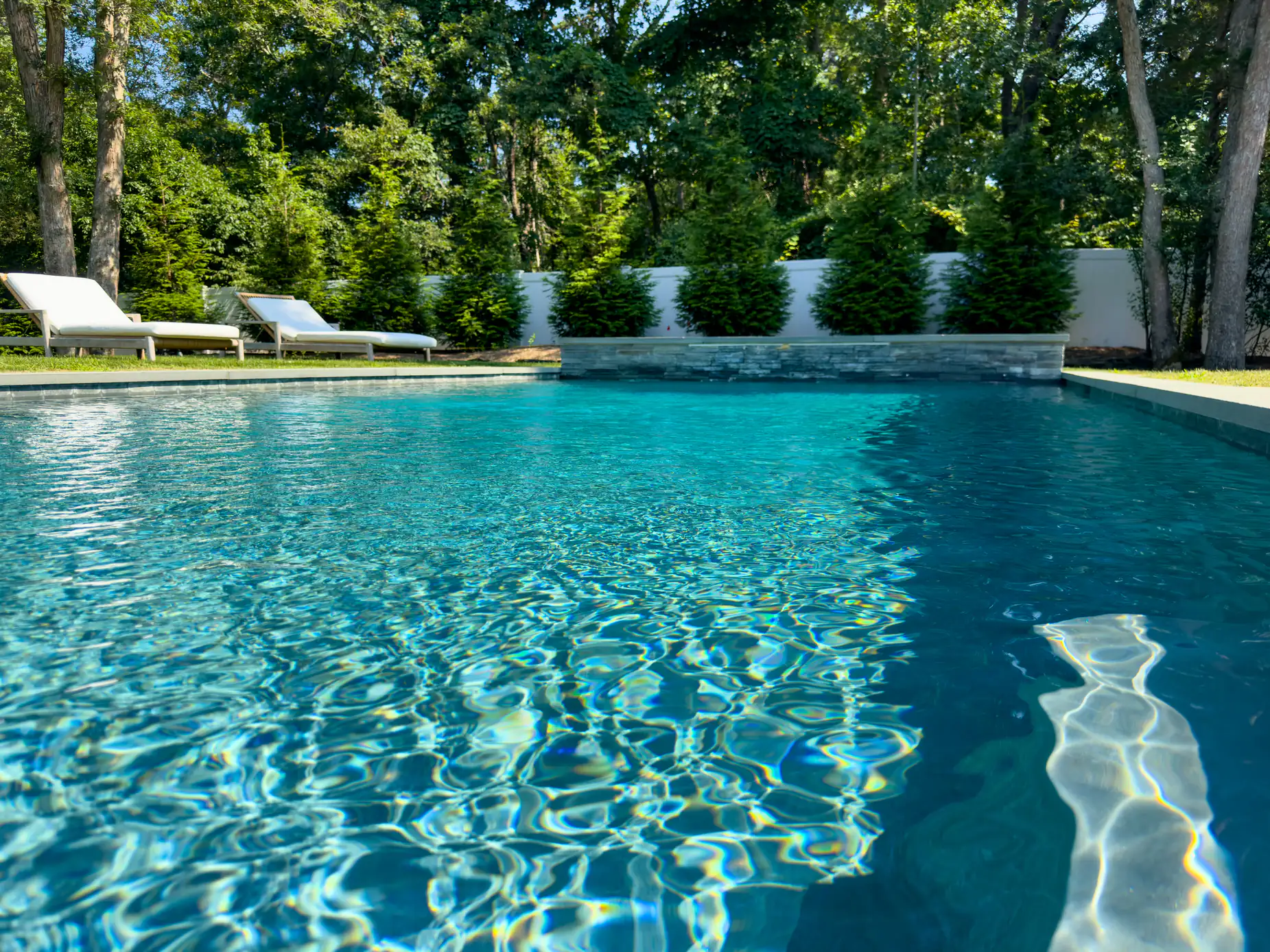
Rural properties around Sapps Still have something most suburban homeowners don’t space. Real space. Room for a pool that fits the land, not the other way around. No HOA dictating your shape. No neighbor’s fence crowding your deck. When we build a gunite pool right here, it becomes the kind of outdoor space your family actually uses not something you look at from the window.
Coffee County’s soil is not forgiving to a poorly built pool shell. The clay-bearing soils in the northern part of the county expand and contract with every rain cycle, and that movement will find every weak point in a shell that wasn’t engineered for it. A properly built gunite pool with the right rebar density, the right bond beam thickness, and a structural design that accounts for South Georgia soil handles that movement without cracking. That’s just what the engineering difference looks like over 20 years.
South Georgia’s swimming season runs from April through October. That’s close to seven months of use from your own backyard, in a climate where July highs regularly hit the low 90s with humidity that makes every afternoon feel like a reason to be in the water. A gunite pool on a Sapps Still property isn’t a luxury add-on it’s one of the most practical investments you can make in land you already own.
We’re based in Douglas the Coffee County seat, right down US-441 from Sapps Still. That’s not a coincidence. When your builder is headquartered in the same county where your pool gets permitted, inspected, and built, the accountability works differently than it does with a company driving in from Tifton or Valdosta.
Our team brought over 30 years of hands-on concrete, plumbing, and pool construction experience before Deep Waters Pools was ever founded. That background shapes how every project runs no subcontractors at any phase, in-house permit handling through Coffee County Code Enforcement in Douglas, and the same crew from excavation through final finish. The people who dig the hole are the people who pour the shell.
We started this company specifically because Sapps Still families and other Coffee County property owners kept getting burned by contractors who disappeared after the deposit. That’s the reason the process looks the way it does and it hasn’t changed.
It starts with design. Before anything touches your property, you’ll see your pool in a 3D rendering every shape, every depth, every feature set in the context of your actual backyard. What you approve in the rendering is what gets built. There’s no guessing, and there’s no gap between what you imagined and what shows up on your land.
Once design is finalized, we handle every permit required by Coffee County Code Enforcement in Douglas. Because Sapps Still is unincorporated, all pool construction permits building, electrical, and every required inspection run through the county, not a city building department. That process is handled entirely in-house. You don’t call our office, track paperwork, or schedule inspectors. We do it.
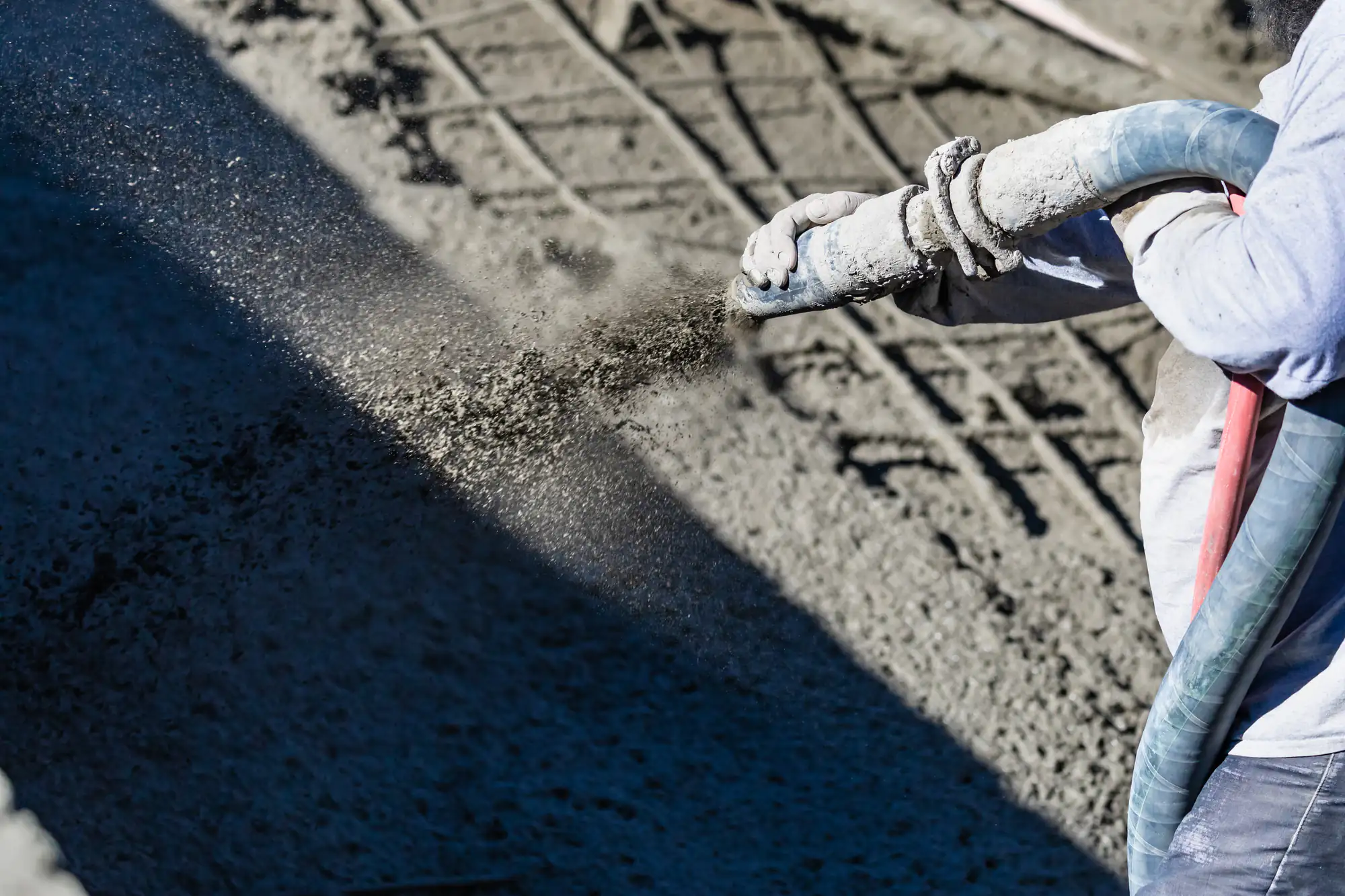
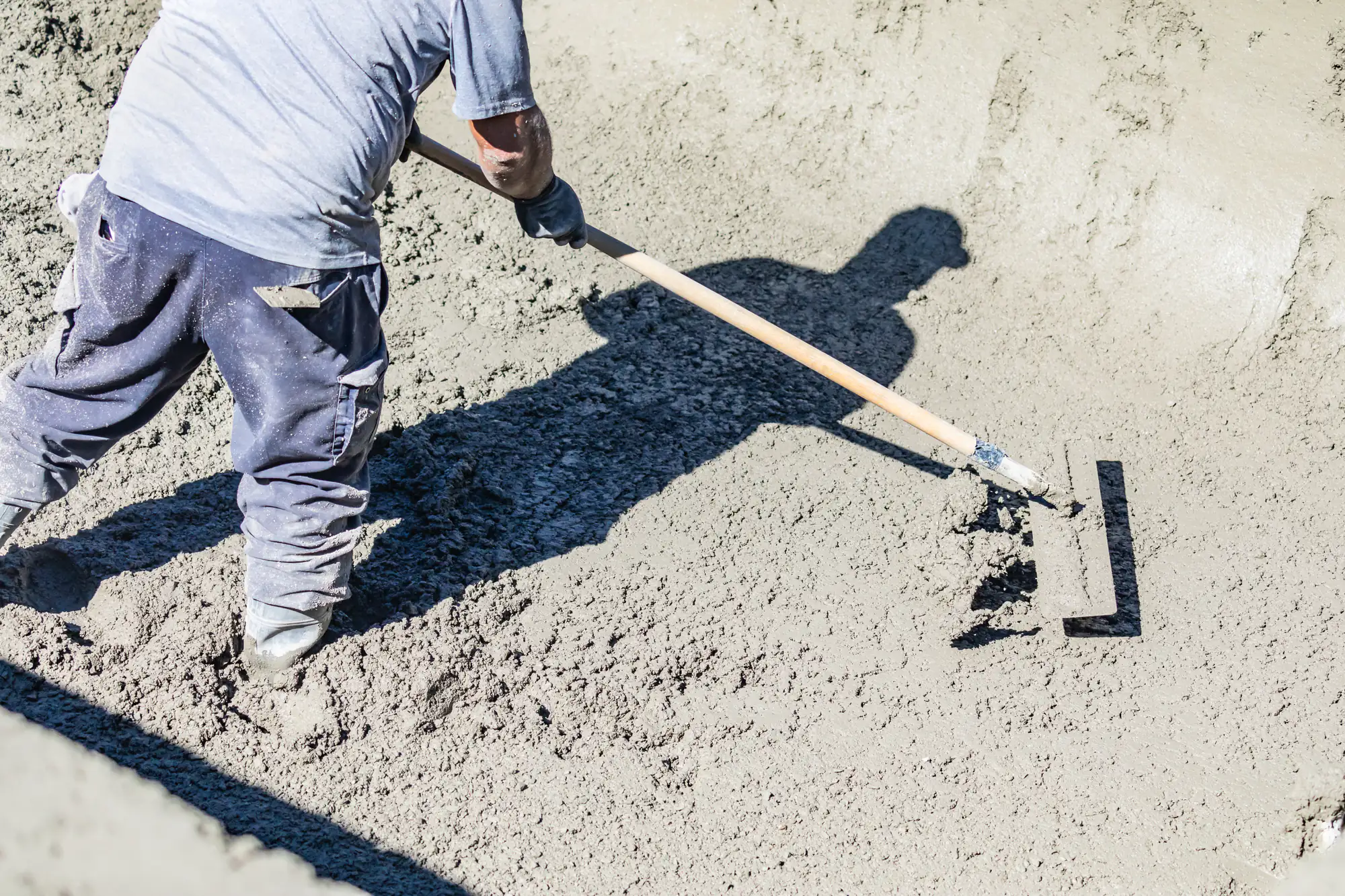
Construction follows a single-crew model from start to finish. Excavation, rebar installation, gunite application, plumbing, electrical bonding to NEC Article 680, surface finishing, and decking are all performed by the same Deep Waters team. On rural properties in the northern Coffee County corridor, site conditions can vary soil composition, grade changes, tree proximity and having one crew that knows your specific lot from day one makes a real difference in how the project runs. Realistic build timelines in this area run three to six months. That’s the honest range, not a number designed to get you to sign.
Ready to get started?
Gunite is the right material for this part of South Georgia not because it’s the most marketed option, but because it’s the most adaptable one. We can build it in any shape, any depth, and any configuration your property calls for. Vinyl liner pools need replacement every five to nine years. Fiberglass pools are limited in size and shape. A properly built gunite shell, engineered for Coffee County’s soil conditions, carries a functional lifespan measured in decades not replacement cycles.
Every build we do includes structural engineering specific to your site. For properties around Sapps Still, that means accounting for the clay-bearing soils that run through the northern county corridor the same soils that cause problems in pools that weren’t designed with them in mind. The bond beam is built to 12 inches. Rebar density is not cut to save time. These aren’t optional upgrades they’re the baseline for a shell that holds up in this climate and on this ground.
Beyond construction, we service all major equipment brands Hayward, Pentair, Jandy, Sta-Rite, and Zodiac and offer ongoing maintenance once your pool is running. That means the company that built your pool is the same one keeping it running five, ten, and fifteen years from now. For a property owner in an unincorporated rural area without a dozen service providers down the street, that continuity matters more than most people realize until they need it.
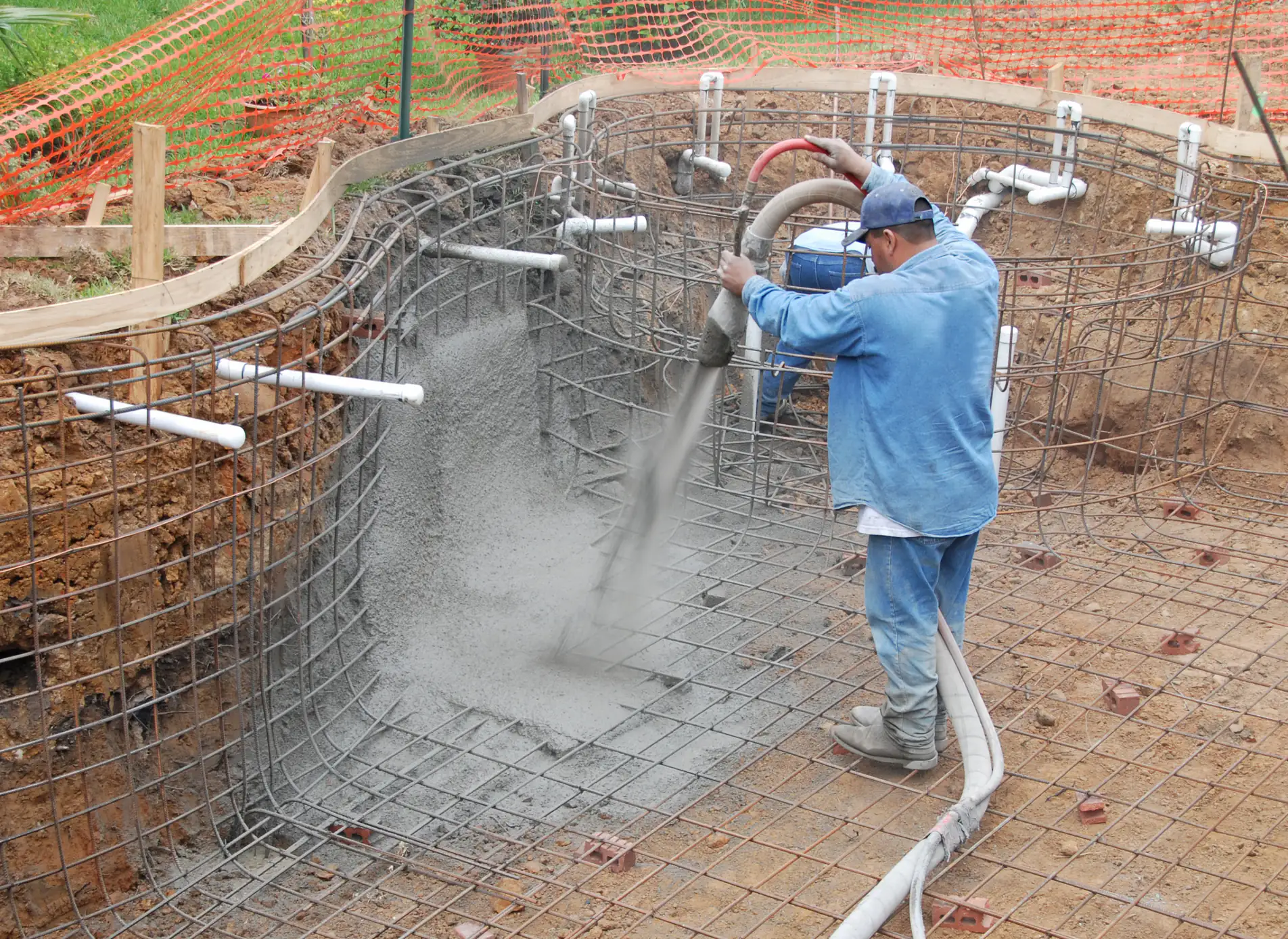
This question comes up a lot in South Georgia, and it deserves a straight answer. Cracking is a builder failure, not a material failure. The clay-bearing soils in the northern Coffee County corridor including the area around Sapps Still and Broxton do expand and contract with moisture changes throughout the year. That movement is real, and it will find every structural weakness in a pool shell that wasn’t engineered to handle it.
The difference is in how the shell is built. A gunite pool with adequate rebar density, a properly sized bond beam, and a structural design that accounts for the specific soil conditions on your property handles that seasonal movement without cracking. We’ve spent decades building in South Georgia soil. Soil-specific engineering isn’t an add-on here. It’s the starting point.
For a custom residential gunite pool in the Coffee County area, the realistic range runs from $75,000 to $150,000 depending on size, depth, features, and site conditions. That range reflects what a quality build actually costs in this market not a lowball number designed to get you in the door before the real price surfaces.
A few factors specific to rural properties in the Sapps Still area can affect where you land in that range. Larger lots sometimes involve more complex excavation grade changes, tree proximity, or soil variation that requires additional site prep. Custom features like spas, waterfalls, and extended decking add cost, but they also add the most to daily use and long-term property value. Georgia pools typically add around 7% to property value upon completion. That’s useful context when you’re weighing the investment against what you already own.
The honest timeline for a custom gunite pool build in South Georgia is three to six months from permit approval to water in the pool. Some builders will tell you eight to twelve weeks. That number is optimistic under ideal conditions and rarely reflects reality on a rural property with any site complexity.
In the Sapps Still area, a few things can affect the timeline. Coffee County Code Enforcement in Douglas issues all permits for unincorporated areas, and inspection scheduling runs on the county’s timeline not the builder’s. Site conditions on larger rural lots can also introduce variables that suburban builds don’t face. The best time to start the process is fall or winter, when permit queues are shorter and crew availability is higher. That puts your pool ready for the following spring which in Coffee County means you’re in the water by April, right as the heat starts building toward another South Georgia summer.
Because Sapps Still is an unincorporated community, there’s no city building department involved. All pool construction permits building permit, electrical permit, and every required inspection are issued and managed by Coffee County Code Enforcement in Douglas. That office explicitly handles swimming pool permits as part of its standard process.
We manage this entire process in-house. You don’t call the county office, track down forms, or coordinate inspection schedules. The permit applications are filed, the fees are handled, and the inspections are scheduled and passed by the same team building your pool. This matters more than it might seem unpermitted pools can result in fines, create complications when you sell the property, and leave you legally exposed if something goes wrong. Having a builder who knows the Coffee County permit process cold and handles it without putting that burden on you is one of the most practical advantages of working with a locally based contractor.
For a rural property in the Sapps Still area, gunite is the stronger choice and the reason isn’t abstract. Fiberglass pools come in fixed shapes and sizes. If your lot has a specific grade, a tree line that dictates placement, or a vision that doesn’t fit a manufacturer’s catalog, fiberglass limits your options before the conversation even starts. We can build gunite in any shape, any depth, and any configuration your property calls for.
On the longevity side, a properly built gunite shell has a functional lifespan of 50 years or more. The resurfacing interval on a quality build runs every 10 to 15 years not the 3 to 7 years sometimes cited by sources with a stake in selling you something else. Fiberglass pools can develop gel coat issues, osmotic blistering, and color fade over time, and they’re more susceptible to movement in expansive soils. For Coffee County’s clay-bearing ground, a gunite shell engineered for that soil is the more durable long-term investment.
Annual pool maintenance for a residential gunite pool in the Coffee County area typically runs between $2,700 and $4,000 per year, depending on the size of your pool, how heavily it’s used, and what equipment it’s running. That covers chemical balancing, equipment checks, and routine service the ongoing work that keeps a pool clean, safe, and running efficiently through a South Georgia swimming season that stretches nearly seven months.
One thing worth knowing for rural properties in this area: South Georgia’s storm activity including tropical remnants that move inland from the Gulf and Atlantic can introduce debris and chemical disruption that requires attention after significant weather events. Having a service provider who knows your specific pool and equipment, rather than a rotating crew that’s never seen your setup before, makes that kind of reactive maintenance faster and more reliable. We service all major equipment brands and provide ongoing maintenance for the pools we build so the team that knows your pool from the ground up is the same team keeping it running year after year.