
Hear from Our Customers
When a pool is built right, it stops being a project and starts being the best part of your property. Six to seven months of South Georgia heat from April through October and your backyard becomes the place your family actually wants to be.
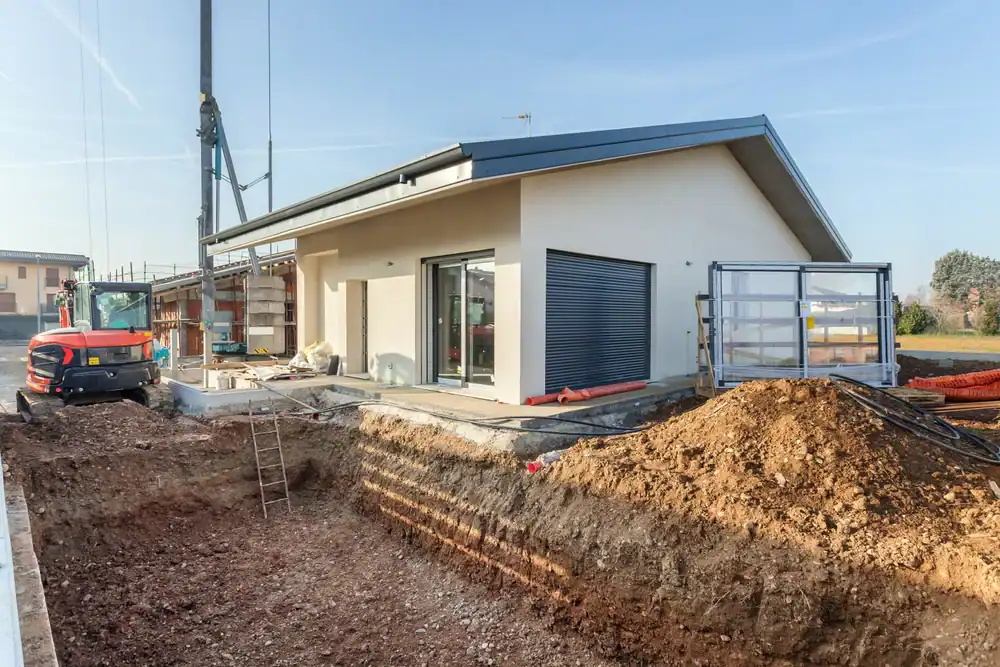
Out here near Ambrose and the Satilla River corridor, soil conditions and water tables aren’t something you can ignore. Properties in this part of the Lower Coastal Plain can have mixed compositions that shift, drain poorly, or hold water after heavy rains. A pool that wasn’t engineered for those conditions will show it cracks, movement, deck erosion. A concrete pool built with reinforced steel and proper site drainage holds its ground regardless of what the weather does.
Most rural properties in the 31512 ZIP code run on private septic systems, which adds a layer to the permit process that catches a lot of homeowners off guard. When that step is handled for you along with every other permit interaction the whole project moves forward without you spending your evenings figuring out which Coffee County office to call. You just watch it get built.
We’re based in Douglas the Coffee County seat, about ten miles up US-221 from Ambrose. Our founders came into this business with over thirty years of hands-on experience in concrete, plumbing, and pool construction before Deep Waters Pools opened its doors in 2014. That background matters when your property sits in Wiregrass Georgia, where the ground, the drainage, and the local code all have their own personality.
This isn’t a franchise. There’s no out-of-market office routing your call through a regional rep. When you reach out to us, you’re talking to the people who will actually design and build your pool. We know the Coffee County Building Department. We know the Environmental Health office. We’ve worked properties all across this county, and we’ll work yours the same way carefully, transparently, and without disappearing after the deposit clears.
It starts with a conversation about your property and what you want. From there, we put together a 3D design rendering of your specific yard so you can see the pool the shape, the spa if you’re adding one, the patio layout before a single shovel moves. On a rural acreage lot outside Ambrose, you’ve usually got real space to work with, and that design phase is where you figure out exactly how to use it.
Once the design is locked in, permitting begins. For properties in the 31512 area on private septic systems, that includes coordinating with Coffee County’s Environmental Health department to confirm the pool placement doesn’t interfere with your drain field a step that’s required by Georgia law and one that many homeowners don’t know exists until it stalls their project. We handle all of it: boundary surveys, site plans, building department applications, the works.
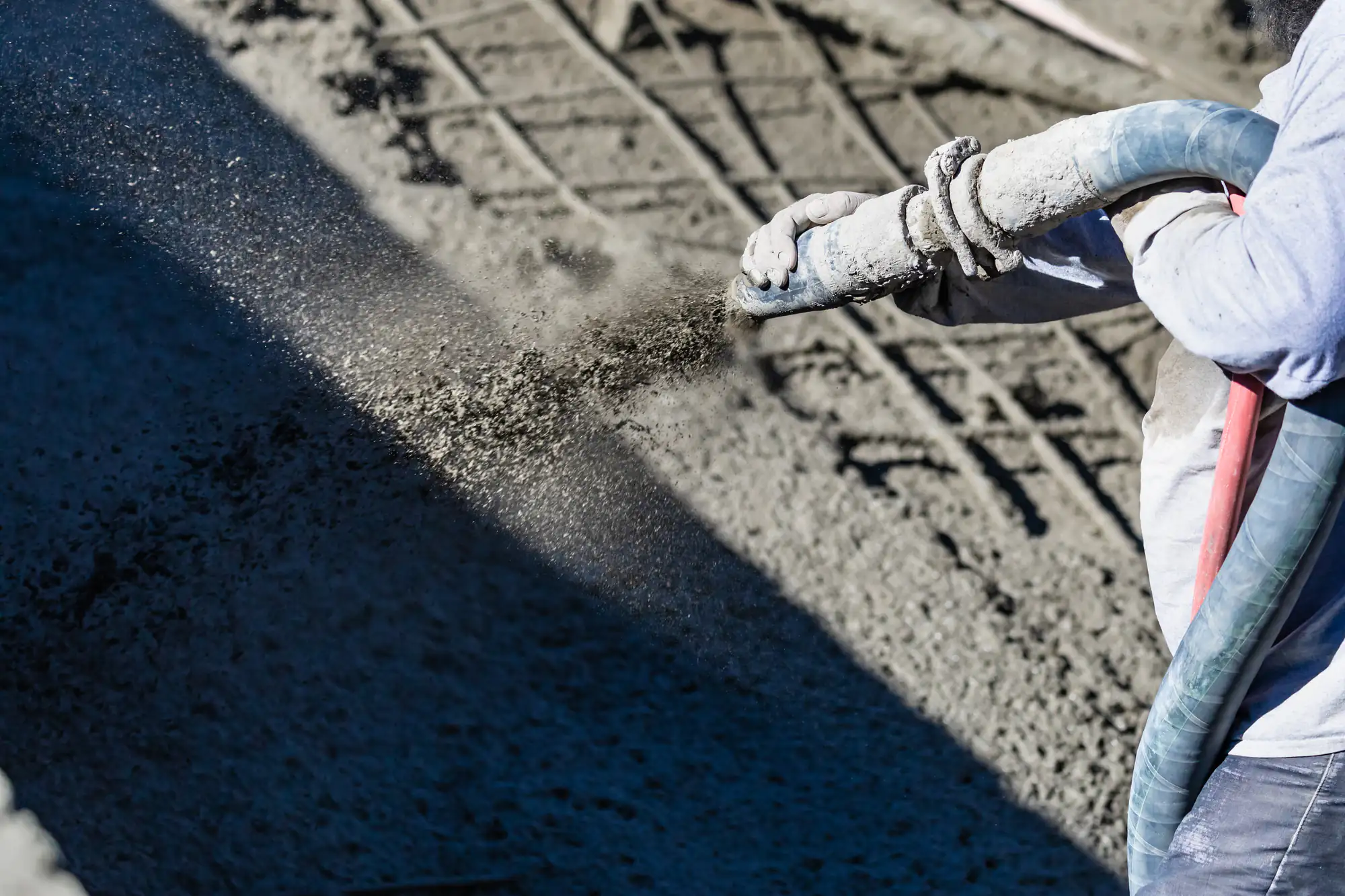
Construction follows the permit approval. The pool is formed and poured in reinforced concrete, with the steel framework and drainage engineered for your specific site conditions. When it’s done, you get a custom-fitted safety cover built for your pool’s exact shape that’s included standard, not added on later. The process is methodical because the end result has to hold up for decades, not just look good on day one.
Ready to get started?
Every pool we build is custom inground concrete no fiberglass, no vinyl liner. That’s a deliberate choice. Fiberglass pools can shift or pop in high-water-table conditions, which is a real risk in parts of Coffee County near the Satilla River. Vinyl liners wear out and need replacement every seven to ten years. Concrete, done right, gets stronger over time and is built to match the specific demands of your site not a generic template applied to every yard in every county.
The full build includes 3D design, complete permit handling, concrete and steel construction, spa and patio options, and a custom safety cover fitted to your pool’s exact dimensions. If you want weekly maintenance after the build, that’s available too keeping your water balanced and your equipment running without it becoming a second job on your weekends.
We also handle commercial swimming pool builds and larger residential projects for properties that need more than a standard backyard pool. Whether you’re on a few acres off a county road near Ambrose or running a property that needs a commercial-grade installation, the process and the standard of work are the same. No shortcuts based on project size.
Yes Georgia requires a permit for any inground pool, and Coffee County is no exception. The process involves submitting a site plan that shows your property boundaries, the pool’s location, distances to property lines, and fencing or barrier details that meet Georgia’s safety code requirements. The state follows the International Swimming Pool and Spa Code as its base standard, with local county amendments layered on top.
For most rural properties near Ambrose, there’s an additional step that surprises a lot of homeowners: if your property uses a private septic system which most homes in the 31512 ZIP code do you’ll need Environmental Health department approval before the building permit can be issued. That approval confirms your pool placement won’t interfere with your existing septic tank and drain field. It’s a real requirement, and skipping it can stop your project cold. We handle every part of this process so you’re not navigating county offices on your own.
Concrete inground pools in Georgia typically start around $70,000 and can reach $150,000 or more depending on size, features, and site conditions. A standard custom build with a patio will generally fall somewhere in the $80,000–$120,000 range, though that shifts based on your specific property and what you’re adding a spa, a sun shelf, extended patio work, or a heating system all factor into the final number.
What matters more than the starting price is what’s actually included. Some quotes look competitive until you see what’s been left out. We give you a transparent price that covers the full scope design, permits, construction, and the custom safety cover that comes standard with every build. No scope creep, no surprise line items after you’ve signed. For a purchase this size, that kind of clarity isn’t a bonus it’s the baseline you should expect from any contractor you’re seriously considering.
Concrete is the most reliable choice for this part of South Georgia. The Lower Coastal Plain geology around Ambrose and the Satilla River corridor means some properties have variable soil compositions, mixed drainage characteristics, and water table conditions that aren’t always predictable from the surface. Fiberglass pools, which are pre-formed shells set into an excavated hole, are particularly vulnerable to hydrostatic pressure in higher-water-table areas meaning they can shift or pop upward when groundwater levels rise after heavy rain.
Concrete pools are formed and poured on-site with reinforced steel frameworks that are engineered for your specific ground conditions. They don’t float, they don’t delaminate, and they don’t require liner replacements. The material itself gets denser and stronger over time. For a homeowner near Ambrose who is building for the long term not planning to flip the house in three years concrete is the only material that makes sense given what the ground here actually does.
From signed contract to a finished pool, most custom inground concrete builds take between three and six months. The biggest variable is the permitting phase. In Coffee County, the timeline depends on how quickly the building department and Environmental Health office process your application and if your property is on a private septic system, that Environmental Health review adds a step that needs to be completed before the building permit is issued.
Weather is another real factor in South Georgia. Heavy rain during excavation or concrete work can cause delays, and the Ambrose area’s proximity to the Satilla River means some sites need extra attention to drainage and site prep before work begins. The best way to protect your timeline is to start the process early most families who want a pool ready for summer start conversations in January or February. By the time permits are approved and construction begins, the timing usually works out well for a late spring or early summer finish.
Generally, yes and the value case is stronger in South Georgia than in most other parts of the country. Nationally, inground pools add roughly five to seven percent to a home’s resale value. In warm-climate markets where the pool is usable for six or more months out of the year, that impact tends to be more pronounced because buyers in these markets actually factor outdoor living into their purchase decisions.
For rural properties in the 31512 ZIP code, the value case is also tied to lot size. A well-designed pool and patio on an acreage property near Ambrose isn’t just a backyard feature it becomes a defining characteristic of the property that sets it apart from comparable listings. The value you get back at resale is only as strong as the quality of the build. A concrete pool that’s been properly engineered and maintained holds its value. A fiberglass pool that’s shifted or a vinyl liner that’s deteriorated does the opposite.
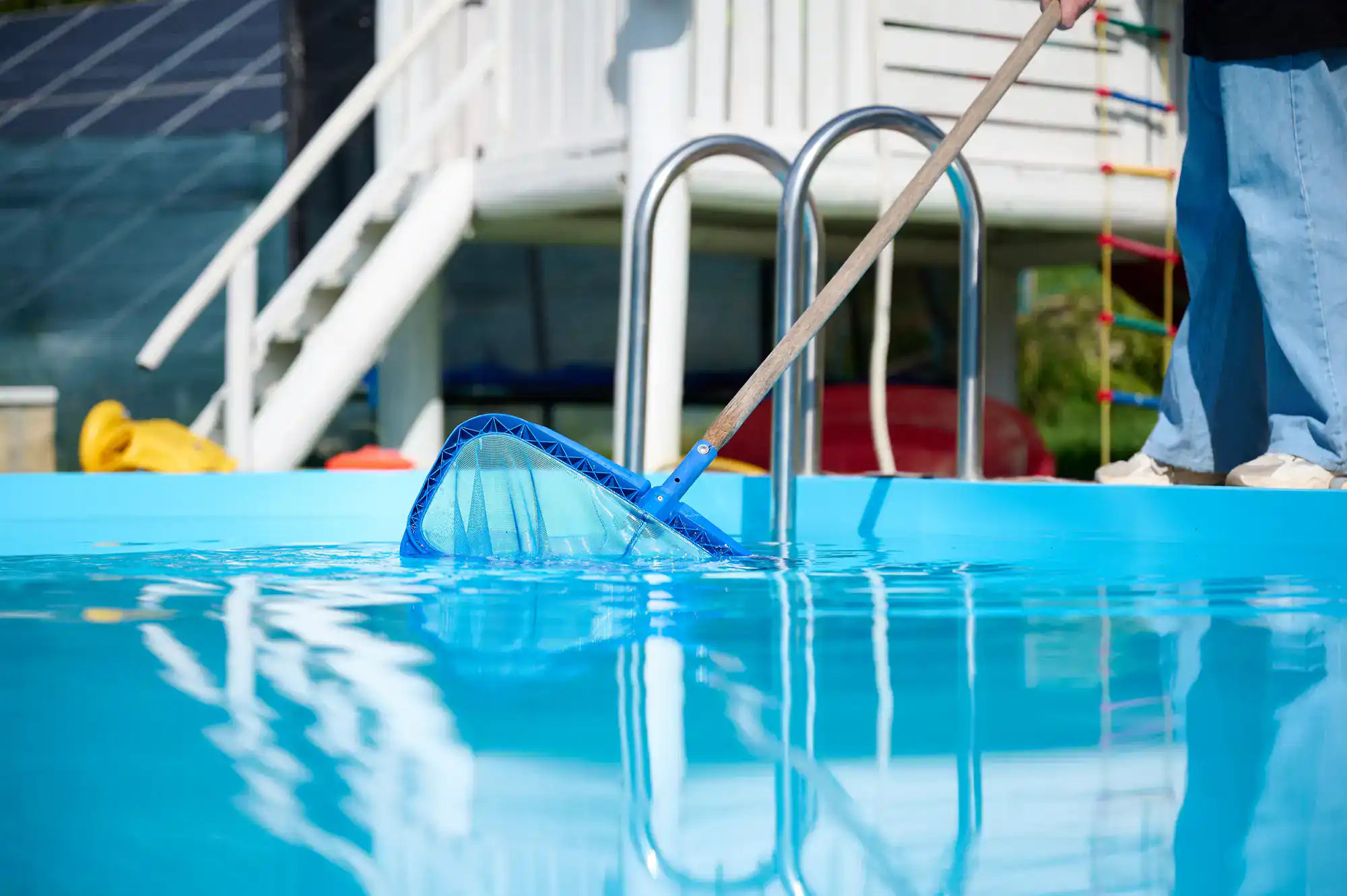
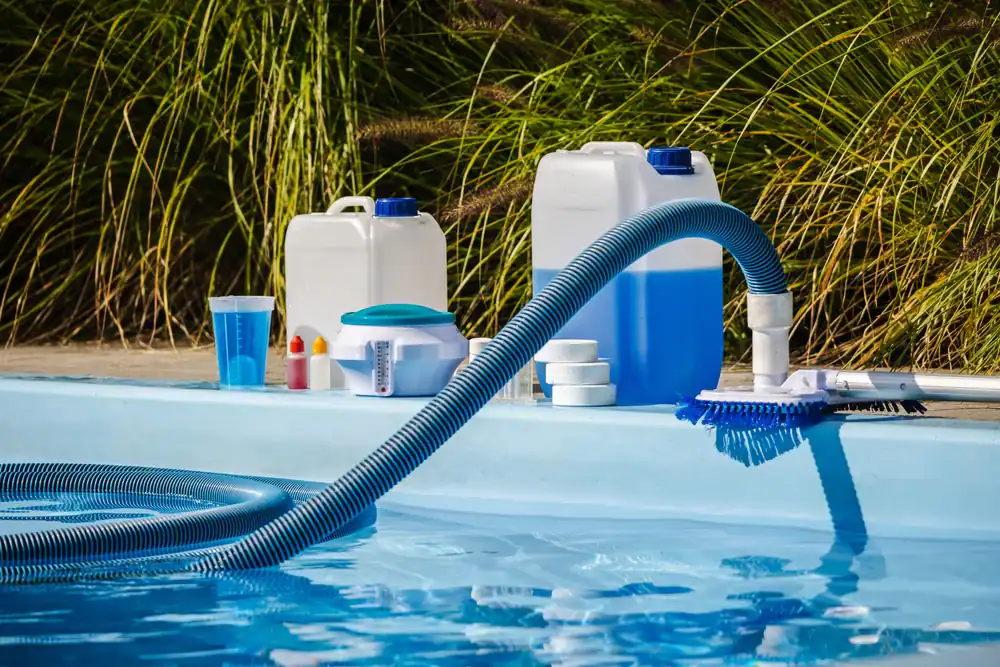
Yes we offer weekly maintenance plans for pools we build, and that continuity makes a real difference. The team that built your pool already knows how it was constructed, what equipment is running, and how the system is set up. When something needs attention, we’re not starting from scratch trying to figure out a stranger’s work.
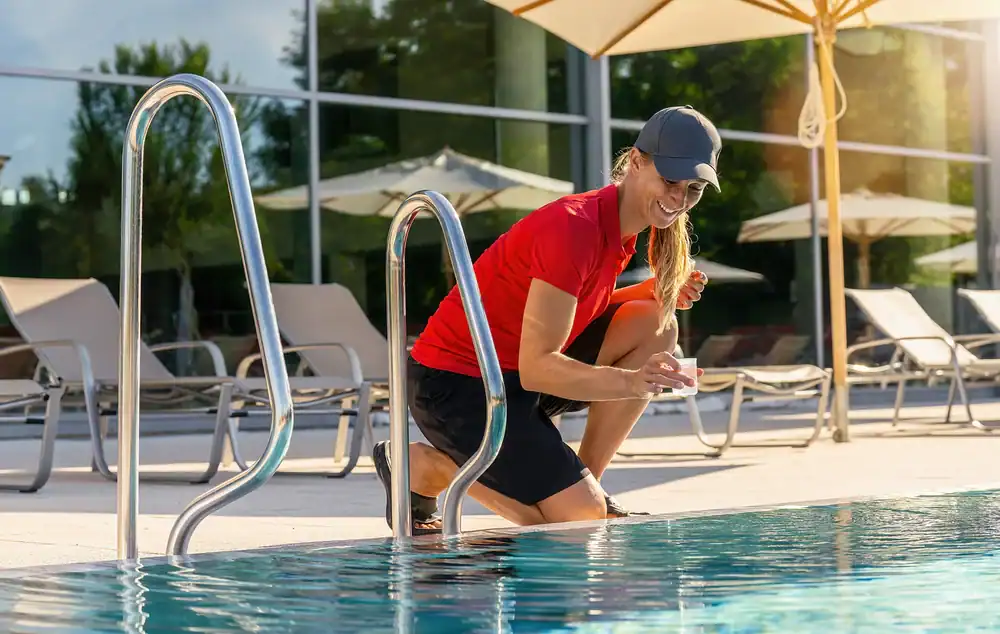
For homeowners near Ambrose who are commuting to Douglas for work whether that’s Coffee Regional Medical Center, one of the schools, or a job in the county’s agriculture or manufacturing sector the last thing you want is to spend your weekend testing water chemistry and cleaning filters. A weekly maintenance plan keeps the pool swim-ready without it becoming a part-time job. It’s also worth noting that consistent maintenance extends the life of your equipment significantly, which matters on a build this size. Catching a small chemical imbalance or a minor equipment issue early is far less expensive than addressing the damage it causes if it goes unnoticed for weeks.