
Hear from Our Customers
Boston’s pool season runs from April through October sometimes longer with a heater or spa. That’s six-plus months of use every year, which means the pool you build here needs to be built right from the start. A concrete pool done correctly doesn’t just look good on day one. It holds its structure, holds its value, and holds up against South Georgia’s heat, humidity, and rainfall year after year.
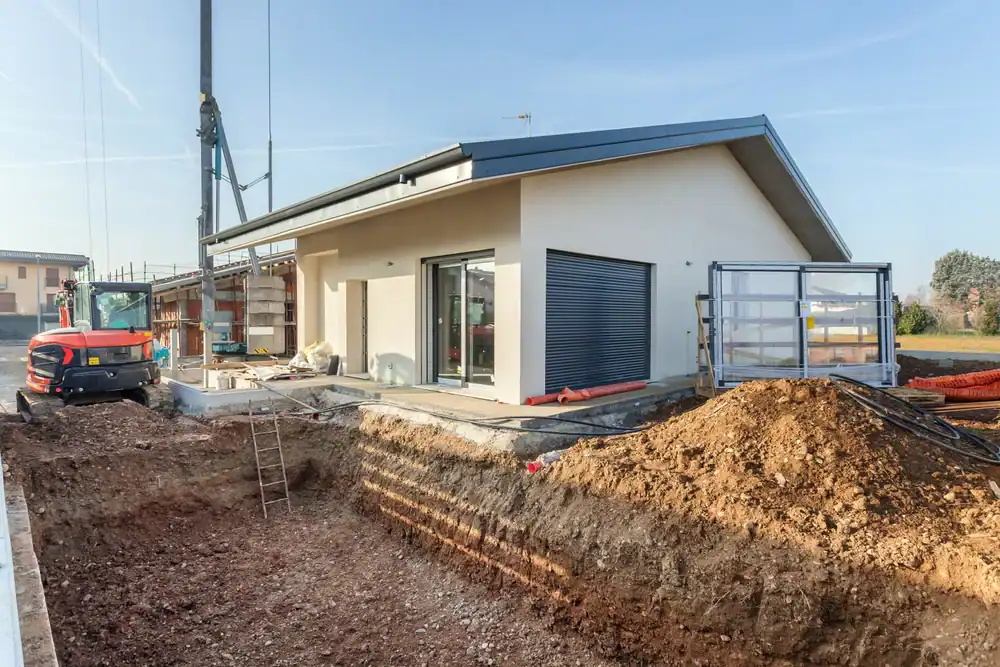
The sandy-loam soils that run through Thomas County’s Coastal Plain behave differently than the red clay you’d find further north in Georgia. If a pool isn’t engineered for the specific ground conditions under your property, you can end up with settling, shifting, or structural issues that show up years down the road. Every pool we build is designed around what’s actually happening below the surface on your lot not a generic construction method borrowed from another region.
And when it comes to home value, a properly built inground pool adds real equity typically 5 to 7 percent of home value nationally. In Boston, where outdoor living is already part of the culture and lot sizes give you the space to do it right, that investment pays off in more ways than one.
We were founded in 2014, but the experience behind Deep Waters Pools goes back more than three decades. The people building your pool didn’t start this company to learn the trade we came in with 30-plus years of hands-on concrete, plumbing, and pool construction already behind us. That matters when you’re making one of the largest home investment decisions of your life.
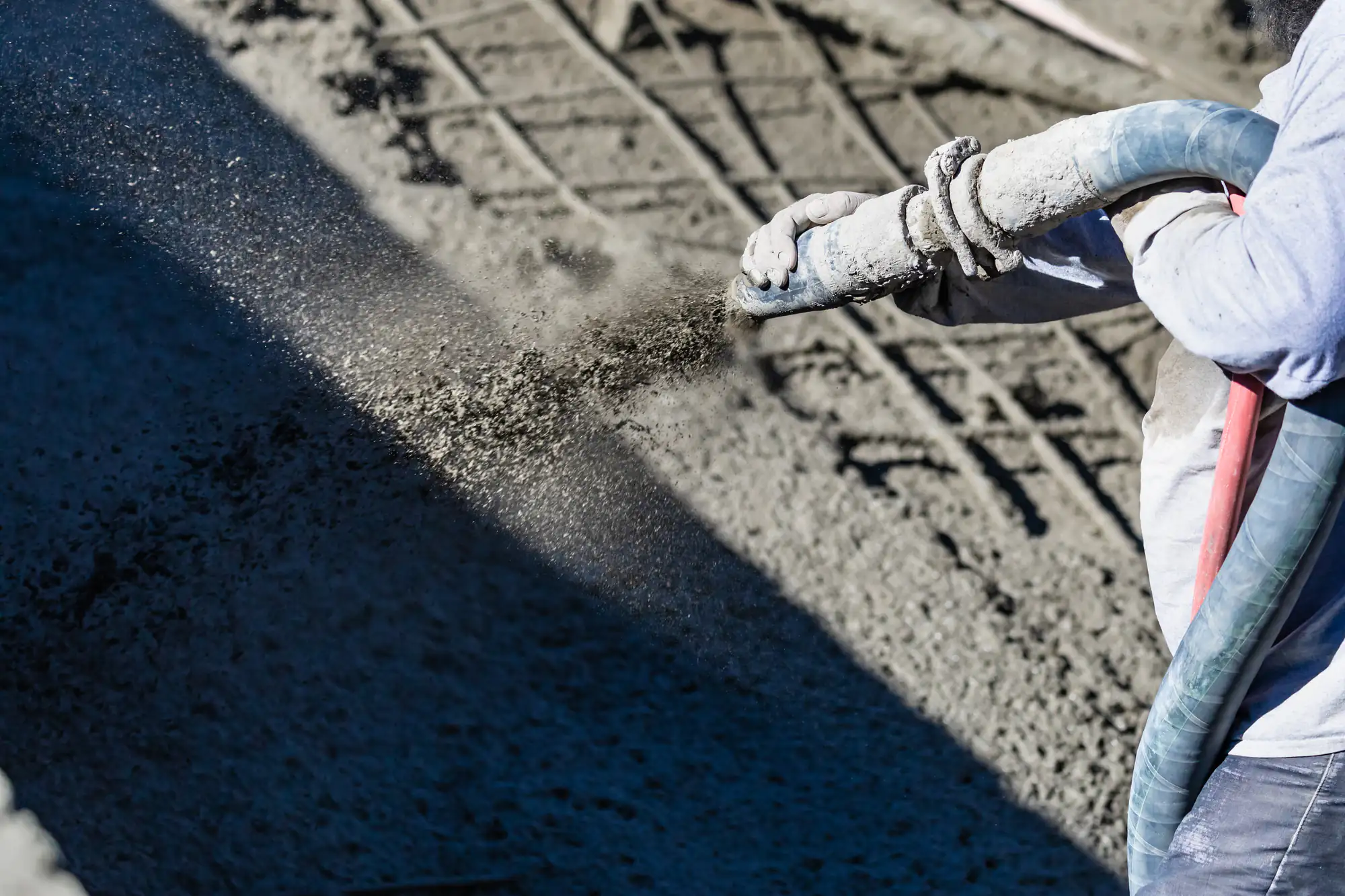
We build exclusively in concrete not fiberglass, not vinyl liner. That’s a deliberate choice. Fiberglass shells can shift in moisture-heavy soil conditions, and vinyl liners need replacing every several years. A concrete pool becomes more durable over time, not less. It’s a permanent structure, and we treat it like one from the first day of excavation to the final inspection.
Boston and the surrounding Thomas County area are well within our service territory. Whether your property sits inside the city limits near the historic downtown or on a larger rural lot off US 84, the process starts the same way with a real conversation about your yard, your goals, and what it actually takes to build a pool that lasts here.
It starts with a design conversation, not a sales pitch. We walk through your yard, your goals, and your budget before anything else. From there, we produce 3D renderings of your actual backyard so you can see exactly what you’re building before a single shovel of dirt moves. Shallow entry for young kids, a sun shelf, an attached spa, water features all of that gets worked out in the design phase, not after construction begins.
Once the design is set, we handle the full permit process. In Thomas County, building an inground pool requires a detailed site plan, setback documentation, barrier and fencing specifications, and multiple inspection phases from steel and plumbing through the final sign-off. Most homeowners have never dealt with a county building permit before, and the process has enough moving parts that an incomplete application can stall a project for weeks. We manage all of it, start to finish.
Timing matters here. The best window to break ground in the Boston area is late winter through early spring January through April so your pool is complete and ready before the summer heat peaks. South Georgia gets meaningful rainfall, and we schedule construction to account for weather delays, particularly during excavation and concrete work. The goal is a finished pool by the time your family is ready to use it, without the scramble that comes from starting too late.
Ready to get started?
Every pool we build is a custom inground concrete pool no catalog options, no fiberglass shells dropped into a hole. The design is built around your actual property, which in the Boston and Thomas County area often means working with larger rural residential lots that have real space for features like attached spas, extended sun shelves, or surrounding patio work. If your lot can support it, the design can include it.
A custom-fitted safety cover comes standard on every build. This isn’t an add-on or an upsell it’s included because a permanent structure in a family’s backyard comes with real responsibility. The cover is engineered to fit the exact geometry of your pool, not a generic shape.
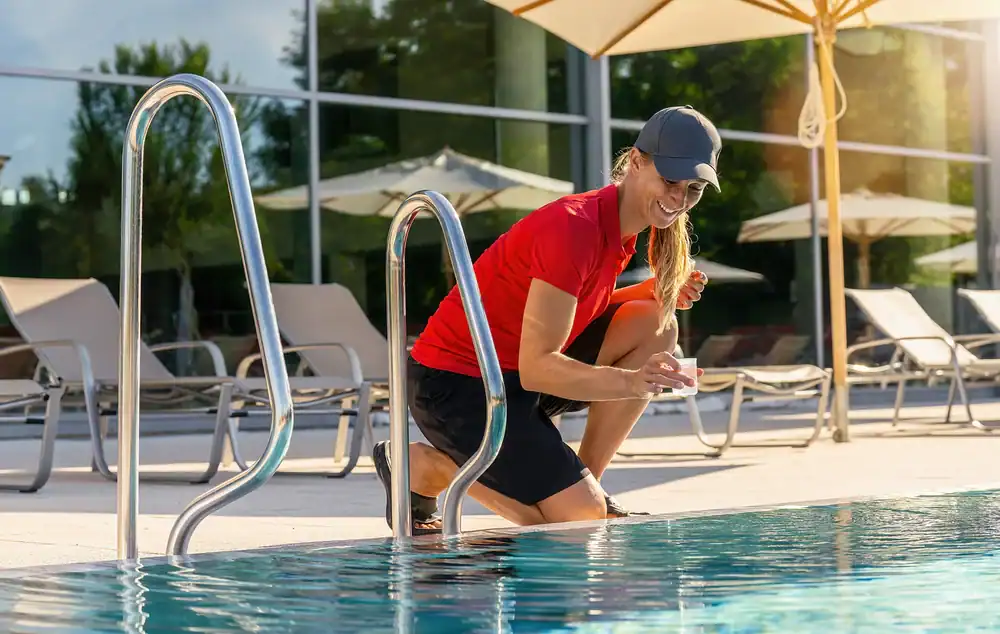
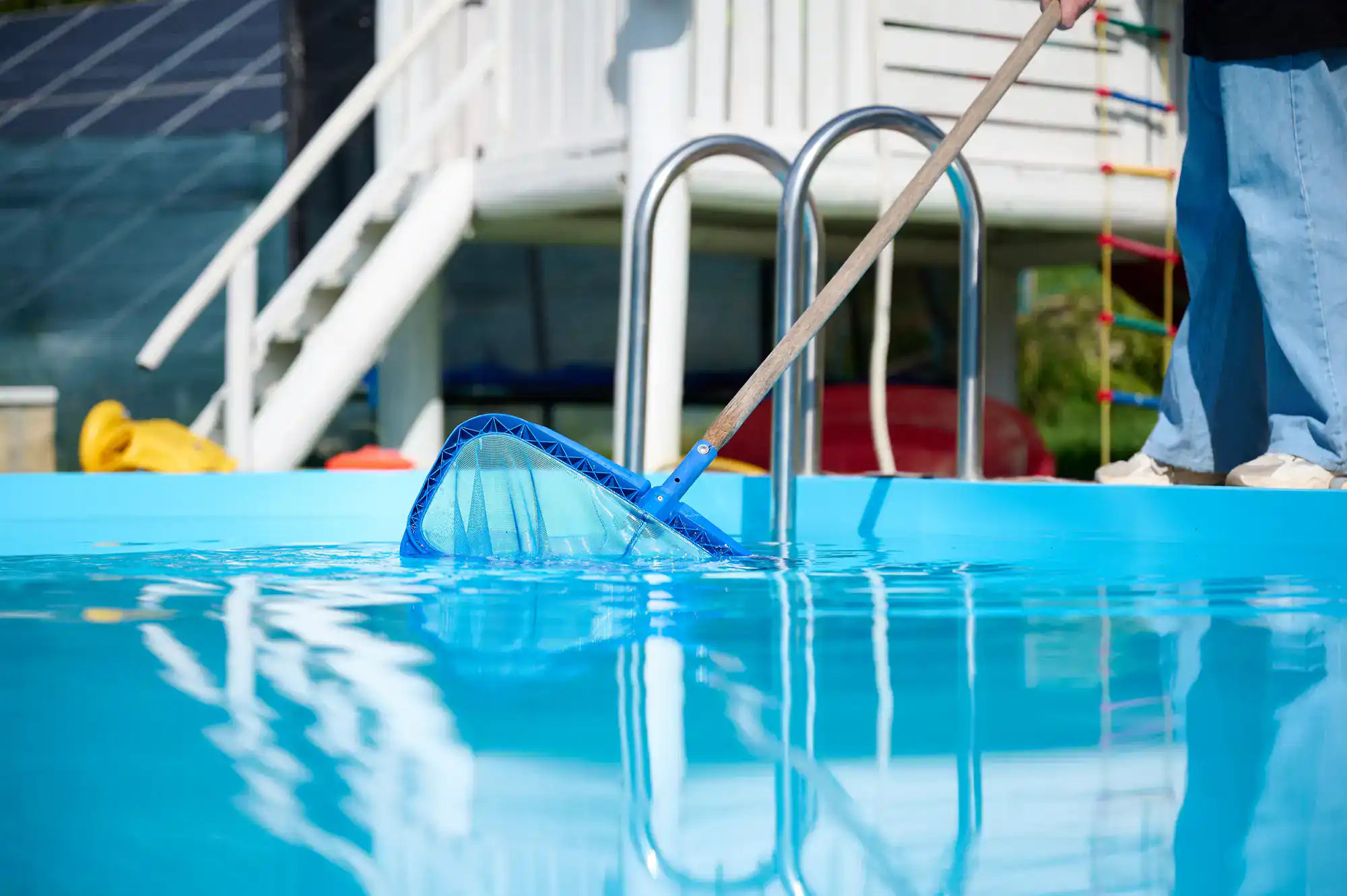
Beyond construction, we offer weekly maintenance plans that keep your water balanced, your equipment running, and your pool swim-ready through the entire Thomas County pool season. For Boston homeowners who work full weeks and want their backyard to be a place to unwind not another thing to manage this ongoing service relationship makes a real difference. You get one company that builds your pool and keeps it running, without having to track down a separate service provider once construction wraps up.
Yes and it’s more involved than most people expect. In Georgia, residential inground pool construction requires a building permit before any work begins. For properties within Boston’s city limits, that goes through the City of Boston. For properties in unincorporated Thomas County, the Thomas County Building Department handles jurisdiction. Either way, the permit process involves a detailed site plan showing property boundaries and proposed pool placement, setback distances from property lines, pool dimensions and depth specs, equipment locations, and fencing or barrier details that comply with Georgia’s pool safety requirements.
Georgia transferred control of specific pool fencing rules to local governments in 2009, so Thomas County and the City of Boston set their own requirements on fence height and type. Most jurisdictions require lockable fencing at least four feet high around pools deeper than two feet. There are also multiple inspection phases before excavation, during steel and plumbing, and at final completion. We manage this entire process on your behalf, from the initial application through the final inspection sign-off. You don’t have to navigate the county offices yourself.
In the Thomasville and Thomas County area, inground pool costs generally range from around $55,000 to $100,000 for a quality custom concrete build. That range shifts depending on size, depth, features like spas or water elements, surrounding patio work, and the specific conditions of your lot. Larger rural residential properties near Boston sometimes allow for more expansive designs, which can push the number higher. On the lower end, you’re looking at a well-built standard pool without a lot of extras.
What matters most is knowing what’s in the number before you sign anything. We use transparent, itemized pricing the quote you receive reflects the pool being built, not a lowball figure designed to get you in the door before the real costs appear. There are no surprise change orders mid-project, and no scope creep dressed up as necessary upgrades. If you’re financing this investment, which many Thomas County homeowners do, knowing the real number upfront is the only way to plan responsibly.
For Thomas County’s Coastal Plain environment, concrete is the most durable long-term choice. The sandy-loam soils in this part of South Georgia are generally well-draining, which reduces some of the water-table pressure that causes fiberglass shells to pop out of the ground in high-moisture areas. But sandy soils can still shift and settle over time if the excavation isn’t properly supported and backfilled. A concrete pool, built with a reinforced steel framework and engineered for the specific ground conditions on your lot, handles that movement far better than a prefabricated shell.
Fiberglass pools are marketed on speed and low maintenance, but they come with real trade-offs limited shape options, potential for surface issues over time, and the fact that you’re working with a manufactured shell rather than something built for your specific property. Vinyl liner pools require liner replacement every several years, which adds recurring cost that erodes the original value of the investment. Concrete, done right, doesn’t have those problems. It’s a permanent structure that gets more solid over time, not less which matters in a climate where your pool is in active use for six or more months every year.
From permit approval to final inspection, a custom inground concrete pool typically takes several months to complete. The exact timeline depends on the complexity of the design, the size of the pool, and how quickly the permitting process moves through Thomas County or the City of Boston. Weather is also a real factor in South Georgia the region gets significant annual rainfall, and excavation and concrete work phases have to be scheduled around it. A builder who doesn’t account for weather in their timeline is setting up a project for delays.
The best way to hit the summer swim season is to start the process in late fall or early winter. That means design conversations and permit applications happening in November through January, with a target to break ground in February or March. Boston’s pool season peaks from June through August, and families who start the process early enough consistently finish before the heat arrives. We communicate milestone timelines throughout the project so you always know where things stand not just at the beginning and the end.
Generally, yes a well-built inground pool adds measurable equity to a home. Nationally, the average increase is around 5 to 7 percent of home value. In Boston and the broader Thomas County area, the value argument is supported by a few local factors. The climate here supports a long pool season April through October for most families which means the pool gets real, consistent use rather than sitting idle for most of the year. A pool that’s usable for six-plus months annually is a more compelling feature to future buyers than one that’s practical for only a few weeks.
Lot size also plays into it. Boston-area homeowners with larger rural residential properties have the space to build a pool that genuinely enhances the outdoor living experience rather than crowding the yard. A thoughtfully designed concrete pool with surrounding patio space becomes part of what the property is not just an add-on. That integration is what drives lasting value, and it’s why the quality of the build matters as much as the decision to build at all.
Georgia requires pool construction contractors to hold a valid license through the Georgia State Licensing Board for Residential and General Contractors. This isn’t a formality it’s the legal and insurance foundation that protects you if something goes wrong during or after construction. An unlicensed contractor operating in Thomas County or anywhere else in Georgia leaves you without those protections, and in a smaller market like Boston where local options are limited, it’s easier than it should be for underqualified operators to pick up work.
The simplest way to verify a contractor’s license is to search the Georgia Secretary of State’s license lookup tool online. You can search by business name or license number and confirm the license is active and in good standing. Beyond licensing, ask for proof of general liability insurance and confirm the contractor pulls permits in their own name not yours. A legitimate builder handles permitting as part of the job. If a contractor asks you to pull your own permits or can’t provide a license number on request, that’s a clear signal to keep looking. We hold the required Georgia licensure and carry full insurance both of which you’re welcome to verify before any conversation about your project goes further.