
Hear from Our Customers
A pool built in South Georgia isn’t a seasonal novelty it’s a seven-month-a-year investment your family uses from April through October. When it’s engineered correctly for your lot, it adds real value to your property and becomes the kind of thing your household organizes around. That’s just what a properly built gunite pool does in this climate.
What most people don’t think about until it’s too late is the soil under their yard. Tift County’s clay subsoil layers hold moisture and shift with the wet and dry cycles this region sees every year. A pool shell that isn’t engineered to account for that movement with proper rebar, proper drainage planning, and a builder who’s actually evaluated your specific lot is a pool that cracks, shifts, or causes drainage problems down the line. This is a documented pattern with builders who skip the site evaluation step.
Phillipsburg and the surrounding area have active drainage and flooding challenges serious enough that Tift County has secured state grant funding specifically to address infrastructure there. That context matters when you’re planning a pool. The drainage around your pool isn’t an afterthought it’s part of the build. When it’s handled correctly from the start, you get a pool that works with your yard instead of against it.
We founded Deep Waters Pools in Douglas, Georgia in 2014 but the experience behind our company goes back more than three decades. Our founder spent 30-plus years in concrete, plumbing, and custom pool construction before ever opening the doors. That’s not a backstory for a brochure. It means the crew showing up to your Phillipsburg property has seen what South Georgia soil does to a pool built without proper engineering, and we know exactly how to prevent it.
We build gunite pools exclusively. No fiberglass. No vinyl liner. One discipline, done at a high level, with the same crew from excavation to finished deck. We pull every permit in our own name including through Tift County’s building department for unincorporated areas like Phillipsburg and we manage every required inspection without putting that burden on you.
If you’re near the Tifton area and you want a builder who’s been doing this work across Southeast Georgia for over a decade, that’s who you’re talking to.
It starts with a site evaluation not a sales pitch. Before anything gets excavated on your Tift County lot, we assess your soil conditions, drainage, and any site-specific factors that need to be accounted for in the build. Given the documented drainage challenges in the Phillipsburg area, this step isn’t a formality. It’s where the engineering decisions that protect your investment actually get made.
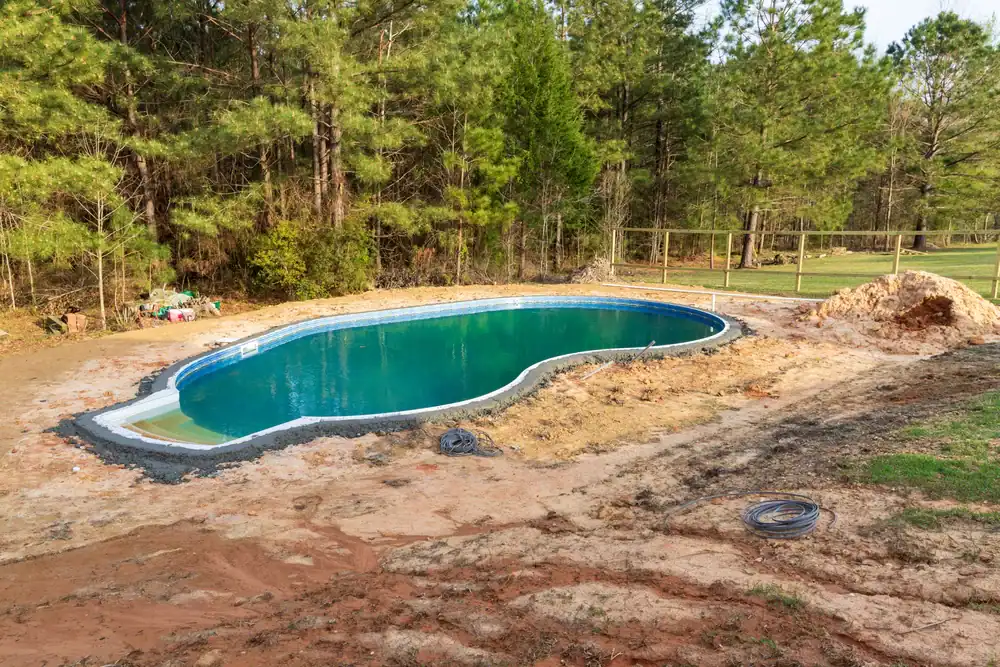
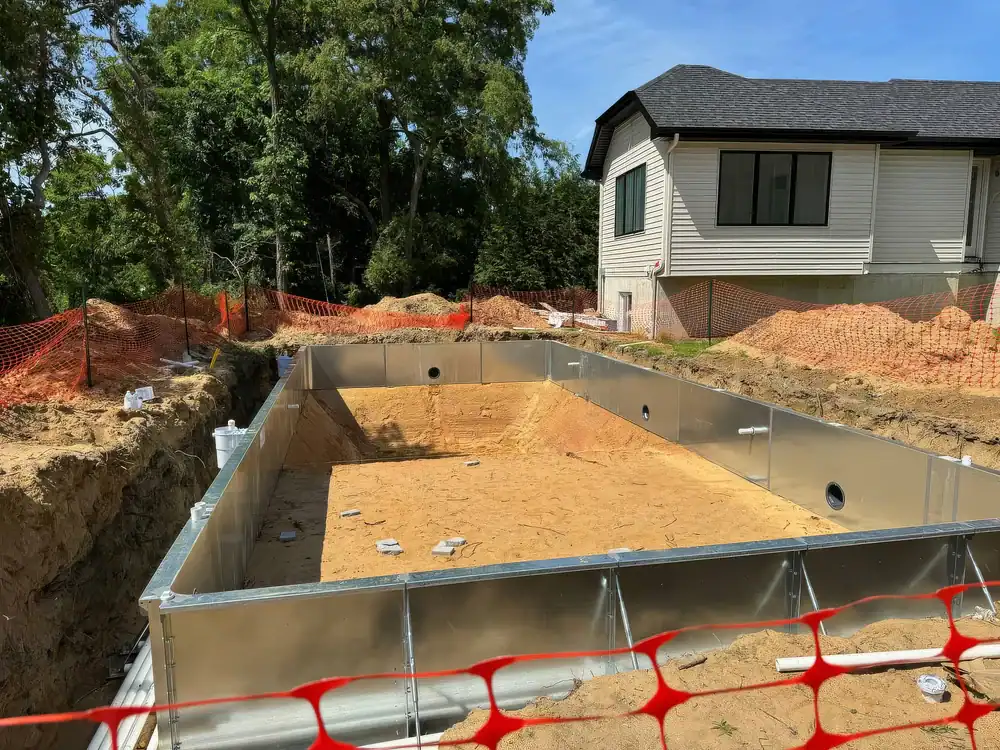
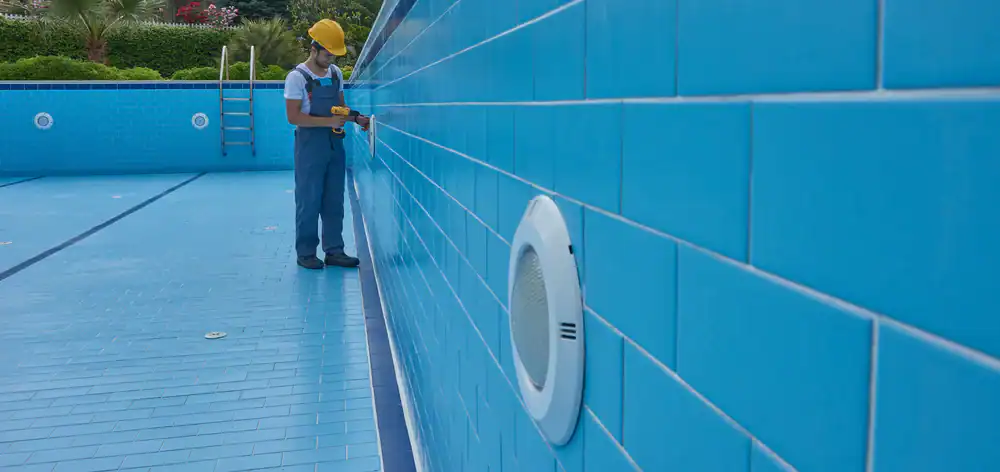
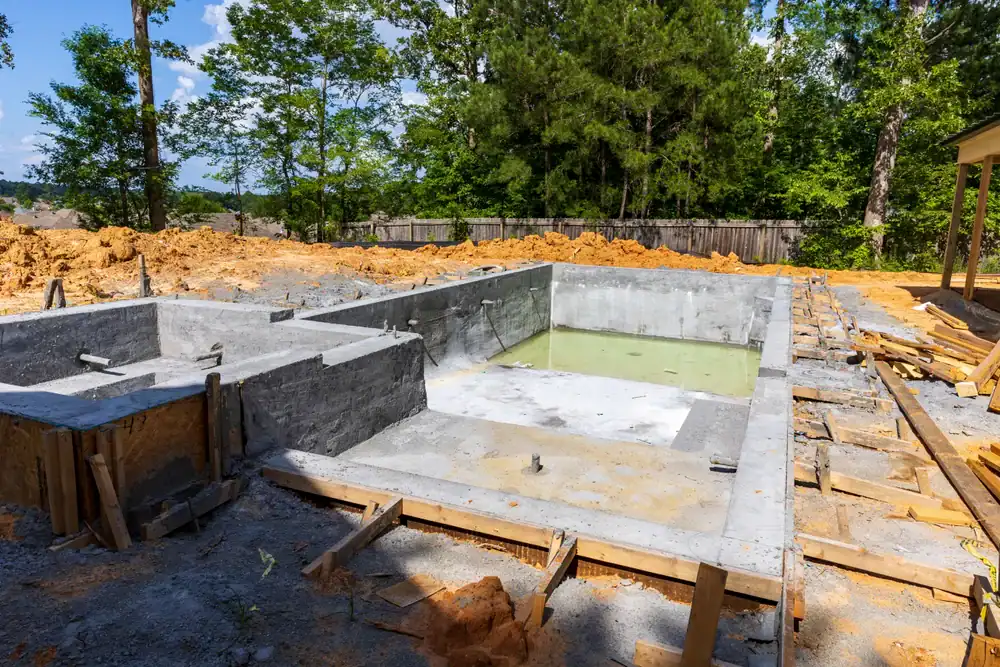
From there, we handle excavation, install the rebar cage, and schedule the mandatory county inspection before gunite is ever applied. That inspection is a Georgia code requirement it confirms the structural framework is correct before the concrete goes in. A builder who skips it or rushes past it is cutting a corner that matters. After the gunite shell is applied and cured, we move to plumbing, equipment installation, NEC Article 680-compliant electrical bonding and grounding, and pool deck installation. Every phase is handled by our crew.
Because Phillipsburg is unincorporated, all permitting runs through Tift County’s Community Development Department. We pull every building and electrical permit in our own company’s name and coordinate all inspections directly. You don’t have to call the county, navigate the process, or figure out what’s required. That’s already handled.
Ready to get started?
When we give you a project scope, it covers the full build. Site evaluation. Excavation. Rebar and gunite shell. All swimming pool plumbing. NEC Article 680-compliant electrical bonding and grounding. Equipment installation. Pool deck installation. And a custom safety cover. Nothing in that list is an upsell. Nothing gets handed off to a subcontractor. The price you agree to is the price you pay.
Gunite construction means your pool is built to fit your specific lot not a factory shape dropped into your yard. If your property near Phillipsburg has irregular dimensions, a slope, or drainage constraints that need to be worked around, that’s exactly what custom gunite pool building is designed to handle. The shape, depth profile, and layout are all determined by your space and your family’s needs, not by what came off a production line.
The safety cover isn’t optional because it shouldn’t be. Every pool we build includes one not as an add-on, but as a standard part of the project. Georgia code also requires a minimum four-foot barrier with self-closing, self-latching gates for residential pools in Tift County. That requirement is built into the project plan from day one, not discovered at the end.
Yes and because Phillipsburg is an unincorporated community, the permits don’t come from a city building department. They come from Tift County. The Tift County Community Development Department handles all building permits, electrical permits, and inspections for unincorporated areas like Phillipsburg. That includes a mandatory rebar inspection before gunite can be applied it’s a Georgia code requirement, not optional.
We pull every permit in our own company’s name and manage all required inspections directly with the county. You don’t have to figure out what’s required, make calls to county offices, or chase down inspection schedules. That’s part of our service. For homeowners in Phillipsburg who’ve never dealt with Tift County’s permitting process before, that’s not a small thing it’s one of the most common sources of delay and frustration when a builder doesn’t handle it.
A typical gunite pool construction project in the Tift County area runs somewhere between eight and fourteen weeks from excavation to completion, depending on the scope of the build, weather, and inspection scheduling. South Georgia’s mild winters are actually an advantage here unlike northern Georgia, you can build year-round in Tift County without the freeze-thaw concerns that shut down construction in colder climates.
The main weather variable in this region is summer thunderstorm season. Gunite cannot be applied during rain, and heavy rain can fill an open excavation before the shell is ready. We account for this in the schedule and communicate proactively when weather causes a timing adjustment. If you’re aiming for a pool ready by Memorial Day weekend, the conversation needs to start in January or February most quality builders in Southeast Georgia are booked out several months in advance during peak planning season.
Fiberglass pools arrive as pre-formed shells manufactured in a factory. They come in fixed shapes and sizes, and the installer’s job is essentially to drop the shell into an excavated hole. The process is faster, but what you get is limited to whatever shapes were available in the catalog. The gel coat surface also fades and oxidizes over time most fiberglass pools need resurfacing somewhere between the ten and fifteen year mark.
Gunite is built on-site, from scratch, on your specific lot. The shape, depth, and dimensions are determined by your yard and your vision not a production line. In South Georgia’s climate, where a pool gets used seven months out of the year, gunite’s long-term durability is a meaningful advantage. A properly built gunite shell, maintained with correct water chemistry, gets stronger as the concrete continues to cure over the years. For a Tift County homeowner who’s planning to stay in their home long-term, the lifetime value of gunite construction is significantly better than the alternatives.
It can and this is one of the most underappreciated risks in pool construction in this region. Tift County’s soil profile includes clay subsoil layers beneath the surface sandy loam. Clay retains moisture and expands and contracts with the wet and dry cycles that South Georgia sees regularly. A pool shell that isn’t engineered to handle that movement with properly spaced rebar, appropriate gunite thickness, and drainage that accounts for hydrostatic pressure can crack, shift, or cause water management problems on your property.
This is exactly why a pre-excavation site evaluation isn’t a formality. It’s the step where the engineering decisions that protect your pool long-term actually get made. The drainage challenges that have been documented in the Phillipsburg area serious enough to prompt active county infrastructure investment are a real-world reminder that site conditions in this community aren’t uniform. A builder who treats every lot the same regardless of drainage or soil conditions is taking a shortcut that shows up years later in your pool, not theirs.
Generally, yes though the return varies based on the quality of the build, the neighborhood, and how the pool is maintained. Georgia real estate data points to roughly a seven percent increase in property value for homes with a properly built inground pool. In the Tifton area, where the swimming season runs from April through October, a pool is a practical amenity that buyers recognize as genuinely usable not just a visual feature that adds curb appeal.
The key word in all of that is “properly built.” A pool with visible cracks, aging equipment, or an outdated deck doesn’t add value it raises questions. A gunite pool that’s been maintained correctly, built with quality materials, and finished with a clean deck and proper fencing reads as an asset. For homeowners near Phillipsburg who are thinking about this as a long-term investment in both lifestyle and property value, the construction quality at the start is what determines the return at the end.
The short answer is accountability. When different phases of a pool build get handed off to different subcontractors, no single person owns the full project. If something goes wrong between the plumbing phase and the electrical phase, or between the gunite application and the deck installation, the conversation about who’s responsible gets complicated fast. That’s a dynamic that benefits the contractor, not the homeowner.
We use the same crew from excavation through the finished deck no handoffs, no strangers showing up mid-project that no one has met before. For a homeowner in Tift County making a significant investment in their property, knowing exactly who is on your job site and who is accountable for every phase of the build isn’t a luxury. It’s a reasonable expectation. Our no-subcontractor policy exists because it produces better work and cleaner accountability, and because a builder who’s been in this industry for over three decades has seen what the alternative looks like.