Hear from Our Customers
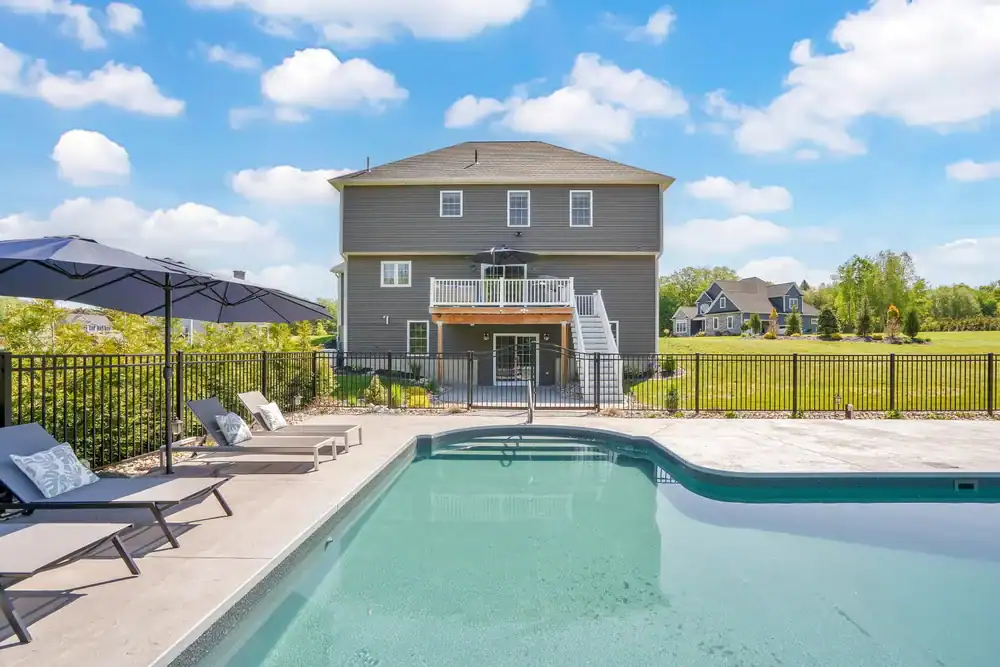
Albany’s summers are relentless. The heat pushes chlorine out of your water faster than almost anywhere in the country, afternoon thunderstorms dilute a perfectly balanced pool overnight, and August humidity sits above 70% for weeks at a time. If your pool isn’t being serviced consistently and correctly, it’s not a matter of if it turns green it’s when.
What changes when you have the right service behind you is simple: you stop reacting and start enjoying. No emergency algae calls. No guessing whether your equipment is running right. No coming home to a pool that looks like it hasn’t been touched in three weeks. You get water that’s safe, clear, and ready when you are.
For families near MCLB Albany who’ve just moved into a home with an existing pool, or longtime Dougherty County homeowners with aging equipment, the difference between consistent professional service and inconsistent coverage shows up fast especially in July. Albany’s climate doesn’t give you a grace period. The right team keeps you ahead of it.
We’re based in Douglas, Georgia, and have been serving the Albany area with the kind of work that holds up not just on the day of service, but six months later. Deep Waters Pools was founded in 2014, but our team spent more than three decades in concrete, plumbing, and custom pool construction before that. That experience is specific to this region the coastal plain soil conditions, the humidity, the way Southwest Georgia’s clay-heavy ground behaves around an inground shell.
Albany is a real service area for us, not a line on a coverage map. Whether you’re in an established neighborhood off Westover Boulevard, out in Lee County, or stationed at MCLB Albany and trying to figure out what shape your pool is in, we show up with the knowledge to assess it honestly and the experience to fix what needs fixing. No runaround. No outsourced work. Just a straightforward team that does what we say.
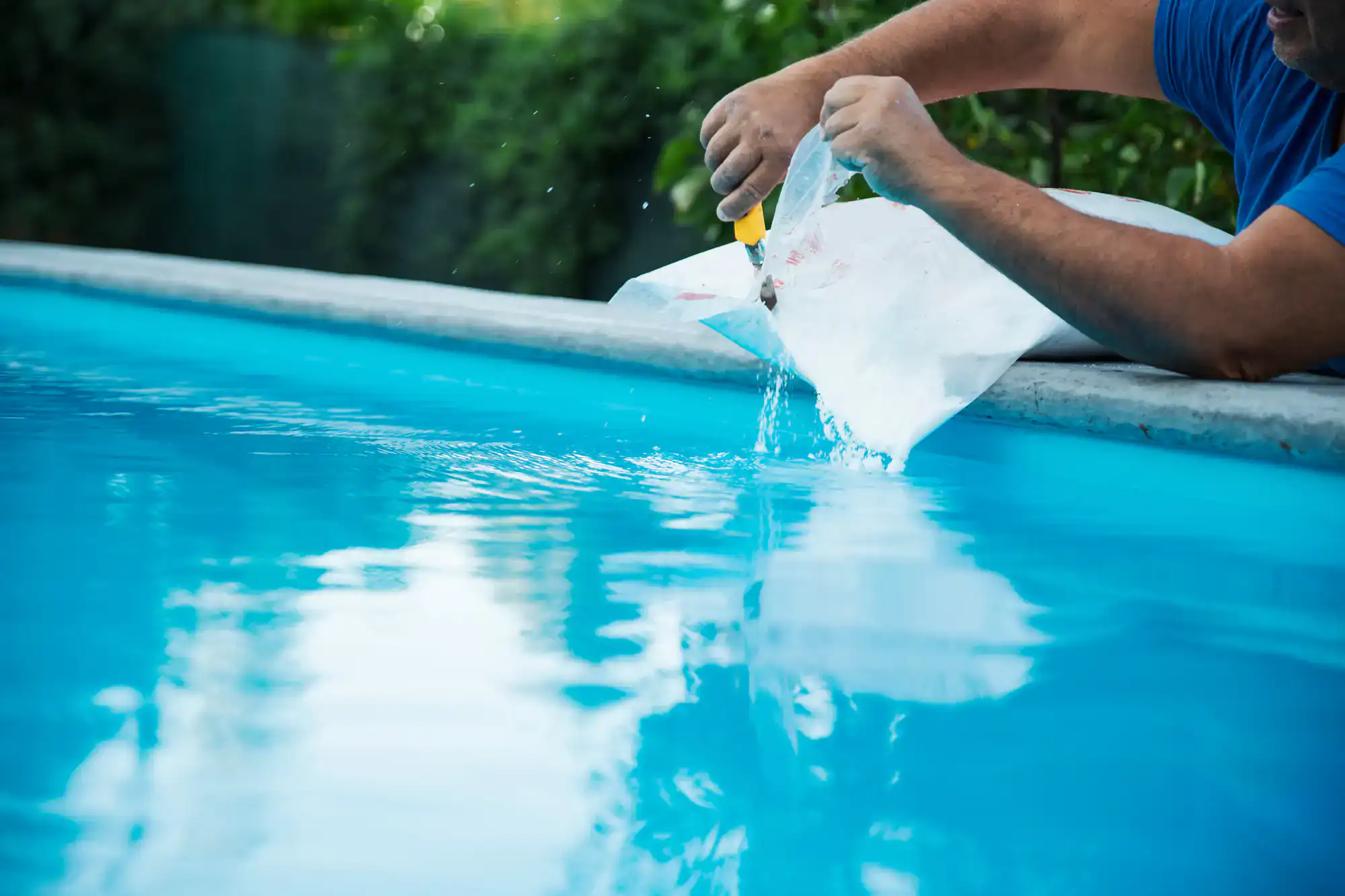
It starts with a conversation not a sales pitch. When you reach out to us, our first priority is understanding what you have: what kind of pool, how old the equipment is, what’s been done recently, and what’s not working. For Albany homeowners, that often means talking through a pool that hasn’t had consistent service, equipment from a previous owner, or water that’s been fighting Albany’s summer heat without much help.
From there, one of our technicians comes out and does a proper assessment. We’re not running through a checklist to sell you services we’re looking at your actual equipment, testing your water chemistry, and identifying what your pool genuinely needs. In Dougherty County, that frequently means addressing chemical imbalances that built up over the summer, equipment that’s been running harder than it should in the heat, or early signs of liner wear that are easier and cheaper to address before they become a full replacement.
Once the work starts, you know what’s happening and why. If something comes up during a visit a pump showing early failure, a filter that’s overdue you hear about it with a clear explanation, not a surprise invoice. The goal is a pool that runs reliably, water that stays balanced between visits, and a service relationship where you’re never left wondering what’s going on.
Ready to get started?
One of the real problems in Albany’s pool service market is fragmentation. You can find a company that handles maintenance, another that does equipment repair, and a builder if you want new construction but finding one team that handles all of it without sending you somewhere else is harder than it should be. We cover the full range: weekly pool maintenance, pool equipment repair across all major brands including Hayward, Pentair, Jandy, Sta-Rite, and Zodiac, pool liner replacement, professional leak detection, and heater installation and repair.
Leak detection is worth calling out specifically for Albany. The southwestern Georgia coastal plain has clay-heavy soil that shifts with moisture and a pool that’s silently losing water doesn’t just run up your water bill. It erodes the ground beneath the shell, causes deck settling, and creates structural problems that compound over time. Albany’s community has a long memory of what water does to structures, and catching a pool leak early is far less expensive than dealing with what it leaves behind.
For heater installation, Albany’s mild winters mean most pools don’t need year-round heat but a properly installed heater extends your usable season significantly and protects your equipment during the occasional hard freeze that does hit Southwest Georgia. Every installation is done to Dougherty County code requirements, sized correctly for your pool, and followed up at regular service visits so you’re not calling for repairs when the temperature drops.

For most pools in Albany, weekly service is the right call from late spring through early fall and honestly, that’s not upselling, it’s just the math of what Albany’s climate does to pool water. Chlorine burns off significantly faster when temperatures are consistently in the 90s. Afternoon thunderstorms, which are nearly daily in Albany from June through August, dilute your water chemistry overnight. A pool that was balanced on Monday can be out of range by Thursday without any intervention.
Biweekly service can work during the cooler months November through February when the pool isn’t seeing heavy use and the chemistry holds longer. But if you’re running your pool through Albany’s peak summer and only getting service every two weeks, you’re going to spend more money correcting problems than you would have spent on the extra visits. Weekly maintenance is the most cost-effective approach for this climate, not the most expensive one.
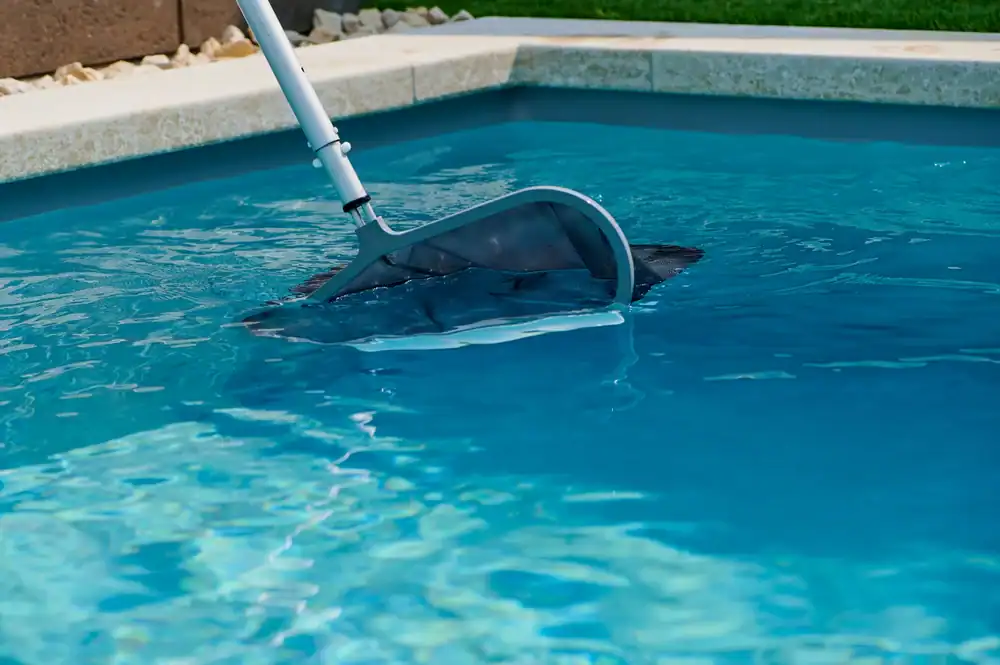
A proper weekly maintenance visit covers more than skimming the surface. It includes testing and adjusting your water chemistry chlorine, pH, alkalinity, and stabilizer levels brushing the walls and floor to prevent algae from establishing, emptying skimmer and pump baskets, checking that your equipment is running correctly, and noting anything that looks like it’s heading toward a problem.
In Albany’s climate, the chemistry adjustment piece is the most critical part of every visit. High heat and humidity create conditions where algae can establish in 48 hours if the water falls out of balance. A technician who shows up, skims the top, and leaves without testing and adjusting your water hasn’t done the job they’ve just delayed the problem. Every visit from us includes a real chemistry check, not a visual scan.
Evaporation is real, especially in Albany’s summer heat. A pool can lose a quarter to half an inch of water per day through evaporation alone during the hottest months. The standard way to tell the difference is a bucket test: fill a bucket with pool water, set it on a step so it’s at the same temperature as the pool, mark both water levels, and check after 24 hours. If the pool is losing more water than the bucket, you likely have a leak.
Signs that point more clearly toward a leak include water loss that continues even when the pool isn’t being used, wet spots around the equipment pad or deck, cracks in the shell or tile line, or a pump that’s pulling air. In Dougherty County’s clay-heavy soil, a leaking pool can cause the ground around the shell to shift, which sometimes shows up as deck settling or cracks before the water loss becomes obvious. If you’re seeing any of those signs, professional leak detection is worth doing sooner rather than later the repair cost at that stage is almost always less than what it becomes if you wait.
Most vinyl liners are rated to last 10 to 15 years, but Albany’s climate accelerates the wear. Intense UV exposure through long summers, chemical fluctuations caused by heat and humidity, and heavy seasonal use all shorten that window. The signs that a liner is approaching the end of its life include fading or bleaching of the pattern, visible wrinkling or separation from the wall, small tears or punctures that keep reappearing, and water loss that can’t be explained by evaporation or equipment issues.
The important thing to understand is that a failing liner doesn’t just look bad it starts to compromise the pool’s structural integrity. Water getting behind the liner can cause the walls to shift, the floor to erode, and the surrounding soil to destabilize. In Southwest Georgia’s clay soil conditions, that kind of moisture intrusion can create problems that go well beyond the liner itself. Replacing a liner when the signs are early is significantly less expensive than waiting until you’re also dealing with structural repairs. A proper assessment will tell you whether you’re at that point or still have time.
Albany’s winters are mild compared to most of the country temperatures rarely drop below the mid-20s so a pool heater isn’t about surviving a cold climate. It’s about extending your usable season on both ends. A heater lets you open the pool comfortably in March instead of waiting until May, and keeps it usable into October and November when the water would otherwise be too cold for most people to enjoy.
The other practical reason to consider a heater in Albany is equipment protection. While full winterization isn’t typically necessary here, the occasional hard freeze that does hit Southwest Georgia can damage pumps, plumbing, and exposed equipment that wasn’t protected. A heater that’s properly installed and maintained adds a layer of protection against those events. The key word is properly installed incorrect sizing, improper gas line work, or inadequate venting creates safety issues and premature failure. We install heaters to Dougherty County code requirements and check them at every service visit, so you’re not finding out there’s a problem when the temperature drops in January.
The first thing to verify is licensing. Georgia requires pool contractors performing work above $2,500 on residential properties to hold a valid residential contractor license. That’s a legal requirement, not a preference and hiring an unlicensed contractor puts the liability on you if something goes wrong. Ask directly, and don’t accept vague answers about being “registered” or “certified” without confirmation of an actual Georgia contractor license.
Beyond licensing, the most common complaint about pool service companies in Albany and across the industry generally is reliability. A company that shows up consistently and communicates clearly is genuinely harder to find than it should be. When you’re evaluating a provider, ask how they document each visit, how they notify you when something needs attention, and how quickly they respond when you reach out between scheduled visits. Albany’s summer heat means a missed week isn’t just an inconvenience it can mean a green pool and a remediation bill that costs more than several months of service combined. The right company treats your pool like it matters between visits, not just during them.