Hear from Our Customers
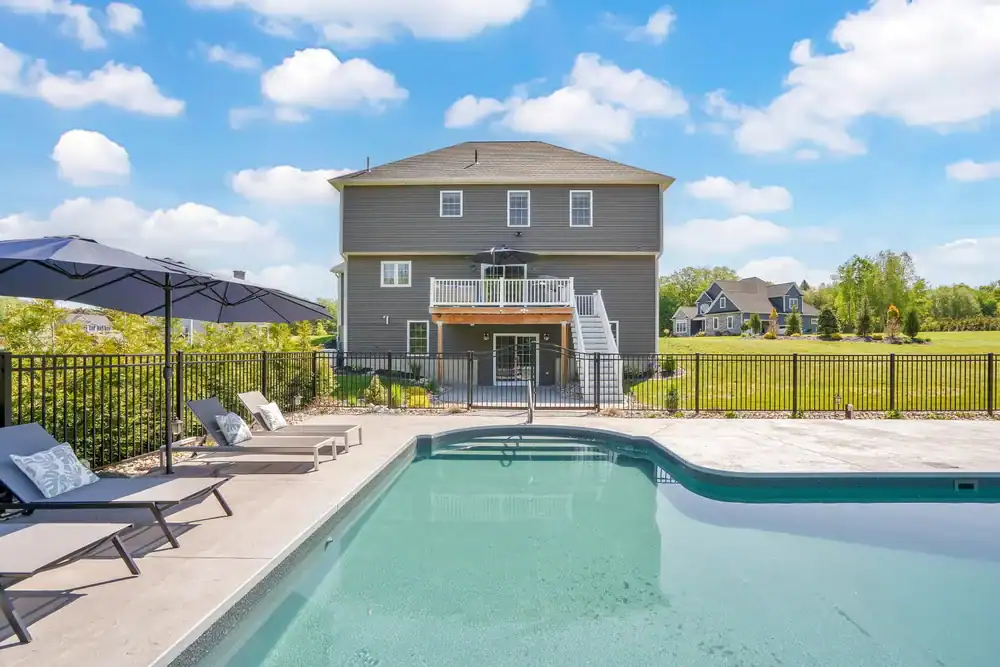
A pool that gets real attention doesn’t just look better it costs you less over time. When chemistry is tested and adjusted every week, you’re not chasing algae blooms after a string of afternoon thunderstorms blows through Lowndes County and dilutes everything you balanced three days ago. That cycle is exhausting and expensive. Getting ahead of it is the whole point.
For homeowners along Madison Highway and throughout South Lowndes County, the climate doesn’t give you much margin for error. The UV intensity here burns through chlorine faster than national pool care guides account for. Left unchecked, that means bacteria, algae, and equipment working overtime to compensate which shortens the life of pumps, filters, and heaters that aren’t cheap to replace.
The practical outcome of consistent pool service is simpler than people expect: a pool that’s ready when you want to use it, equipment that lasts as long as it should, and no emergency repair calls on a Saturday in August. That’s the whole reason you have a pool in the first place.
We’re based in Douglas, GA and have been serving communities across South Georgia since 2014 but the experience behind our company goes back more than 30 years. Our founders spent three decades in concrete, plumbing, and pool construction before ever putting a name on the door. That background shows up in how we diagnose problems and how we do the work.
Clyattville sits in the same coastal plain environment we’ve been working in for years sandy soil over clay, a high water table in areas near Grand Bay, and summers that push equipment and chemistry to their limits. Knowing how this specific landscape behaves isn’t something you pick up from a manual. We’ve learned it by doing the work here.
This is a family-owned company. The people doing the work are accountable for it, and in a community as close-knit as Clyattville, that matters. You’re not getting a rotating crew of strangers you’re getting a team that’s built its reputation on showing up and doing the job right.
It starts with understanding what we’re working with. Before any service plan is set, we assess your pool’s current condition water chemistry, equipment status, visible wear on the liner or tile, and anything that might be developing into a bigger problem. For a lot of Clyattville homeowners with established pools, that first look often turns up deferred maintenance that’s been quietly getting worse.
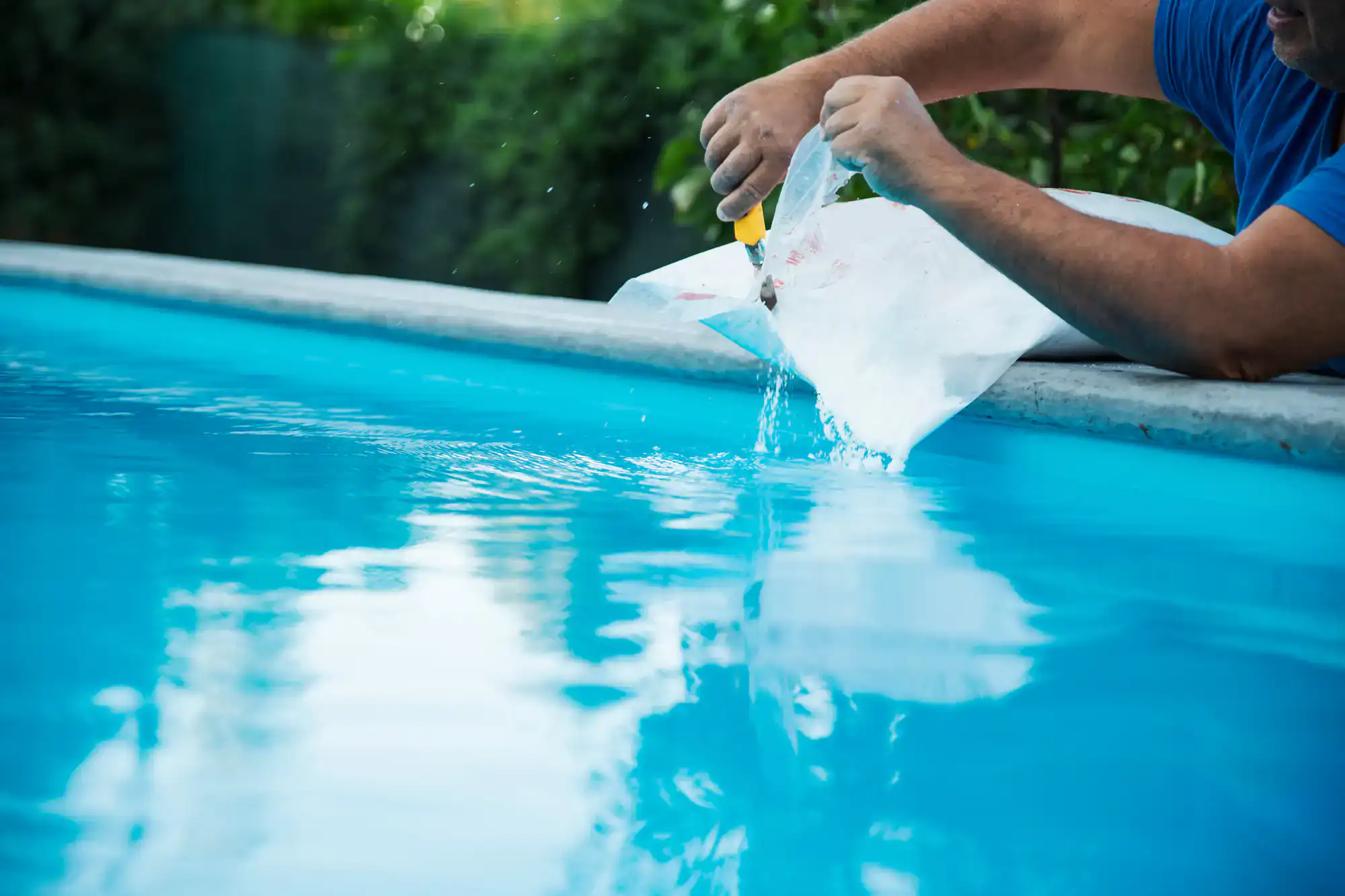
From there, our weekly maintenance visits include professional water testing and chemical adjustment, not just a visual check and a handful of tablets. In a Lowndes County summer, that distinction matters. When afternoon storms roll through and dump rainfall into your pool overnight, the chemistry shifts and catching that shift early is what keeps the water safe and the equipment running the way it should.
When repairs or replacements come up a pump that’s losing pressure, a liner showing its age, a heater that stopped keeping up we handle that work directly, not through referrals. Because all pool permits and inspections in Clyattville run through Lowndes County rather than a city building department, we navigate that process directly, so you don’t have to figure it out on your own.
Ready to get started?
We handle the full range of what Clyattville pool owners run into over the life of a pool. Weekly maintenance covers water testing, chemical balancing, and equipment checks calibrated for South Georgia’s conditions, not written for a national average. Pool equipment repair covers all major brands: Hayward, Pentair, Jandy, Sta-Rite, and Zodiac. If your pump, filter, or heater needs attention, it doesn’t matter what’s already installed.
Leak detection is one of the more underutilized services in this area. A pool losing more than a half inch of water per day in Clyattville’s heat isn’t just evaporating and the longer a slow leak goes unaddressed, the more it costs to fix. Professional leak detection typically runs around $300 and can save thousands in structural damage if caught before it undermines a deck or erodes the surrounding soil. Pool liner replacement is also a common need for the established homes throughout South Lowndes County, where many pools have been in the ground for decades and the liners have taken years of UV exposure and chemical wear.
Heater installation rounds out our service list for homeowners who want to extend Clyattville’s already-long pool season into the cooler months. A properly sized and installed heater, maintained annually, should last 8 to 12 years. All of this maintenance, repair, liner work, leak detection, and heater service is handled under one roof, by one team.
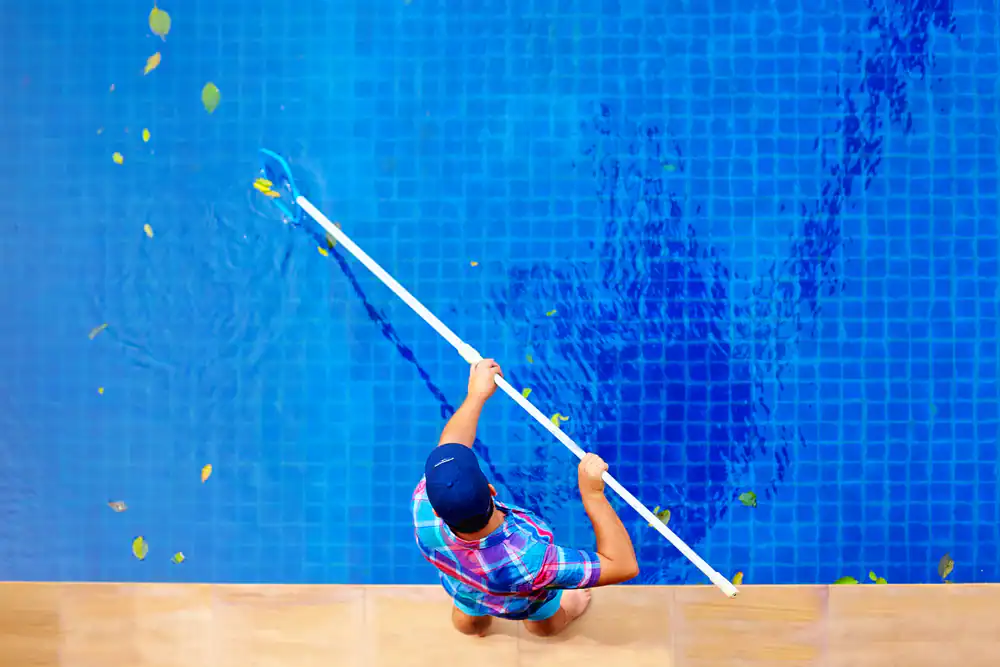
For most pools in Clyattville, weekly professional service is the right call from late spring through early fall and that’s not a sales pitch, it’s just what the climate demands. Lowndes County summers are long, hot, and humid, and the afternoon thunderstorm pattern that runs through the region from June through September constantly disrupts water chemistry. Chlorine dissipates faster here than in cooler climates, and a pool that looks balanced on Monday can be visibly off by Thursday after a few inches of rain.
Skipping a week during peak season isn’t just a cosmetic risk. Under-chlorinated water in South Georgia’s heat creates real health concerns, and the algae that follows is expensive to remediate often requiring shock treatments, brushing, and multiple days of filtration before the pool is usable again. Bi-weekly service may work during the cooler months when the pool sees less use, but from May through October, weekly visits are what keep a Clyattville pool consistently clean, safe, and ready.
This is one of the most common frustrations pool owners in South Georgia deal with, and the answer almost always comes down to chemistry gaps that compound over time. If chlorine levels drop even briefly in Lowndes County’s summer heat, algae can establish itself faster than most people realize. One missed treatment window, one heavy rainstorm that dilutes your balance overnight, and you’re already behind.
The other common cause is an underlying equipment issue. A pump that isn’t running the full recommended daily cycle, a filter that hasn’t been cleaned recently, or a chemical feeder that’s running low can all create conditions where algae keeps winning no matter how much product you put in. A professional diagnosis will usually identify the root cause quickly whether it’s a chemistry protocol problem, an equipment issue, or both. Treating the symptom without finding the cause is how people end up fighting green water all summer.
The standard test is straightforward. Fill a bucket with pool water and set it on a step so it’s partially submerged. Mark the water level inside the bucket and on the pool wall. After 24 hours, compare how much each dropped. If the pool lost significantly more water than the bucket, you likely have a leak not evaporation.
In Clyattville’s summer heat, evaporation alone can account for about a quarter to a half inch of water loss per day. Anything beyond that warrants a closer look. Pools built on Lowndes County’s sandy coastal plain soil are particularly worth monitoring, because even a slow structural leak can erode the surrounding soil over time and create much larger problems than the leak itself. Professional leak detection which typically costs around $300 uses pressure testing and other methods to pinpoint exactly where water is escaping, so repairs are targeted rather than guesswork.
The most common equipment failures in South Georgia pools are pump motor burnout, filter issues, and heater problems all of which get accelerated by the long active season here. Clyattville pools run hard from March through October, and equipment that runs continuously for eight months a year wears faster than it would in a climate where pools sit idle half the year.
Pump repairs typically run $150 to $800 depending on whether the motor needs replacing or the whole unit does. Filter cleaning and repair usually falls in the $75 to $300 range. Heater repairs vary widely a minor fix might cost $150, while a full replacement runs $1,500 to $3,500 or more depending on the unit. The single best way to reduce repair costs is consistent maintenance. Equipment that’s monitored regularly gets caught early, when the fix is still small. Equipment that gets ignored tends to fail completely and complete failures are always more expensive than the service visits that could have prevented them.
Vinyl liners typically last 10 to 15 years under normal conditions, but South Georgia’s UV exposure and heat put real stress on liner material over time. If your liner is fading significantly, feels brittle or rough to the touch, has visible wrinkles that won’t smooth out, or you’re noticing unexplained water loss, those are all signs it’s getting close to the end of its useful life.
For many of the established homes throughout South Lowndes County, liner replacement is simply a matter of when, not if. Pools that have been in the ground for 15 or 20 years are often working with original or once-replaced liners that have absorbed years of chemical exposure and UV damage. A new liner not only stops leaks and improves appearance it also protects the structural integrity of the pool shell underneath. Replacement typically costs between $1,500 and $4,000 depending on pool size and liner selection, and it extends the pool’s usable life by another decade or more when done correctly.
Yes and it’s worth understanding how that process works in Clyattville specifically. Because Clyattville is an unincorporated community with no city government, there’s no city building department or city permitting office involved. All pool construction permits and inspections for properties in Clyattville run through Lowndes County directly. That’s a straightforward process once you know where to go, but homeowners who aren’t familiar with it sometimes lose time trying to figure out which office handles what.
We navigate the Lowndes County permitting process as part of construction and major renovation work, so you’re not left managing that on your own. Georgia state law also requires that contractors performing residential work above $2,500 hold a valid state residential contractor license and we’re fully licensed and insured. If you’re considering any pool work that requires a permit, the clearest first step is a conversation about what the project involves and what the county will require before work begins.