
Hear from Our Customers
Here’s what actually matters: your kids are home for summer break, the Georgia heat is already climbing, and you’re tired of driving to public pools or paying for swim club memberships that add up fast.
An above ground pool gets you in the water weeks after you decide to buy, not months. No massive excavation tearing up your yard. No waiting on permits that drag into fall. You’re looking at installation timelines measured in days, and costs that run around $4,000 instead of $65,000.
That difference matters when you’re trying to create a space your family will actually use without derailing every other financial priority you have. You get the backyard hangouts, the after-school cool-downs, and the weekend gatherings. Just without the construction nightmare or the debt that follows you for years.
Deep Waters Pools started in 2014, but the experience behind it goes back more than 30 years. We’ve been building pools across South Georgia long enough to know what works in this climate, what doesn’t, and what homeowners in Bridgetown actually need versus what they get sold.
We’re not new to pool construction. We spent decades doing custom in-ground work before expanding into above ground installations because we kept hearing the same thing: families wanted pools but couldn’t justify the cost or the disruption. So we brought the same attention to safety, quality, and proper installation to a more accessible option.
Bridgetown families deal with hot summers, limited yard space in some neighborhoods, and budgets that don’t stretch to luxury builds. We get that because we’ve worked here for years. You’re not getting a national franchise that doesn’t know the area. You’re working with people who understand what pool ownership looks like in Douglas County.
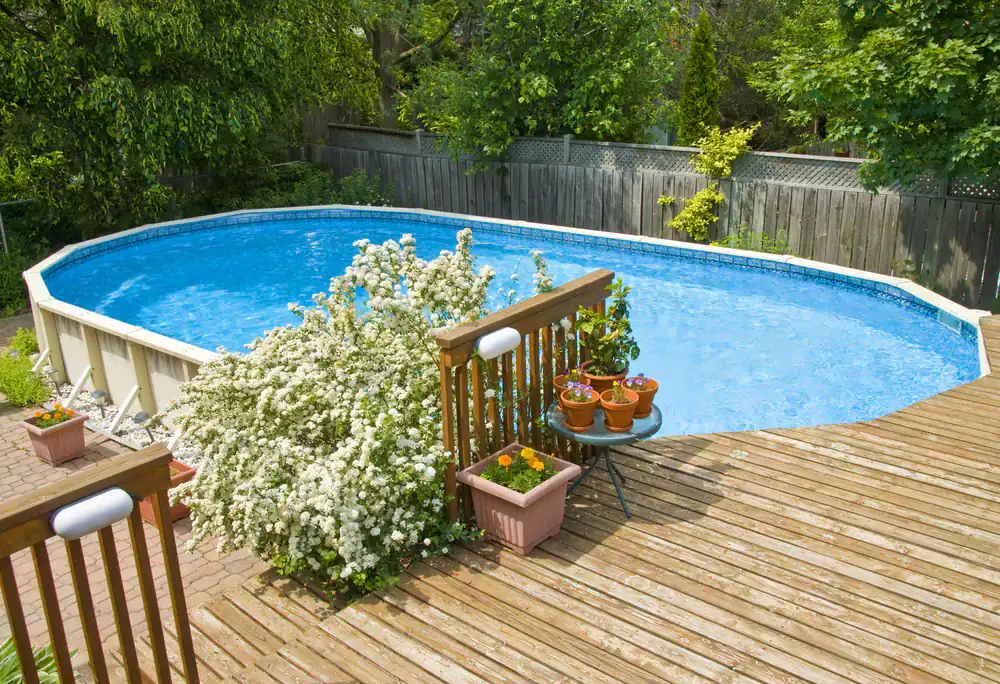
First, we come to your property and look at where the pool will go. We’re checking for level ground, drainage, access for equipment, and any obstacles that could complicate installation. This isn’t a sales pitch visit—it’s a real assessment so there are no surprises later.
Once you decide to move forward, we handle site prep. That means leveling the ground properly, laying the base, and making sure everything is set up right before the pool goes in. Shortcuts here cause problems later, so we don’t take them.
Then we install the pool structure, connect your filtration system, and walk you through everything you need to know about maintenance and safety. We’re not dropping off a pool and disappearing. You get a full explanation of how your system works, what to watch for, and how to keep everything running smoothly.
After installation, you have access to us for questions. First-time pool owners usually have a few, especially in those first couple weeks. We’d rather you call than guess and create a problem that didn’t need to happen.
Ready to get started?
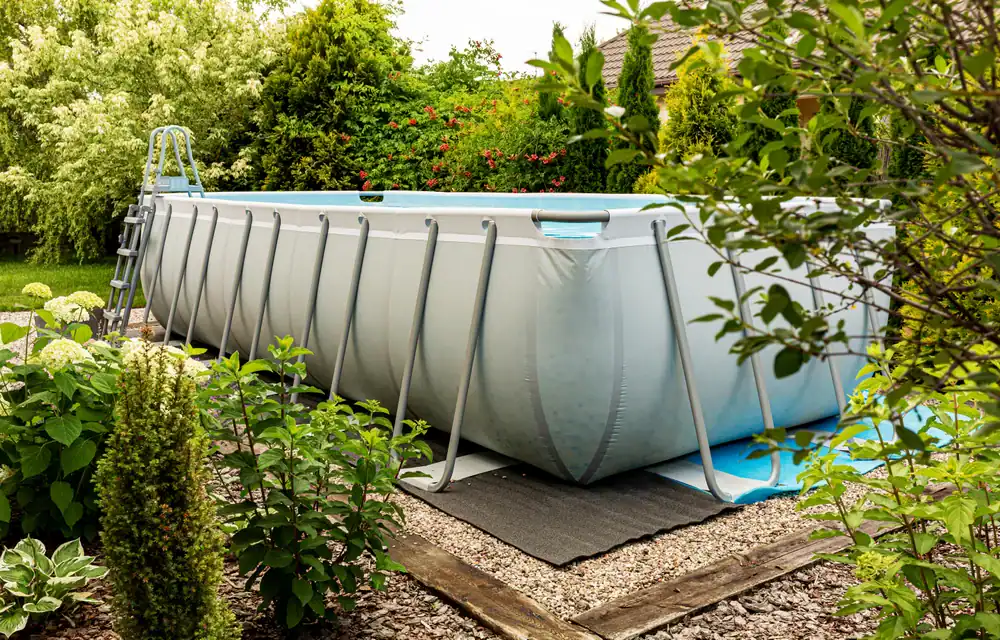
You’re choosing between round, oval, and rectangular designs based on your yard layout and how you plan to use the space. Round pools are the most affordable and easiest to install. Ovals give you more swim space if you’ve got kids who want to actually move around. Rectangular pools fit tighter spaces and work well if you’re adding decking.
Every installation includes the pool structure, filtration system, and ladder. We also walk you through safety equipment—specifically covers that fit your exact pool dimensions. In Bridgetown, where families with young kids are common, that’s not optional. Drowning is the leading cause of death for children ages 1-4, and most of those incidents happen in backyard pools. A proper cover matters.
You’ll also need to think about maintenance supplies: chemicals, testing kits, and cleaning tools. We’ll tell you exactly what you need and what you don’t. The pool industry loves to oversell accessories. We’d rather you spend money on things that actually keep your pool safe and clean.
Energy efficiency is another factor. Modern above ground pools use filtration systems that cost less to run than older models. In South Georgia, where your pool will get used heavily from May through September, that adds up. We’ll show you options that balance upfront cost with ongoing expenses so you’re not surprised by your power bill three months in.
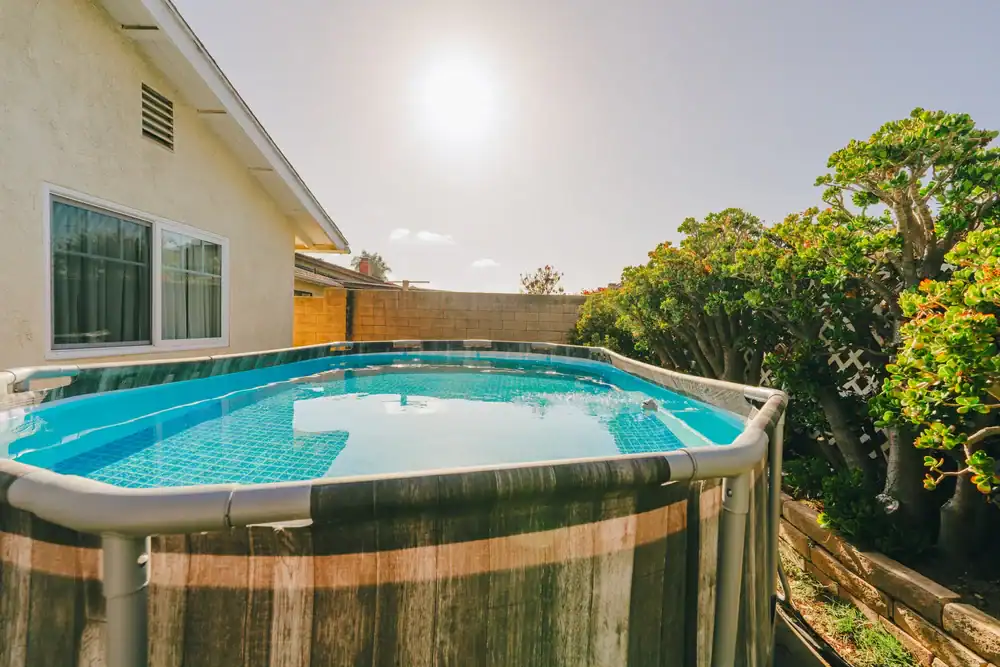
You’re looking at an average of around $4,000 for a complete above ground pool installation, though that number moves based on size, features, and site prep needs. A basic round pool with standard filtration will cost less. A larger oval pool with upgraded equipment and decking will cost more.
Compare that to in-ground pools, which average around $65,000 in our area. That’s not a small difference when you’re trying to balance a pool purchase with everything else your household needs. The cost gap is why above ground pools make sense for most Bridgetown families.
Site prep can add to your cost if your yard needs significant leveling or if we’re dealing with drainage issues. We’ll tell you upfront during the site visit if your property needs extra work. No one likes surprise charges halfway through a project.
Most installations take between one and three days depending on site conditions and pool size. If your yard is already level and accessible, we’re on the faster end. If we need to do more ground prep or work around landscaping, it takes longer.
That timeline includes site prep, pool installation, filtration setup, and filling the pool. You’re not waiting weeks or months like you would with in-ground construction. This is one of the biggest advantages of going above ground—you can decide to buy a pool in May and be swimming by June.
Weather can delay things. We’re not installing pools in heavy rain or on saturated ground because it compromises the base. But those delays are usually measured in days, not weeks. We’ll give you a realistic timeline during your site visit based on your specific property and schedule.
You’re testing and balancing water chemistry weekly during swim season, cleaning the filter regularly, and skimming debris off the surface. It’s not complicated, but it’s consistent. Neglect it for a few weeks and you’ll have algae or cloudy water that takes more work to fix.
Chemical balancing means keeping your pH, chlorine, and alkalinity in the right ranges. You test the water, add what’s needed, and retest. Most people get the hang of it quickly. We walk you through the process during installation so you’re not guessing.
Filter maintenance depends on your system type. Cartridge filters need cleaning every few weeks and replacement once or twice a season. Sand filters need backwashing. We’ll show you how to do both. It’s not difficult—just something you need to stay on top of.
Winterizing matters in Georgia even though we don’t get harsh freezes. You’ll drain some water, add winter chemicals, and cover the pool. Done right, it takes a couple hours and prevents damage that would cost you hundreds to repair come spring.
They can be, but only if you treat safety seriously. Above ground pools have walls that create a barrier, but kids can still climb ladders or access the pool if you’re not careful. You need a removable ladder that you take out when the pool isn’t in use, and you need a cover that actually secures.
Drowning is the leading cause of death for children ages 1-4, and most of those deaths happen in backyard pools. That’s not meant to scare you—it’s meant to make you take the right precautions. A pool cover that fits properly and stays secured when the pool isn’t supervised is non-negotiable if you have young kids.
We include safety equipment recommendations with every installation because we’ve seen what happens when families skip this step. You’re also going to want a fence around your yard if you don’t already have one. Multiple layers of protection matter because kids are fast and curious.
Supervision is still the most important factor. No safety equipment replaces an adult watching kids in the water. But proper covers, secured ladders, and fenced yards reduce the risk when you’re not actively swimming.
You can install one yourself if you’re comfortable with site prep, leveling, and following detailed instructions. Modern above ground pools are designed for DIY installation, and plenty of homeowners do it successfully. But most people underestimate the site prep work.
Getting the ground perfectly level matters more than you think. An unlevel pool puts uneven pressure on the walls, which leads to structural problems and leaks. You’re also dealing with heavy materials and filtration systems that need proper setup. Mistakes here cost you more to fix than professional installation would have cost upfront.
We’ve repaired plenty of DIY installations that went wrong—usually because the base wasn’t prepped correctly or the filtration system wasn’t connected properly. If you’re handy and have help, it’s doable. But if you’re not confident in your ability to level ground and follow technical instructions precisely, hire someone.
Professional installation also means you have someone to call if something goes wrong. When you DIY and hit a problem, you’re troubleshooting on your own. That’s fine for some people. For others, it’s a frustration they’d rather avoid.
You’re looking at 7 to 15 years depending on the pool quality, how well you maintain it, and how much sun exposure it gets. Georgia’s heat and UV exposure are tough on pool liners and walls. Cheaper pools on the lower end of that range, quality pools with proper care on the higher end.
The liner usually needs replacement before the structure does. Expect to replace your liner every 5 to 7 years if you’re maintaining proper water chemistry and covering the pool when it’s not in use. Sun damage and chemical imbalance are the two biggest factors that shorten liner life.
The frame and walls last longer if you winterize correctly and keep the pool clean. Rust and corrosion happen when water sits against metal components for extended periods or when you let debris accumulate. Regular maintenance prevents most of these issues.
Proper installation extends lifespan significantly. A pool installed on an unlevel base or without proper drainage underneath will fail faster regardless of quality. That’s why we focus so much on site prep—it’s the foundation everything else depends on.