
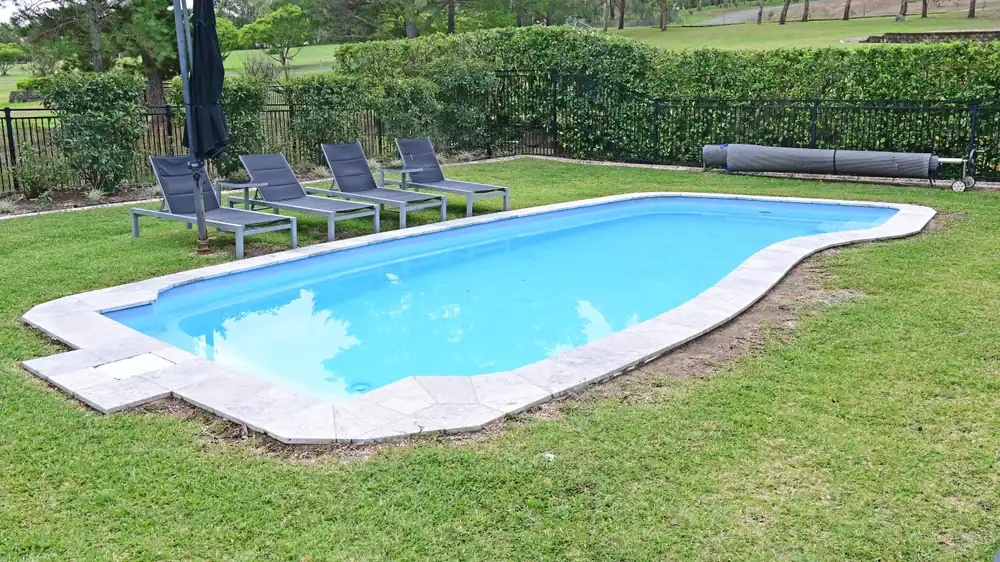
Hear from Our Customers
You get a pool that doesn’t float, crack, or need a liner replacement in eight years. That’s not a small thing when you’re talking about a structure sitting in the clay-heavy subsoil that runs through this part of Coffee County. Clay expands when it’s wet and contracts when it dries out and that cycle happens every single year in South Georgia. A pool that isn’t engineered for it will show you the consequences eventually.
Bridgetown properties tend to be larger rural parcels, which gives you more flexibility in where the pool goes and how it’s laid out. But bigger lots also mean more drainage considerations, more distance from utility connections, and sometimes a septic system to route around. These aren’t problems they’re just variables that require someone who has actually worked in this area and knows what they’re looking at when they walk your property.
South Georgia gives you close to eight months of real swimming weather. From late March through October, your pool isn’t sitting idle. That changes the math on what this investment actually costs per use over 20 or 30 years and it makes a well-built, durable pool one of the most used things on your property.
We’re a family-owned business based in Douglas the Coffee County seat about 20 to 30 minutes from Bridgetown. Our builders have been working in South Georgia’s soil for over three decades. That’s not a number pulled from a brochure. It means we’ve seen what happens to pools built without accounting for the clay conditions in this part of the county, and we build specifically to avoid those outcomes.
Being based in Douglas matters for Bridgetown residents in a practical way. When you have a question during your project, you’re calling a local number answered by people who know Coffee County the permit office, the road conditions, the seasonal rain patterns, and the kind of land that sits out along Bridgetown Road. That familiarity doesn’t come from a franchise manual. It comes from years of doing this work right here.
It starts with a conversation. You walk the property with our team, talk through what you’re envisioning, and get a clear picture of what’s realistic for your specific lot including any drainage patterns, septic setbacks, or utility considerations that affect placement. From there, the design takes shape around your land, not around a catalog of preset shapes.
Once the design is finalized, we handle the entire permitting process with Coffee County. Because Bridgetown is unincorporated, that means county-level permits rather than a city office a process most homeowners have never navigated before. We’ve done it many times and handle every submission, inspection, and sign-off without putting that burden on you.
Construction itself typically runs six to eight weeks from groundbreaking to completion once permits are approved. South Georgia’s wet summer periods are already built into how we schedule and sequence work we’re not caught off guard by afternoon storms or saturated clay after a heavy rain. When the pool is finished, it comes with a custom-fitted safety cover and a clear walkthrough of your equipment so you know exactly what you have. If you want ongoing maintenance handled professionally, that option is available too.
Ready to get started?
Every pool we build is cement. Not fiberglass, not vinyl cement. In the clay-heavy subsoil that runs through southwestern Coffee County, this isn’t a preference. It’s the right call. Fiberglass pools are pre-molded shells that can actually pop out of the ground when groundwater pressure builds beneath them during South Georgia’s heavy rain seasons. Vinyl liner pools hold up fine for a while, but they require a full liner replacement every seven to ten years at a cost of $4,000 to $6,000 each time. Cement gets stronger as it cures and doesn’t carry those recurring costs.
What you get with a Deep Waters build is a fully custom inground pool designed around your Bridgetown property the size, shape, depth, and layout that fits your land and your family’s needs. That includes a custom-fitted safety cover sized to your specific pool, full permit handling through Coffee County’s building department, and a finished product that’s been through every required inspection before you ever get in the water.
For Bridgetown homeowners who want to protect their investment long-term, we offer weekly pool maintenance plans so your water chemistry, equipment, and cleaning are handled by the same team that built the pool. In a rural community where pool supply stores aren’t around the corner, that kind of ongoing support makes a real difference.
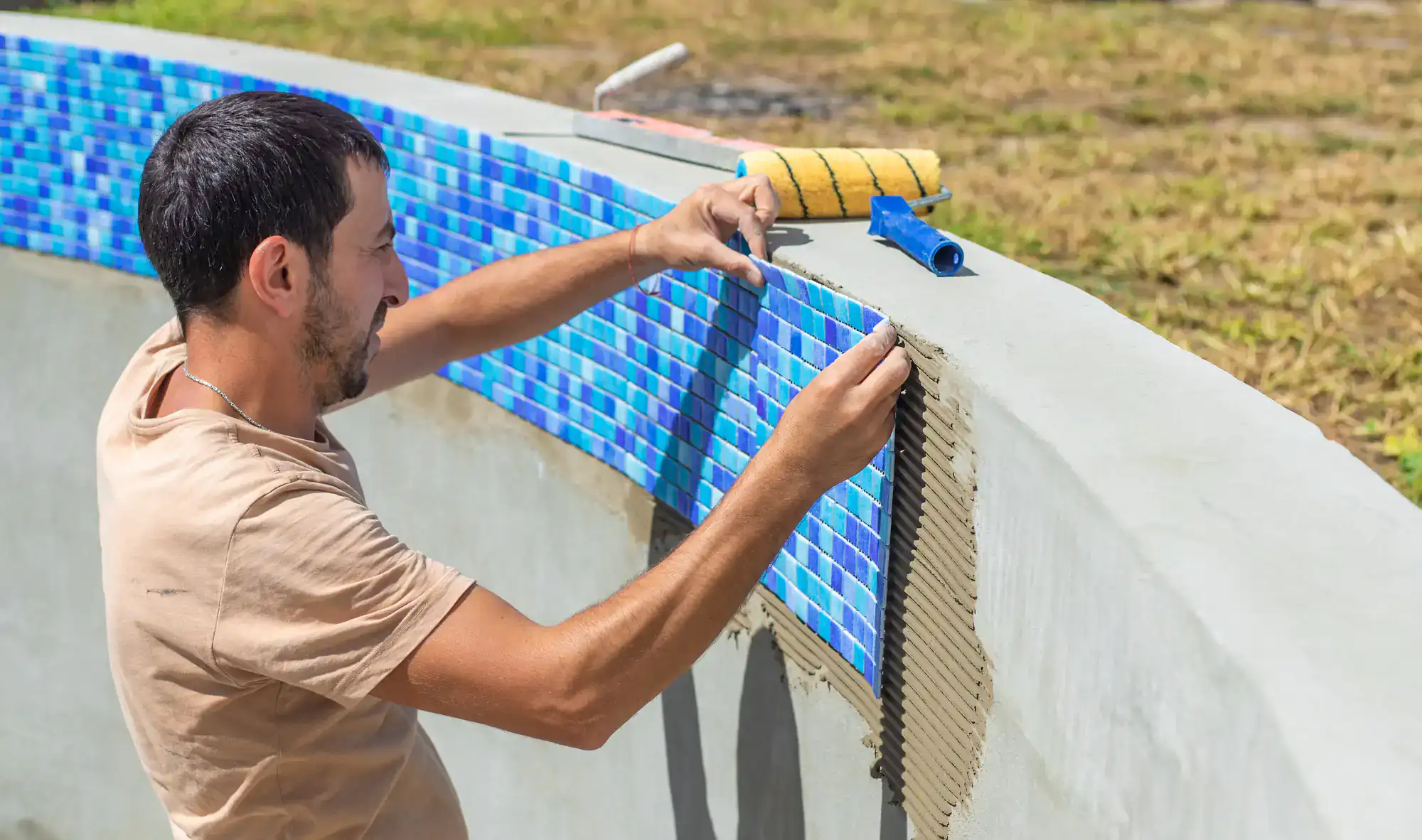
Yes and because Bridgetown is an unincorporated community, your permits go through Coffee County rather than a city government. That’s a different process than what residents of Douglas, Broxton, or Nicholls deal with, and it’s one that most homeowners have never navigated before. You’ll need a building permit from the county, and the finished pool will need to pass inspections for structural work, electrical connections, and safety barriers before it’s considered complete.
We handle all of this for you. That means the application, the scheduling, the documentation, and any follow-up the county requires none of it lands on your plate. Georgia state law also requires that all pools have proper safety fencing or barriers regardless of whether the property is in an incorporated or unincorporated area, so that’s factored into the design and permitting process from the start.
Cement is the right answer for this part of South Georgia, and it’s not a close call. The soil in the Bridgetown area and throughout southwestern Coffee County is clay-heavy beneath the surface. Clay absorbs moisture and expands, then dries out and contracts. That seasonal movement creates real stress on pool structures, and not all materials handle it the same way.
Fiberglass pools are installed as a single pre-molded shell, and in areas with high groundwater pressure like what you get in South Georgia during heavy rain periods that shell can actually lift out of the ground. Vinyl liner pools avoid that risk but introduce a different long-term cost: liner replacements every seven to ten years. Cement pools are engineered in place, set into the ground with foundations designed for local soil behavior, and they actually get stronger over time as the concrete continues to cure. For a Bridgetown property owner thinking in decades rather than years, cement is the only material that makes sense.
For a custom inground cement pool in this part of Coffee County, you’re generally looking at a range of $35,000 to $65,000 depending on the size, shape, depth, and features you’re working with. That range reflects real projects not a low number designed to get you on the phone and a different number once work starts. Transparent pricing is how we operate, which means the quote you receive before construction begins is what you pay.
A few things affect where your project lands within that range. Larger pools with spas, custom decking, or more complex layouts sit toward the higher end. Straightforward rectangular or freeform pools on properties without significant drainage or utility complications tend to come in lower. Bridgetown properties are often rural parcels with more space to work with, which is a design advantage but larger lots can also introduce variables like septic system setbacks or longer utility runs that affect cost. The best way to get an accurate number is to have someone walk the property with you.
From groundbreaking to your first swim, construction typically takes six to eight weeks. That’s the actual build time once permits are approved and our crew is on-site. What most people don’t account for is everything that happens before groundbreaking the design consultation, the permit application, and the county review period. In Coffee County, permit processing adds roughly one to two weeks to the timeline, sometimes more depending on the time of year.
The bigger timing issue is when families start the conversation. If you’re hoping to be swimming by Memorial Day, you need to be talking to a pool builder in the fall or early winter not in March. By the time spring arrives and most people start thinking about pools, the design and permitting process has already pushed the start date deep into summer. Families who contact us in the fall or winter are the ones who hit the water right when South Georgia’s swimming season opens up in late March or April.
For a Bridgetown homeowner who plans to stay on their property long-term, yes and the math holds up better here than in a lot of other markets. Inground pools in warm-climate areas like South Georgia deliver an average return of around 7% on home value, but the more compelling argument for most families in this area isn’t resale. It’s use.
South Georgia gives you close to eight months of comfortable outdoor swimming weather. That’s 200-plus days a year when your pool is actually being used not sitting under a cover waiting for a three-month window to open. Rural Bridgetown properties tend to have the space to build something that becomes a genuine gathering place: a backyard that pulls family in, keeps kids home during summer, and creates the kind of memories that don’t happen at a public pool or a neighbor’s house. A cement pool built by us is still going to be there, structurally sound and beautiful, 40 years from now. That’s not a short-term purchase it’s a long-term feature of the land.
Yes, and for Bridgetown homeowners, this is worth thinking about before the pool is even finished. Managing water chemistry, keeping equipment running correctly, and staying on top of cleaning takes more time and know-how than most new pool owners expect and in a rural community like Bridgetown, you don’t have a pool supply store five minutes away when something is off with your water or a piece of equipment needs attention.
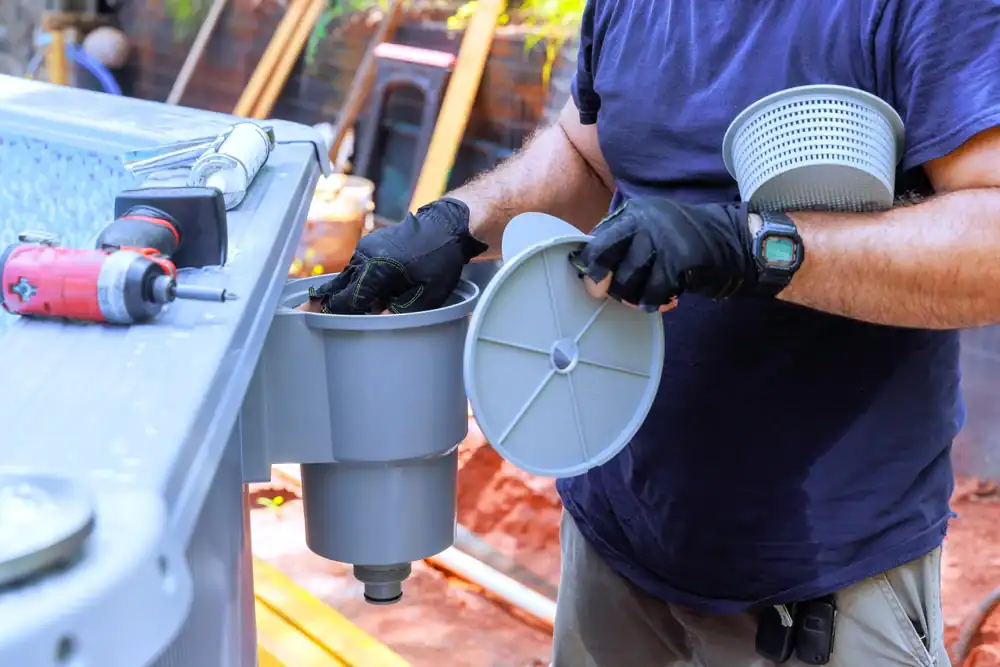
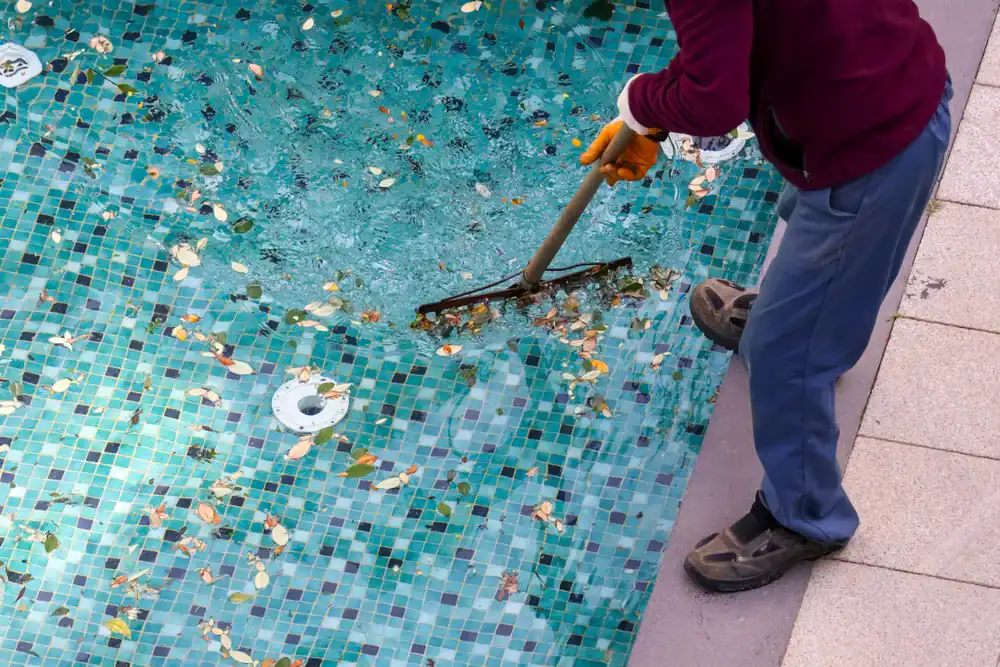
We offer weekly pool maintenance plans that cover water testing and balancing, equipment checks, and cleaning so the pool is ready to swim in without you spending your Saturday morning figuring out chemistry. Having the same company that built your pool available to maintain it means we already know your equipment, your pool’s specific layout, and what normal looks like for your water. If something is off, we catch it early. For families who want to actually enjoy their pool instead of manage it, a maintenance plan is one of the most practical decisions you can make alongside the build itself.
Other Services we provide in Bridgetown