
Hear from Our Customers
You’re not just buying a pool. You’re buying every Saturday afternoon your kids spend in the water instead of staring at screens. Every evening you cool off after a long day instead of cranking the AC higher.
An above ground pool gives you all of that without the months of construction tearing up your yard or the loan you’d need for an inground build. Most installations wrap up in a few days, and you’re swimming by the weekend.
But only if it’s done right. The ground prep matters. The leveling matters. The equipment setup and plumbing connections matter. Get any of it wrong and you’re dealing with uneven walls, pump problems, or worse—a full reinstall on your dime.
That’s where experience counts. You want someone who’s seen the soil conditions around Gladys, GA, knows how South Georgia clay behaves, and won’t cut corners just to finish faster.
Deep Waters Pools started with one person who knew concrete, plumbing, and custom pool construction inside and out. That was over 30 years ago. Since officially opening in 2014, we’ve been building pools for families across South Georgia who want quality work without the runaround.
We’re not the biggest name you’ll find. We’re the ones who show up on time, do the work right, and make sure you understand what’s happening at every step.
Gladys and the surrounding Douglas County area deal with specific soil and drainage challenges. We’ve worked in enough backyards around here to know what works and what doesn’t. You’re not getting a cookie-cutter approach—you’re getting a pool installed by people who’ve done this hundreds of times in conditions just like yours.
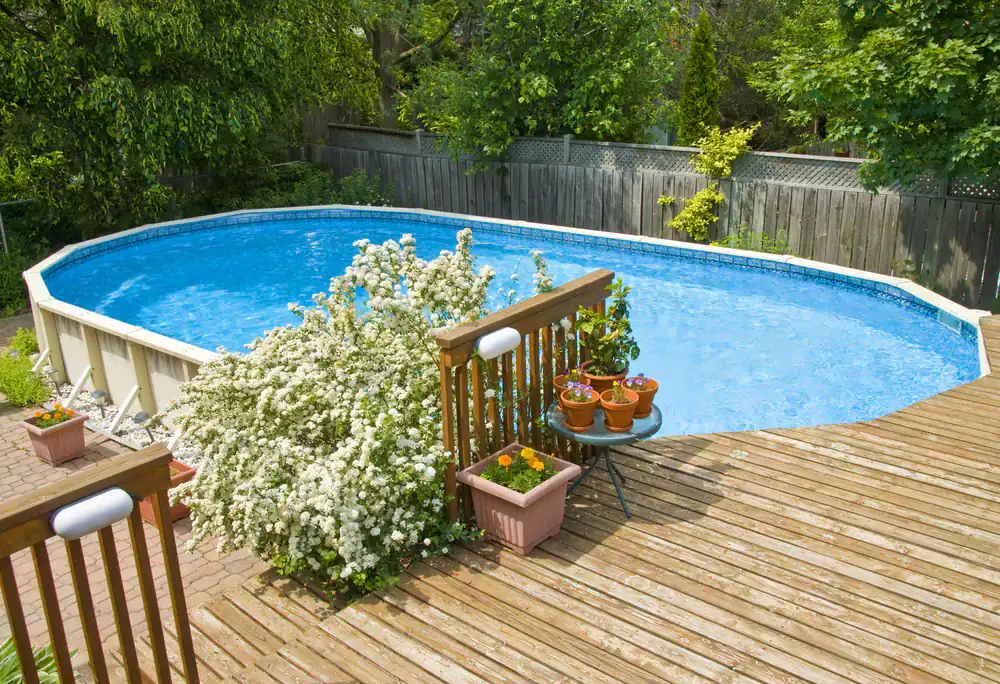
First, we come out to look at your yard. We’re checking for level ground, drainage issues, and how much prep work is actually needed. Some yards are ready to go. Others need grading or a sand base. We’ll tell you exactly what yours needs.
Once the site is prepped, we bring in the pool and start the install. The walls go up, the liner gets set, and all the plumbing and filtration equipment gets connected. This isn’t a drop-and-go situation—everything has to be level, sealed, and tested before we add water.
After the structure is up and the system is running, we walk you through the basics. How to maintain your water chemistry. When to clean the filter. What to watch for. You’ll have our number if something comes up, but most people find above ground pools pretty straightforward once they get the hang of it.
Then you’re done. Fill it up, let the pump do its thing, and you’ve got a pool. The whole process usually takes a few days depending on site conditions, but you’re not waiting weeks or dealing with heavy machinery ripping up your lawn for a month straight.
Ready to get started?
You’re getting the full setup. That means site evaluation, ground prep, professional installation of the pool structure, and complete equipment hookup—pump, filter, ladder, and any safety features you want added.
We’re not handing you a box and wishing you luck. Everything gets tested and running before we leave. If there’s an issue with the ground or drainage specific to your property, we handle it. South Georgia soil can be tricky, especially around Gladys where clay content varies. We’ve dealt with it enough to know how to prep your site so the pool stays level and stable.
You also get a walkthrough on maintenance. We’ll show you how to keep your water balanced, what chemicals to use, and how often to run your system. It’s not complicated, but it’s easier when someone shows you the first time instead of you trying to figure it out from a manual.
And if you want decking or patio work done around the pool to tie everything together, we can handle that too. A lot of families around here like having a finished area around the pool instead of just grass. It makes the whole setup look intentional and gives you a cleaner space to work with.
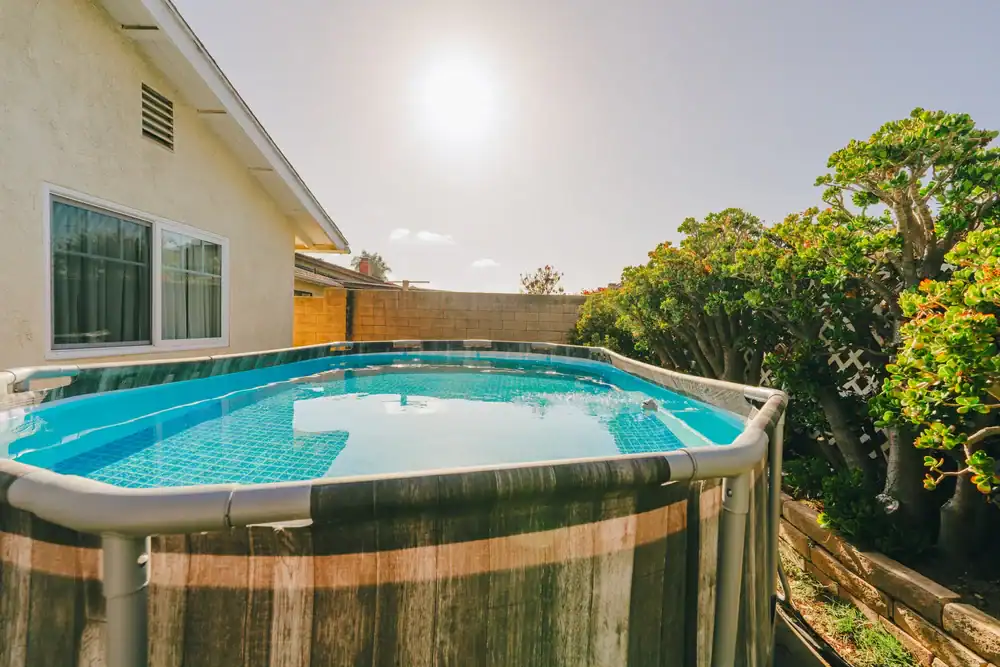
Cost depends on the size of the pool, what your yard needs for prep work, and what equipment package you choose. A basic setup usually starts in the low thousands, but that can go up if your site needs grading, a sand base, or drainage work.
The bigger factor is what you’re comparing it to. An inground pool in South Georgia runs anywhere from $30,000 to $60,000 or more once you factor in excavation, concrete, plumbing, and finishing. An above ground pool gets you in the water for a fraction of that, and you’re still getting a real pool that your family will use all summer.
We give you a clear quote after looking at your yard. No surprises, no upselling you on stuff you don’t need. You’ll know exactly what it costs before we start any work.
Most installs take two to four days depending on your yard. If the ground is already level and drains well, we’re on the faster end. If we need to bring in fill, level out a slope, or address drainage issues, it takes a bit longer.
Compare that to an inground pool, which can take weeks or even months when you factor in excavation, inspections, concrete curing, and finishing work. You’re also dealing with heavy equipment, torn-up landscaping, and contractors coming and going for weeks.
With an above ground pool, the disruption is minimal. We prep the site, install the pool, hook up the equipment, and you’re swimming by the weekend. It’s one of the biggest reasons families around Gladys choose above ground—they want a pool this summer, not next year.
Yes, and in some ways they’re safer than inground pools. The elevated walls create a natural barrier that makes it harder for young kids or pets to accidentally fall in. You’re not dealing with a pool that’s flush with the ground where a toddler can wander in unsupervised.
That said, you still need to take safety seriously. We recommend adding a safety ladder that you can remove or lock when the pool’s not in use. Some families also add fencing around the pool area for an extra layer of protection, especially if they have younger children.
The key is supervision and common-sense precautions. An above ground pool gives you a head start on safety because of the design, but you still need to be intentional about how you manage access. We’ll walk you through the best options for your setup based on your family’s needs.
Less than you’d think. You’ll need to check your water chemistry a couple times a week and add chemicals as needed to keep everything balanced. Run your filter daily—most people set it on a timer so it’s automatic. Skim out leaves and debris every few days, and vacuum the bottom once a week or so.
The maintenance is simpler than an inground pool because you’re working with a smaller volume of water and less surface area. Chemical costs are lower, and the equipment is easier to access if something needs attention.
Where people get tripped up is letting things slide. If you ignore your water chemistry for a week or two, you’ll end up with algae or cloudy water that takes more work to fix. Stay on top of the basics and it’s maybe 20 minutes a week. We’ll show you exactly what to do so you’re not guessing.
In most cases, yes. That’s one of the advantages of an above ground pool—it’s not a permanent structure like concrete. If you move to a new house, you can disassemble it, transport it, and reinstall it at your new property.
That said, it’s not always worth it depending on the age and condition of the pool. Liners wear out over time, and if yours is already several years old, you might be better off buying new at your next place rather than paying for disassembly, transport, and reinstall.
If you’re planning to move in the next few years and want a pool in the meantime, an above ground pool makes a lot of sense. You’re not making a permanent investment in a property you might not own long-term. And if you do stay, you’ve got a pool that’ll last 10 to 15 years or more with proper care.
It depends on the size and setup, but most above ground pools in Gladys don’t require a permit if they’re under a certain depth and not permanently installed. That said, local codes can vary, and it’s worth checking with Douglas County or your local municipality before you start.
We’ve handled enough installs in the area to know what typically applies, and we can point you in the right direction. If a permit is required, it’s usually a straightforward process—nothing like the permitting headaches that come with inground construction.
The bigger issue is making sure your homeowners association or neighborhood covenants allow above ground pools. Some HOAs have restrictions on pool types or placement. If you’re in a neighborhood with an HOA, check those rules first. We’ve seen people get halfway through planning before realizing their HOA won’t approve it, and that’s a frustrating situation to be in.