

Hear from Our Customers
You stop worrying about whether the water’s safe for your kids. The chemicals stay balanced without you testing strips every other day or second-guessing what to add.
Your equipment runs longer because someone’s actually checking it before small problems turn into expensive replacements. The pool stays clear through Georgia’s summer storms and pollen season without you scrubbing walls on your Saturday morning.
You get your weekends back. That’s what regular swimming pool service actually does—it removes the maintenance burden so your pool becomes what it’s supposed to be: something you use, not something you manage.
We’ve been maintaining pools in Gladys, GA and throughout Douglas County since before most pool companies in the area existed. That’s three decades of understanding how Georgia’s clay soil affects pool structures, how our humidity impacts chemical balance, and what equipment actually holds up in this climate.
We’re the same family-owned business we started as. No franchise playbook, no rotating technicians who don’t know your pool.
When you call, you’re getting someone who’s seen what happens when pools aren’t maintained properly in this area—and who knows exactly how to prevent it at your place.
We start with your water chemistry because that’s what keeps swimming safe. Testing, balancing, and adjusting chlorine, pH, alkalinity, and calcium levels based on how your pool’s been used and what the weather’s done since last visit.
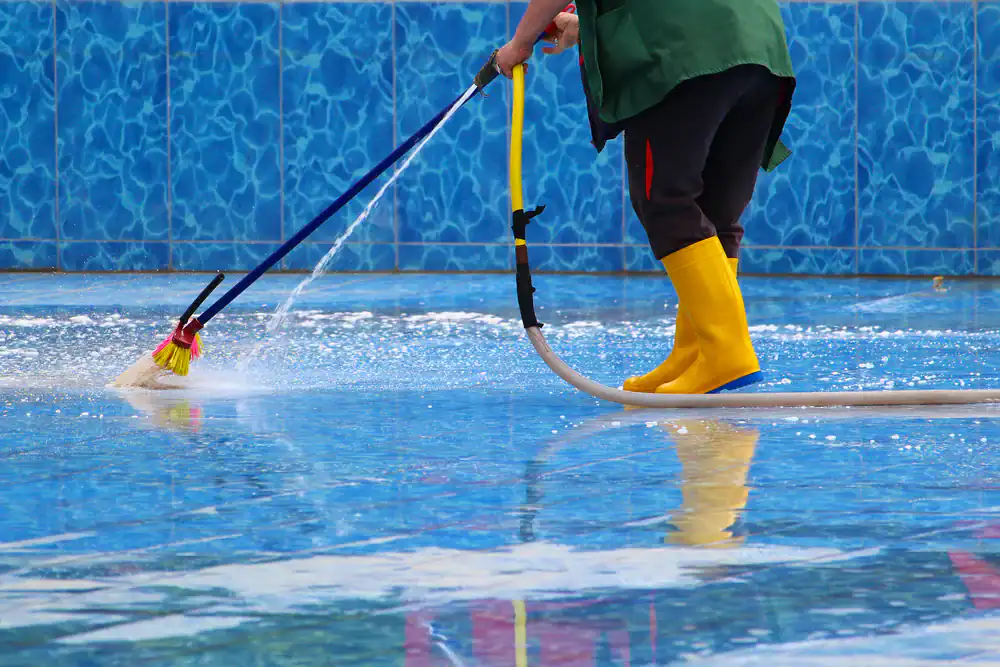
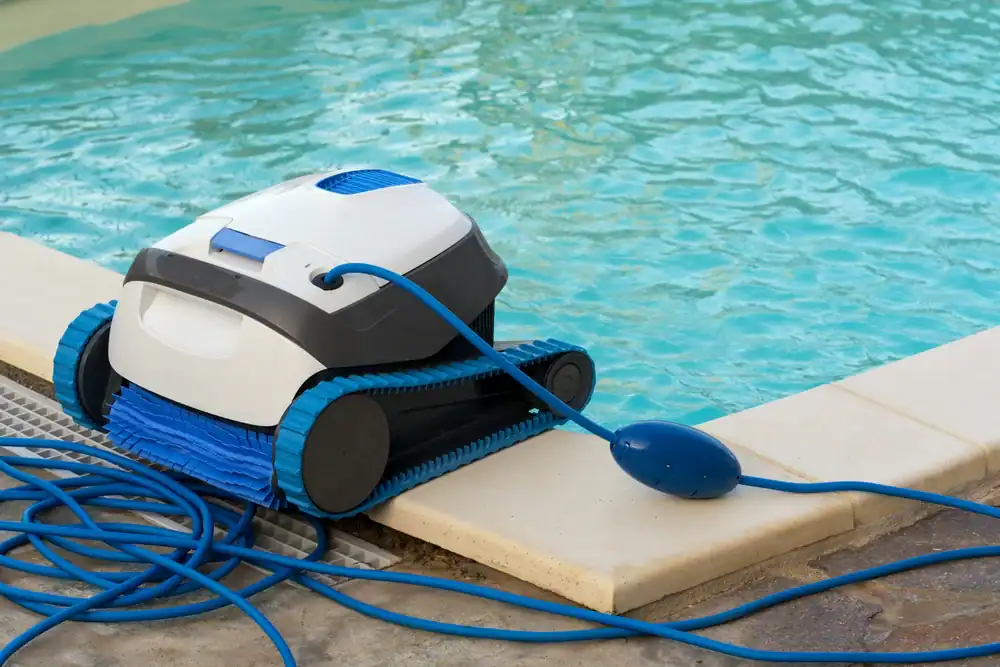
Then we clean what needs cleaning—skimming surface debris, brushing walls and tile, vacuuming the floor, and emptying baskets. Not just the visible stuff, but the spots where algae starts if you’re not paying attention.
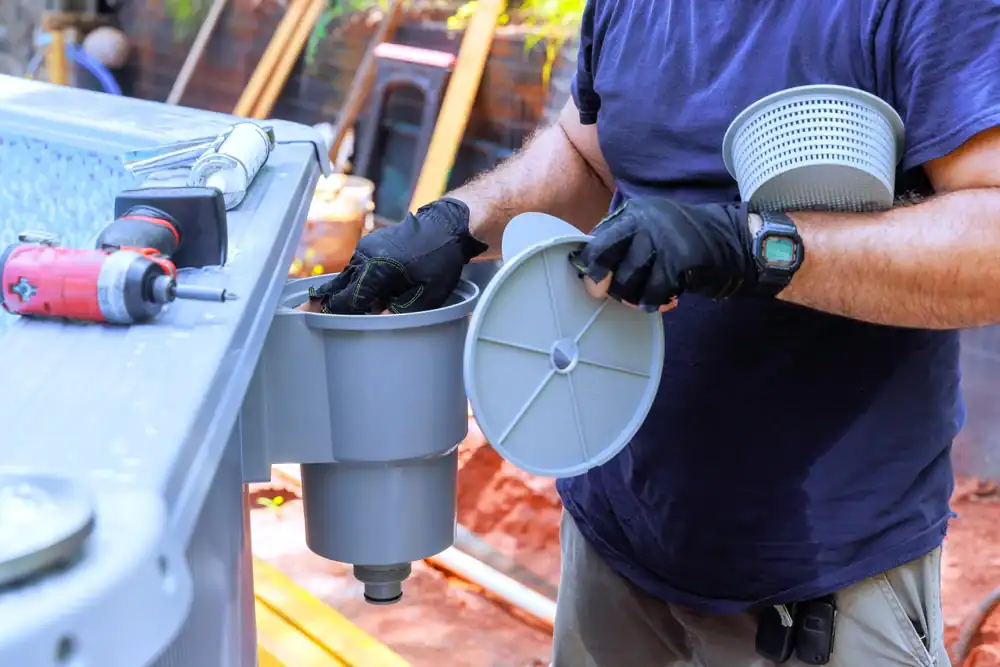
Equipment gets checked every time. Pump, filter, heater if you have one. We’re looking for early signs that something’s wearing out or running inefficiently, because catching it early saves you serious money.
You’ll know what we did, what we found, and what’s coming up. No surprises, no technical jargon you have to Google later. Just straight information about your pool’s condition and what it needs.
Ready to get started?
Every visit covers complete water testing and pool chemical balancing service—the most critical part of pool safety that most homeowners get wrong when doing it themselves. We’re adjusting for Gladys’s specific water conditions and seasonal changes that affect chemical needs.
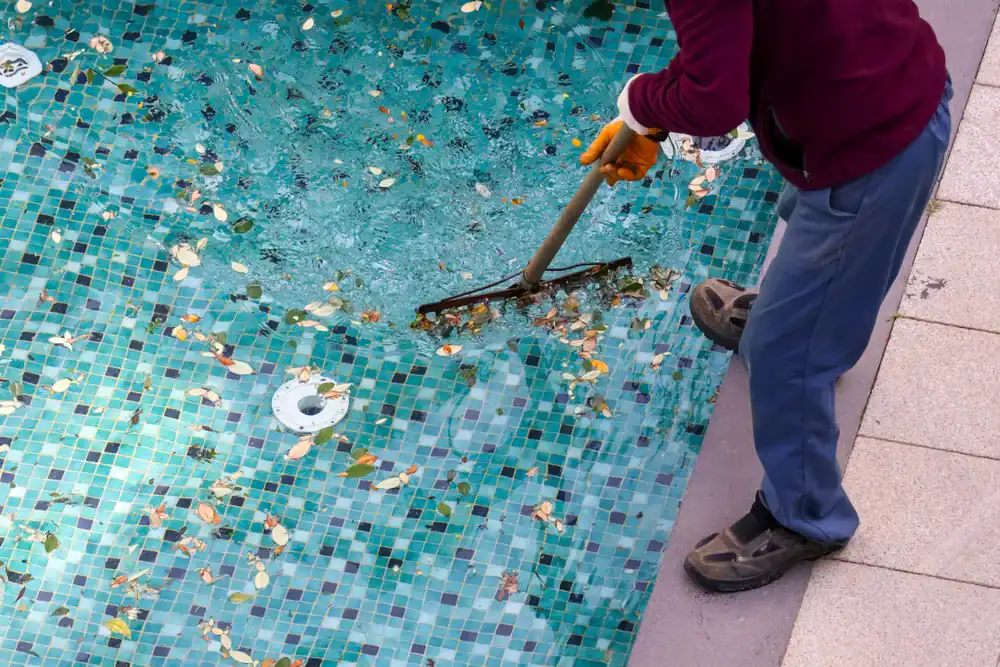
Full cleaning means skimming, brushing, and vacuuming. We’re removing the pine needles, pollen, and debris that accumulate faster here than in drier climates. Your filter gets cleaned or backwashed based on pressure readings, not arbitrary schedules.
Equipment inspection happens each time because your pump and filter are expensive to replace. We check for unusual sounds, leaks, pressure issues, or efficiency problems. Most major repairs can be avoided if someone’s actually looking before things fail.
You also get real communication. If something needs attention beyond routine maintenance, you’ll hear about it with enough detail to make an informed decision—not a panic call after equipment’s already dead.
Most residential pools in Gladys, GA need weekly service during swimming season and bi-weekly during cooler months. That’s based on how quickly debris accumulates here and how fast chemical balance shifts in Georgia’s humidity.
If your pool gets heavy use—kids swimming daily, frequent guests, or you’re running your heater to extend the season—weekly makes sense year-round. The water chemistry changes faster with more swimmers, and you’ll see algae growth or cloudy water between visits if you stretch it too far.
Trees nearby, especially pine trees, mean more frequent cleaning. The needles and pollen don’t just float on top—they sink and create extra demand on your filter and chemicals. If you’re spending time every few days skimming and testing yourself, you’re already doing the work that weekly professional service would handle.
Chemical balancing means keeping chlorine, pH, alkalinity, calcium hardness, and cyanuric acid in the right ranges so your water’s safe to swim in and doesn’t damage your pool or equipment. Get it wrong and you’re either swimming in water that’s not properly sanitized or you’re corroding your heater and etching your plaster.
Chlorine kills bacteria and algae, but it only works efficiently when pH is in the right range. Too high and your chlorine’s basically useless even though test strips show it’s there. Too low and you’re corroding metal components and irritating skin.
Alkalinity buffers pH changes so you’re not constantly adjusting. Calcium prevents water from pulling minerals out of your plaster or concrete, which causes pitting and rough surfaces. In Douglas County, our water chemistry and seasonal temperature swings mean these levels shift differently than they would in other climates. That’s why generic pool store advice often misses the mark—it’s not accounting for local conditions that affect how your specific pool behaves.
You check how long they’ve been serving the local area and whether they’re still owner-operated. Companies that have been around Douglas County for decades don’t stay in business by being unreliable—word travels fast in smaller communities like Gladys.
Ask what happens if your regular technician can’t make it. Do they send someone else who knows your pool, or does your service just get skipped that week? Consistent service means consistent results, and missed weeks lead to algae blooms and chemical imbalances that take multiple visits to correct.
Look at whether they’re licensed and insured, because companies operating legally have more accountability than someone running a casual side business. You want a company that treats this as their primary business, not a side hustle that gets deprioritized when something better comes along. We’ve been doing this in Douglas County for over thirty years because we show up, do the work right, and communicate when anything changes.
If we’re maintaining your pool regularly, we’re catching most equipment issues before they become emergencies. But when something does break unexpectedly, you call us and we assess it quickly—usually same day for existing service customers.
We’ll tell you whether it’s something that needs immediate attention or can wait until the next scheduled visit. If your pump dies in July, that’s urgent because your water will turn green within days. If a light fixture stops working, that can usually be scheduled normally.
The advantage of having the same company handle both maintenance and repairs is we already know your equipment, your pool’s history, and what’s been replaced or repaired before. We’re not starting from scratch trying to diagnose issues or figure out what parts you need. Most repairs get handled faster and cost less when your service company already knows your system and has been monitoring it all along.
That depends on whether you value your time and whether you’re willing to learn enough chemistry and equipment maintenance to do it right. Most homeowners who try DIY pool care either spend more time than they expected or end up with water quality issues they can’t figure out.
Professional service costs less than you’d spend fixing problems that develop from inconsistent or incorrect maintenance. One algae bloom that requires shock treatment and multiple chemical corrections costs about what you’d pay for a month of service. A pump that fails early because nobody noticed it was running hot or pulling too much pressure—that’s a thousand-dollar lesson in why regular inspections matter.
Your time has value too. If you’re spending two to three hours weekly testing, balancing, cleaning, and checking equipment, that’s time you’re not swimming or doing literally anything else. For most people in Gladys with busy work schedules and family obligations, paying someone who knows what they’re doing makes more sense than becoming a part-time pool technician.
Georgia’s humidity, clay soil, extended swimming season, and heavy pollen all affect how pools behave and what they need. Your water evaporates slower than it would in Arizona, which means chemicals concentrate differently and you’re adjusting for that instead of constantly adding water.
The clay soil throughout Douglas County shifts with moisture changes, which can affect pool structures and plumbing over time. That’s why you need someone familiar with how pools settle and move in this specific soil type, not just general pool knowledge from somewhere else.
Our pollen season is brutal—pine pollen especially creates a layer of yellow film that clogs filters faster and increases chemical demand. Pools here need more frequent filter cleaning during spring than they would in areas without our tree coverage. Summer storms roll through and dump debris, change water chemistry from rainfall, and require rebalancing more often than pools in drier climates. These aren’t huge differences individually, but they add up to needing someone who understands Georgia pool maintenance specifically, not just textbook pool care.