
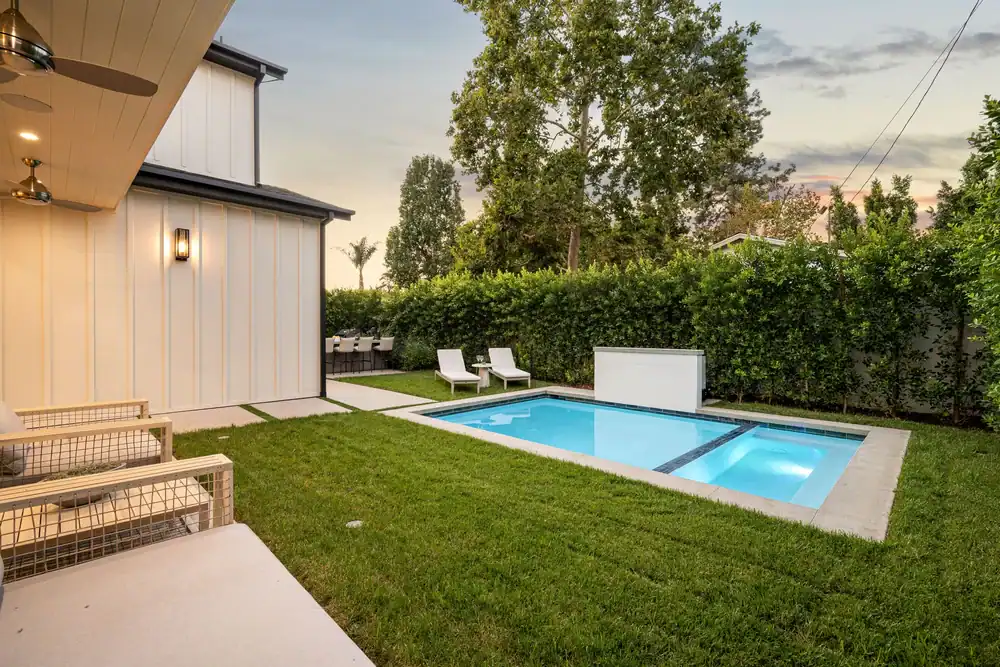
Hear from Our Customers
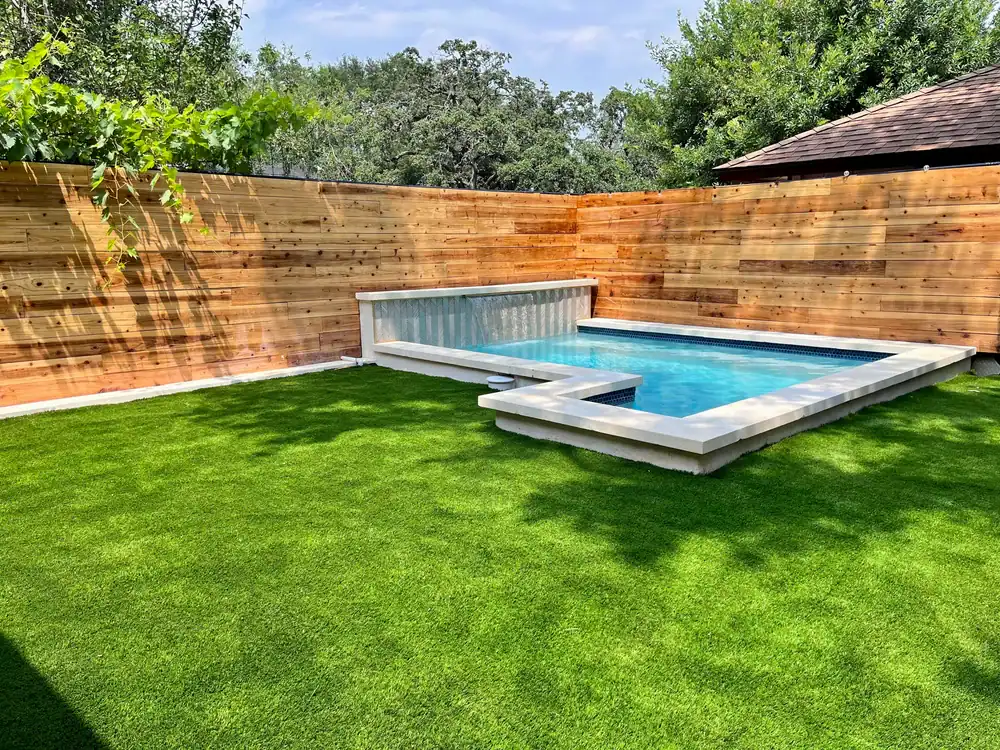
You’re not just adding a pool. You’re creating the spot where your kids learn to swim, where summer weekends happen, and where you finally use your backyard the way you always imagined.
An inground pool changes how your home feels. It gives you a reason to stay home on Saturday. It turns your property into the gathering place. And if you ever sell, you’re looking at a potential 7% bump in home value—on a $400,000 home, that’s $28,000 back in your pocket.
But here’s what matters more than resale: you get to enjoy it now. Gladys summers are hot. We’re talking 19 days over 104°F in the next 30 years. A custom cement pool isn’t just nice to have—it’s the smartest way to beat the heat and actually use your outdoor space from May through September.
We build gunite and shotcrete pools that fit your yard, your style, and your long-term plans. We’re not pushing a prefab shape or rushing through the job to get to the next one. You get a pool that’s yours, built right, and ready to last decades.
We specialize in custom inground cement pools across Douglas County and the surrounding Gladys area. We know Georgia soil, Georgia heat, and what it takes to build a pool that holds up year after year.
We’re not the biggest operation, and we’re not trying to be. What we are is focused—on quality work, clear timelines, and making sure you know exactly what you’re getting before we break ground.
Gladys homeowners deal with the same concerns you do: cost uncertainty, contractor availability during peak season, and whether the finished product will actually match what was promised. We handle all three by staying transparent about pricing, realistic about schedules, and committed to delivering what we say we will. No shortcuts. No surprises.
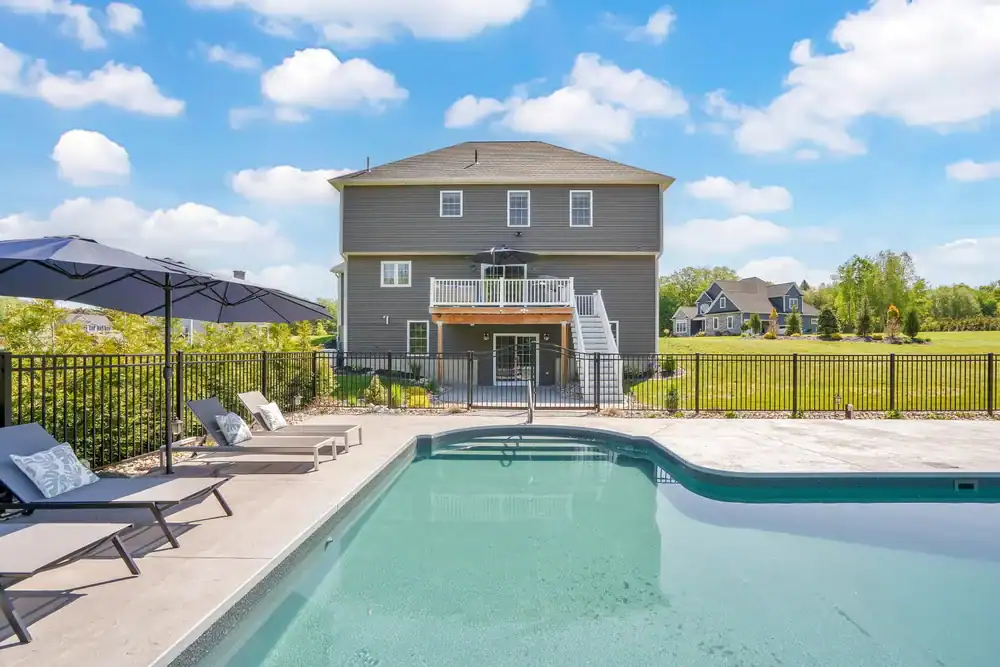
First, we come out to your property in Gladys and walk the yard with you. We talk about what you want, what’s realistic for your space, and what the timeline looks like. You’ll get a clear estimate—no vague ranges or surprise add-ons later.
Once you’re ready to move forward, we handle permitting and scheduling. Then we start excavation. From there, we build the steel framework, spray the gunite or shotcrete shell, and let it cure. After that comes plumbing, electrical, tile, coping, and decking. The whole process typically takes 2 to 4 months depending on weather, inspections, and your specific design.
We also offer custom pool covers because safety matters. If you’ve got young kids or just want peace of mind, a fitted cover is one of the smartest investments you can make alongside the pool itself.
You’ll know what’s happening at every stage. We don’t disappear for weeks at a time or leave you guessing when we’ll be back. You’re building something major—you deserve to be kept in the loop.
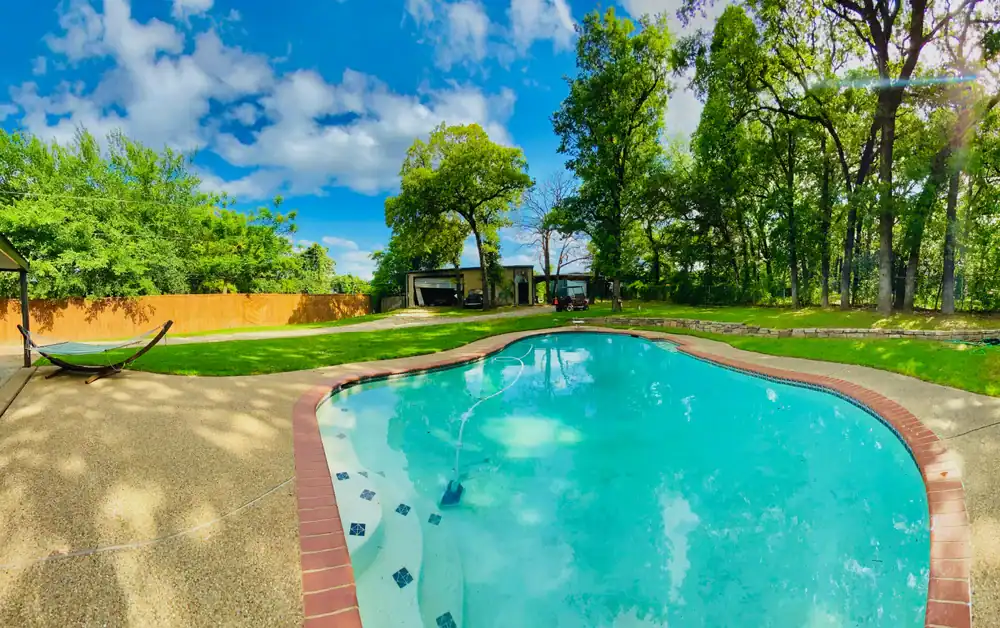
Ready to get started?
Concrete and gunite pools make up about 65% of the inground pool market because they’re durable, customizable, and built to last. You’re not limited to a handful of prefab shapes. You can go freeform, geometric, lap-style, or something totally unique to your yard.
In Gladys, that flexibility matters. Lot sizes vary. Terrain varies. Your vision for the space is yours alone. Gunite and shotcrete let us match the pool to the property instead of forcing your property to fit a mold.
You also get a pool that can be resurfaced, remodeled, and updated over time. Concrete pools are perceived as the highest quality option for a reason—they hold up. And with Georgia’s climate trending hotter, you want something that won’t crack, fade, or need replacing in 15 years.
We’re building your backyard oasis, not just installing a product. That means thinking through drainage, sun exposure, access points, and how the pool integrates with the rest of your outdoor space. It’s a bigger upfront investment than a vinyl liner or fiberglass shell, but it’s also the last pool you’ll ever need to install.
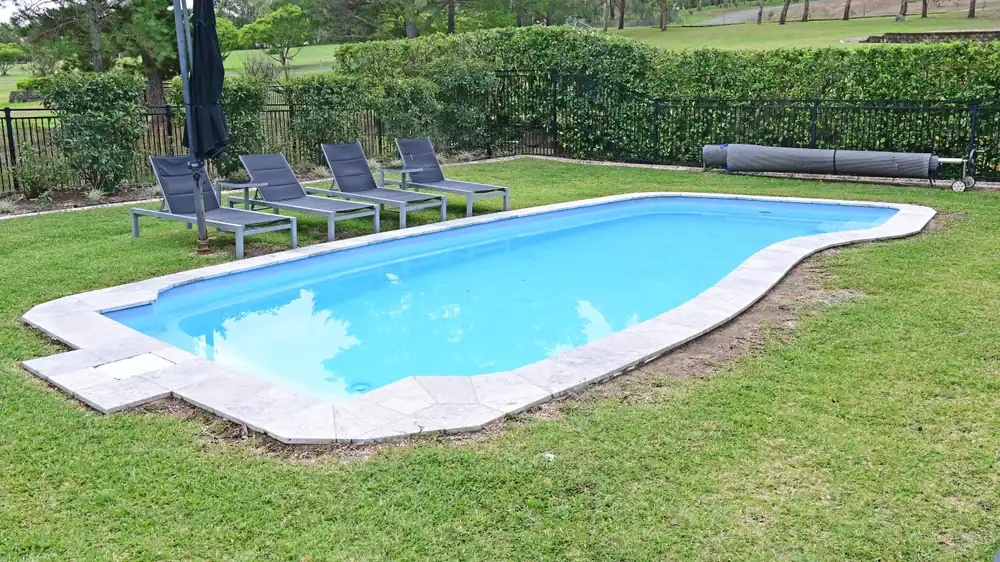
Most custom inground pools in Georgia run between $39,000 and $70,000, with the average landing around $55,000. That range depends on size, shape, features, and site conditions.
If your yard has tricky access, needs significant grading, or you’re adding extras like a spa, waterfall, or custom lighting, expect to be on the higher end. Simpler rectangular designs with standard finishes will come in closer to the lower end.
Financing is available, but a lot of buyers in this market pay cash or use home equity. Interest rates have made traditional pool loans less appealing for middle-income buyers, so it’s worth thinking through your payment strategy early. We’ll give you a detailed estimate after the site visit so there’s no guessing.
Plan on 2 to 4 months from the day we break ground to the day you’re swimming. That timeline includes excavation, steel installation, gunite application, curing time, plumbing, electrical, tile, coping, and decking.
Weather can slow things down—heavy rain or extreme heat affects curing and scheduling. Permitting and inspections add time too, depending on how fast the county moves. If you’re adding custom features or making design changes mid-project, that extends the timeline as well.
Spring and summer are our busiest seasons, so if you want a pool ready for next summer, start the conversation in late fall or winter. Booking early gives you more control over timing and ensures we’re not racing against the calendar.
Both are concrete. The difference is when the water gets added to the mix. Gunite is dry-mixed and water is added at the nozzle during application. Shotcrete is pre-mixed with water before it’s sprayed.
Functionally, they’re nearly identical in strength and durability. Gunite gives the crew a little more control over consistency on-site, which is why it’s more common in residential pool construction. Shotcrete can be faster in some scenarios, but both methods produce a rock-solid shell that lasts for decades.
What matters more than the method is the quality of the installation—proper steel reinforcement, correct mix ratios, and adequate curing time. We use both techniques depending on the project, and we’ll explain which makes the most sense for your pool during the design phase.
In most cases, yes—but not dollar for dollar. National data shows pools can boost home value by up to 7%. On a $400,000 home, that’s around $28,000. In Georgia’s hot climate, pools are seen as a bigger asset than in colder states where they sit unused half the year.
That said, resale value depends on your buyer. Families with young kids might hesitate due to safety concerns. Empty nesters or buyers looking for outdoor entertainment space will see it as a major plus. The key is building a pool that fits the neighborhood and doesn’t over-improve the property.
Even if you never sell, the real value is in how you use the space. If a pool means you’re home more, entertaining more, and enjoying your property more, that’s worth something beyond the appraisal.
Georgia law requires a barrier around pools to prevent unsupervised access by young children. That usually means a fence with a self-closing, self-latching gate. Local codes in Douglas County may have additional requirements, and we’ll walk you through those during planning.
A pool cover adds another layer of protection. We offer custom-fitted covers that keep debris out and make the pool safer when it’s not in use. If you’ve got kids or grandkids around, a cover isn’t optional—it’s essential.
Your homeowner’s insurance will likely go up once you add a pool, and most carriers require proof of proper fencing and safety measures. It’s worth calling your agent early in the process so you’re not surprised by the increase or the requirements.
Concrete pools need regular brushing, chemical balancing, and filter maintenance—pretty standard for any pool. The difference is the surface. Concrete is porous, so algae can take hold if you’re not staying on top of brushing and chlorine levels.
You’ll also need to resurface the pool every 10 to 15 years depending on wear and chemical balance. That’s not a dealbreaker—it’s just part of owning a concrete pool. Resurfacing also gives you a chance to update the look or fix any rough spots that develop over time.
The tradeoff is durability and customization. Concrete pools last longer than vinyl and give you way more design freedom than fiberglass. If you’re willing to put in a little extra maintenance, you get a pool that can be remodeled, expanded, or refinished as many times as you want over its lifetime.