
Hear from Our Customers
Georgia summers hit different when you’re stuck indoors because your yard has nothing to offer. You’ve thought about a pool, but inground construction feels like too much—too expensive, too disruptive, too permanent if you’re not sure you’ll stay in this house forever.
Above ground pools give you the same relief without the commitment. Your kids get a place to burn energy that isn’t a screen. You get a reason to actually use your backyard instead of just mowing it every week.
Installation happens in days, not months. Your lawn isn’t torn apart for half a summer. And when Georgia’s heat index pushes past 100, you’ll have somewhere to go that doesn’t require a drive or an admission fee.
We’ve been building pools across Douglas County and the surrounding areas for over 30 years. We’re a family-owned business, which means we’re not answering to corporate quotas or cutting corners to hit numbers.
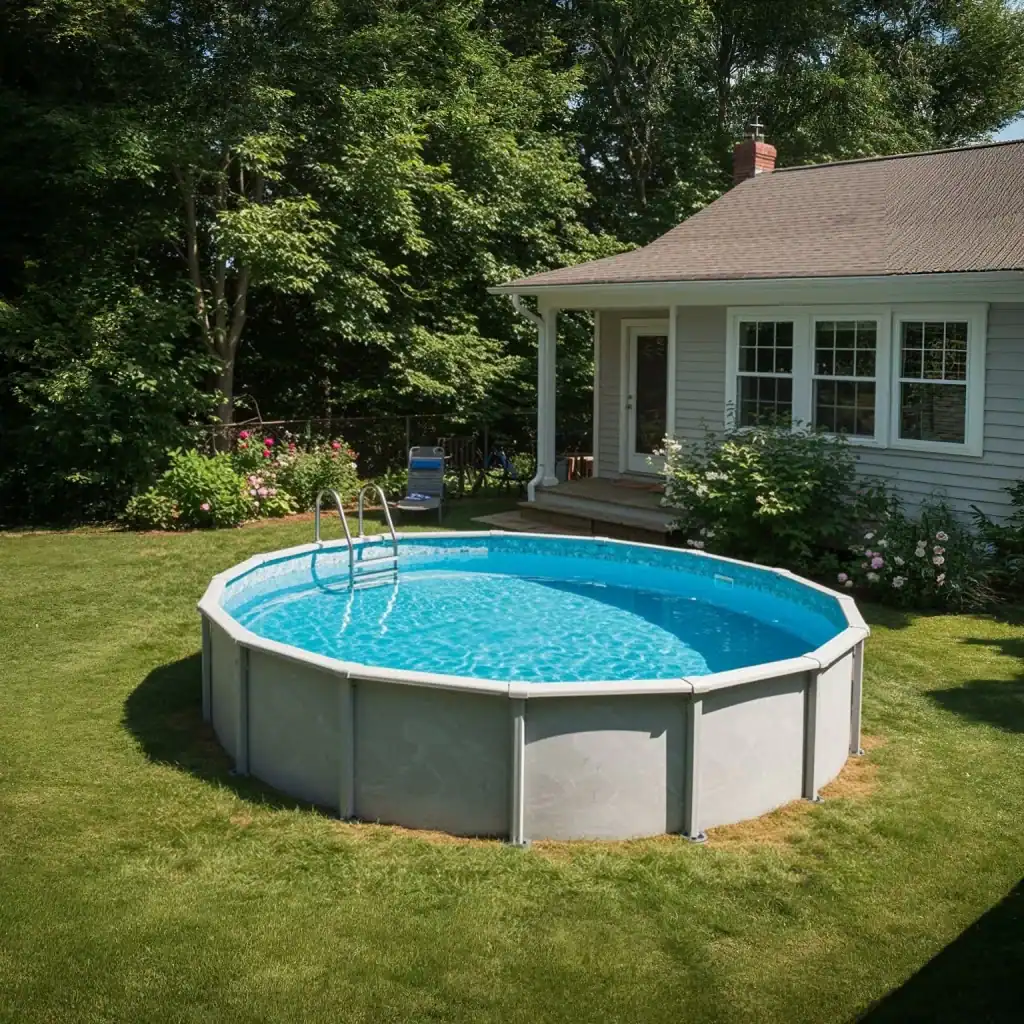
Most of our work has been custom inground pools, but we’ve seen the demand shift. Families in Mora want pools that fit their budget and their timeline. Above ground pools make sense for a lot of people, and we’re bringing the same level of care we’ve always used—just applied to a faster, more affordable option.
We handle permits, we show up when we say we will, and we don’t disappear after installation. You’re working with people who’ve been doing this long enough to know what actually matters.
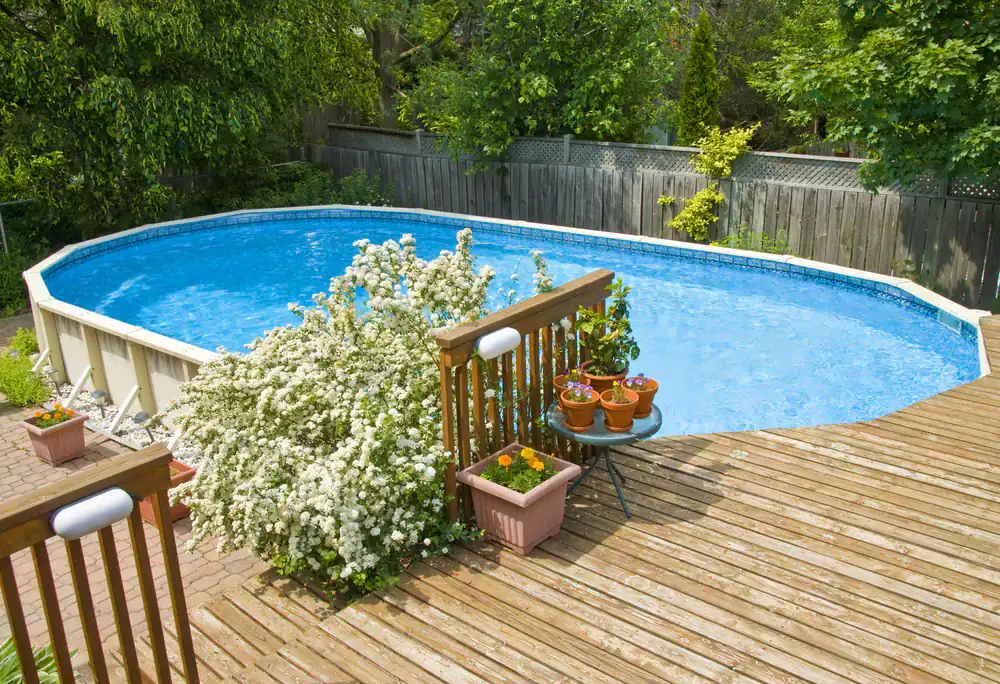
First, we come out to look at your yard. We’re checking for level ground, drainage, access for equipment, and any obstacles that might complicate things. This visit is free, and it’s where we answer your questions about size, placement, and timing.
Once you’re ready to move forward, we handle the permit paperwork. Georgia requires permits for residential pools, and we’ve done this enough times that we know exactly what Douglas County needs. You don’t have to call the county or figure out code requirements—we take care of it.
Installation day involves site prep, setting the pool structure, and getting everything level and secure. Depending on the model and your yard, this usually wraps up in a day or two. After that, we walk you through startup, water chemistry, and maintenance basics so you’re not guessing what to do next.
You’ll also need to think about safety barriers if you have young kids. Georgia law requires certain precautions, and we’ll make sure you’re covered there too.
Ready to get started?
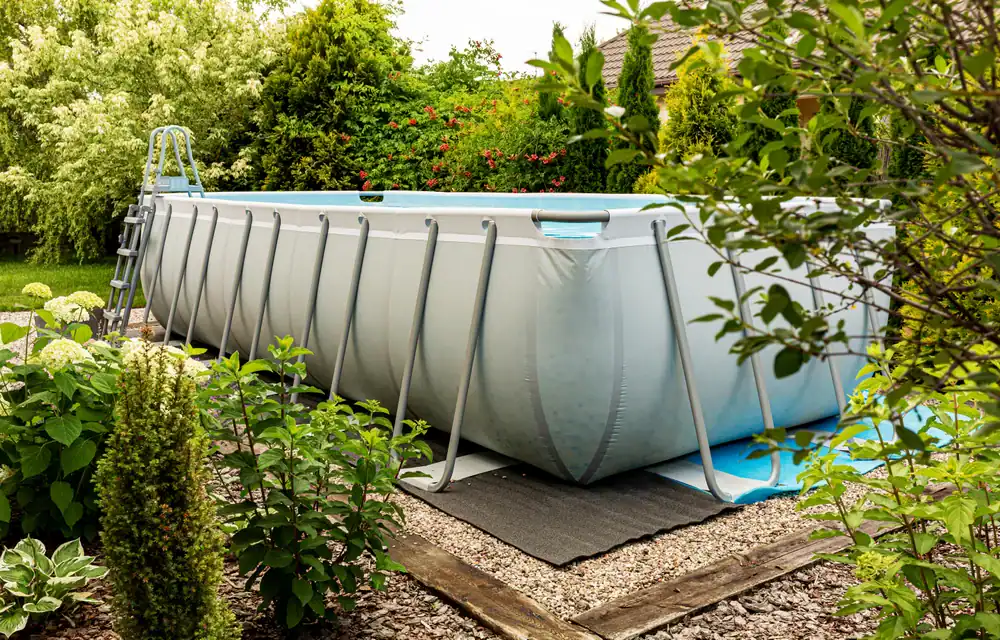
When we install your above ground pool, you’re getting more than just the pool itself. We prep the site properly so your pool sits level and stable—Georgia soil can be tricky, especially with the mix of clay and sand common around Mora. Rushing this step leads to problems later, and we’ve seen plenty of those from other installers.
We also walk you through the equipment: pump, filter, ladder, and any add-ons you’ve chosen. You’ll know how everything works before we leave. If you have questions a week later, you can call us. We’re local, and we’re not going anywhere.
Maintenance is on you after installation, but we’re happy to point you toward the right supplies and give you a realistic picture of what’s involved. Most above ground pools are easier to manage than inground, but there’s still a learning curve if you’ve never owned a pool before.
If you want extras like decking, upgraded filtration, or a pool cover, we can handle that too. We’ve been doing pool construction long enough to know what holds up in Georgia weather and what’s just marketing.
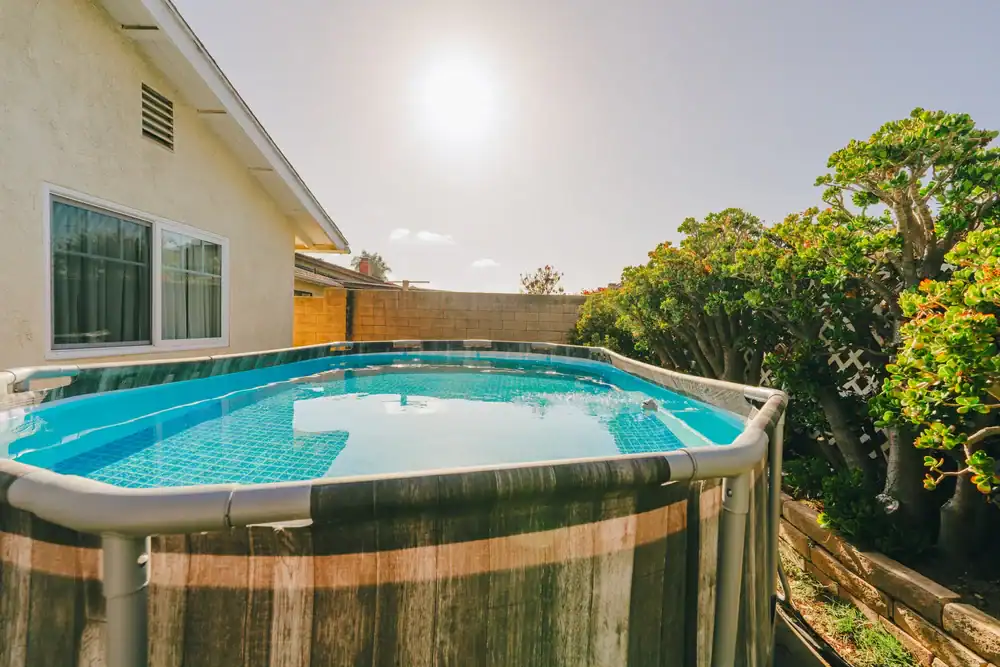
Most above ground pool installations are done in one to two days, depending on the size of the pool and your yard conditions. If your yard is already level and accessible, we’re usually in and out faster.
The bigger variable is permitting. Douglas County requires a permit for any residential pool, and processing times can vary depending on how busy they are. We submit everything for you, but it’s smart to plan for a week or two on that end.
Weather can also push things back, especially during summer storm season. Georgia afternoons can be unpredictable, and we’re not installing a pool in a lightning storm. But once we’re on site, the actual work moves quickly.
Yes. Georgia law requires permits for residential swimming pools, and that includes above ground pools in most cases. Douglas County follows the International Swimming Pool and Spa Code, which means you’ll need to submit a site plan and show that you’re meeting safety requirements.
We handle the permit application for you. We know what the county wants to see, and we’ve done this enough times that it’s routine for us. You don’t need to visit the county office or figure out the paperwork.
Safety barriers are also part of the code. If your yard isn’t fully fenced, or if the fence doesn’t meet height requirements, you’ll need to address that. We’ll let you know what’s required during the site visit so there are no surprises later.
Above ground pools typically cost a fraction of what you’d pay for inground construction. Inground pools in Georgia often start around $30,000 and go up from there depending on size, features, and site conditions. Above ground pools usually land somewhere between $3,000 and $10,000 installed, depending on the model and any extras you add.
The savings come from less labor, less excavation, and simpler materials. You’re not pouring concrete or dealing with complex plumbing. That also means faster installation and less disruption to your property.
Keep in mind that above ground pools generally don’t add the same resale value as inground pools. If you’re planning to sell soon and want to maximize home value, that’s worth considering. But if you want a pool for your family now without the inground investment, above ground makes a lot of sense.
Georgia’s heat and humidity mean your pool will get used hard during summer, and that affects water chemistry. You’ll need to test and balance your water regularly—usually a couple times a week during peak season. Chlorine, pH, and alkalinity are the big three to watch.
Your filter and pump need to run daily, especially when it’s hot. Most above ground setups require 8-12 hours of circulation per day to keep the water clear. Skimming debris and brushing the walls should happen a few times a week, more if you have trees nearby.
Georgia’s extended warm season is actually a benefit. You can realistically use your pool from April through October, sometimes longer. But that also means you’re maintaining it longer than someone up north. Winterizing is simpler here since we don’t deal with hard freezes, but you’ll still want to cover it and reduce your chemical routine in the off months.
It depends on how unlevel we’re talking. Minor slopes can usually be corrected during site prep—we’ll add sand or remove soil to create a level base. But if your yard has a significant grade, an above ground pool might not be the best fit without more extensive work.
This is why the site visit matters. We’ll measure the slope and let you know what’s realistic. Sometimes we can terrace or build up one side, but that adds cost and complexity. If your yard really isn’t cooperating, we’ll tell you straight instead of forcing a setup that won’t last.
A pool that’s not properly leveled will have uneven water lines, stress on the walls, and potential collapse over time. We’ve seen it happen with DIY installs or rushed jobs. It’s not worth the risk, and we won’t install something that’s going to fail.
We focus primarily on installation, but we’re not going to leave you stranded if something goes wrong with a pool we installed. If you’re having issues with equipment we set up or something related to the installation itself, call us. We’ll figure it out.
For ongoing maintenance or repairs that aren’t related to installation—like a torn liner or a pump that died after a few seasons—we can often point you in the right direction even if we’re not doing the work ourselves. We’ve been in the pool business long enough to know who’s reliable and who’s not.
Our main value is getting your pool in the ground correctly from the start. Proper installation prevents most of the problems people run into later. That’s where our 30 years of experience actually matters—we know how to set things up so they last.