
Hear from Our Customers
Most pool problems don’t start with the water. They start underground with a builder who didn’t account for what Jeff Davis County soil actually does. The Inner Coastal Plain geology here runs sandy loam on top and expansive clay underneath, especially closer to the Ocmulgee drainage basin that borders this county. When that clay swells in a wet summer and contracts in a dry fall, a pool shell that wasn’t engineered for it will show you exactly where the corners were cut.
A gunite pool built correctly for this ground doesn’t crack. It doesn’t heave. It doesn’t give you a resurfacing bill three years in. What you get is a shell that was designed around the specific soil profile beneath your property with the rebar density, wall thickness, and curing time that South Georgia actually demands, not what’s fastest to build.
Beyond the engineering, you’re getting a backyard that works for the better part of seven months a year. Denton’s swim season runs April through October, and most properties here have the land to do something real with. A custom gunite pool can follow your lot’s natural shape, sit where the grade makes sense, and be sized for how you actually want to use it not whatever dimensions a fiberglass manufacturer decided to produce.
We’re based in Douglas, GA about 30 to 40 miles from Denton down U.S. 221. Our founding team spent more than three decades doing concrete, plumbing, and custom pool construction across South Georgia before we launched Deep Waters Pools in 2014. That means when we show up on a Jeff Davis County property near Denton, we’re not figuring out the soil on your dime.
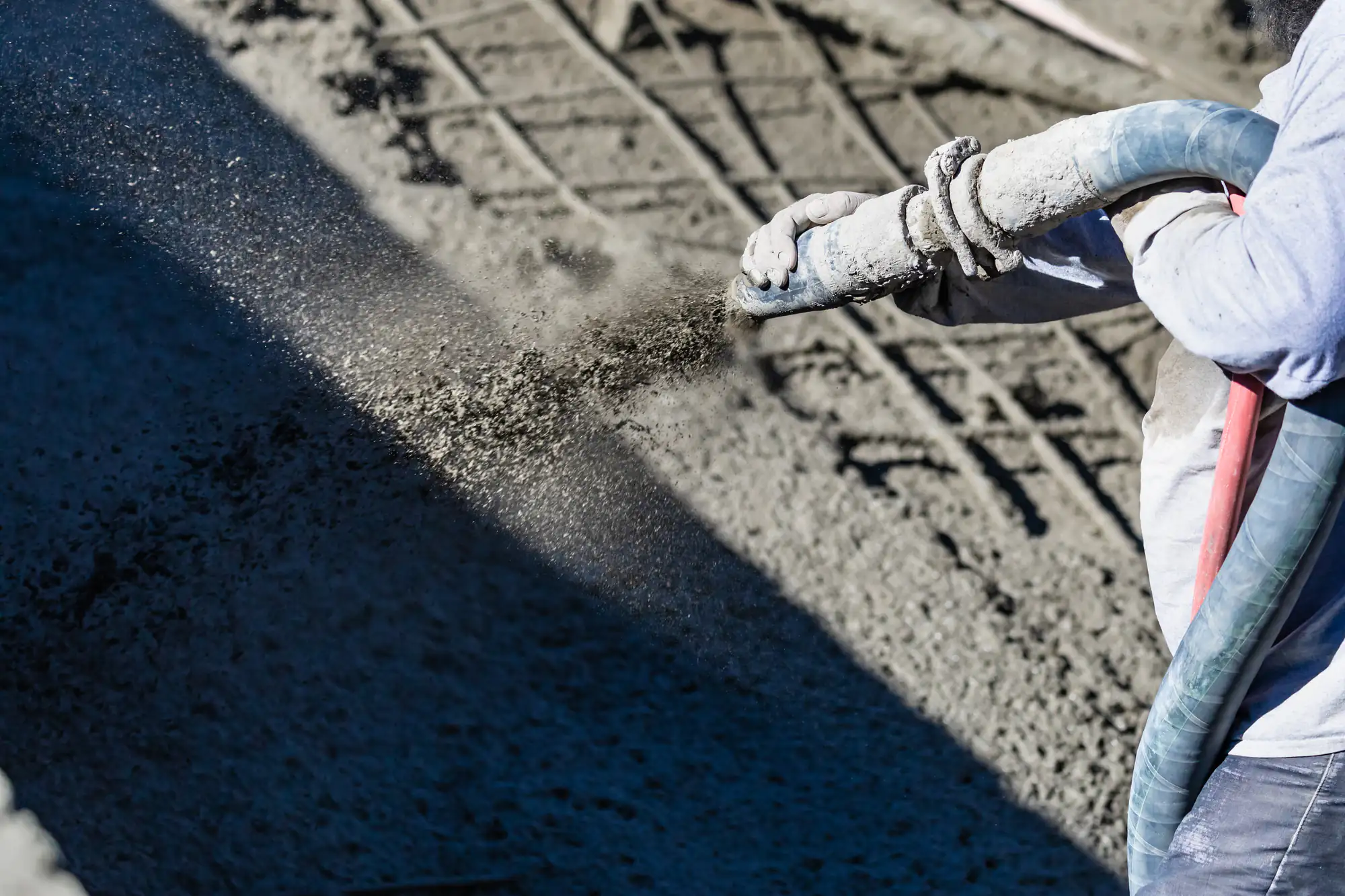
Every phase of a Deep Waters build excavation, rebar, gunite application, plumbing, electrical, surface finishing, equipment installation is handled by our own crew. No subcontractors you’ve never met. No handoffs between crews with no shared accountability. The same people who break ground are the same people who hand you the keys.
We also handle every permit in-house. Building permit, electrical permit, every required inspection coordinated through the appropriate Jeff Davis County or City of Denton offices without you having to track a single form.
It starts with a real conversation about your property where the pool sits, what the grade looks like, what the soil profile is likely to be based on your location within the county. If you’re closer to the Little Satilla sub-basin on the southeastern end of Jeff Davis County, the groundwater and clay conditions can differ from properties on the county’s northwestern side. That matters before a single shovel goes in the ground.
Once the design is locked and you’ll see it in 3D before anything moves permitting begins. We handle the building and electrical permits through the right local channels, whether that’s the City of Denton or the county offices in Hazlehurst. Permit timelines in Jeff Davis County tend to move faster in the fall and winter, which is exactly why starting your project between September and February puts you in the best position to be swimming by April or May.
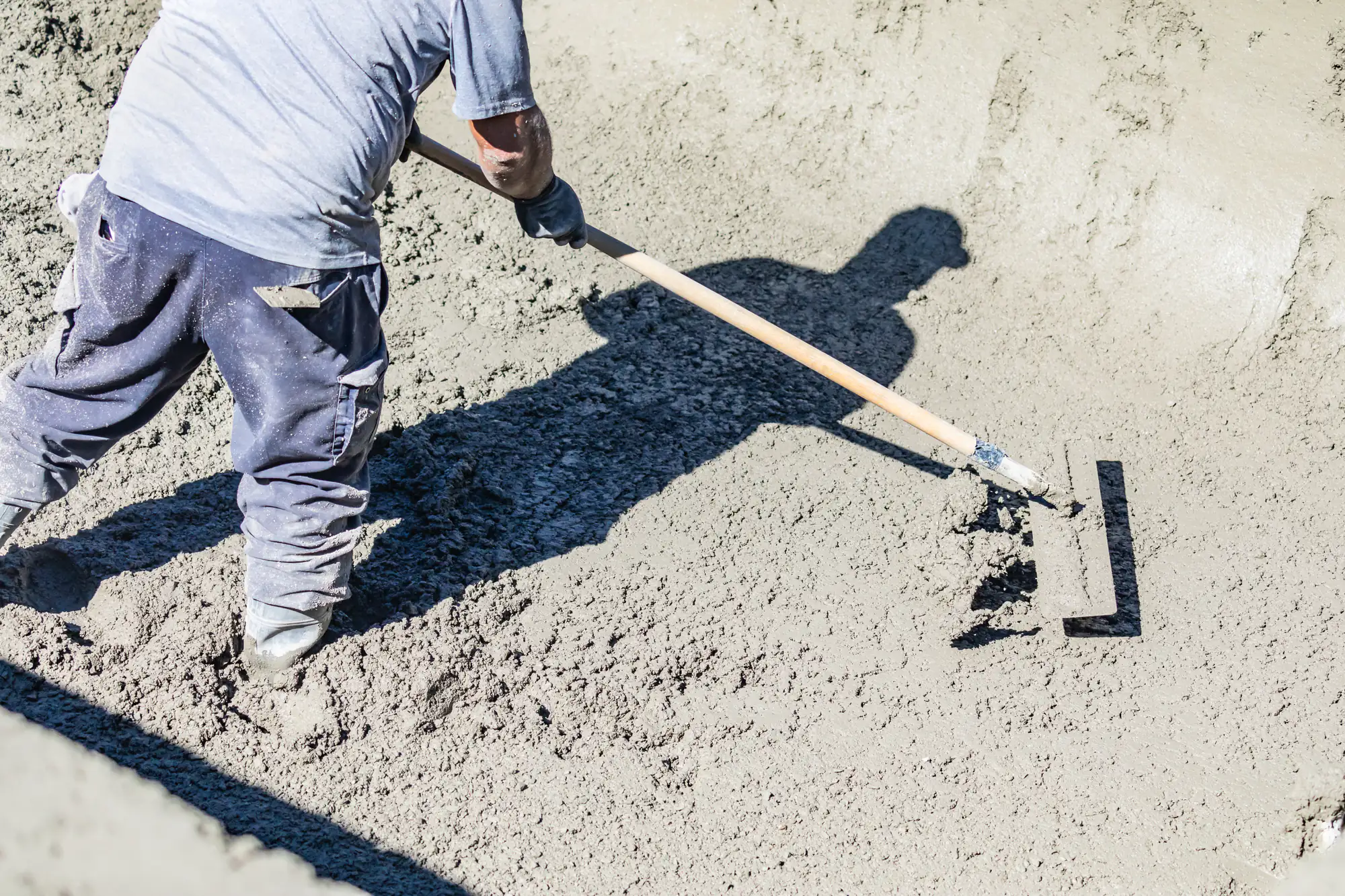
From there it’s excavation, rebar installation, gunite shell application, full cure time we don’t rush that part, because rushed curing is where surface failures start then plumbing, electrical bonding and grounding per NEC Article 680, surface finishing, equipment installation, and final inspection. Realistic build time from start to finish is three to six months. That’s an honest number, not an optimistic one.
Ready to get started?
When we build a gunite pool on a Denton property, the scope covers everything not a core build with a list of add-ons that inflate the final number. Excavation, rebar, gunite shell, all plumbing, all electrical bonding and grounding, surface finishing, equipment installation, and deck work are all handled by our same in-house crew. There’s no version of this where a separate plumbing subcontractor shows up and nobody’s communicating.
Equipment is specified for South Georgia’s climate sized correctly for the heat, the humidity, and the algae pressure that comes with a long warm season in this part of the state. Running undersized filtration on a pool in Denton is a maintenance problem from day one. We service Hayward, Pentair, Jandy, Sta-Rite, and Zodiac equipment, which means we can maintain what we build long after the project closes.
Custom gunite pool builds in the South Georgia residential market typically run $75,000 to $150,000 depending on size, features, and site conditions. That range covers everything from a clean, well-built standard pool to a fully custom design with a spa, tanning ledge, or water feature. Annual maintenance runs $2,700 to $4,000 depending on usage and service frequency. A quality gunite shell will need resurfacing every 10 to 15 years not the 3 to 7 years you may have read elsewhere, which describes what happens when the build is rushed, not what happens when it’s done right.
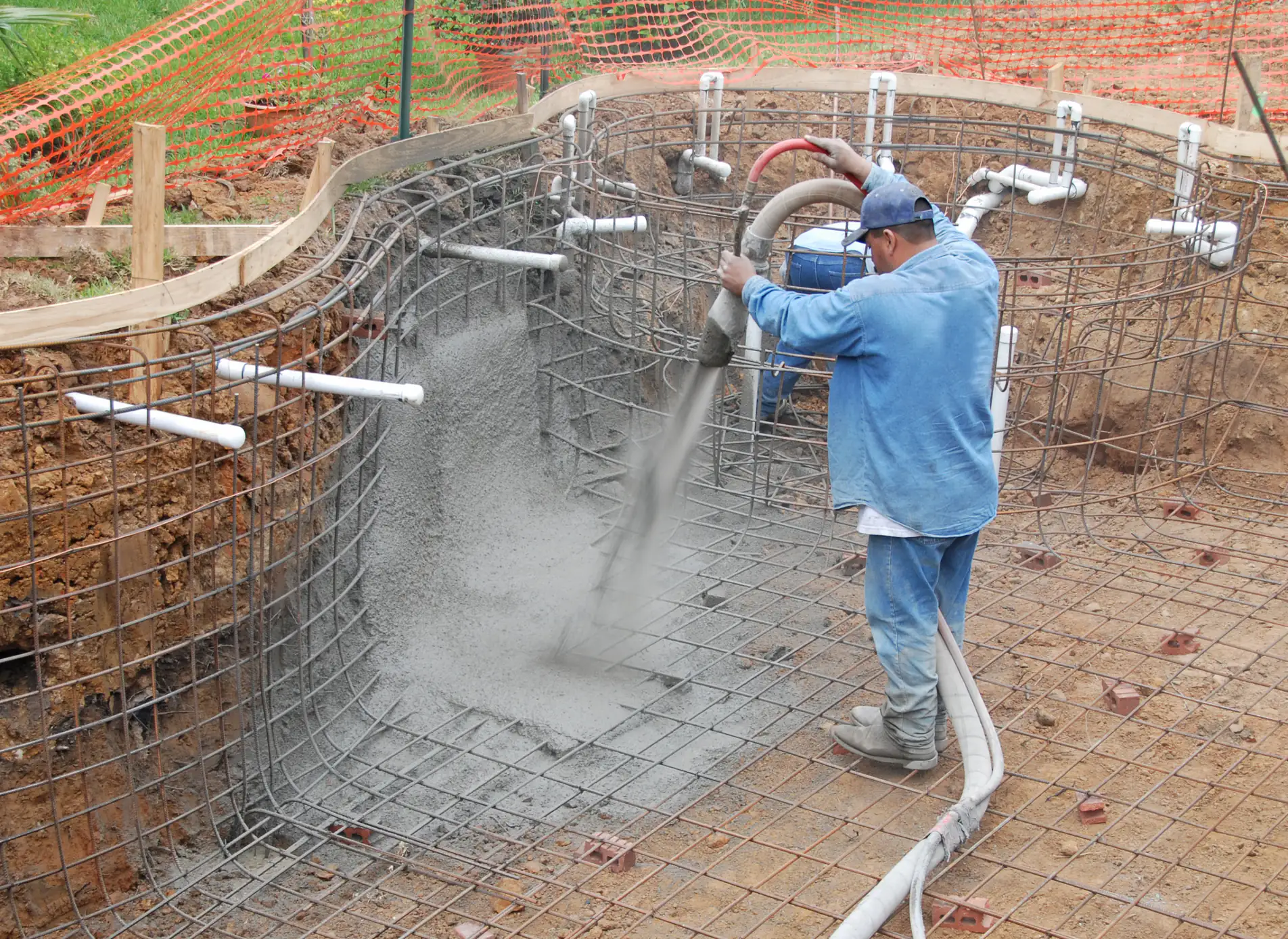
This is the most important question to ask any pool builder in this area, and the honest answer is: it depends entirely on whether the builder engineered for the ground. Jeff Davis County’s soil profile includes expansive clay subsoils beneath sandy loam topsoil particularly on properties near the Ocmulgee and Little Satilla drainage basins. That clay moves. It swells when it’s wet and contracts when it’s dry, and a pool shell that wasn’t designed around that movement will eventually show stress fractures.
A properly engineered gunite shell with adequate rebar density, correct wall thickness, and full cure time handles Denton’s South Georgia soil without issue. Cracking is a builder failure, not a material failure. The gunite method has been the standard for custom inground pools since the 1940s precisely because, when it’s done right, it outlasts every alternative. The question isn’t whether gunite works in this ground. The question is whether your builder knows this ground.
A realistic timeline for a custom gunite pool build in the Denton area is three to six months from the start of permitting to the day you fill it. That includes permit processing through Jeff Davis County or the City of Denton, excavation, rebar installation, gunite shell application and curing, plumbing, electrical, surface finishing, equipment installation, and final inspection. Builders who quote eight to twelve weeks are either skipping curing time which is where surface failures originate or they’re planning to use subcontractors who can run multiple phases simultaneously without coordinating properly.
The smartest move is to start the process in fall or winter. Permit queues are shorter, crews are more available, and a project started in September or October has a strong chance of being complete before the following summer. Starting in spring means competing with peak demand and risking delays that push your completion into the middle of swim season or past it.
For most properties in this part of Georgia, yes and the reason comes back to the ground. Fiberglass shells are manufactured in a factory and shipped as a single preformed unit. The shapes and sizes are fixed. You get what the manufacturer built, and it gets dropped into a hole on your property. If your land has a grade change, an irregular shape, or soil conditions that require specific engineering, a fiberglass shell can’t adapt to that. Gunite is applied on-site, which means the shell is built around your property not the other way around.
There’s also the longevity argument. A quality gunite shell, properly built and maintained, lasts 30 to 50 years. The surface will need refinishing every 10 to 15 years, but the structural shell is essentially permanent. Fiberglass shells can develop osmotic blistering over time in humid, high-moisture environments like South Georgia, and they can’t be structurally modified or reshaped if you want to change the pool down the road. Gunite can be updated, resurfaced, and expanded in ways fiberglass simply doesn’t allow.
Pool construction in Denton requires both a building permit and a separate electrical permit. Depending on whether your property sits within Denton’s incorporated city limits or in unincorporated Jeff Davis County, the permitting authority is either the City of Denton with their offices on Douglas Highway or Jeff Davis County through the county offices in Hazlehurst. The electrical work must comply with NEC Article 680, which is the federal standard governing bonding and grounding for all swimming pool construction.
We handle every permit in-house. We know which office to go to based on your property’s location in Denton, we manage the paperwork, and we schedule every required inspection. If a builder ever suggests you pull your own permit to cut costs, that’s a significant red flag it shifts legal liability for the construction from the contractor onto you, and it usually signals the builder isn’t properly licensed to pull permits in that jurisdiction themselves.
Custom gunite pool builds in the South Georgia residential market generally run between $75,000 and $150,000, with most projects landing in the $80,000 to $120,000 range depending on size, design complexity, site conditions, and features. A clean, well-engineered standard pool with quality equipment sits toward the lower end of that range. A fully custom design with a spa, tanning ledge, water feature, or specialty lighting moves toward the higher end.
Site conditions in Jeff Davis County can affect cost properties with heavier clay content or groundwater near the surface may require additional engineering or drainage work that a flat-lot suburban build wouldn’t need. That’s not a surprise you want to discover after you’ve signed a contract, which is why the site assessment conversation matters before any number is put on paper. Annual maintenance typically runs $2,700 to $4,000 depending on your service schedule and how heavily the pool is used through Denton’s long swim season.
A well-built gunite pool in South Georgia needs resurfacing every 10 to 15 years under normal conditions. You may have seen shorter timelines some as low as three to seven years cited by fiberglass pool companies in this market. That shorter cycle describes what happens when a gunite pool is built with insufficient wall thickness, rushed curing, or low-grade surface materials. It’s a description of a bad build, not a characteristic of the gunite method itself.
South Georgia’s climate does put real demands on pool surfaces. The long swim season means more chemical exposure, more UV, and more temperature cycling than pools in cooler climates experience. That’s exactly why the quality of the initial build matters so much here a properly finished surface with the right plaster mix or aggregate coating holds up well in Denton’s conditions. Cutting corners on the finish to save a few thousand dollars upfront typically costs significantly more in premature resurfacing down the road.