
Hear from Our Customers
A gunite pool built right in Quitman gives you somewhere between six and seven months of real use every year. From April through October, your backyard becomes the place your family wants to be. That kind of return on a major investment is hard to argue with.
The bigger question is not whether to build it is who builds it. South Georgia’s coastal plain soil behaves differently than the red clay people picture when they think of Georgia. Sandy loam profiles, subsurface drainage patterns, and a water table that sits closer to the surface near the Florida corridor all affect how a pool shell needs to be engineered. A builder who has only worked in North Georgia or who applies the same spec regardless of where they are digging is not the right fit for a Brooks County property.
What you get with a properly engineered gunite pool is a shell that does not fight the ground it sits in. You get a surface that holds up for 10 to 15 years before it needs resurfacing not the three to seven years some people quote, which is what happens when a builder rushes the cure or skimps on the steel. And you get a finished backyard that adds real value to your property at a time when Quitman home sale prices have climbed 35 percent in the last twelve months.
We are a family-owned company out of Douglas, GA a South Georgia builder, not a franchise from Atlanta or a company that drives down from the metro and figures it out as they go. Our team brought over 30 years of hands-on concrete, plumbing, and pool construction experience before we opened our doors in 2014. That background shapes how every project gets handled.
Every phase of your build excavation, rebar, gunite application, plumbing, electrical, decking, equipment installation, and startup is done by our own crew. Not a subcontracted dig team. Not an outside electrical company. The same people who designed your pool are the ones building it, from the first site visit to the day you swim in it.
For homeowners in Quitman, whether your property is in Victorian Woods, on a rural Brooks County spread off US 84, or in the historic residential district near downtown, that kind of accountability matters. In a community of 4,000 people, word travels. We were built specifically to be the company that earns the right kind of word.
It starts with a site visit and a conversation. Before anything is designed, our team walks your property, looks at the ground, evaluates drainage, and asks what you actually want. From there, you get a 3D design rendering a real visual of your pool, your yard, your layout before a single shovel breaks ground. You see the shape, the depth, the features, the deck. You approve it. Then work begins.
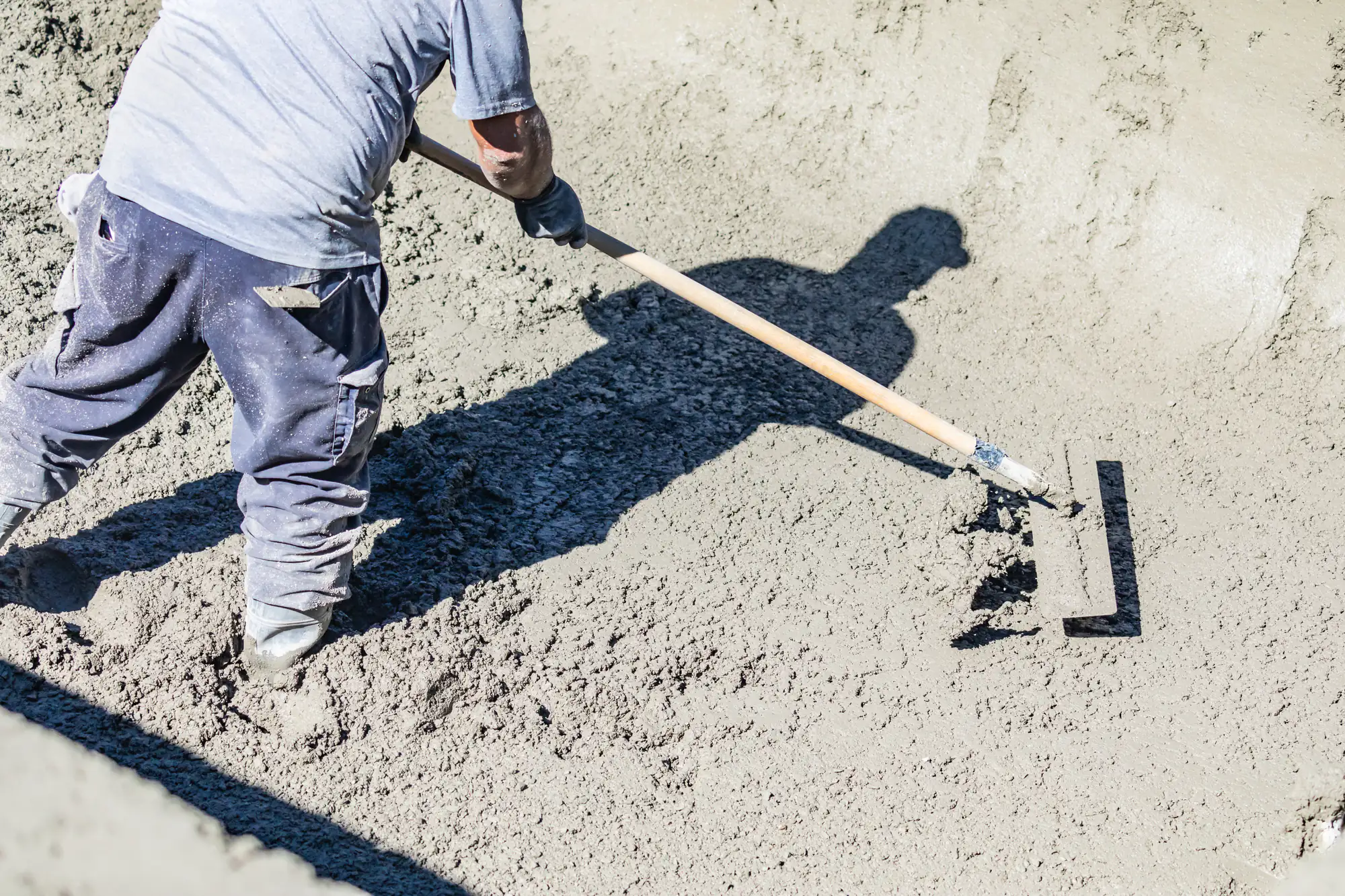
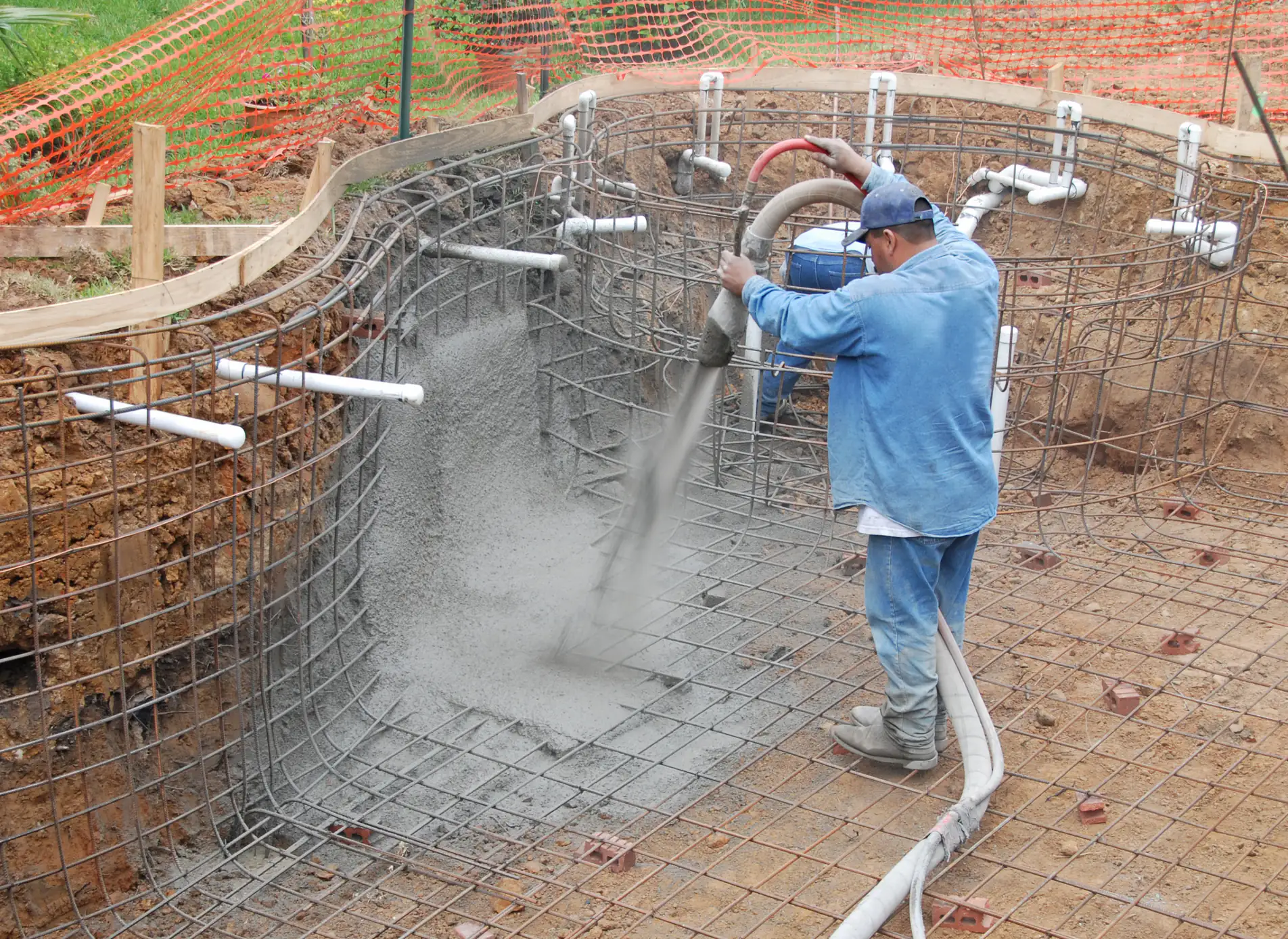
Excavation comes first, followed by rebar installation and the gunite application itself. The shell is the foundation of everything, and it is where shortcuts show up years later as cracks or surface failures. We do not rush the cure. After the shell, plumbing and electrical are run all in-house, all bonded and grounded to NEC Article 680, which is the federal safety standard for pool electrical systems. It is not optional, and it is not something to hand off to whoever is available that week.
One thing Quitman homeowners consistently tell us they did not expect: the permit process. If your property sits within city limits, permits run through the City of Quitman at 100 W Screven St. If you are in unincorporated Brooks County, that goes through the Development Services office on South Highland Road. We handle both building permits, electrical permits, every required inspection so you never have to figure out which office applies to your address or wait on a callback to keep your project moving.
Ready to get started?
A Deep Waters build covers the full scope. Custom 3D design, excavation, rebar and gunite shell, all plumbing, electrical bonding and grounding, equipment installation, pool deck construction, and a complete startup walkthrough so you know exactly how your system runs. There is no phase that gets handed off to a separate company and no portion of the job where accountability gets blurry.
Equipment matters as much as construction, and we service Hayward, Pentair, Jandy, Sta-Rite, and Zodiac systems. That breadth is not incidental it means the same company that built your pool can maintain it, troubleshoot it, and service it for the life of the pool. In Quitman, where calling a specialty service provider from Valdosta or Thomasville means waiting on a schedule that was not built around your timeline, having a full-service relationship with your builder is a practical advantage that compounds over years.
If you have an existing pool that needs work a surface that was never finished right, equipment that a previous contractor said needed full replacement, or a liner pool you want to convert to gunite we handle pool restoration as well. The same technical depth that goes into a new build applies to bringing an existing pool back to where it should be. And if you are on a rural Brooks County property with acreage and specific grading considerations, that site-specific engineering is part of the process from day one not an afterthought.
For a residential gunite pool in Georgia, most custom builds fall somewhere between $75,000 and $150,000 depending on size, shape, features, and site conditions. In Quitman specifically, the site factors that affect cost most are lot grading, soil drainage, and whether your property is within city limits or in unincorporated Brooks County since each involves a different permitting process and inspection schedule.
What shifts cost more than anything else is scope. A basic custom shape with standard decking and equipment sits at the lower end. Add a spa, water features, premium travertine or paver decking, or automation systems and the number moves accordingly. The honest answer is that you will not know your real number until we walk your property and design around what is actually there. That is why we start with a site visit and a 3D design before any pricing conversation is finalized so the number you get reflects your project, not a generic estimate built on assumptions.
The realistic timeline for a custom gunite pool in South Georgia is three to six months from permit approval to startup. You may hear builders quote eight to twelve weeks, and while that is possible in ideal conditions, it is not the norm and in Quitman and Brooks County, weather and the permitting process both factor in.
South Georgia gets meaningful rainfall throughout the construction season, which can affect excavation timing and the gunite curing schedule. Rushing the cure to hit an aggressive deadline is exactly how surface problems show up two or three years later. We build to the right timeline, not the fastest one. Permits through the City of Quitman or Brooks County Development Services also require inspection holds at specific phases shell, plumbing, electrical and those cannot be skipped or compressed. When someone quotes you a timeline that sounds too fast, ask them how they are handling inspections. That question tells you a lot.
You will find content online that claims gunite pools crack in Southern soil. That argument is worth understanding clearly: gunite itself does not crack because of Southern soil. Pools crack when a builder engineers the shell incorrectly for the specific ground conditions at the site wrong rebar spacing, insufficient wall thickness, inadequate curing time, or poor site drainage that allows water to move beneath the shell.
Brooks County sits in Georgia’s Coastal Plain, where the soil profile is primarily sandy loam rather than the heavy red clay of North Georgia. Sandy profiles drain more freely, which is generally a favorable condition for pool construction, but they also require attention to lateral soil pressure and proper backfill compaction. A builder who has worked in South Georgia’s coastal plain understands these specifics. A builder who applies a one-size-fits-all construction spec regardless of where they are digging does not. The answer to the cracking question is not about the material it is about whether the builder engineered the shell for the actual ground beneath your property.
Yes, pool construction in Quitman requires permits and the office you deal with depends on where your property is located. If you are within Quitman city limits, permits go through the City of Quitman Permits Department at 100 W Screven St. If your property is in unincorporated Brooks County, you are working with the Brooks County Development Services Office at 610 S Highland Road. These are two separate offices with separate processes, and the distinction matters for your project timeline.
Required permits typically include a building permit, an electrical permit, and a plumbing permit, along with inspections at multiple phases of construction shell, plumbing rough-in, electrical bonding, and final. We handle all of it. You do not pull permits, schedule inspectors, or figure out which office applies to your address. That is handled from the first application through the final sign-off. For homeowners who have never built a pool before, this is often the part of the process they are most relieved to hand off.
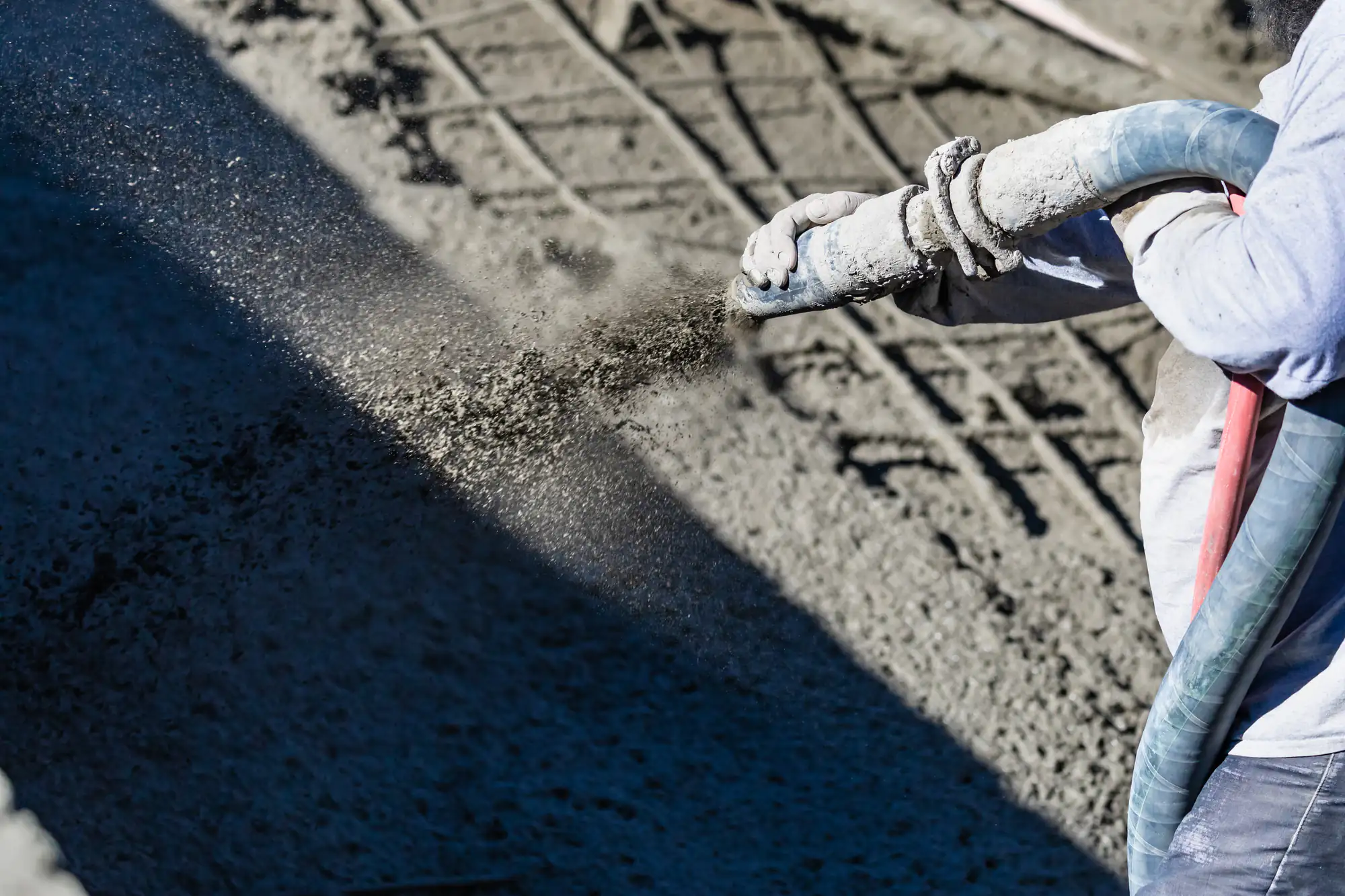
Gunite and shotcrete are both pneumatically applied concrete the difference is in how the mix is prepared before it is sprayed. Gunite uses a dry mix that combines with water at the nozzle. Shotcrete uses a wet mix that is pre-combined before application. Both produce a structurally sound pool shell when applied correctly by an experienced crew. The material distinction matters far less than the skill of the applicator and the engineering behind the shell.
What you should be asking is not which method is used, but who is applying it and whether they are doing it in-house or subcontracting the application to a separate crew. When the gunite or shotcrete application is subcontracted, the builder who sold you the pool is not the one responsible for the most structurally critical phase of your build. We apply the shell with our own team the same crew that set the rebar, the same crew that will run the plumbing. That continuity is what keeps accountability intact through the phase of construction that determines whether your pool holds up for decades or starts showing problems in year three.
A properly built gunite pool in Quitman’s climate should give you decades of structural life with routine maintenance. The shell itself the concrete structure is built to last 50 years or more when it is engineered and cured correctly. The surface finish, typically plaster or a quartz blend, will need resurfacing every 10 to 15 years under normal use. That is the honest number for a quality build in South Georgia’s conditions.
Quitman’s climate is actually favorable for gunite longevity compared to northern markets. You are in USDA zone 9a with mild winters and no meaningful freeze-thaw cycles the kind of repeated contraction and expansion that stresses pool shells in colder climates simply does not happen here. Your pool equipment runs in a gentler thermal environment, which extends the service life of pumps, heaters, and plumbing. The six-to-seven-month swim season means your pool is actively used and maintained rather than sitting dormant, which keeps chemistry stable and surfaces in better condition. The long-term cost of ownership for a well-built gunite pool in this climate is lower than most people expect going in.