
Hear from Our Customers
A properly maintained pool in Quitman isn’t just cleaner it lasts longer and costs you less over time. When chemistry stays balanced week to week, you’re not dealing with algae blooms in July, stained plaster from organic buildup, or a pump that’s working twice as hard because the water’s been out of balance for a month. That’s the difference between reactive and consistent.
Quitman gets around 54 inches of rain a year, most of it hitting between April and October the exact window when your pool is getting the most use. Every heavy rain dilutes your chlorine, shifts your pH, and dumps whatever was sitting on your deck or in your trees straight into the water. The live oaks and camellias that make the historic neighborhoods on North Court Street so beautiful? They’re relentless when it comes to loading up a skimmer basket. Without regular service, that organic debris feeds algae faster than most people expect.
The other thing Quitman pool owners deal with is the near-year-round season. Winters here don’t get cold enough to shut a pool down the way they do further north, which means the water still needs attention from November through February. Algae grows in water as cool as 50°F, and Brooks County rarely dips below that for long. Skipping winter maintenance is one of the most common and most expensive mistakes pool owners make in this climate.
We’re a family-owned and operated pool service company based in Douglas, GA, and have been serving South Georgia pool owners since 2014. The experience behind our business goes back over 30 years not just in maintenance, but in pool construction and equipment repair. That background matters because it means the person showing up to your Quitman home isn’t just running through a checklist. We know how pools are built, how equipment fails, and what early-stage problems look like before they turn into expensive repairs.
Brooks County doesn’t have a deep bench of pool service options. There’s no local competitor with a dedicated presence in Quitman, which means homeowners have largely been left to manage things on their own or rely on whoever they could find. We fill that gap with scheduled, professional service from a South Georgia team that understands this region’s climate and takes the work seriously.
Being family-owned means accountability is personal. There’s no franchise layer, no call center, no territory manager. When something needs attention at your property near the Quitman Country Club or anywhere else in Brooks County, you’re dealing directly with the people whose name is on the business.
Every service visit starts with a full assessment of what the pool looks like that day not what it looked like last week. In Quitman’s climate, conditions can shift significantly between visits. A week of 90-degree heat burns through chlorine faster than most people realize. A single afternoon storm can dilute everything that was balanced just days before. So the first thing that gets checked is water chemistry: pH, chlorine, alkalinity, calcium hardness, and cyanuric acid. Not just a chlorine top-off the full picture.
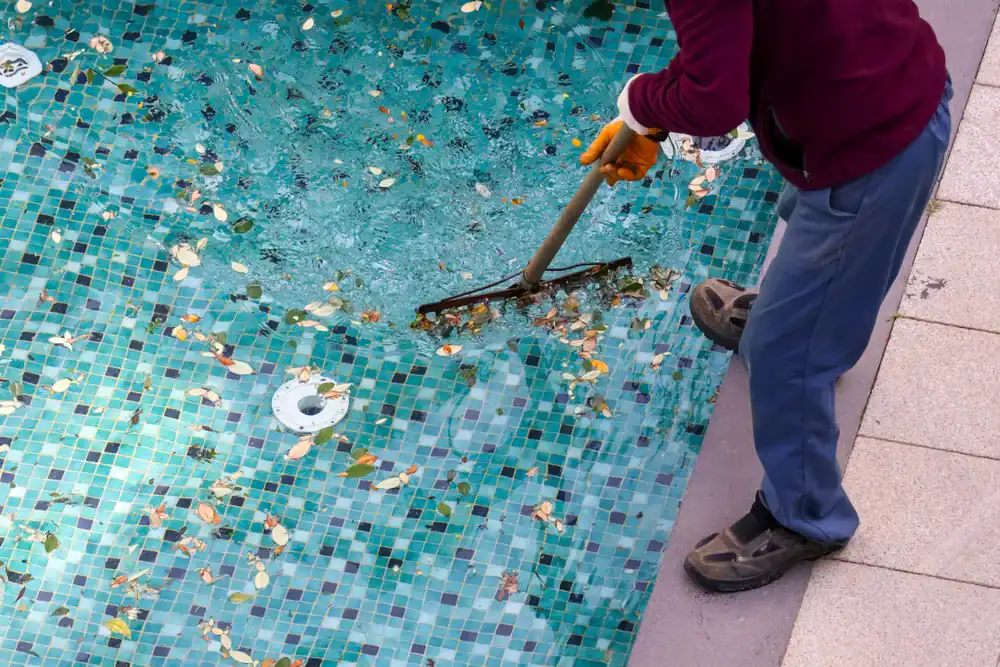
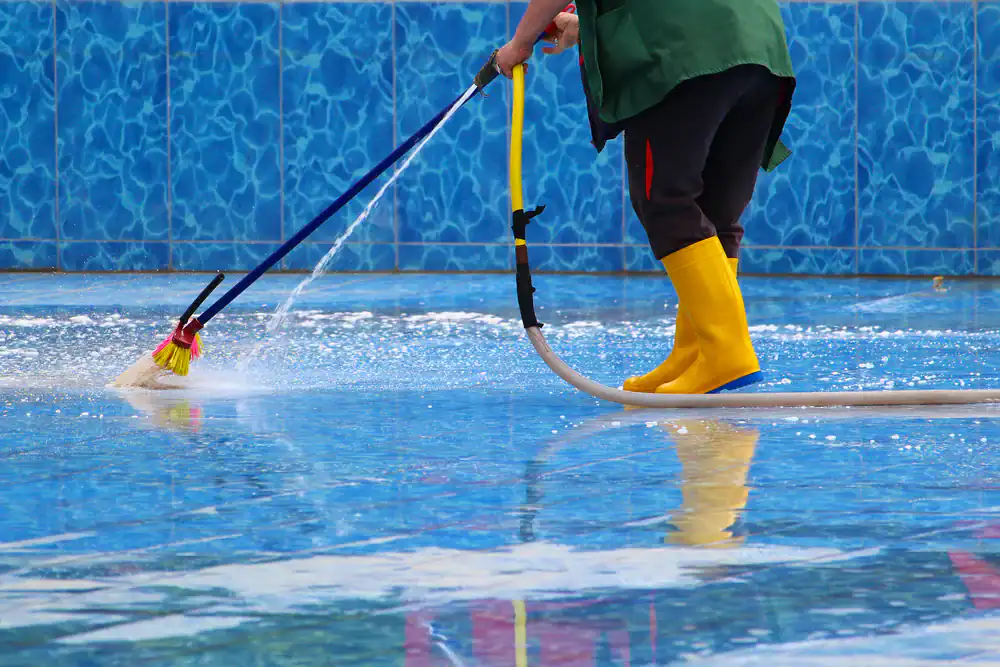
From there, skimmer baskets get cleared out completely. Given the tree canopy throughout Quitman’s older residential neighborhoods, this step isn’t optional maintenance it’s essential. A clogged skimmer restricts circulation, lets debris settle on the pool floor, and introduces phosphates that accelerate algae growth. Brushing pool walls and surfaces, vacuuming the floor, and clearing any debris from the water come next, followed by a chemical adjustment based on what the test results actually showed not a fixed formula applied regardless of conditions.
If anything looks off with the equipment during a visit a pump running at the wrong pressure, a filter showing signs of wear, a return fitting that needs attention it gets flagged immediately. We service all major brands including Hayward, Pentair, Jandy, Sta-Rite, and Zodiac, so if something needs to be addressed, you’re not being handed off to a different company. That’s the whole point of working with a team that has construction-level expertise behind the maintenance operation.
Ready to get started?
Routine pool maintenance from us covers the full scope of what keeps a South Georgia pool healthy: water chemistry testing and balancing, skimmer basket cleaning, surface brushing, vacuuming, debris removal, and equipment inspection. Every visit is adjusted based on actual conditions what the weather has been doing, what the water tests show, and what the pool looks like when the technician arrives. That’s not a standard approach in this industry, but it’s the only one that makes sense in a climate like Quitman’s.
Beyond routine maintenance, we handle green pool recovery for pools that have gone off track whether from a missed service, storm damage, or a chemical imbalance that got out of hand. Recovery isn’t just shock treatment. It requires diagnosing the type of algae, correcting pH before any shock is applied, thorough brushing to break up colonies, continuous filtration, and follow-up to prevent it from coming back. If your pool has turned green, that’s not a reason to wait it’s the exact reason to call.
Seasonal pool care is also part of the picture. In Brooks County, the swim season runs close to year-round, but the service needs shift with the calendar. Spring startup, summer chemical management during heavy rain and heat, post-storm recovery after Gulf weather systems push through, and fall and winter maintenance to keep the water from going stagnant it’s all covered. The City of Quitman’s permits and code enforcement department handles construction-related permits, but routine maintenance service doesn’t require a permit, so there’s nothing standing between you and getting your pool back on a proper schedule.
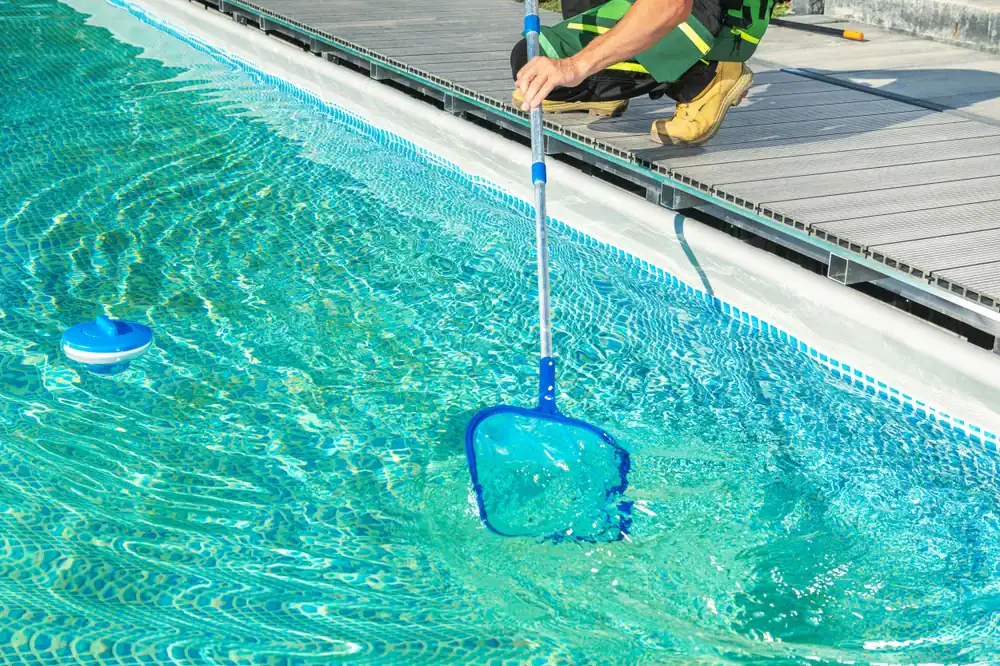
For most pool owners in Quitman, weekly service is the right call especially from April through October. South Georgia summers are aggressive. Temperatures pushing into the low 90s accelerate chlorine consumption, and the rainfall that comes with the season constantly dilutes and destabilizes pool chemistry. A pool that was balanced on Monday can be showing early algae signs by Friday if the week was hot, sunny, and followed by an afternoon storm.
Every two weeks might be workable during the cooler months, but even then, Quitman’s mild winters mean algae is still a real risk. Water temperatures in Brooks County rarely stay below 50°F for long, and algae grows comfortably in that range. If you’re trying to decide between weekly and biweekly, think about how much shade your pool gets, how many trees are dropping debris into the water, and how much the weather has been swinging. Those factors matter more than the calendar.
The most common reason DIY chemical treatment doesn’t stick is that the order of operations is off. If your pH is too high when you add chlorine, the chlorine loses most of its effectiveness before it can do anything. You can pour shock into a pool with a pH of 8.0 and accomplish almost nothing. The chemistry has to be corrected in the right sequence pH first, then chlorine or you’re essentially wasting product and time.
The other issue in Quitman specifically is the organic load coming from tree debris. Leaves, camellia petals, pollen, and other organic material introduce phosphates into the water, and phosphates are essentially algae food. If you’re not removing that debris consistently and your phosphate levels are elevated, you’ll be fighting algae no matter how much chlorine you add. Professional service addresses both sides of the problem the chemistry and the source which is why the results tend to hold better than what most homeowners can manage on their own.
After a significant storm, your pool chemistry is almost certainly off. Heavy rainfall dilutes chlorine, shifts pH, and introduces runoff pollen, dirt, organic debris, and whatever else was sitting around the pool deck or yard. If the storm was severe enough to cause flooding or standing water near the pool, you may also be dealing with contamination from groundwater intrusion. Brooks County saw real storm impact from Hurricane Helene in late 2024, and that kind of weather event can completely overwhelm a pool’s chemical balance in a matter of hours.
The right response is a full water chemistry test before adding anything. You need to know where pH, chlorine, alkalinity, and calcium hardness actually landed after the storm not guess at it. From there, corrections get made in the right order, the skimmer baskets get cleared of whatever the storm pushed in, and the pool gets brushed and vacuumed if debris settled on the floor. Trying to shortcut this process usually means the chemistry bounces around for another week before it stabilizes.
Yes and this is one of the most common misconceptions among pool owners in this region. Quitman’s winters are mild enough that full pool winterization isn’t standard practice the way it is in colder climates. That’s actually a reason to keep up with maintenance, not skip it. The water temperature in Brooks County stays above 50°F for most of the winter, which is warm enough for algae to grow. A pool left without chemical attention from November through February will frequently turn green by March.
Beyond algae, sitting water with unbalanced chemistry will slowly damage pool surfaces and equipment over the winter months. Plaster and grout are particularly vulnerable to low pH over time, and the cost of replastering a pool significantly outweighs the cost of a few months of off-season maintenance. The swim season in Quitman starts early sometimes as soon as late March or April and you want the pool ready when the weather turns, not recovering from three months of neglect.
Yes, and it’s not an unusual situation. Green pool recovery is a specific process, and it requires more than dumping shock into the water and hoping for the best. The first step is always testing the water to understand what you’re actually dealing with the type of algae, the current pH, the chlorine demand, and the overall chemical state of the pool. Trying to shock a pool without correcting pH first is one of the most common mistakes, and it wastes both product and time.
Once the chemistry is properly assessed, pH gets corrected, the right type and amount of shock gets applied, the pool gets thoroughly brushed to break up algae colonies on the walls and floor, and the filter runs continuously to pull dead algae out of the water. Depending on how far gone the pool is, this process can take several days and may require follow-up treatment. We’ve recovered pools in Brooks County that other approaches couldn’t fix if your pool is in rough shape, the right move is to get a professional assessment rather than keep throwing chemicals at it and hoping something changes.
Routine weekly pool cleaning service in the Quitman area generally runs between $100 and $175 per month depending on pool size, how much debris load the pool deals with, and what the water chemistry requires at each visit. Pools surrounded by heavy tree canopy which is common in Quitman’s older historic neighborhoods tend to require more time per visit because of the organic debris that comes with mature live oaks and ornamental plantings. That’s a real factor in how service is priced, not just a generic variable.
Green pool recovery and one-time treatments are priced separately from ongoing maintenance, and the cost depends on the severity of the situation and what chemicals are required. The more useful way to think about cost is in comparison to what deferred maintenance actually runs. A pump failure from neglected water chemistry, a replaster job from prolonged pH imbalance, or a full green pool recovery after a skipped season all cost significantly more than consistent monthly service. For a Quitman homeowner with an established pool, regular maintenance is the more affordable option it just doesn’t feel that way until something goes wrong.